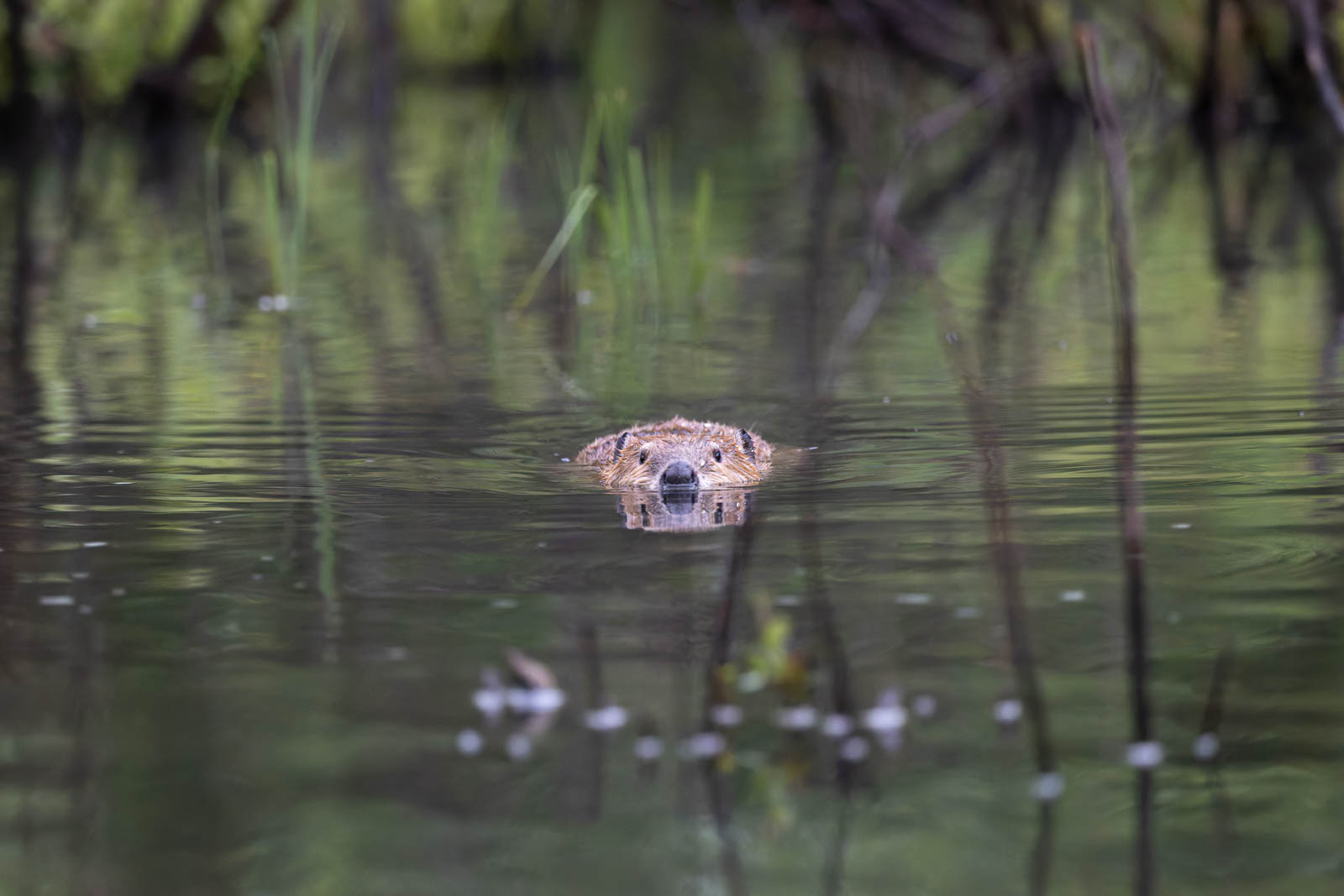
In my endeavor to photograph wildlife, it has been critical to find animals to photograph. Basic enough, right? Where can you reliably find animals to photograph without having to drive around looking for them or going to a zoo (defies the very definition of ‘wild’ life)?
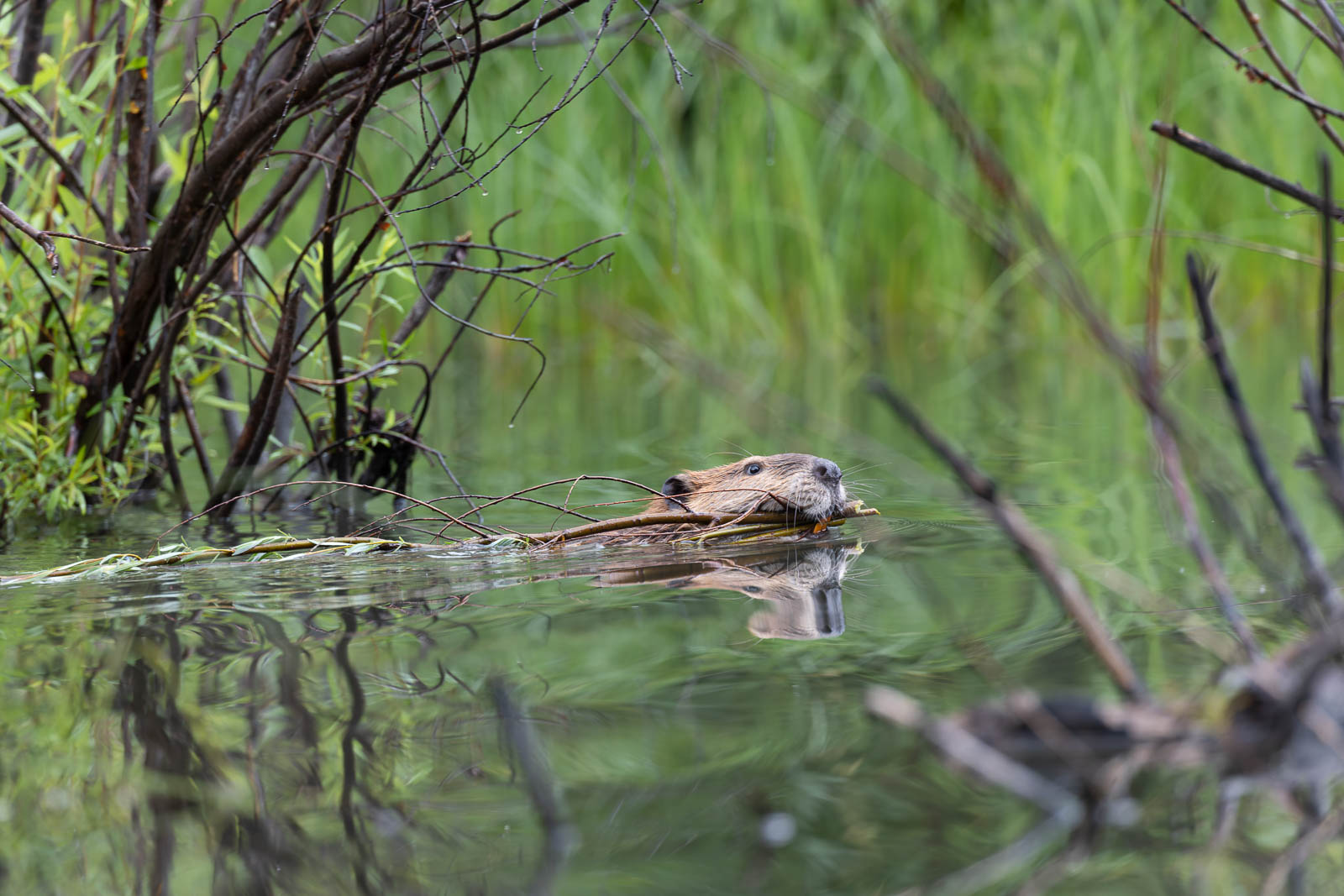
Part of it is knowing their environment, where they live, when they come out (are they nocturnal and only come out at night, dawn & dusk, or all day creatures of habit). Animals follow food and water, so a good place to start, particularly in our dry season, is to go where the water is.
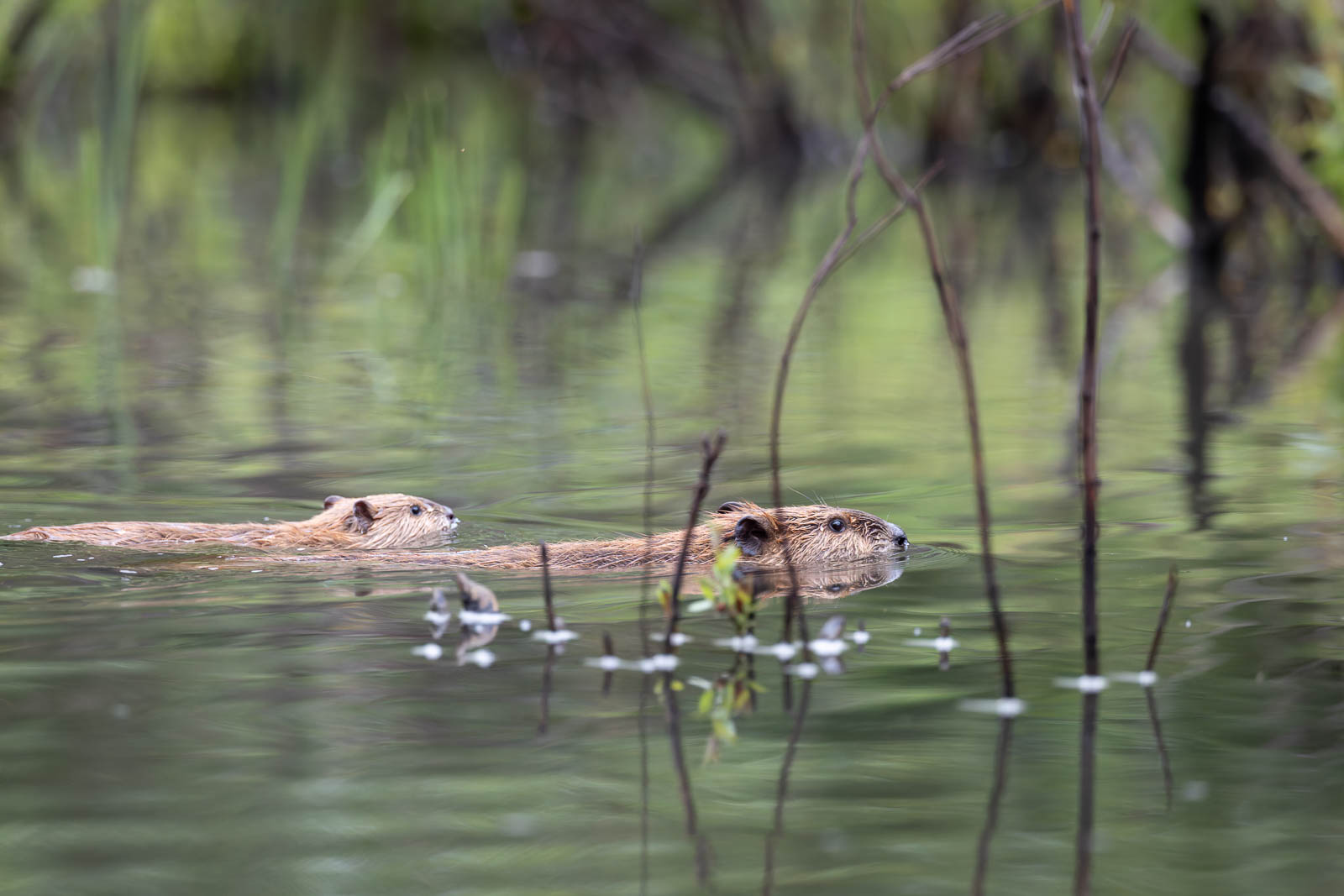
Understanding where they live and their habitat is important, but also where and how they live.
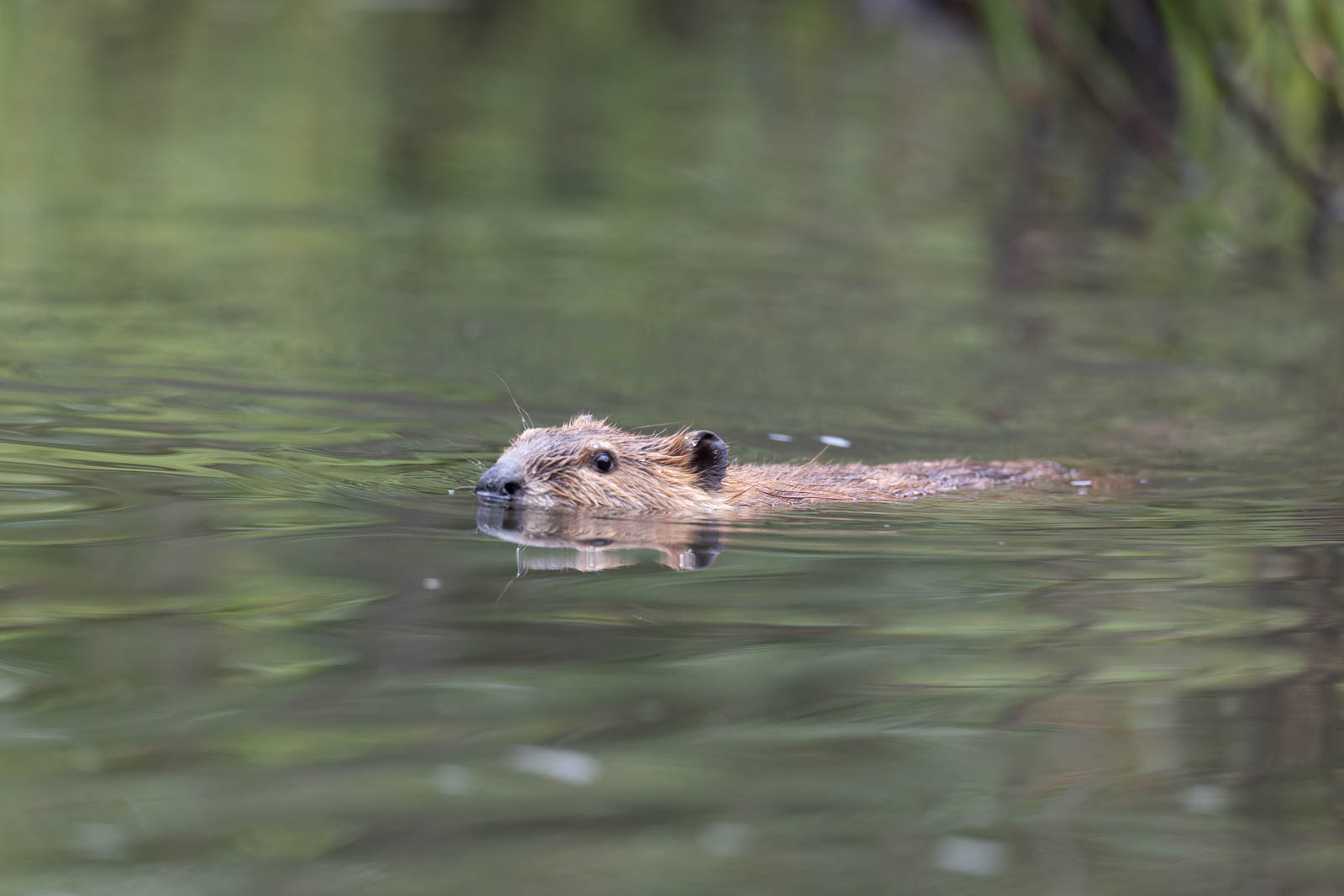
While out looking for animals in their habitats, it takes hours, often days, of quiet still patience before one might encounter anything. It doesn’t necessarily mean they aren’t there – just that they follow their schedule, not yours. An easy answer for a wildlife photographer when asked ‘how do you get these sorts of shots?’ is TIME. Pure and simple.
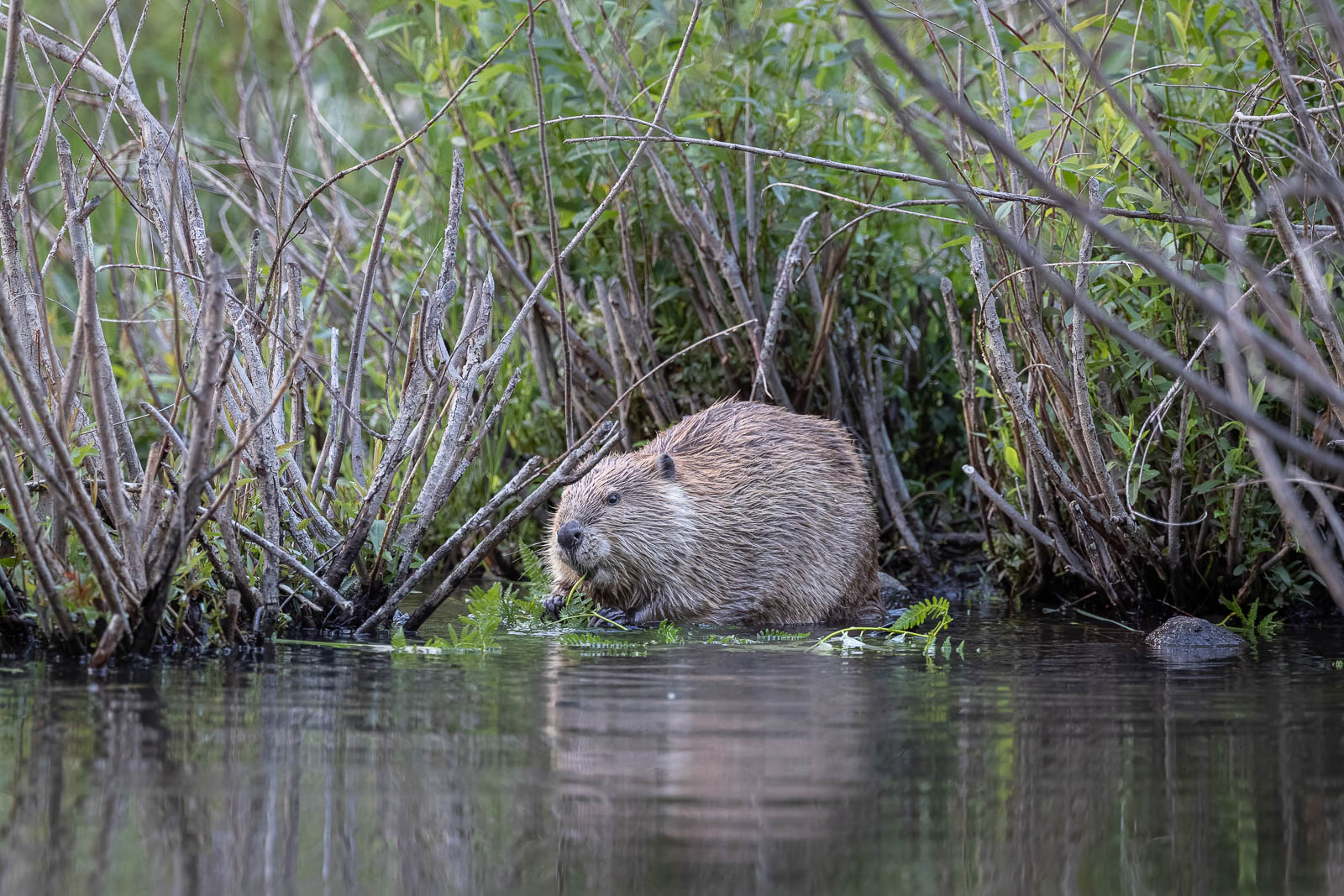
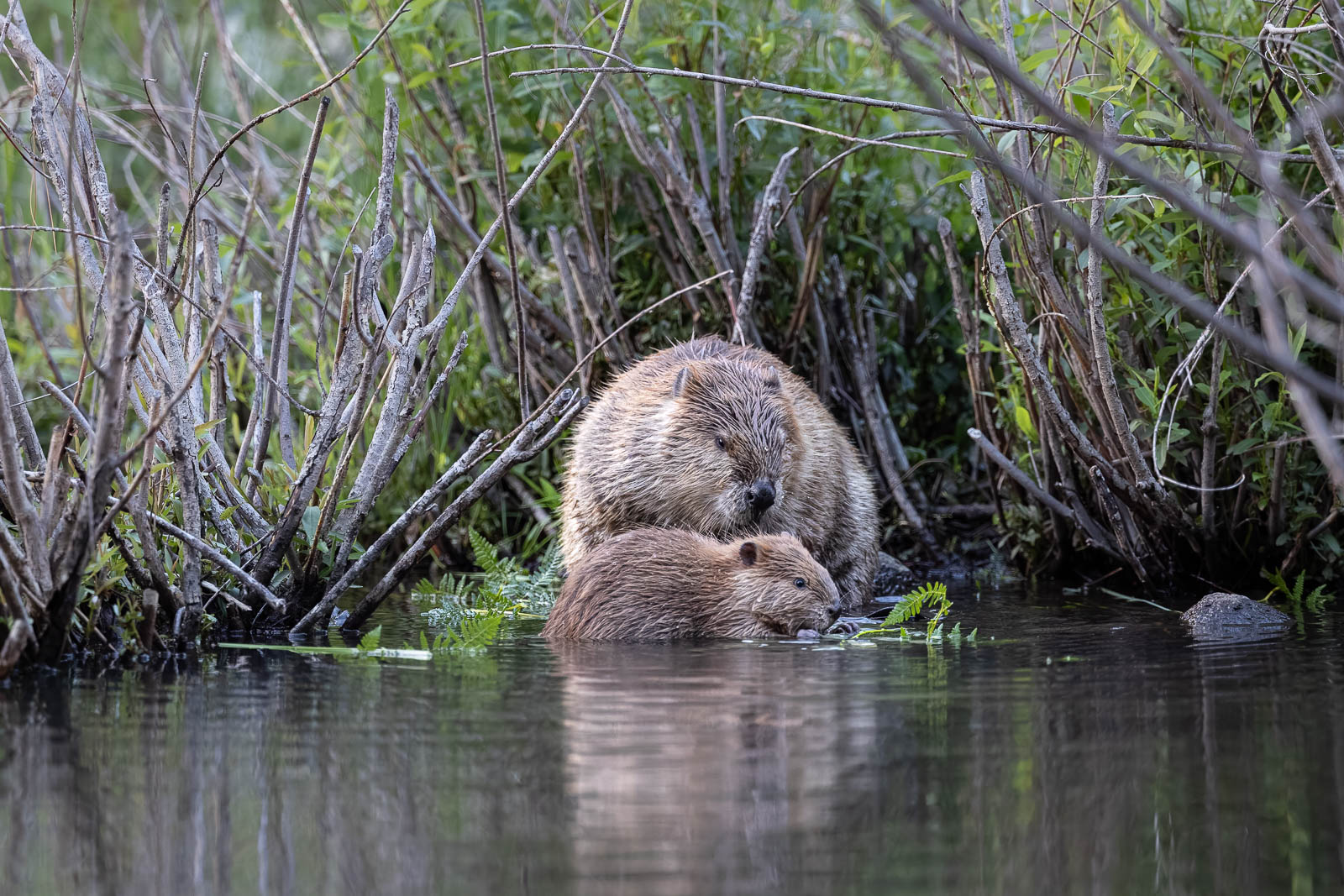
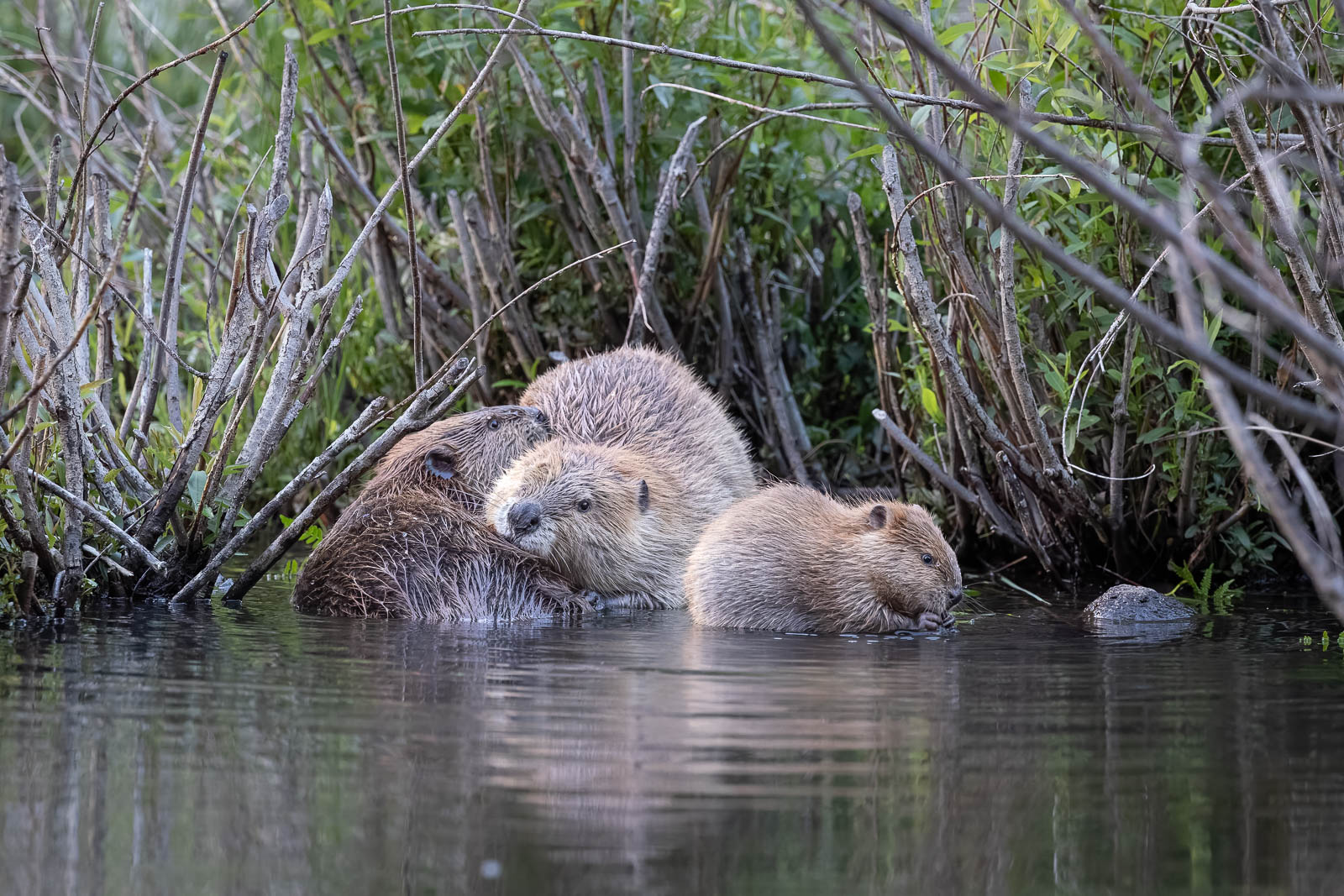
Another useful attribute of capturing wildlife images is being respectful and quiet with the animals. Move only when they aren’t there (or looking), be stealthy, and still. It’s not unusual for me to crouch behind trees, crawl on all fours, or belly walk along the ground when a sighting is made. Once an animal habitat is established it may be prudent to conceal oneself and hide in a blind or ‘hide’ (as they are called in Europe). And then – just watch and wait.
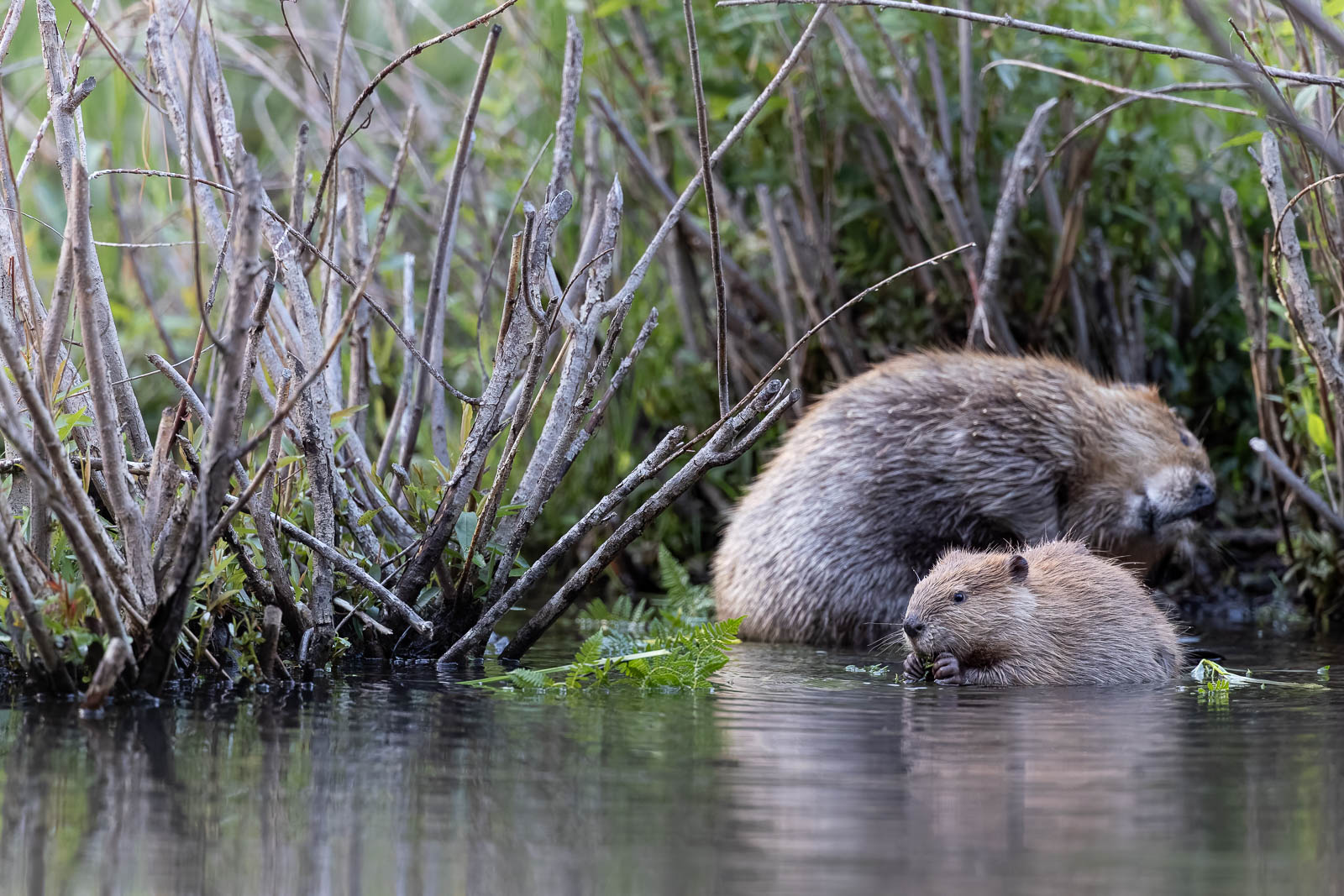
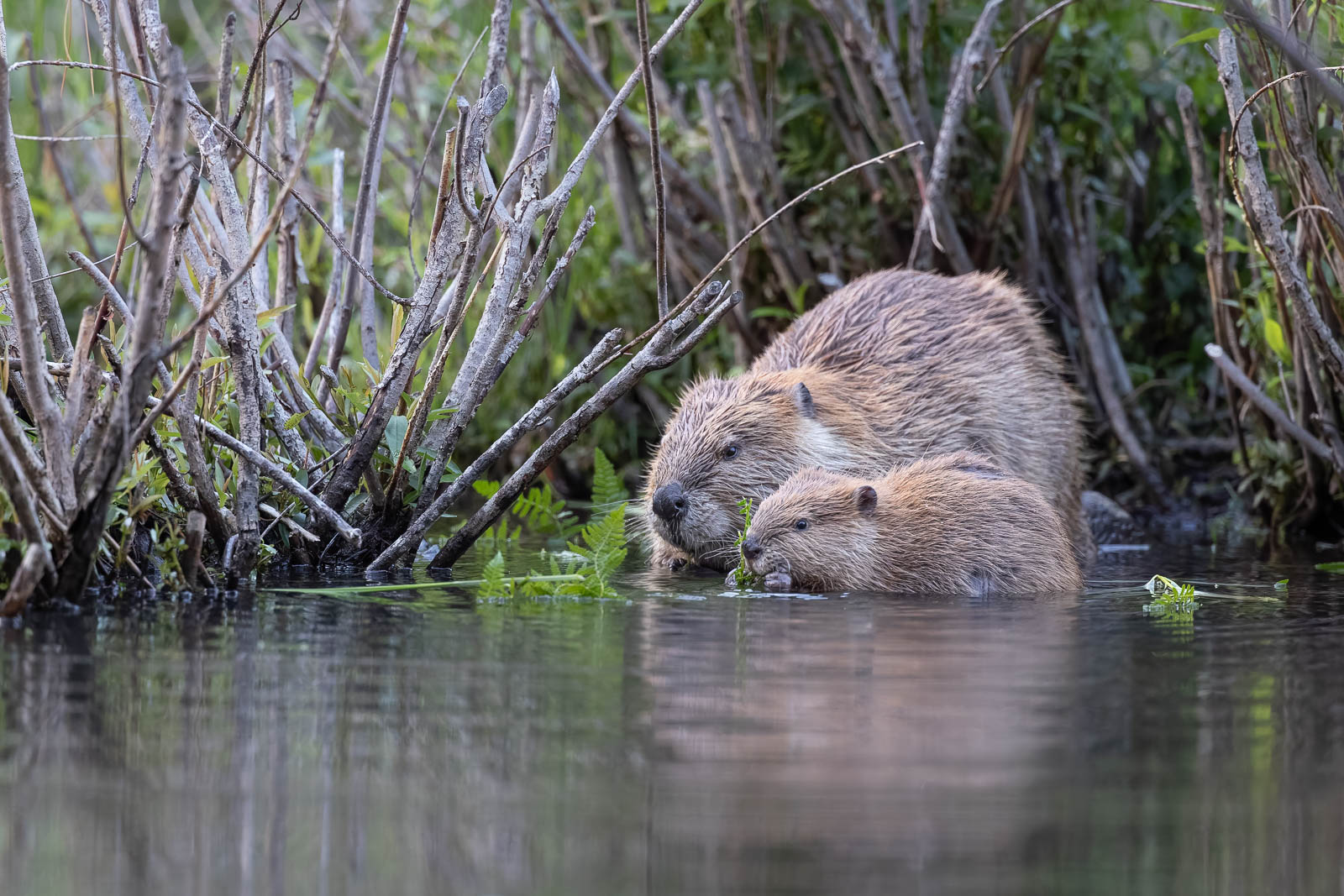
Finding a spot that is accessible, and not overly large helps. If a lake is very large, the animal can easily move to a less ‘offensive’ area where they might feel safer from predators. Smaller spots increase the likelihood an animal will stick around and not vacate, particularly near it’s home (den, nest, burrow, etc.). But one must ALWAYS be respectful of the wildlife and never allow them to change their behavior due to feeling threatened. It’s something I feel especially fervent about.

 kritterspaw
Leave a comment