

There are two species of elephants: African & Asian elephants. Since we were in Thailand, we were keen to make sure it included seeing wild elephants.
(See posts here…https://kritterspix.com/2023/12/07/thailand-wildlife/, https://kritterspix.com/2023/12/06/chang-mai/, and https://kritterspaw.com/2023/12/06/bangkok-thailand/ )


There are thought to be around 7,000 elephants in Thailand. An estimated 4,000 are held in captivity as work horses or for tourism in sanctuaries, for riding, or ‘show horses, er, elephants’. Those in the wild are in jeopardy as a typical Asian elephant (smaller than it’s African cousin) weighs some 6,000 – 12,000 lbs and eats around 300 lbs of food & 50 gallons of water every day. A large male can consume twice that amount per day.


Urban sprawl has obliterated much of the elephants habitat. And due to their hefty diets, they can be nuisances to local farms and villagers, decimating crops as they look for food. The elephants find farmer’s rubber tree plantations, pineapple and banana crops, crucial to Thai people’s economic security, particularly tasty.


In 1999 Parks like Kui Buri National Park were established to help protect the wild elephant, and offset the increasing loss of income for the Thai people. The very same farmers loosing crops around the Park moonlight as expedition drivers for a growing tourism trade to take tourists via ‘jungle trucks’ into the park to see wild elephants roaming free in this 600 square mile expanse between Myanmar and Southwest of Hua Hin, Thailand. There are over 300 elephants living free in Kui Buri National Park.
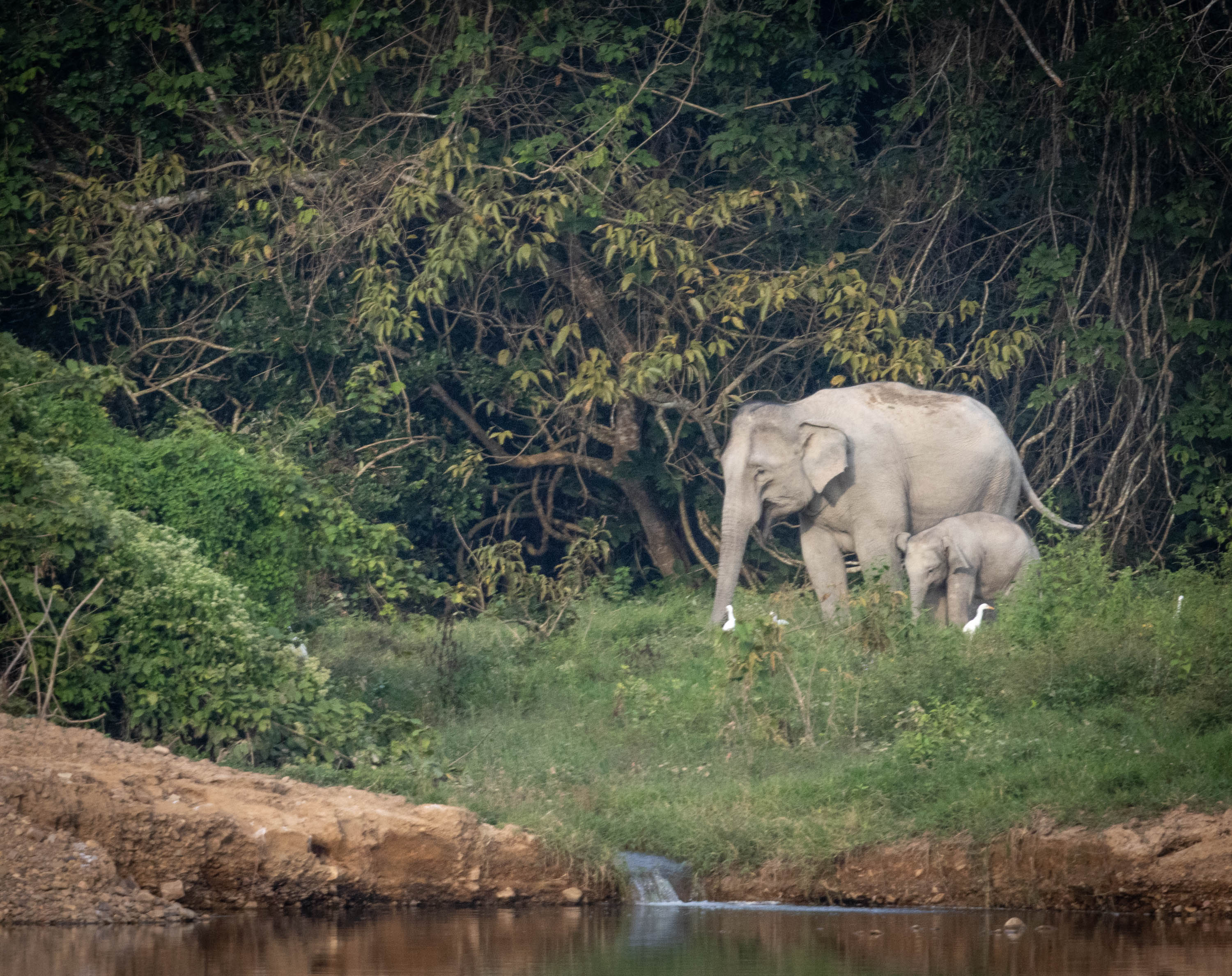

The late King Bhumibol Adulyadej, patron of Thailand’s conservation movement, encouraged the protection of elephants and their habitat at Kui Buri’s Park establishment address in 1999. “Elephants should be in the forest,” King Bhumibol said; it is humans who “must ensure there is enough food for them” where they live, safeguard them, and keep them from invading plantations where conflicts arise. Today there are a number of National Parks throughout Thailand where one can hope to see wild elephants in addition to Kui Buri, like Khao Sok, Khao Yai, and Kaeng Krachen National Parks.

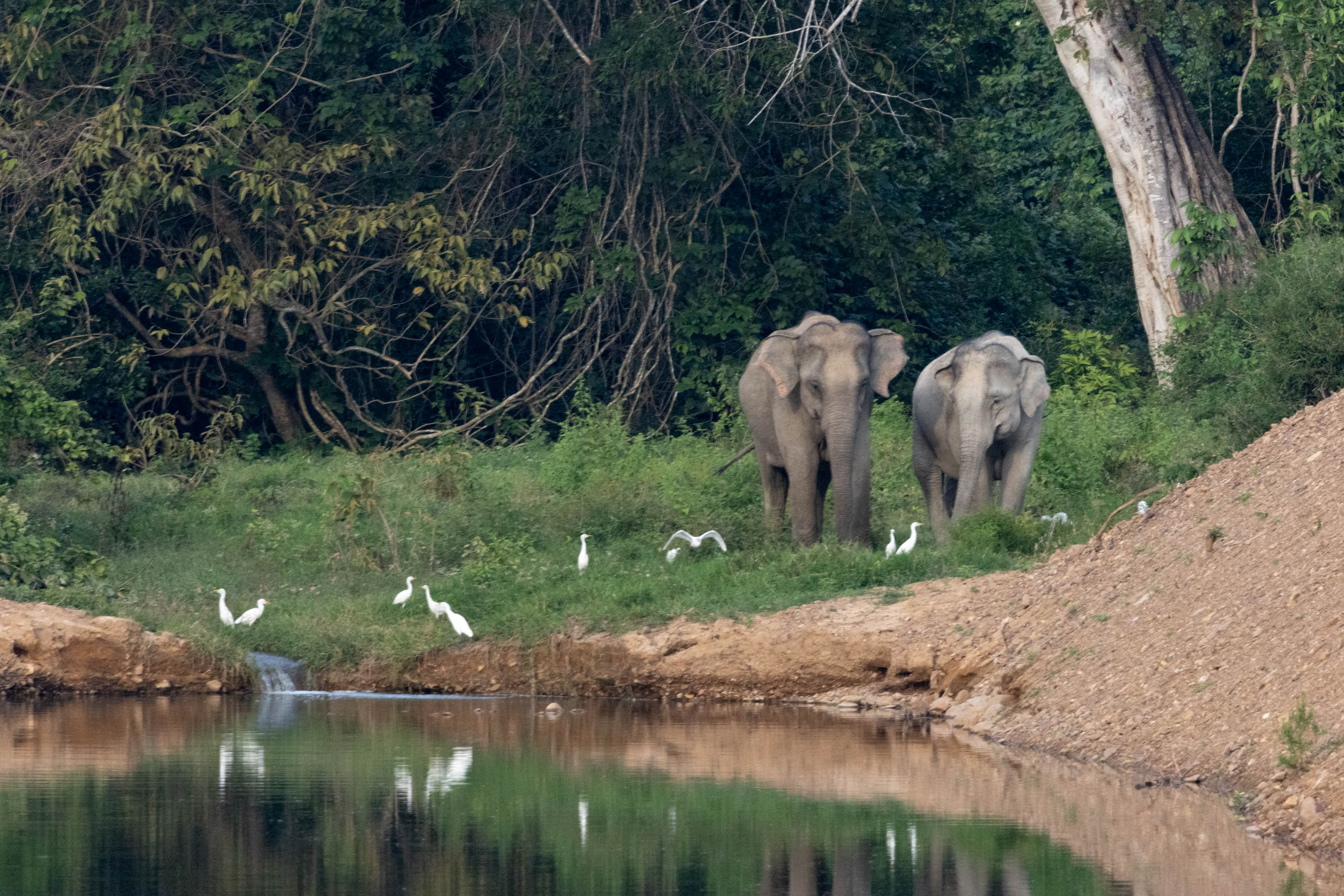
Unfortunately, it’s an ongoing struggle between elephants seeking food and villagers encroaching on their lands looking for income sources. Often villagers or elephants don’t survive the confrontations making it dangerous and difficult to coexist. While government assistance does help compensate for damaged crops, it can take years to re-establish.


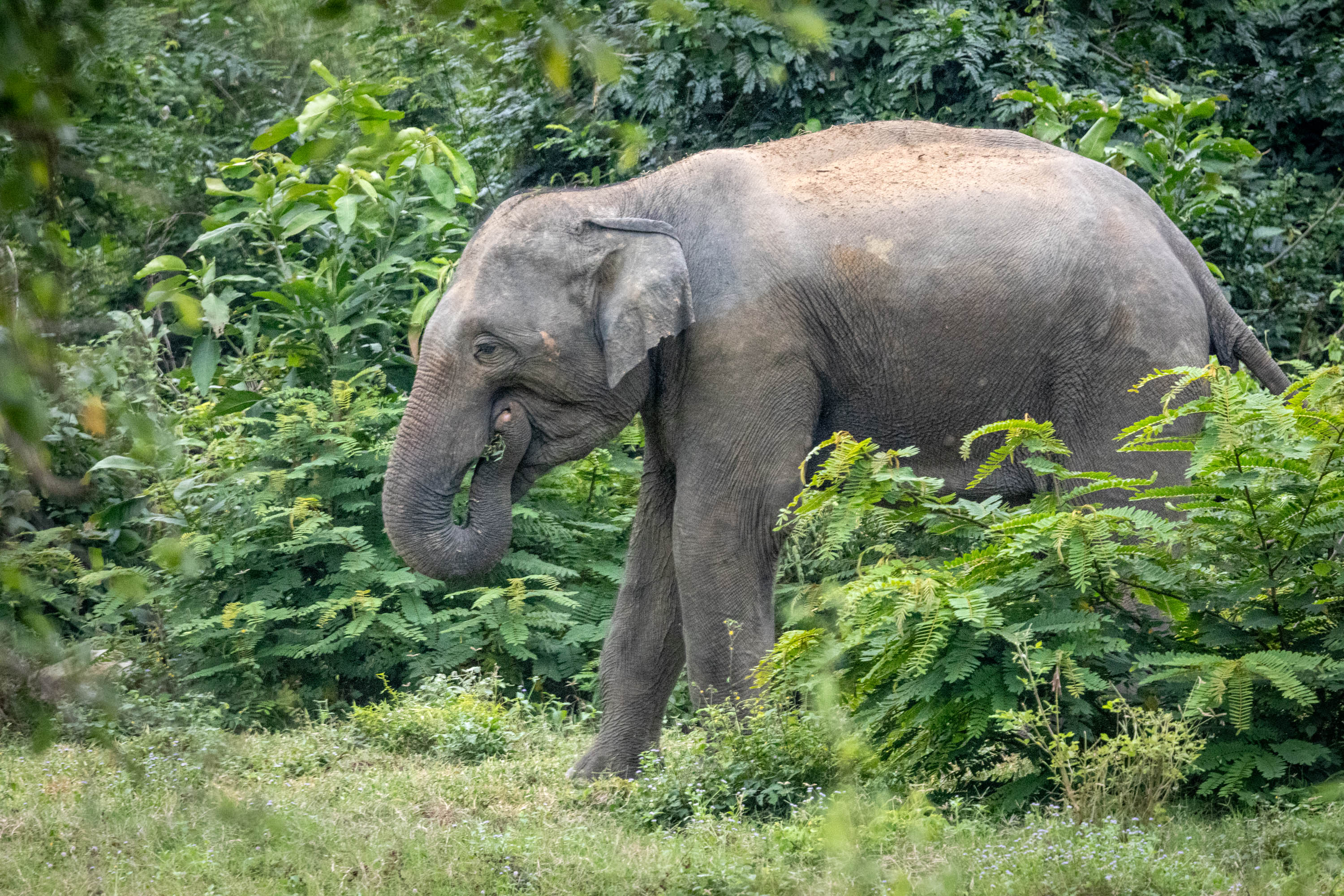
Building fences with noise makers or rows of natural tamarind tree barriers to ward off the elephants has helped to keep the elephants in their own habitat and not venturing into villages. It’s a constant battle between man & beast, nature & commerce. For us it was enlightening to see these magnificent animals in the wild, to learn their plight, and meet many villagers who work hard to maintain and care for these wonderful animals.








 kritterspaw