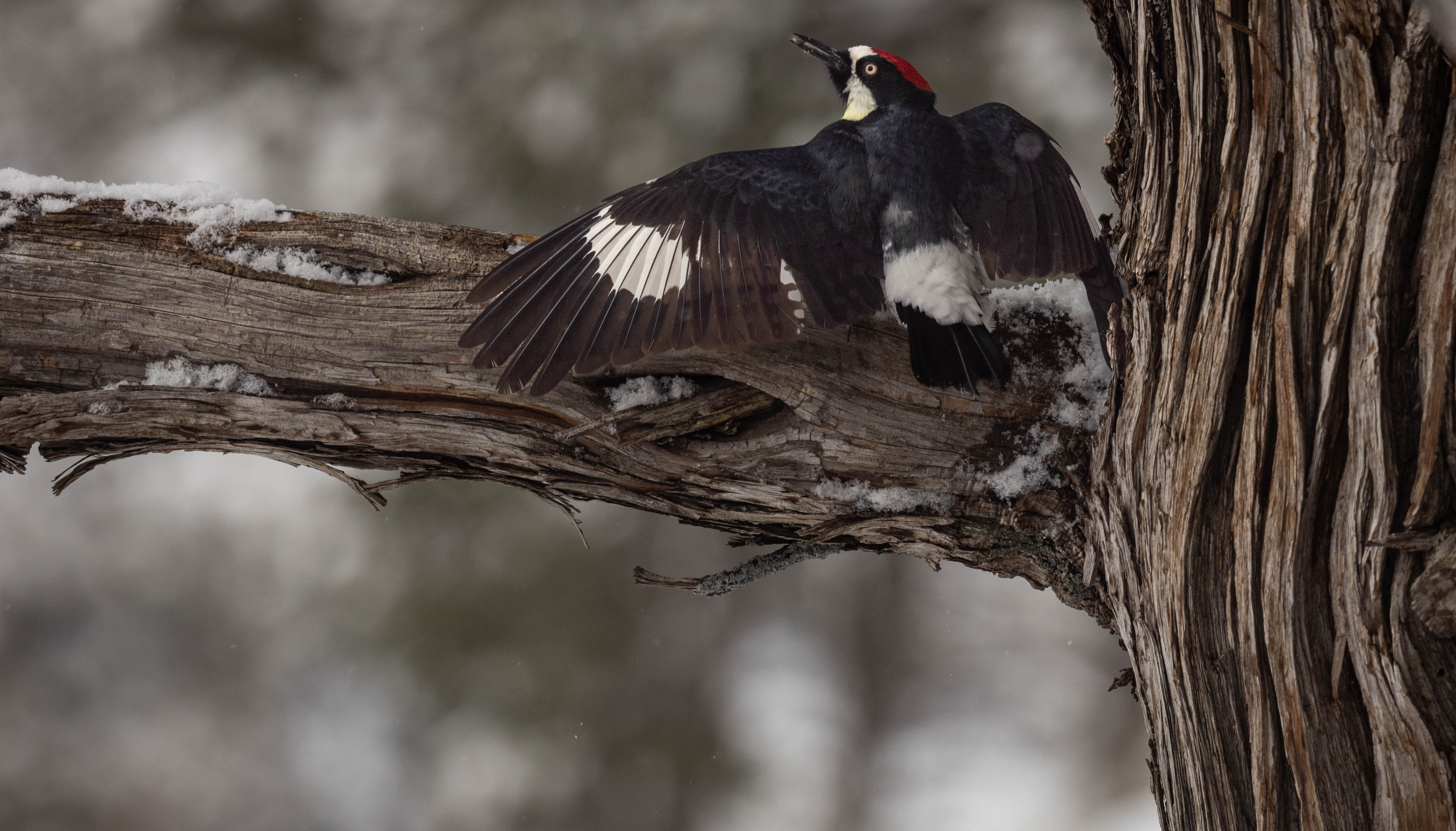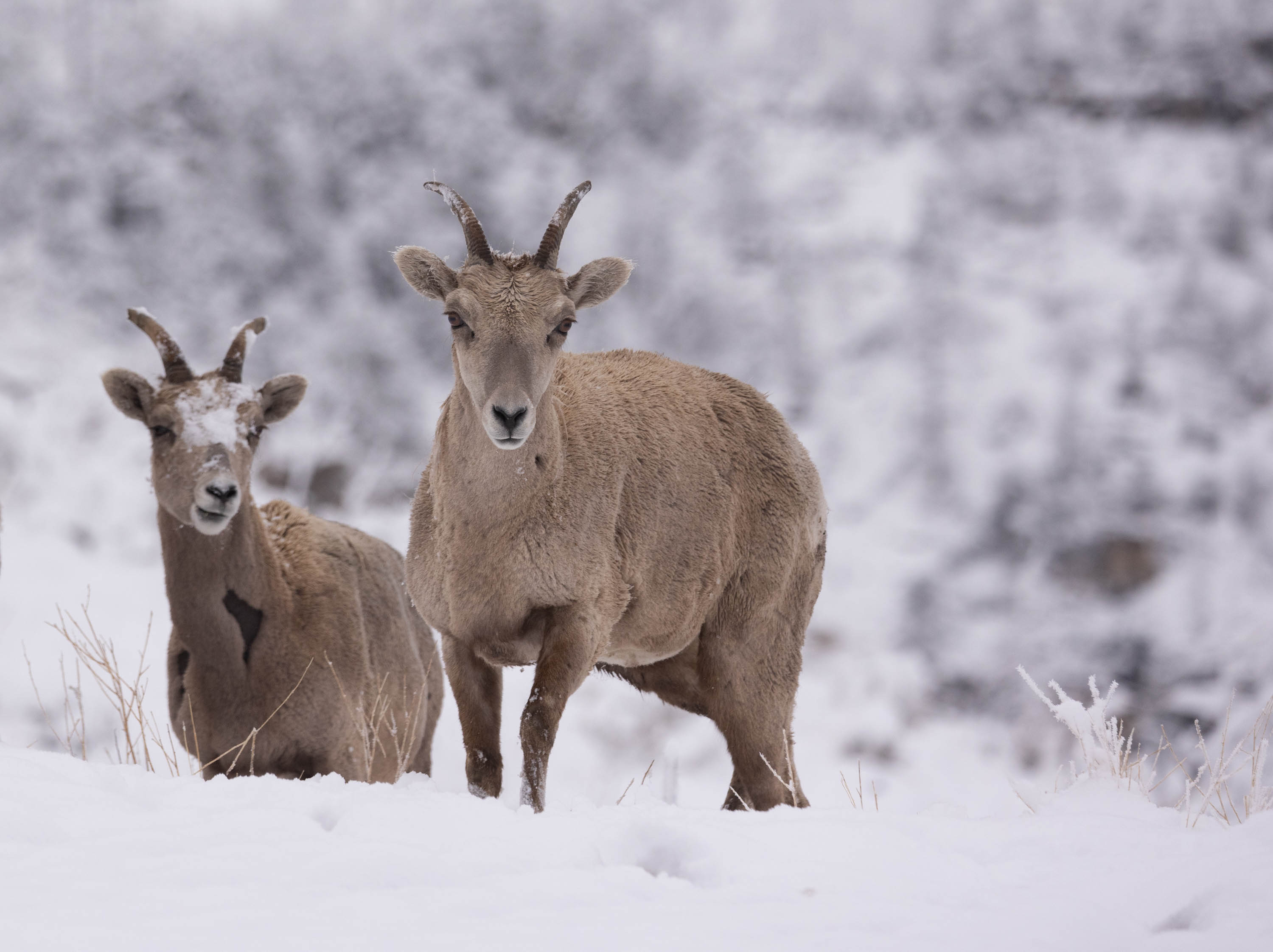
Let the Snow Fall

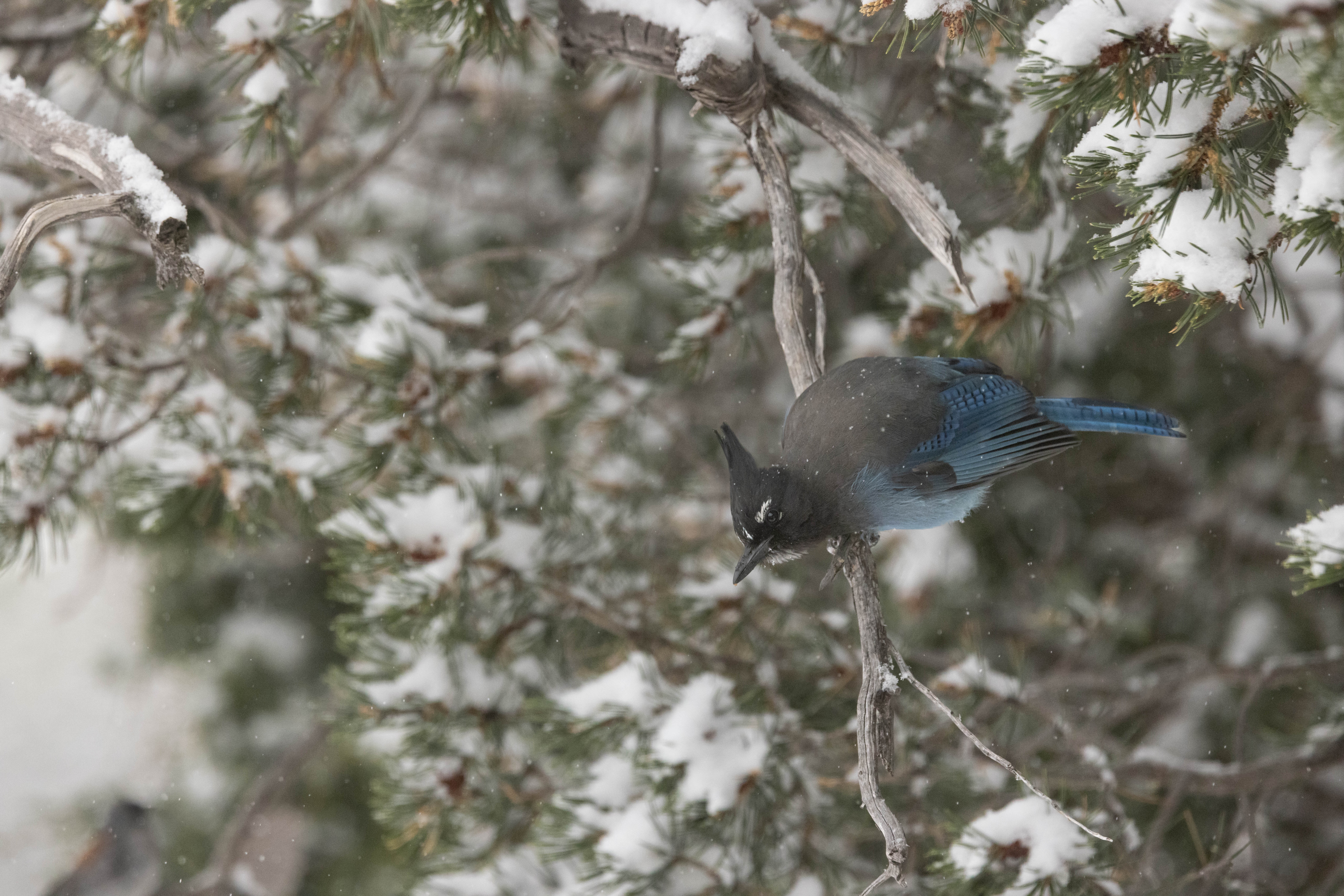
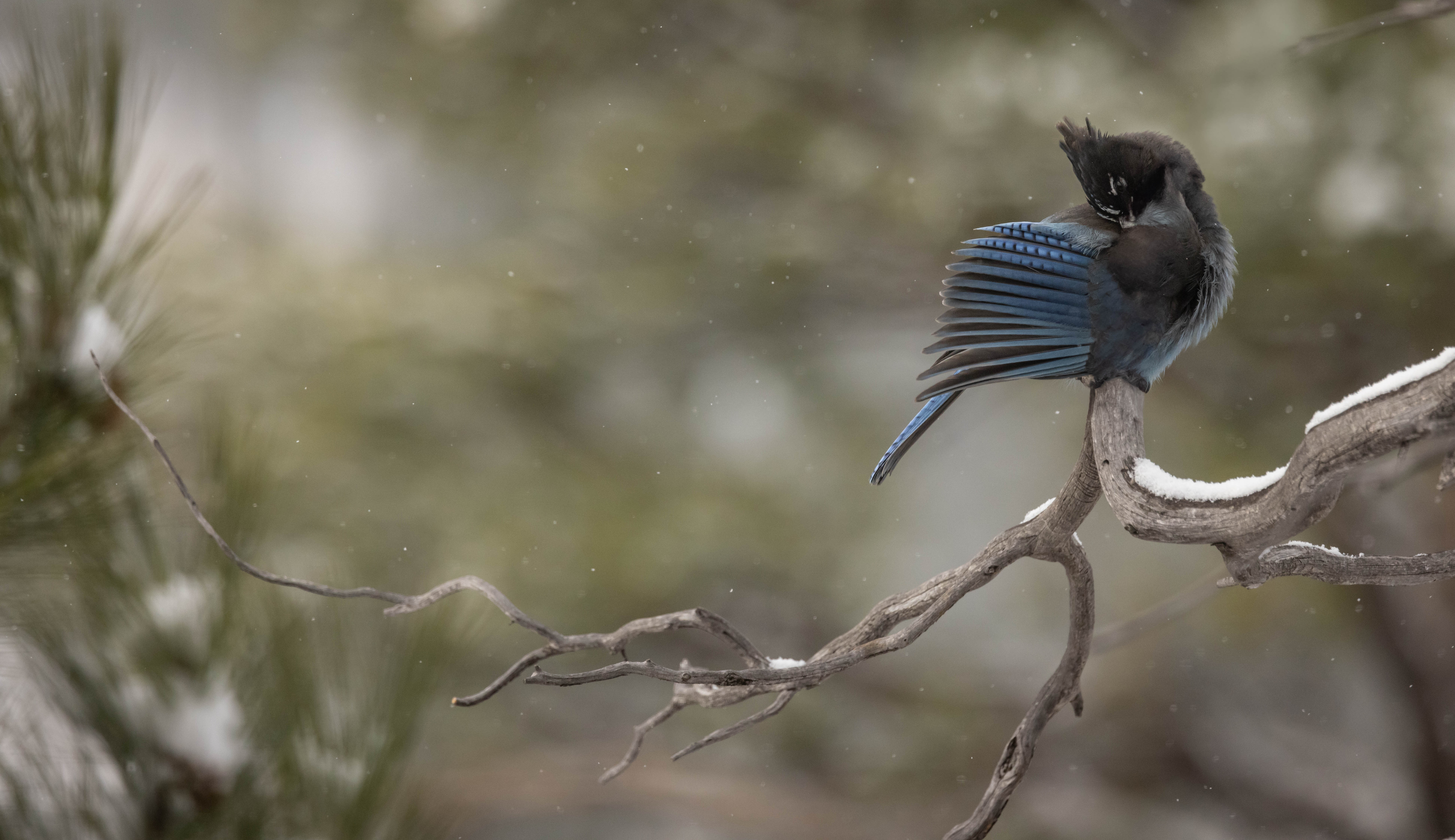
When it snows, we get going. Before it has a chance to melt we are out and about first thing looking for good light, great snow shots, and animals in the snow.
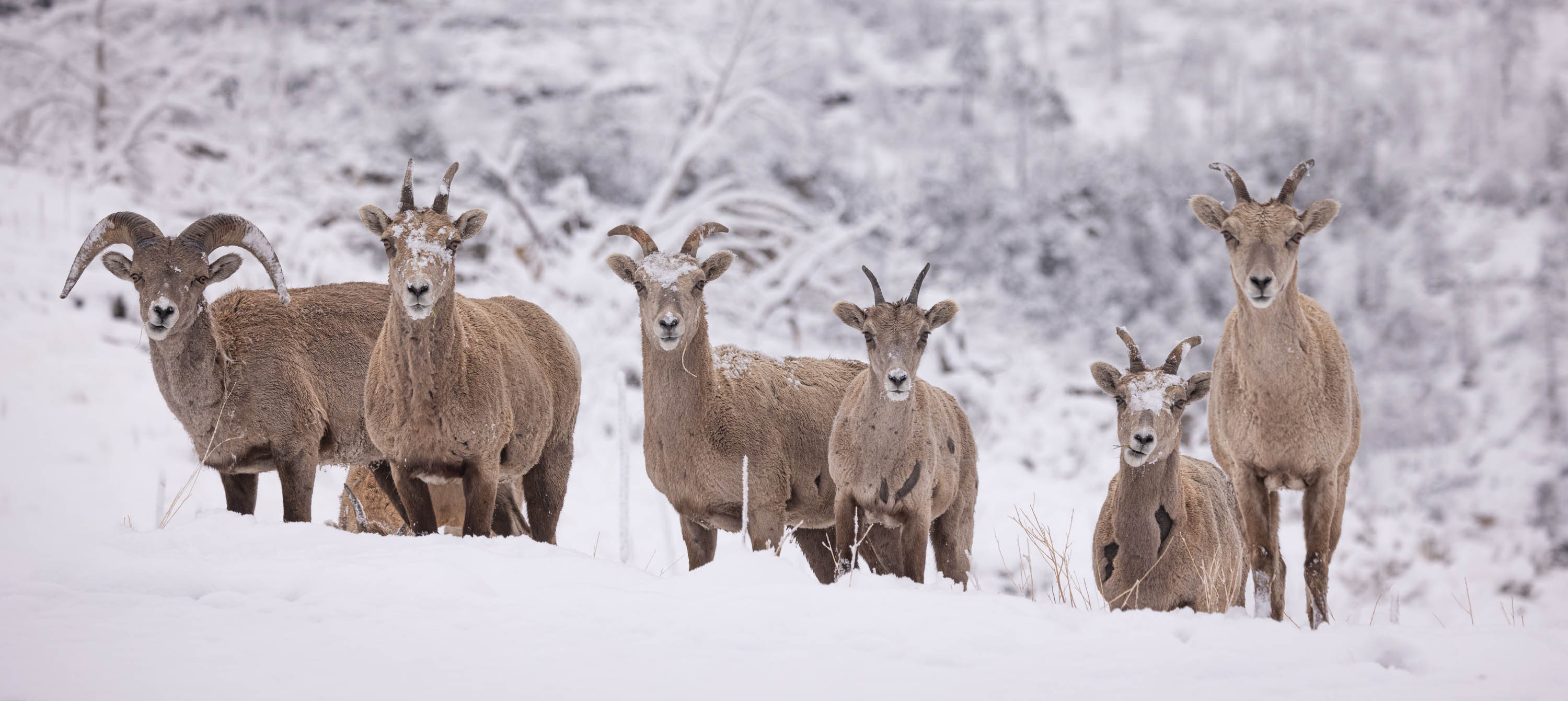
It’s pretty common for animals to hunker down during a snowfall. Once it’s over, they are out foraging for food. And we are keen to find them.
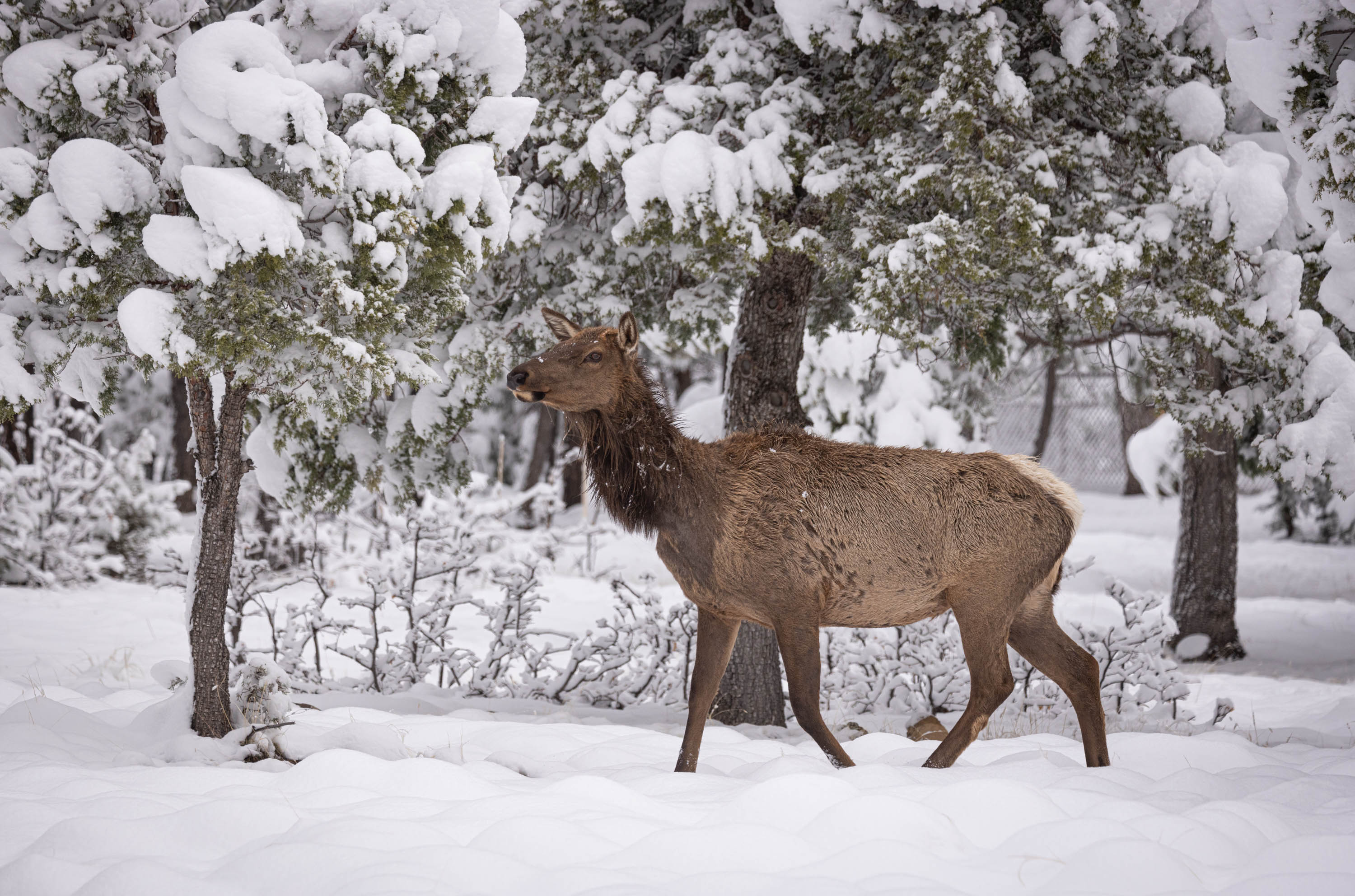
When I told a photographer friend that I actually just drove around looking for animals, he looked at me as if I was mad. I confess it takes a lot of time, and we spend a lot of time doing it. Sometimes you get lucky and it pays dividends.

After awhile though, you do find spots that tend to be more fruitful for different animals. I know where to look for antelope, eagles, osprey, and elk. It is WILD-life so nothing is predictable, but repeated outings make me more consistently ‘lucky’.

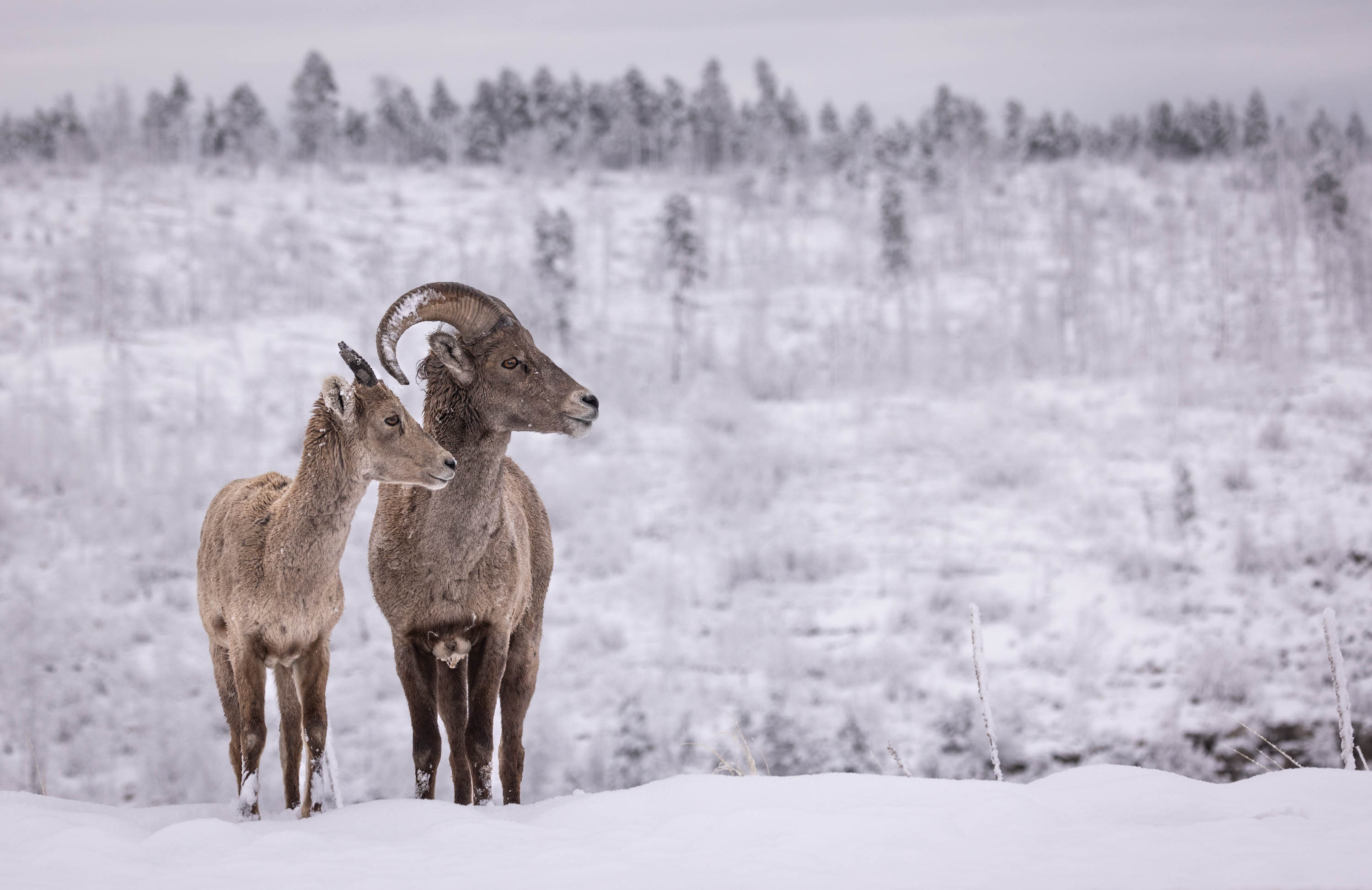
We left early, just as the sun started breaking the horizon (about 6:30am) and wandered around for hours.

Honestly, it’s rewarding just to be out in the beauty of nature. I never used to like snow, but have come to appreciate and enjoy the gorgeous fresh snow clinging to the trees and blanketing the forest. When I see the animals emerging from them, I appreciate that this is their gorgeous home that we live in together.
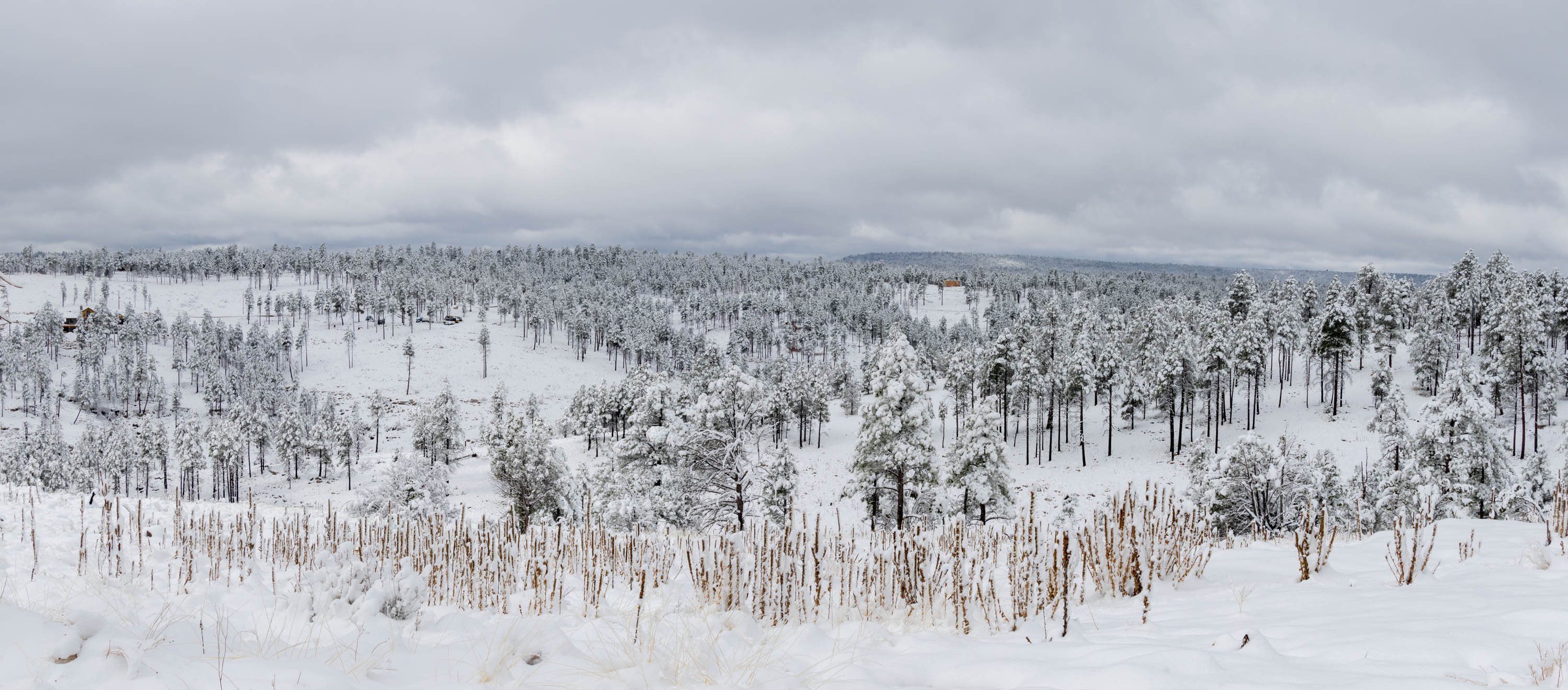
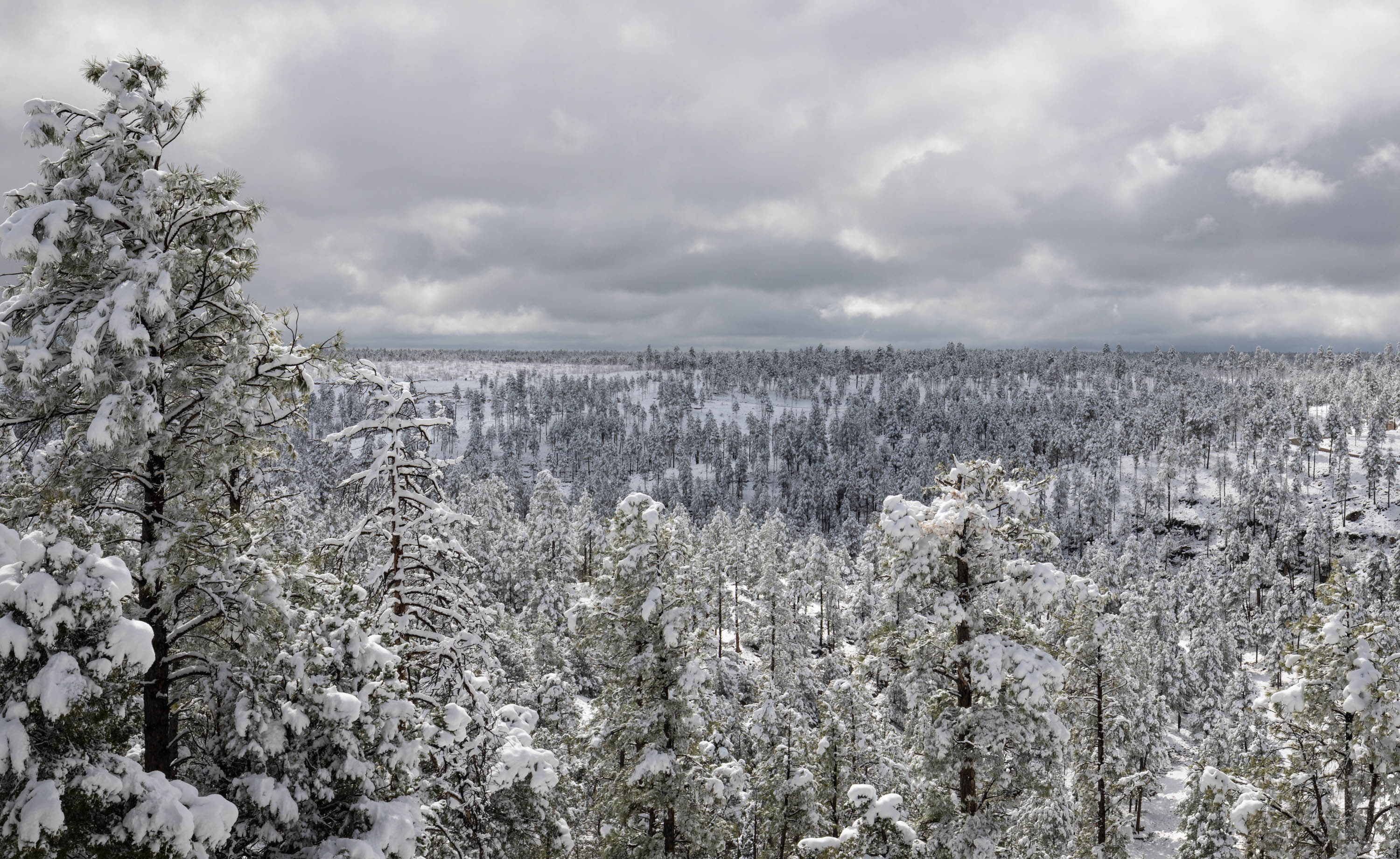
It’s a beautiful thing.

See more photographs of my snow outing here .. https://kritterspix.com/2025/04/19/snow-sheep/

Birds In Flight (BIF)

Believe it or not, BIF, is actually a category in Photography.

It is reputed to be a challenging and difficult field. Following our trip to Whitewater Draw for the sand hill crane migration, I decide to make it an objective to enhance my skills.

The bigger the bird the easier the task, as they are easier to focus on. Having said that, focussing on any bird in that brief snippet of time that it flies from here to there requires quick action to capture the bird in your camera sights.. and focus immediately, while the bird is in view.

Moreover, it requires get a well composed, clean shot, devoid of distractions, and sharp in focus. Preferably the you can see the full bird, being sure not to cut off the head or wings, and ideally be able to see the bird’s eye and head.

While these are not hard and fast ‘rules’ their are guidelines I employ in my shots. Sometimes, though, you get what you get. I prefer to get the bird coming into the frame, but when panning to capture the bird, sometimes you miss. One has to decide if the photo captured is a ‘keeper’ or trash depending on it’s ability to tick all the boxes of a good BIF photograph.

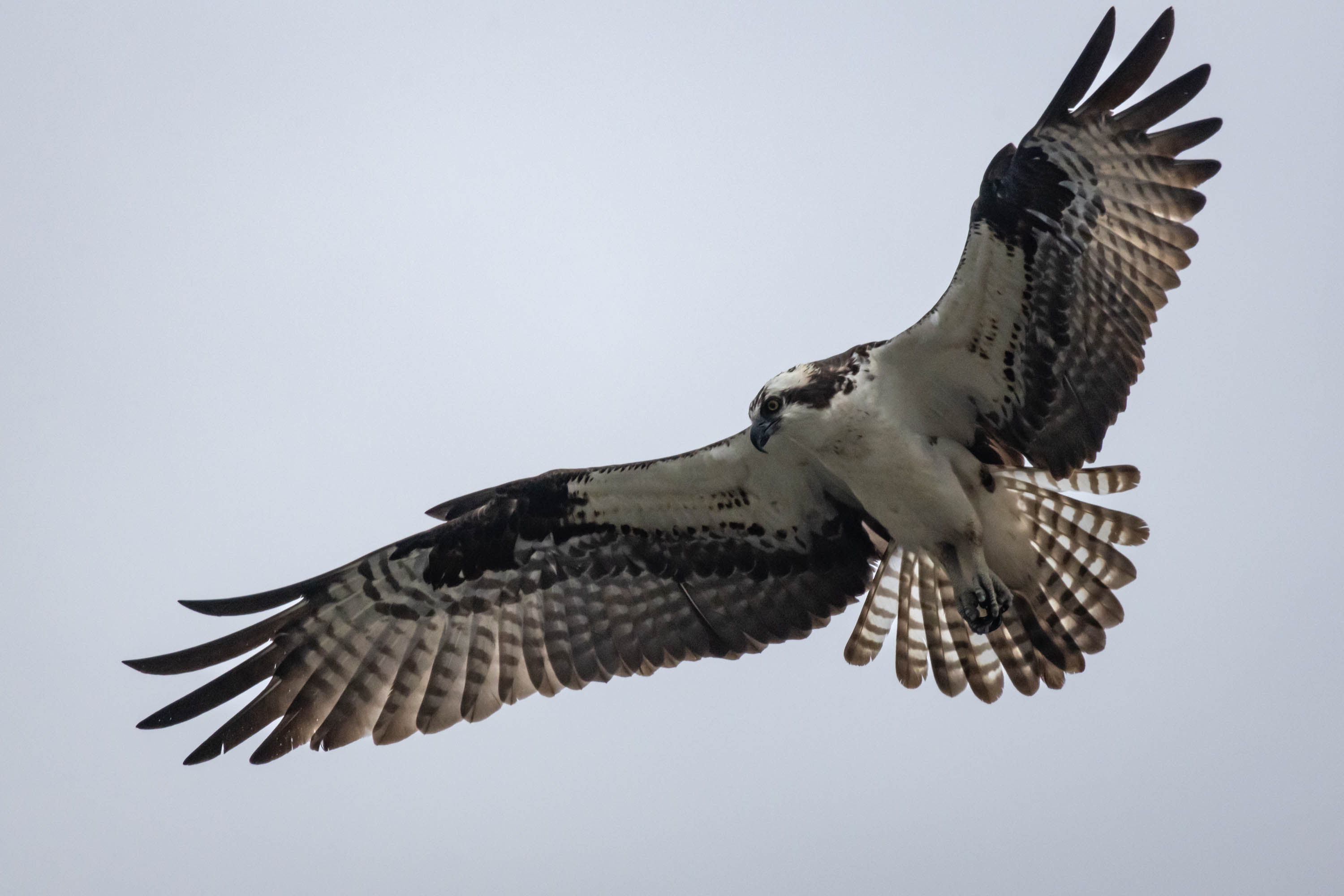
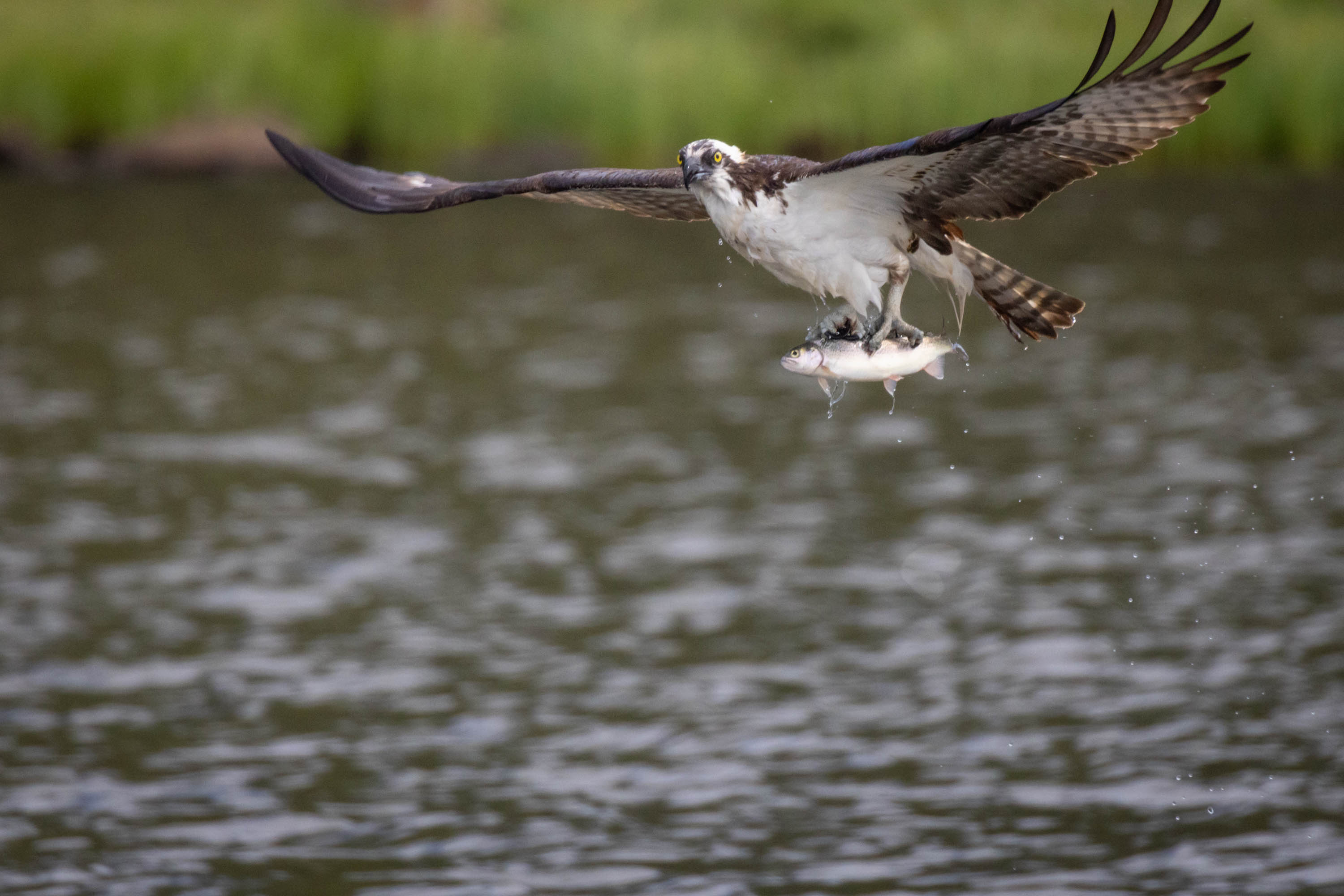
I find the most useful tip in capturing birds in flight is spending time to watch their behavior so that you can anticipate their flight. When I shoot osprey, their tell tale signs of a dive, are their hover, then dive, shake, then flight (hopefully with their coveted fish).

For smaller birds, your often will see a crouch-down prior to flight. They go quick, though, achieve focus prior to flight and follow them with the camera.

And finally, and probably most importantly, is – it takes lots of practice. Practice helps you to achieve capture and focus quickly. Find a good spot, sit, wait, and shoot. Repeat.

Worst case, spending time in nature is always relaxing and rewarding.