Fall Colors

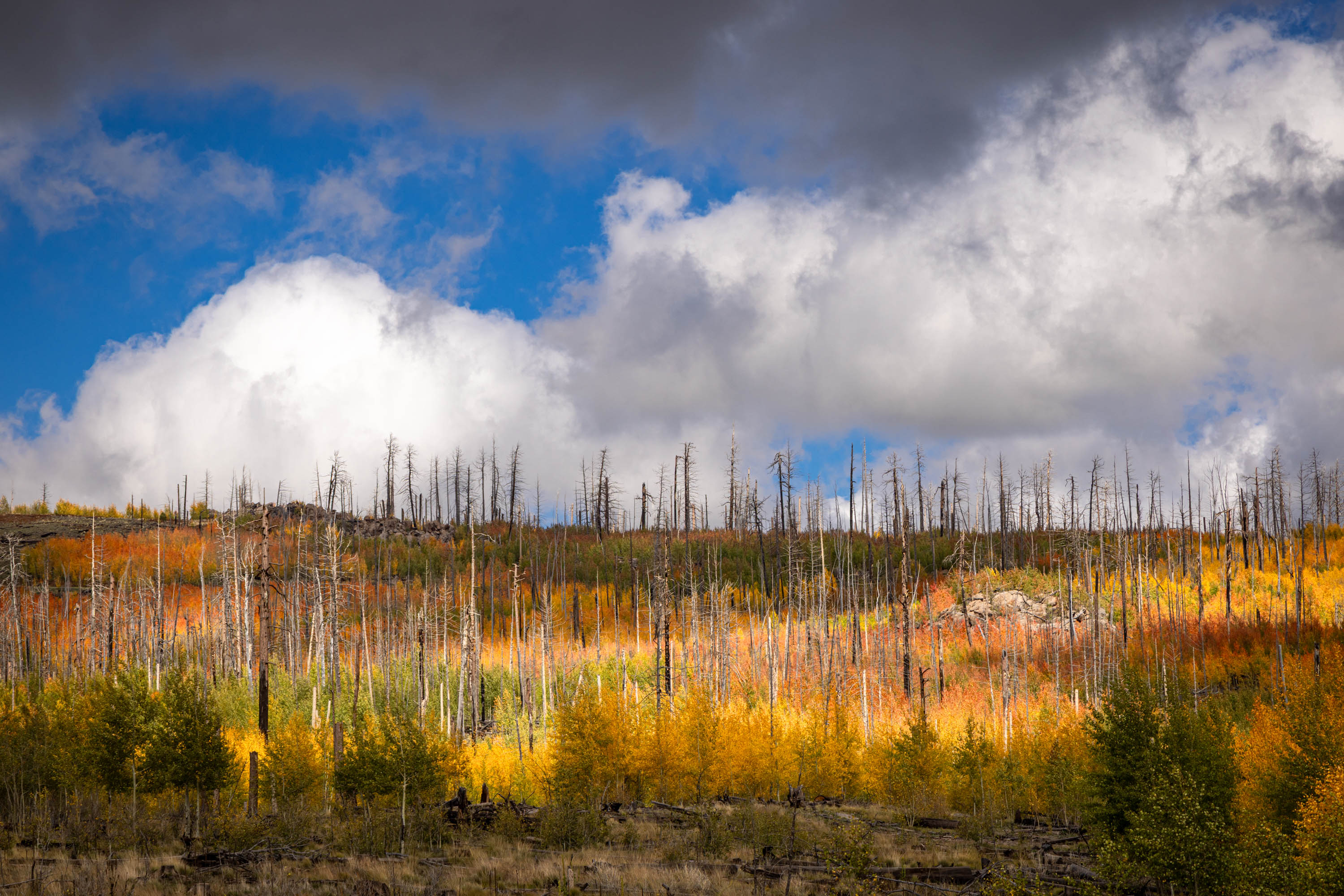
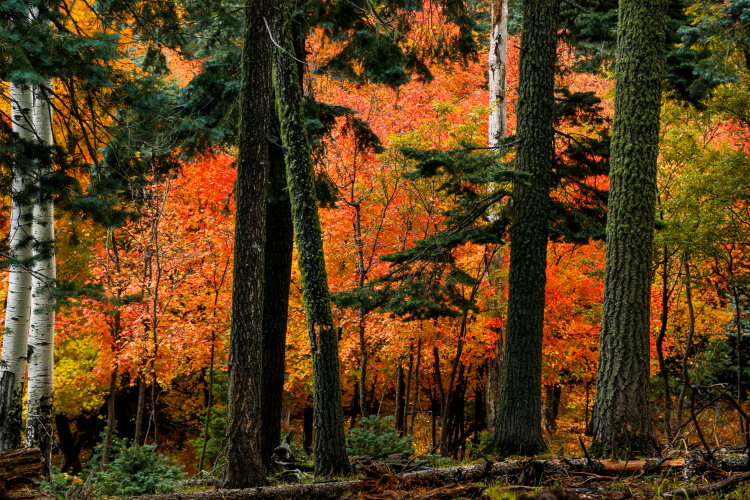
‘Tis the season. I love fall colors, but I do confess to struggling to capture her true essence. I get in front of all this colorful beauty and get overwhelmed and struggle to put it in proper photographic perspective.
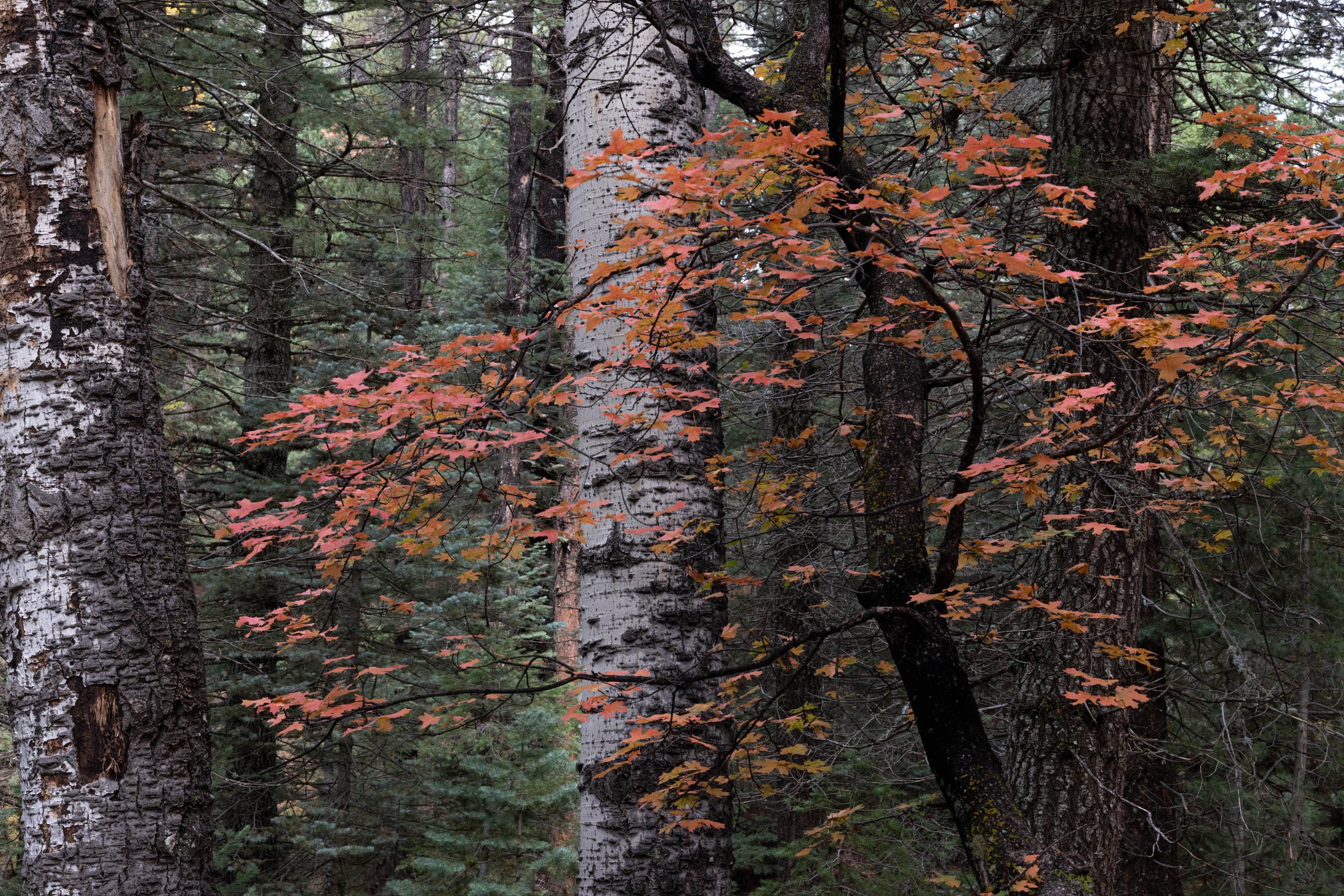
Fall colors can be so cluttered with the fallen trees and scraggly branches. It’s hard to pick out that point of interest to make the photo pop.

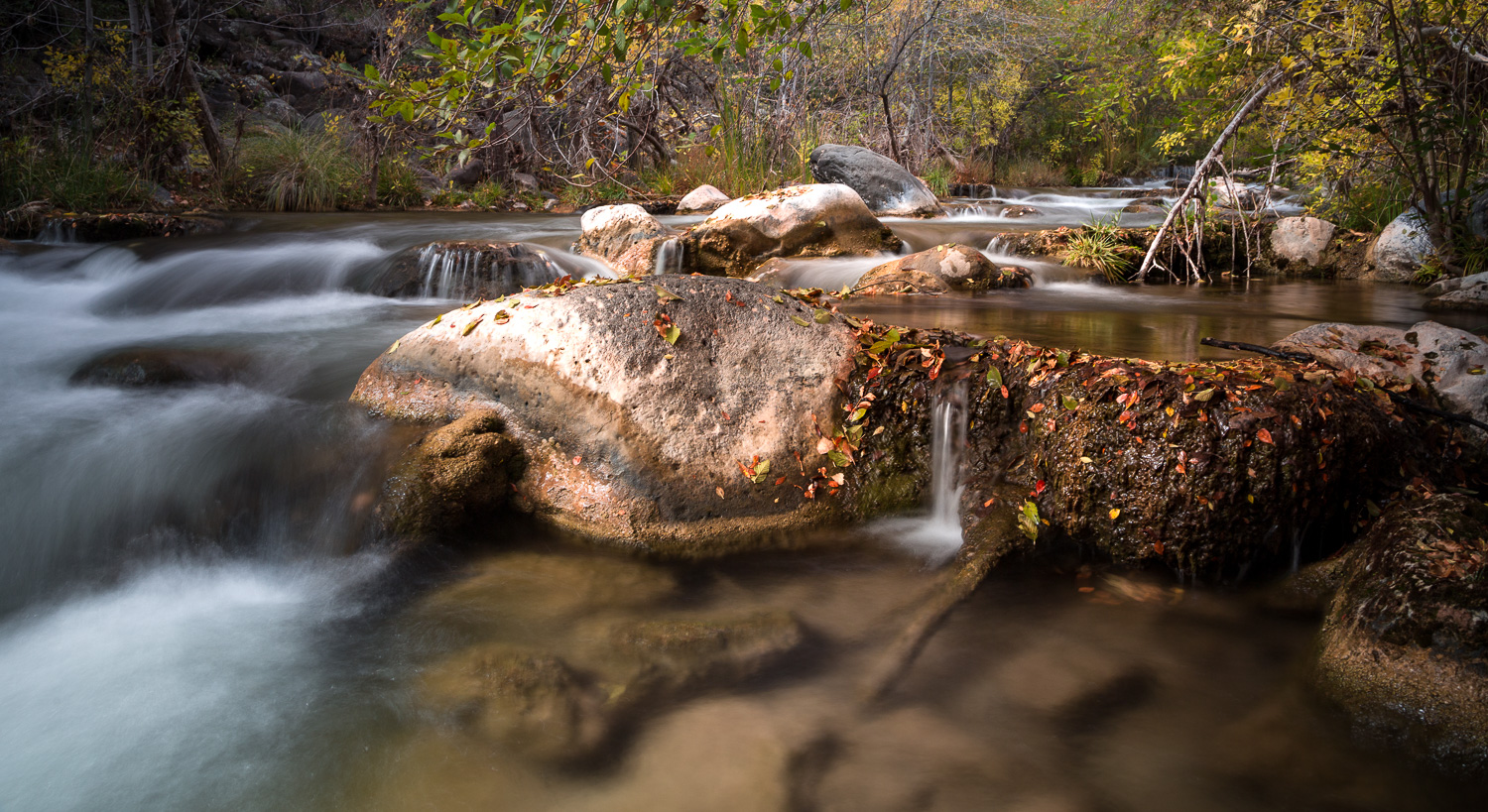
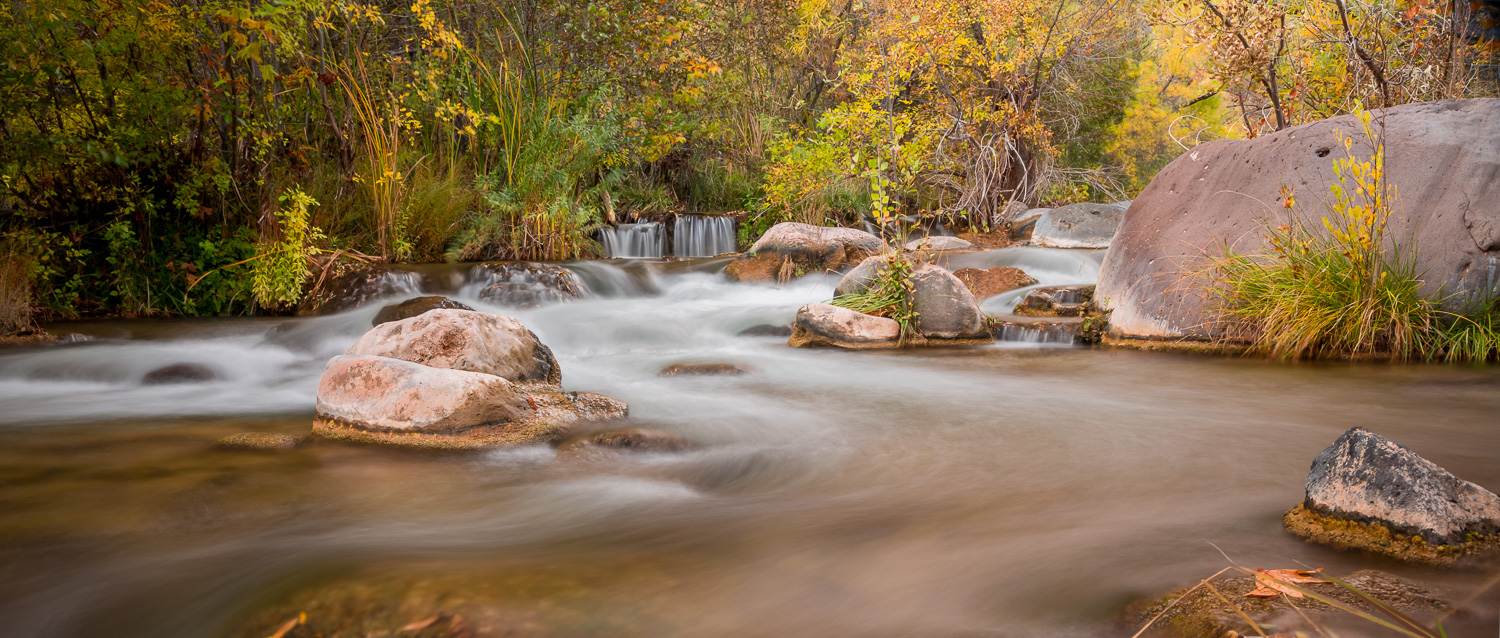
Sometimes isolating an individual feature is easier on the eye, making it easy to discern the subject.

If I can use contrast of color or texture it helps to pull out the subject.

I love a ‘grand landscape’ of fall colors, but some forests are too thick and ‘messy’, so one has to find various methods to pull out the color to convey what the eye sees.
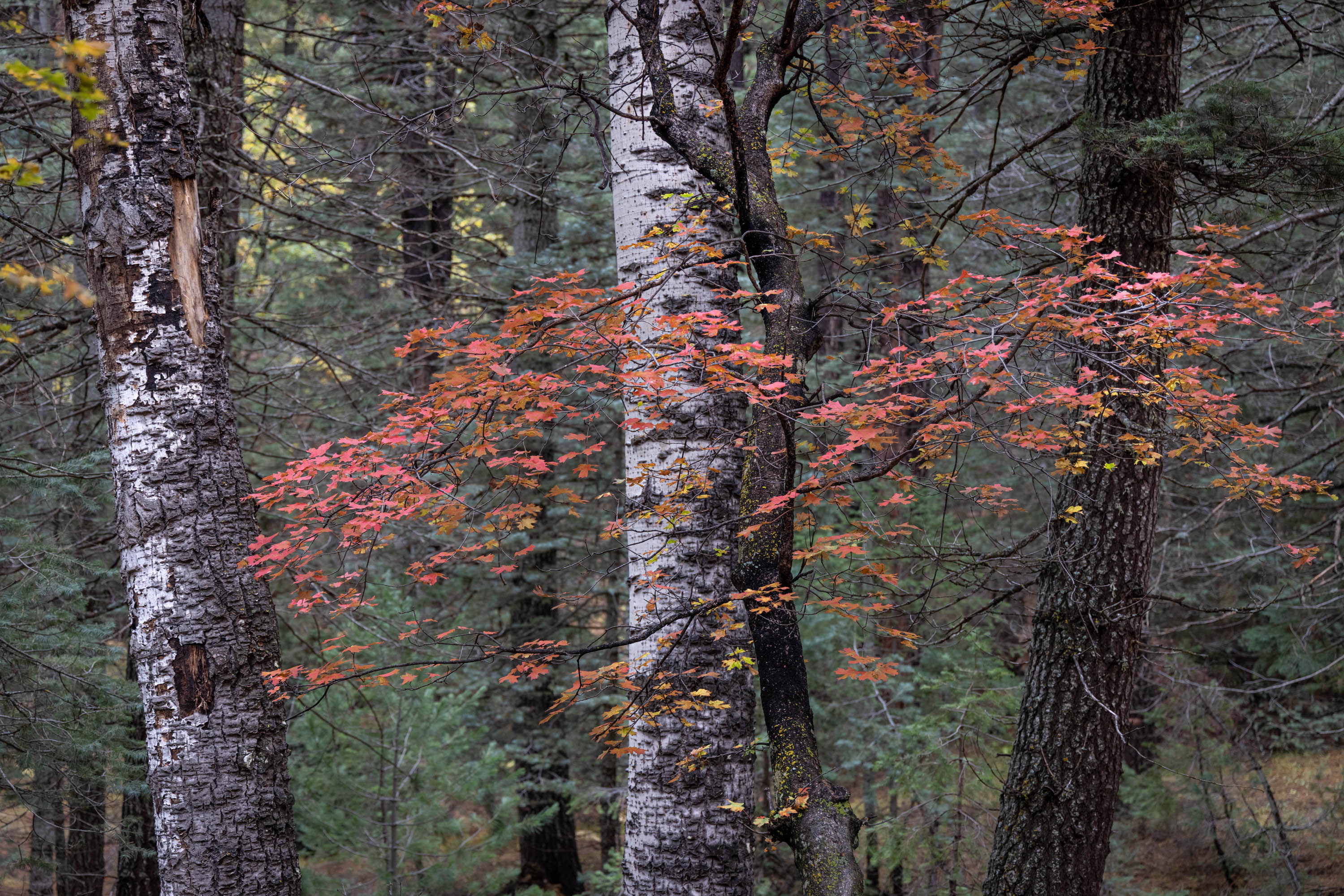
Different forest and scenes yield different challenges, so we tried to visit multiple areas for fall colors, and with any luck hope to continue our quest for more fall colors before the season ends.
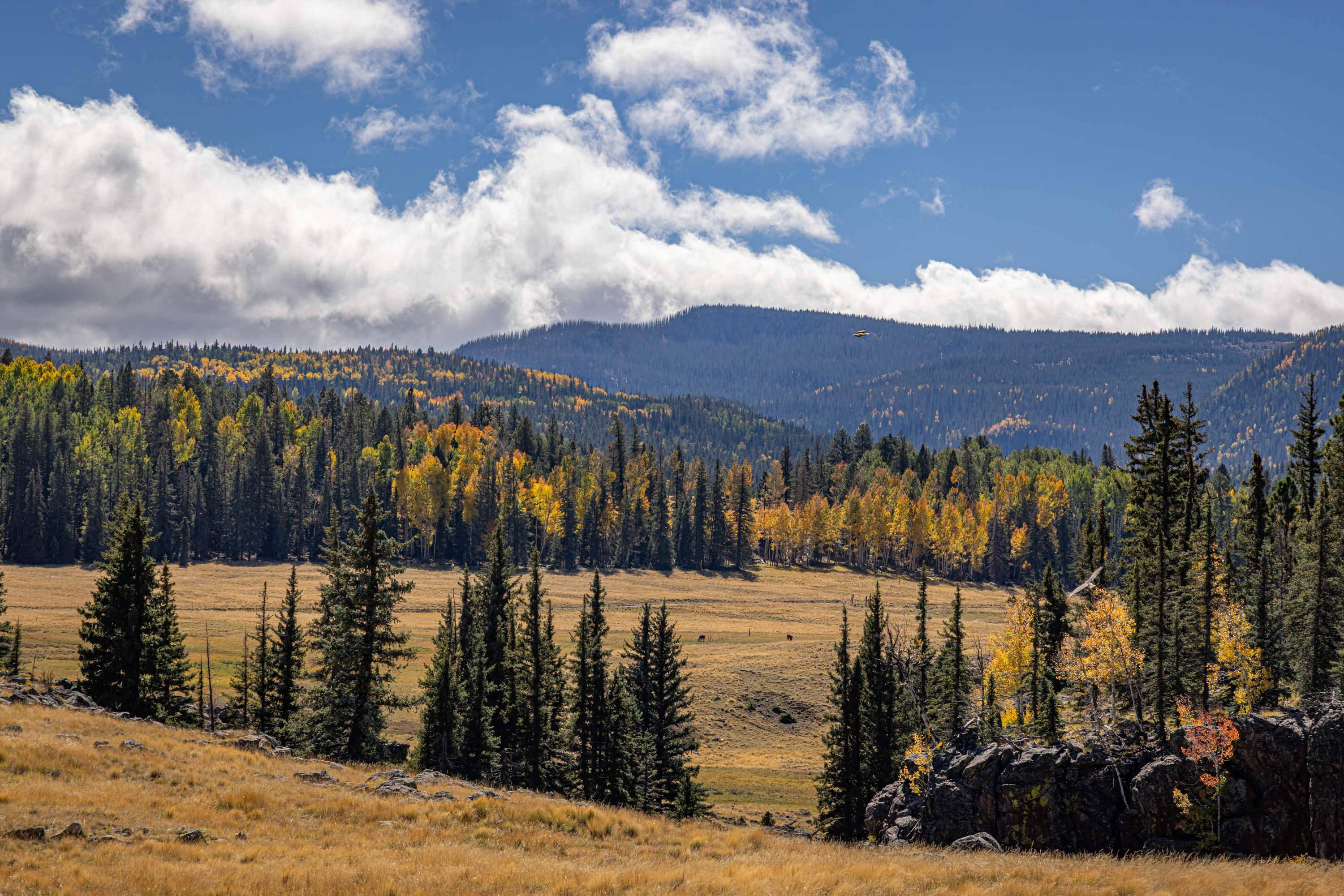
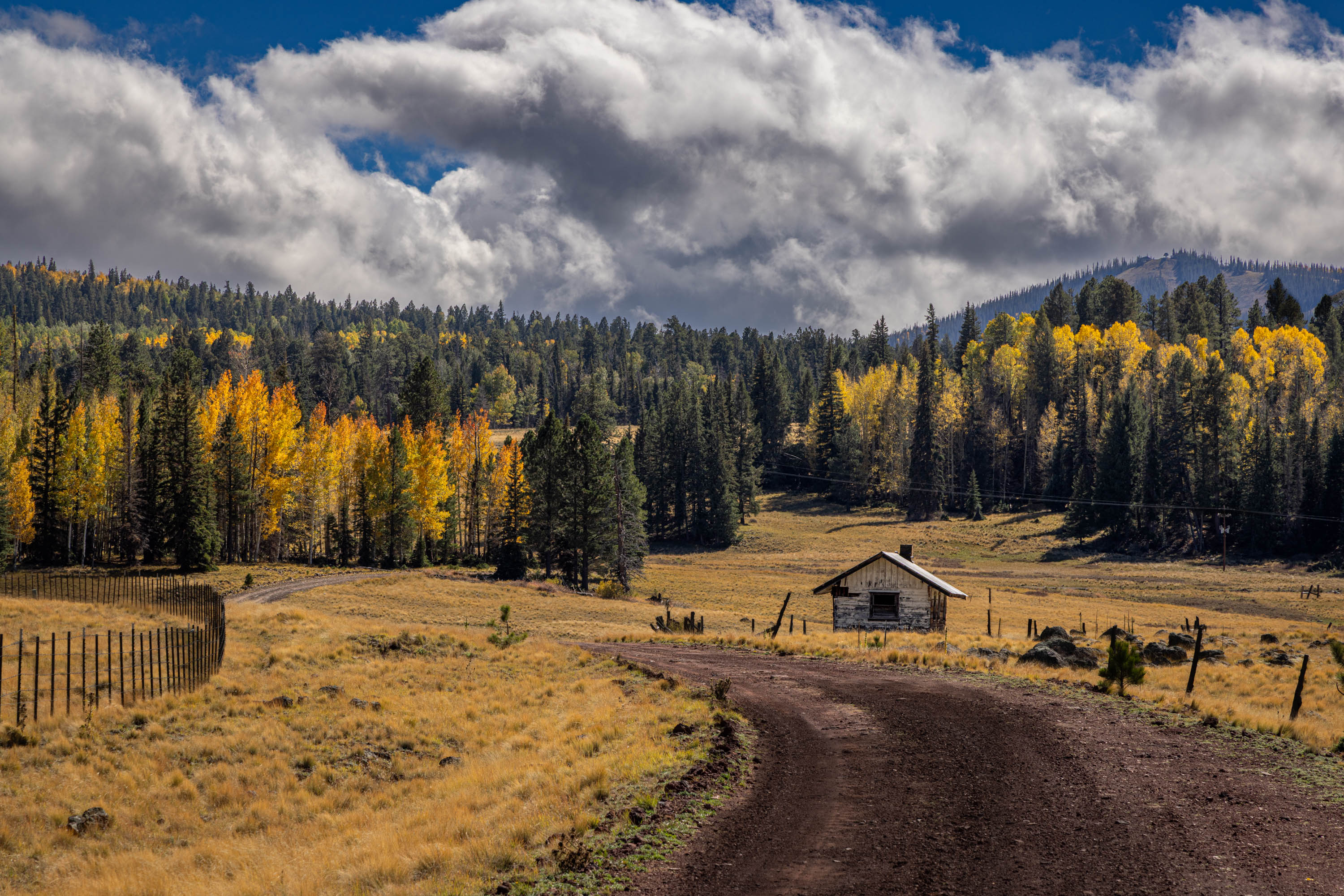
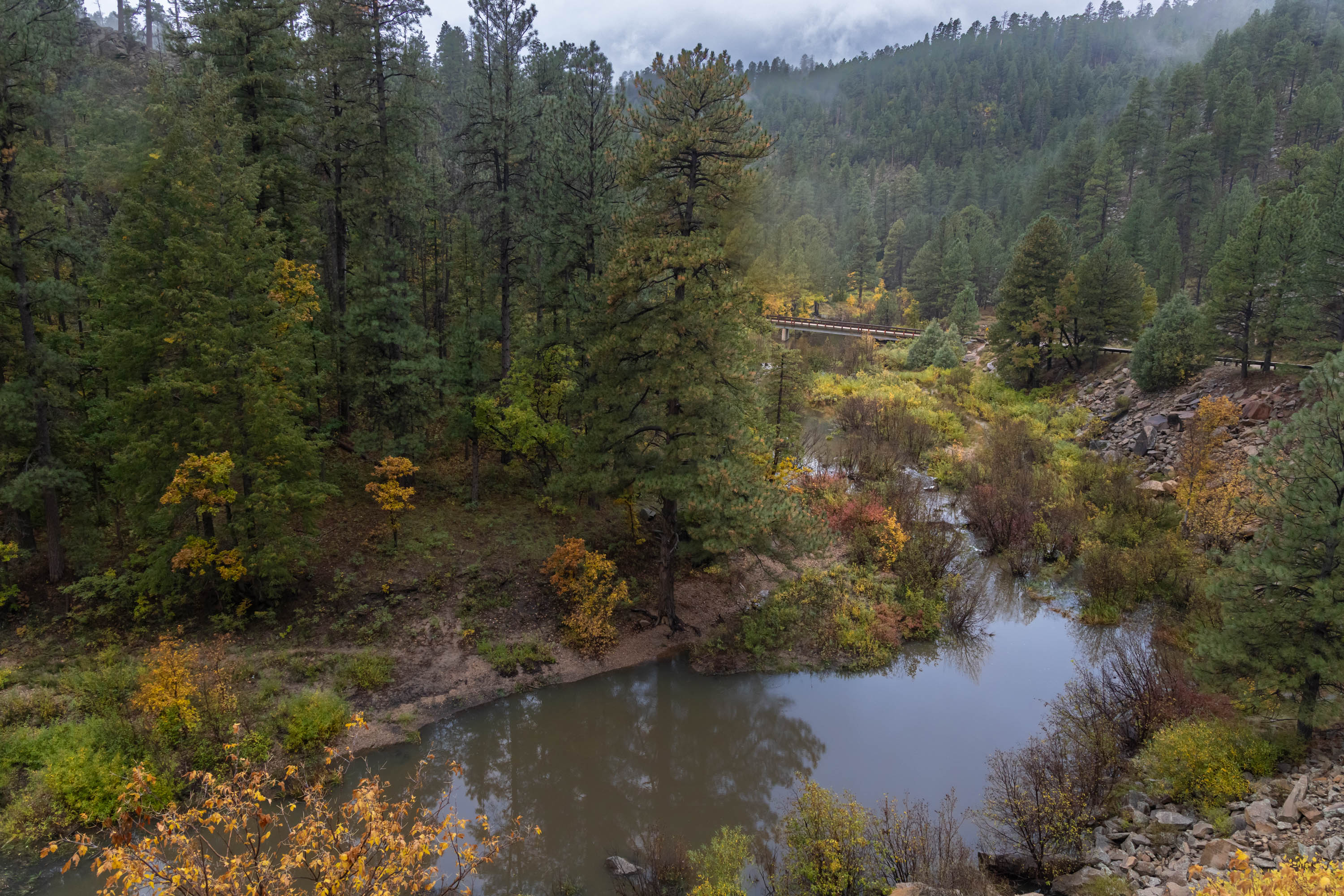
Grand landscapes that allow you to step back and take in the view are glorious, but often harder to find, dependent on where you are.

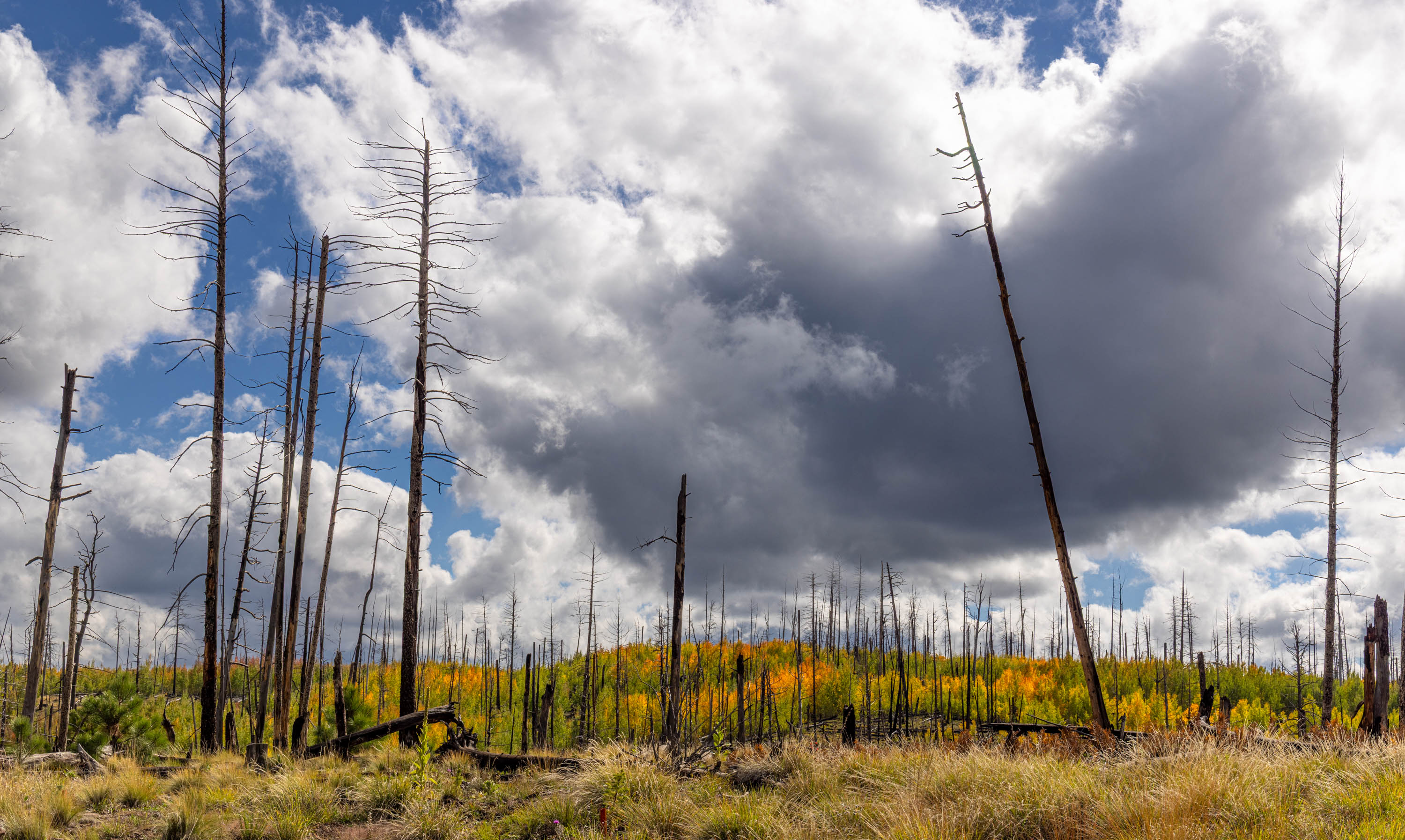
Whether you take the photo from far or near, it helps to have layers of color, textural elements, and subject matter.
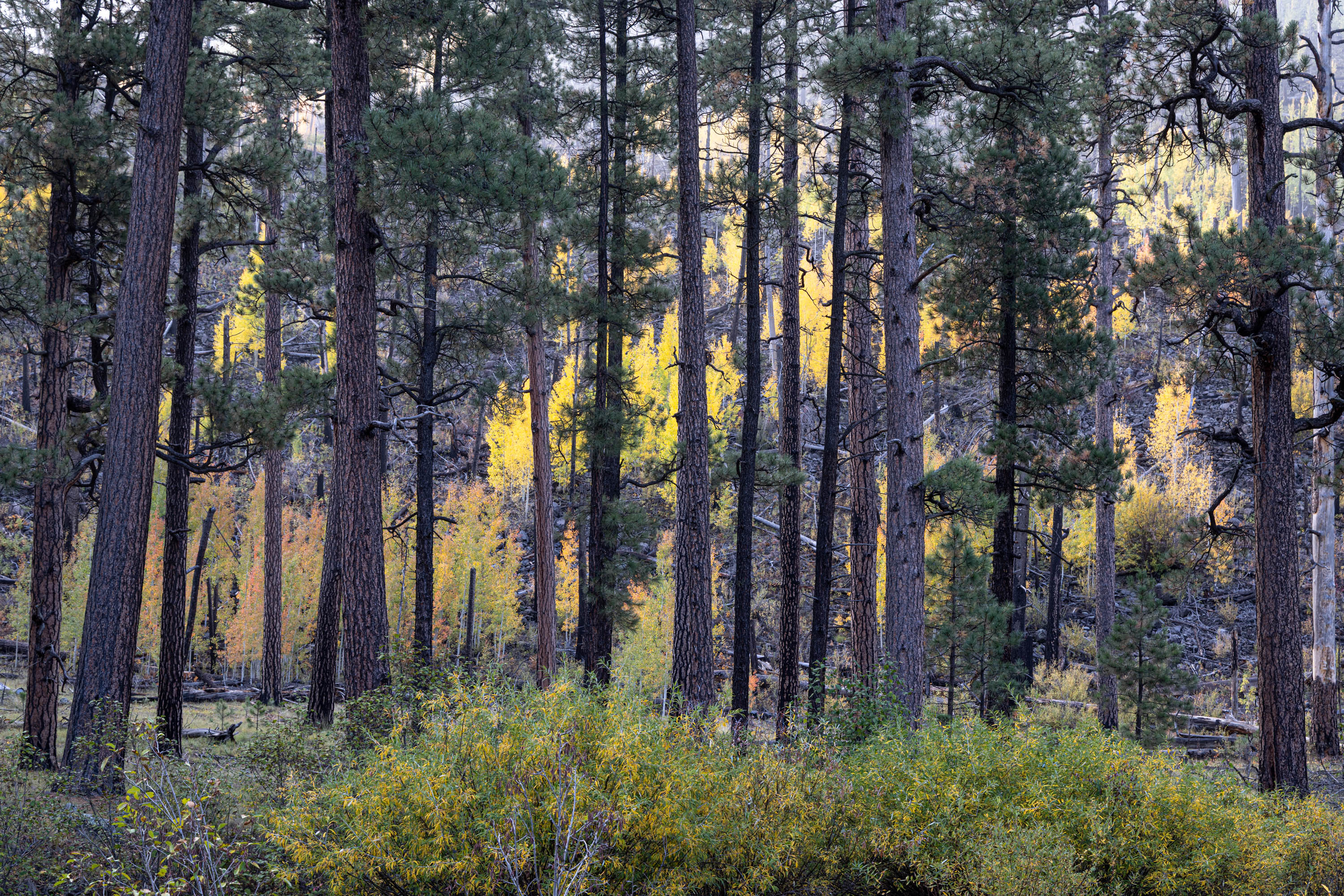
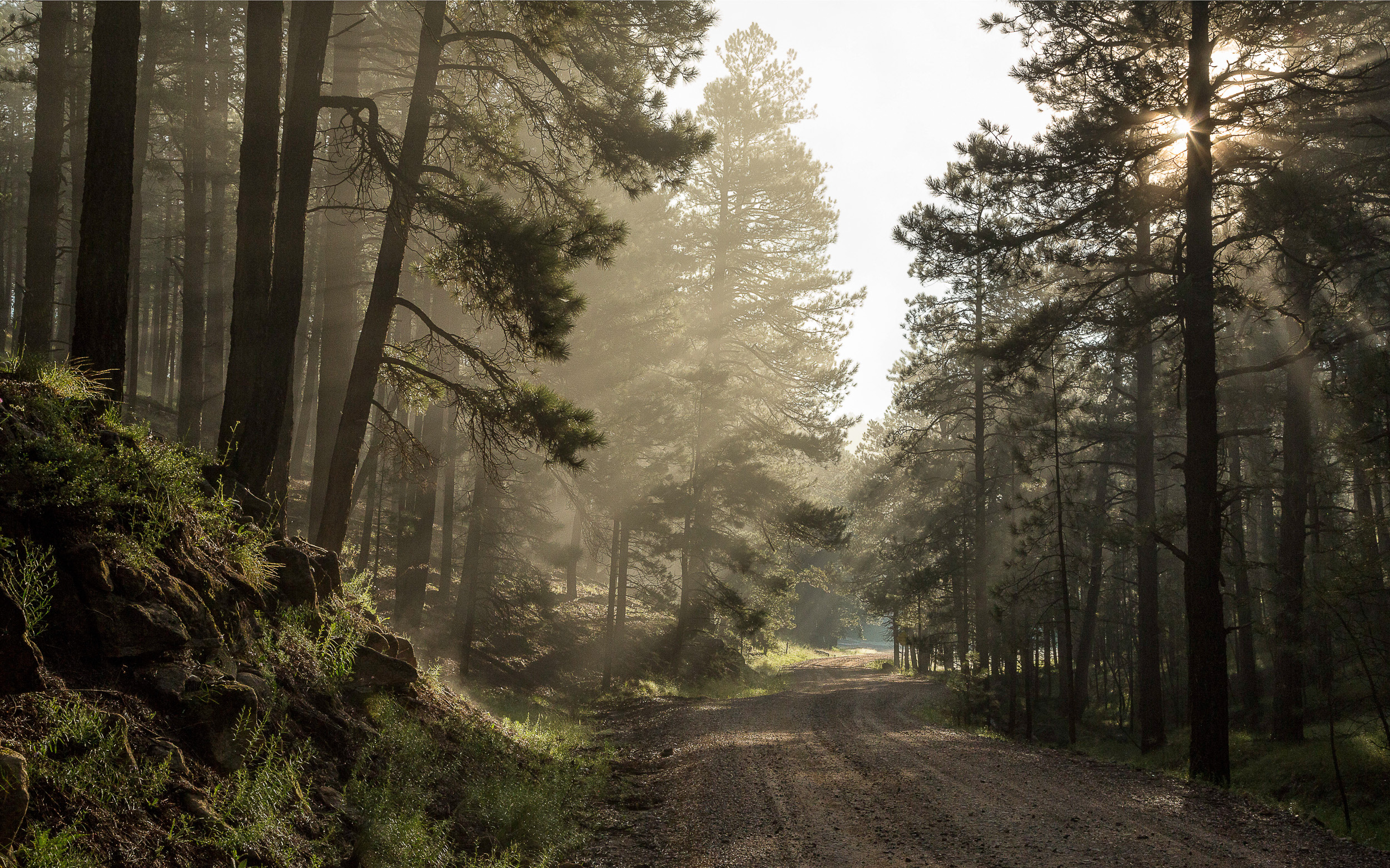
Lighting is important, whether the subject is backlit or front lit. Well placed light can help to isolate the color and subject and make it pop off the page.

The best times to capture good lighting is dawn and dusk when the sun is low and casts a nice glow. If one waits until mid day the lighting becomes harsh with strong highlights and shadows making it difficult to separate the subject from the background.

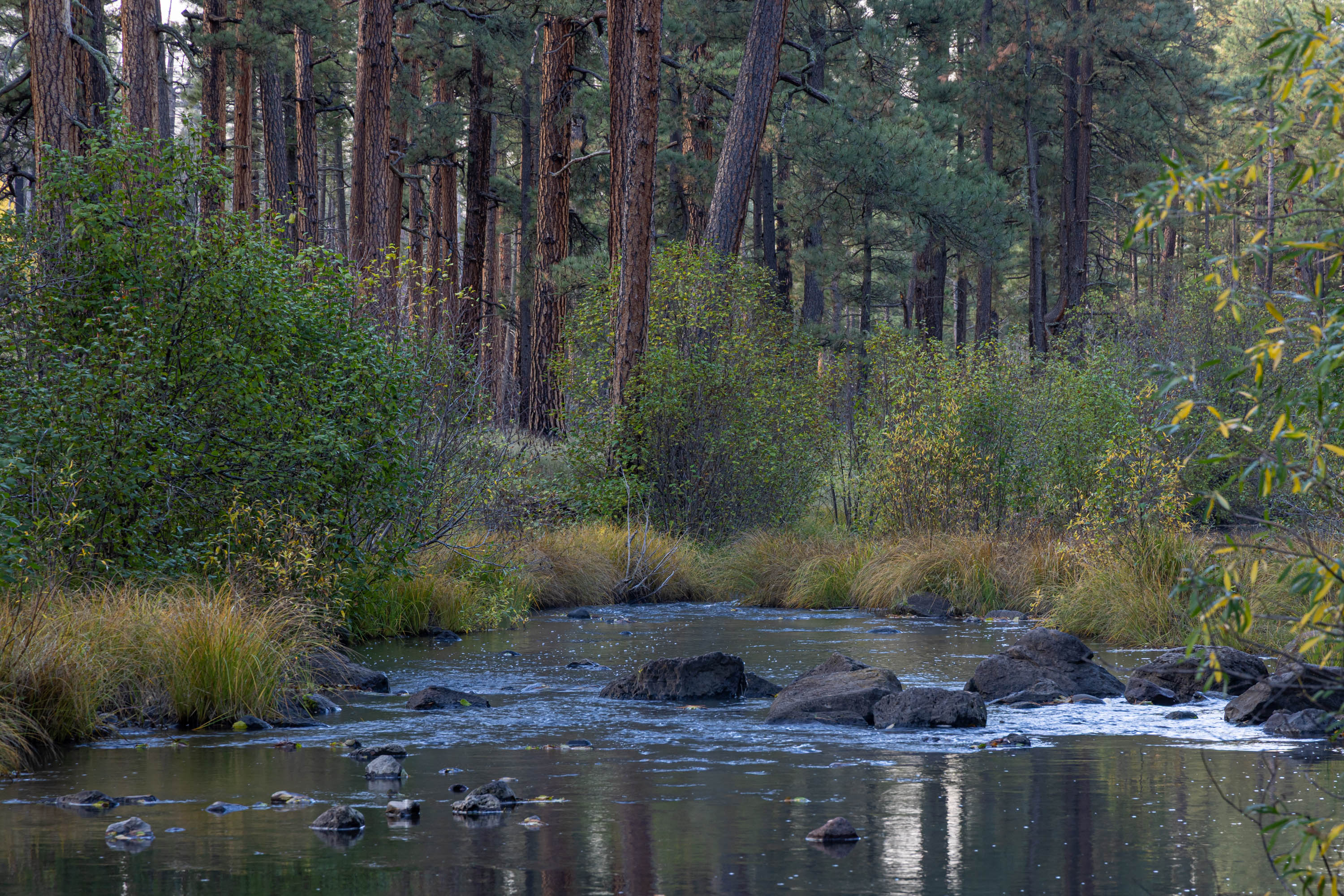
With a little luck and patience one might get some fog or clouds that lend to the moodiness of the scene, helping to establish sense of place, and emotion.

Whatever magic and concentration it takes, it requires getting out there with determination and focus to create the imagines, as they rarely come to us sitting around at home.

Wall Worthy Landscapes

Recently, I was faced with the challenge of choosing a photo for a house-warming gift for a friend. The decision was discerning as I had to contemplate the best of my photos, and what makes a wall-worthy photograph. I could choose a dozen photos, ask a dozen people which is their favorite, and get 12 different answers.

Below are a few of my, Arizona only, favorites:

Haigler Creek
Haigler Creek

Good photographs should evoke emotion, perhaps find the viewer imagining themselves there, or recalling memories from their own experiences.

Moqui Draw

It could be someplace they have been before, or reminds them of someplace they have been, perhaps the Grand Canyon, Lee’s Ferry, or Lake Powell,

Toroweap, North RIm Grand Canyon
Badger Creek Falls, Marble Canyon.
Lake Powell, Gunsight Point

If the recipient of my photograph was particularly fond of water pix, I might pick something more water-centric.

Fossil Creek
Fossil Creek
Blue Ridge Reservoir

A photograph might ‘strike’ the viewer with an emotional reaction of serenity, spirituality, or excitement.

Mogollon Rim
Mogollon Rim

A picture tells the story. A good photograph tells a story of a time and place, and perhaps the challenge of producing an image.

Oak Creek, Sedona

These pictures are not necessarily my best… but ones that I might (or have) put on my own wall

Mogollon Rim

Beauty is in the eye of the beholder.  It bears noting that, while i am fortunate enough to have had a number of photos published, none of these picks have been.. These are a few of my personal faves.  What we individually choose to adorn our homes, is definitely a personal choice.
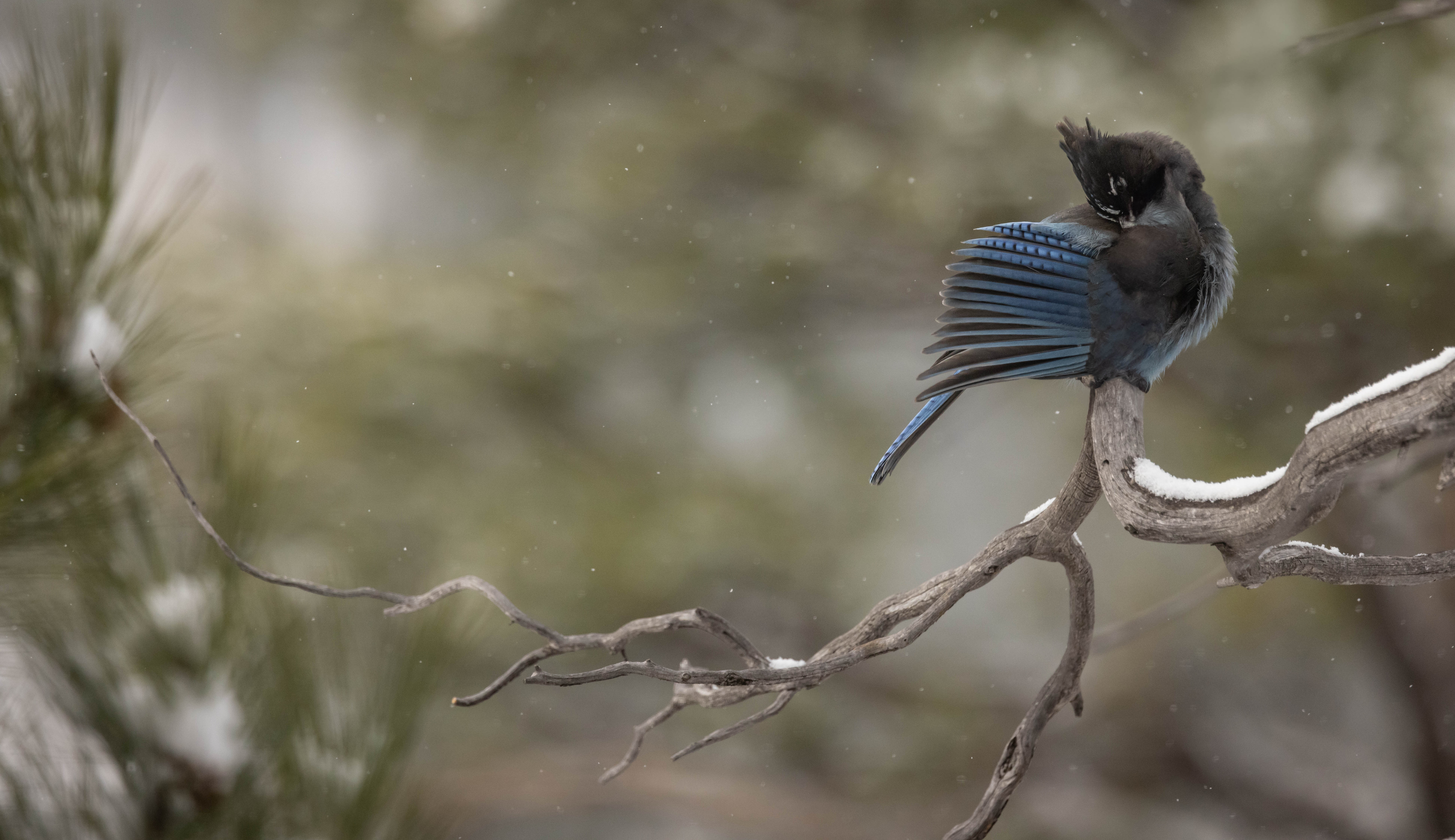
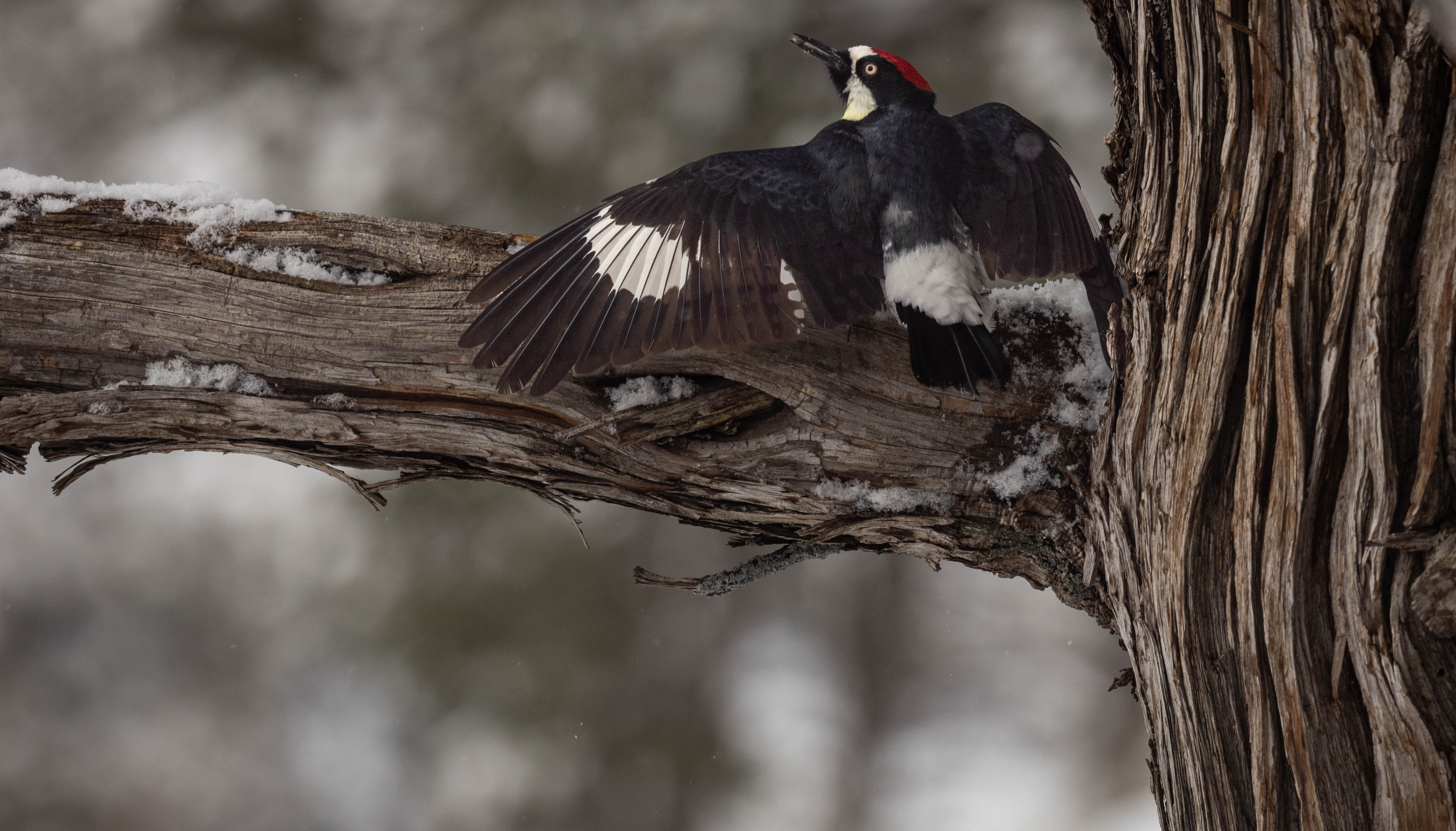
For more Wall Worthy Wildlife and Structures: https://kritterspix.com/2025/10/10/cool-arizona-structures-places/. and https://kritterspix.com/2025/10/10/wildlife-worthy/
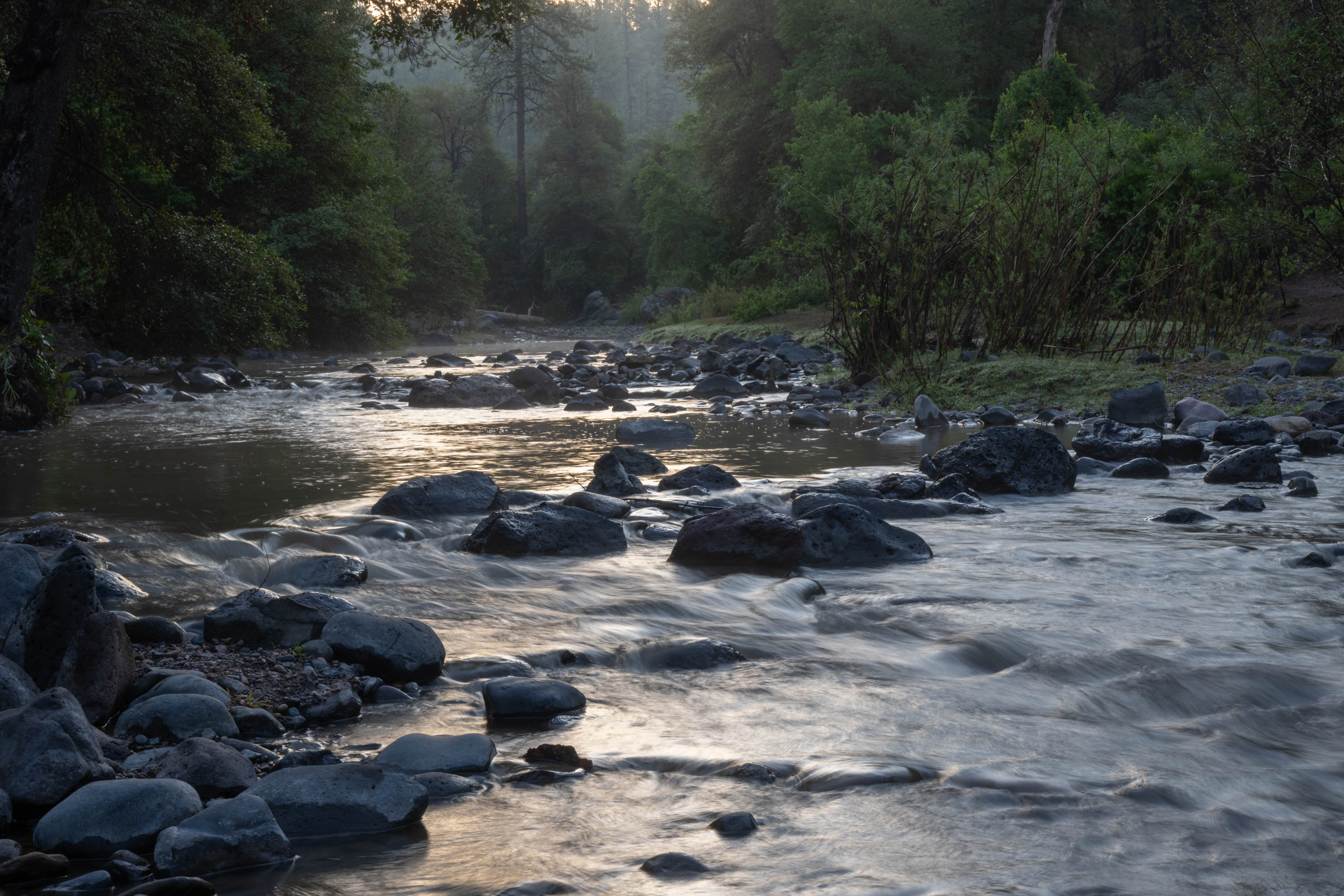
White River, Fort Apache Indian Reservation Navajo County, Arizona

It was our first time venturing into White River. We hoped for animal sightings and beautiful scenery, and we got a little of both.

While the elevation of nearby Mt Baldy as high as 11,000′, the river floor is only 5700′. Soft slight rain cooled down the 85F days, dropping the temps to 50F – 60 F, a pleasant change in a peaceful environment outside of the gurgling rushing river.

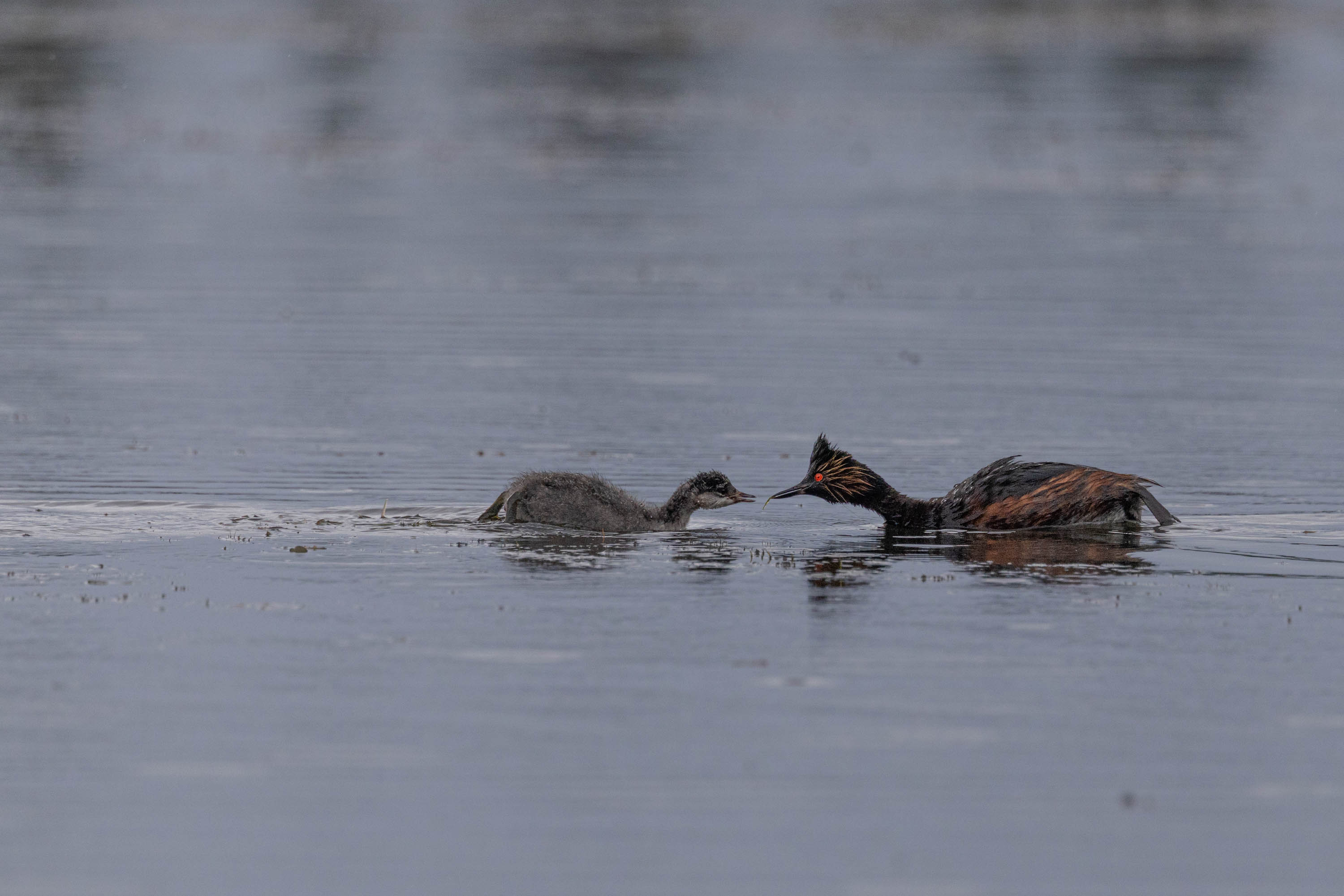
We saw lots of happy birds enjoying the green grass and water along the rivers edge, turkey, deer, and coyote.

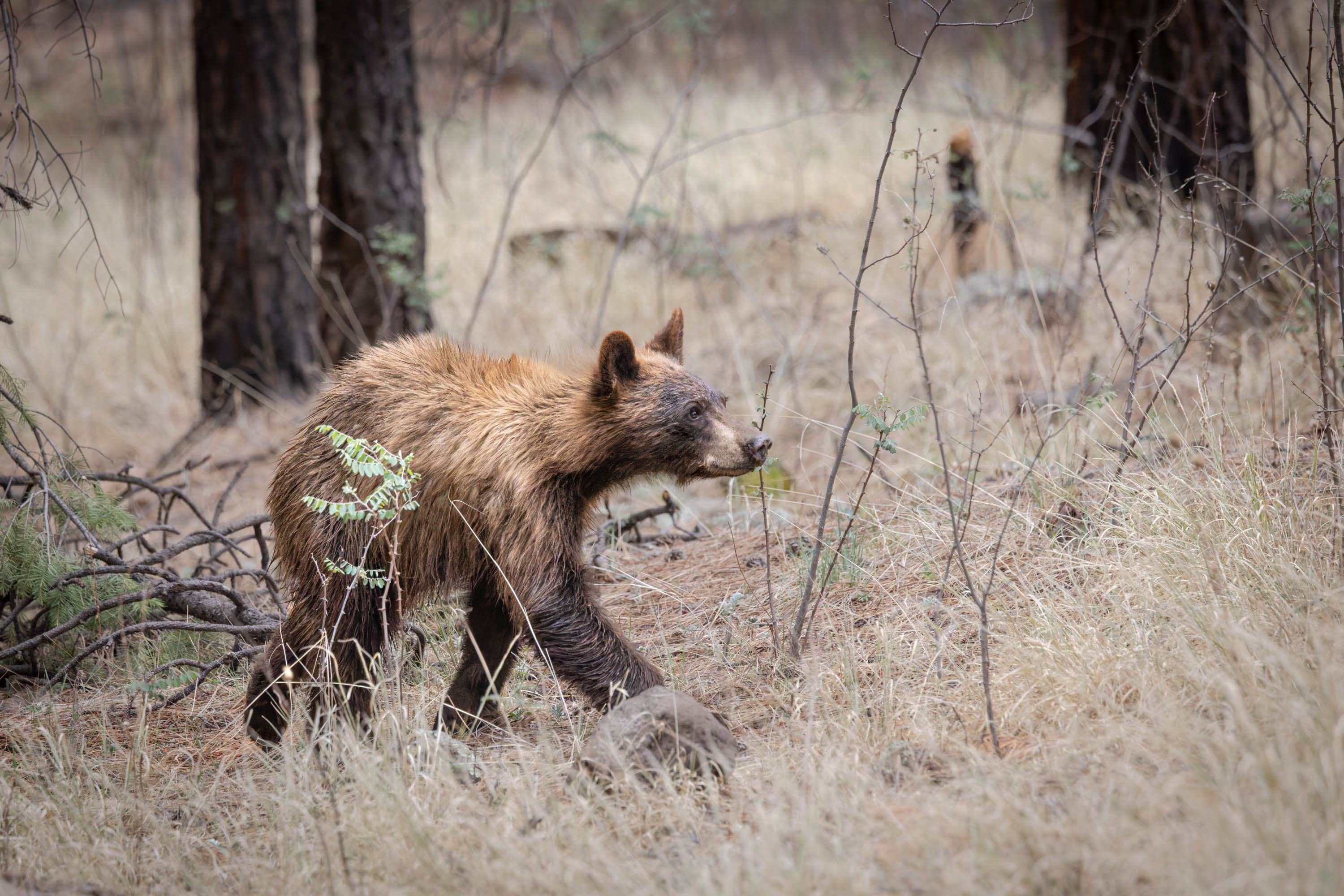
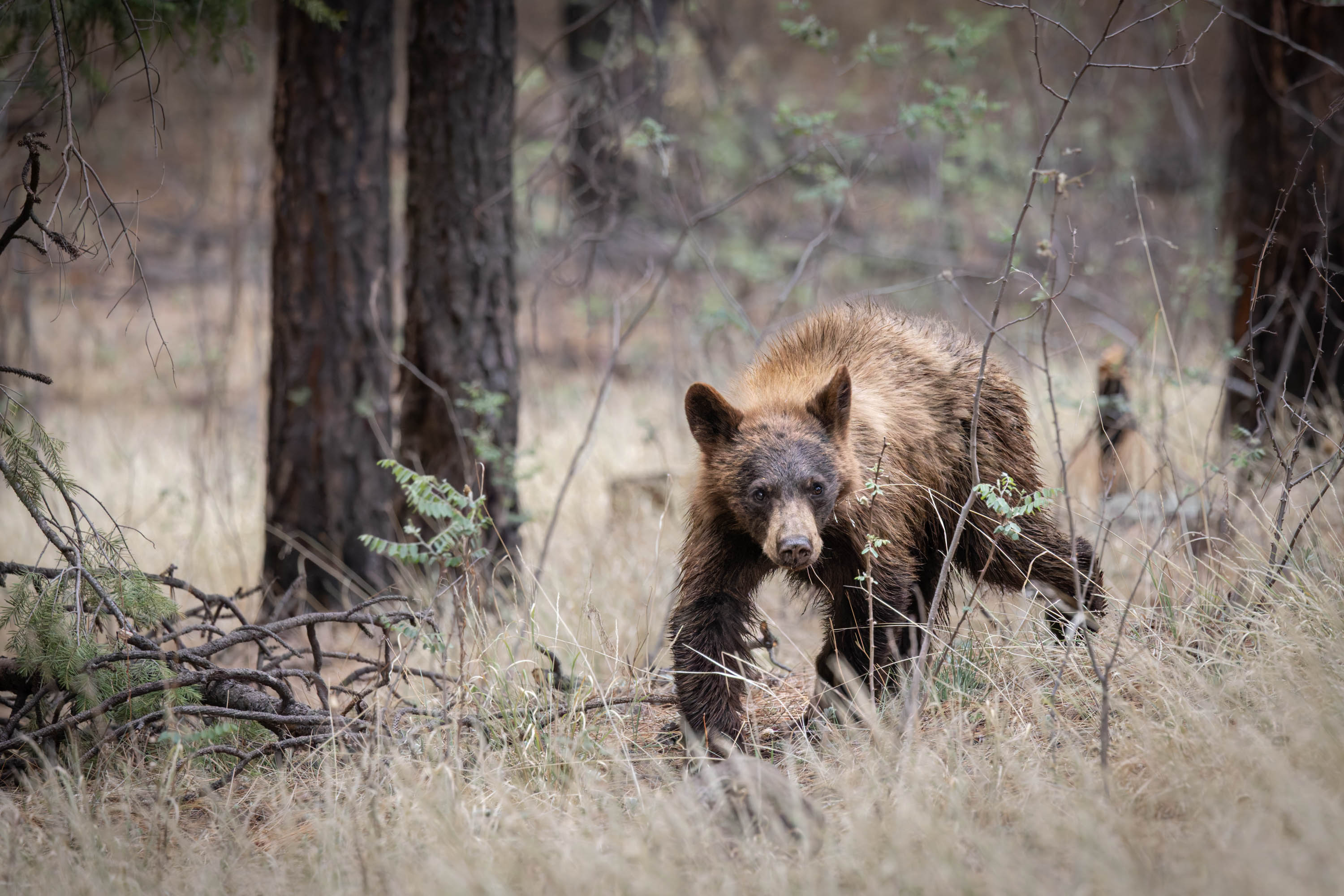
Most animal sightings we saw were quite fleeting. We did happen to see a small black bear cub dart in front of our path, but unfortunately, no photograph.

The White Mountain Apache Tribe manages the area. Dispersed camping with no amenties is $15 / day, with a required permit for each individual date. We found the site very relaxing and beautiful. We were also happy to be able to identify, before contracting, the massive patches of western poison ivy through the area.

Luck of the Wild

We are out and about often, looking for great overlooks and wildlife along the way or at our destination. Sometimes, we get lucky, sometimes, luckier than other times. I suppose after so many trips, our probabilities have improved… and maybe even our spotting skills and sense of where to find animals.

On our latest outing we were delighted to come away with over a dozen animal sightings.

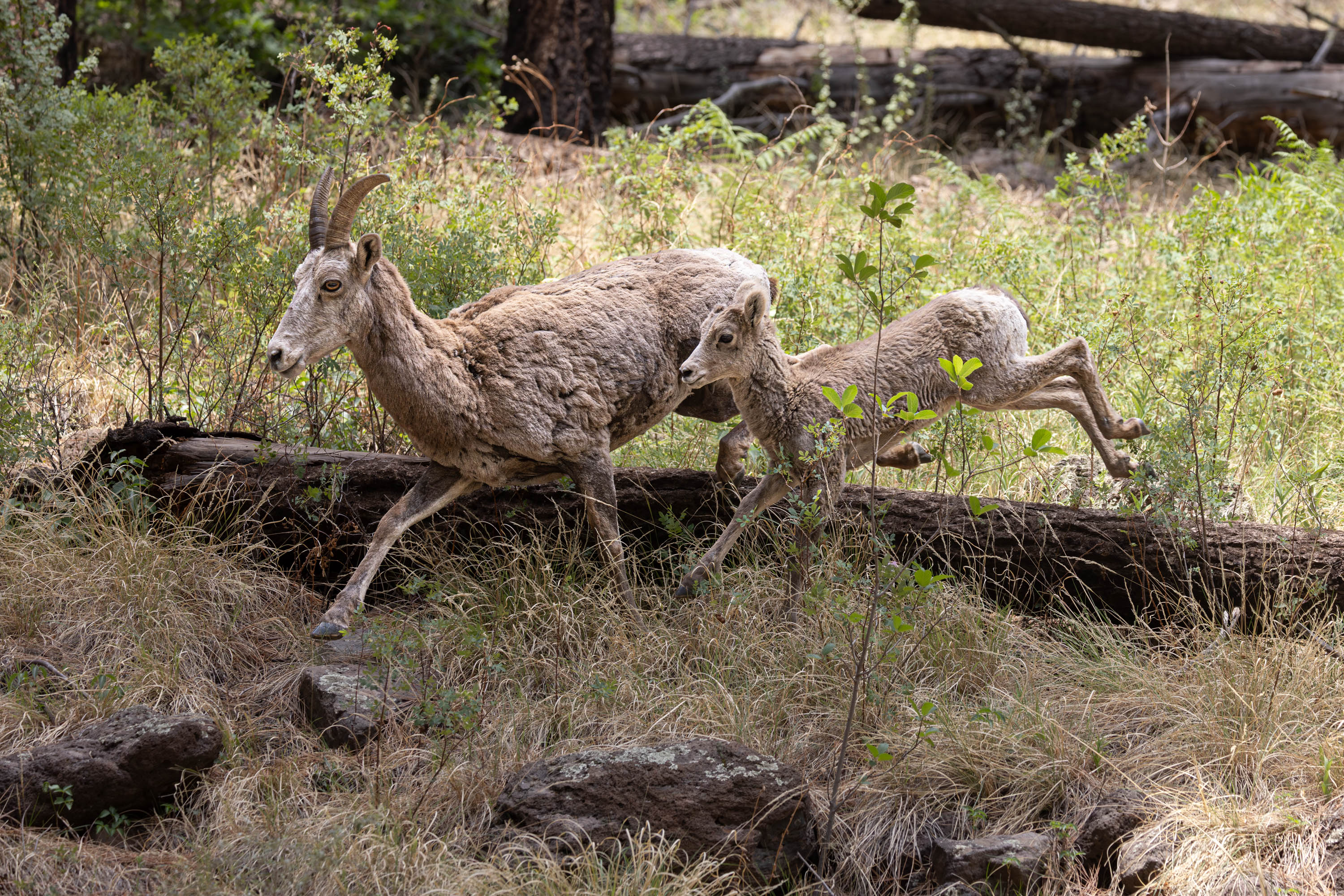
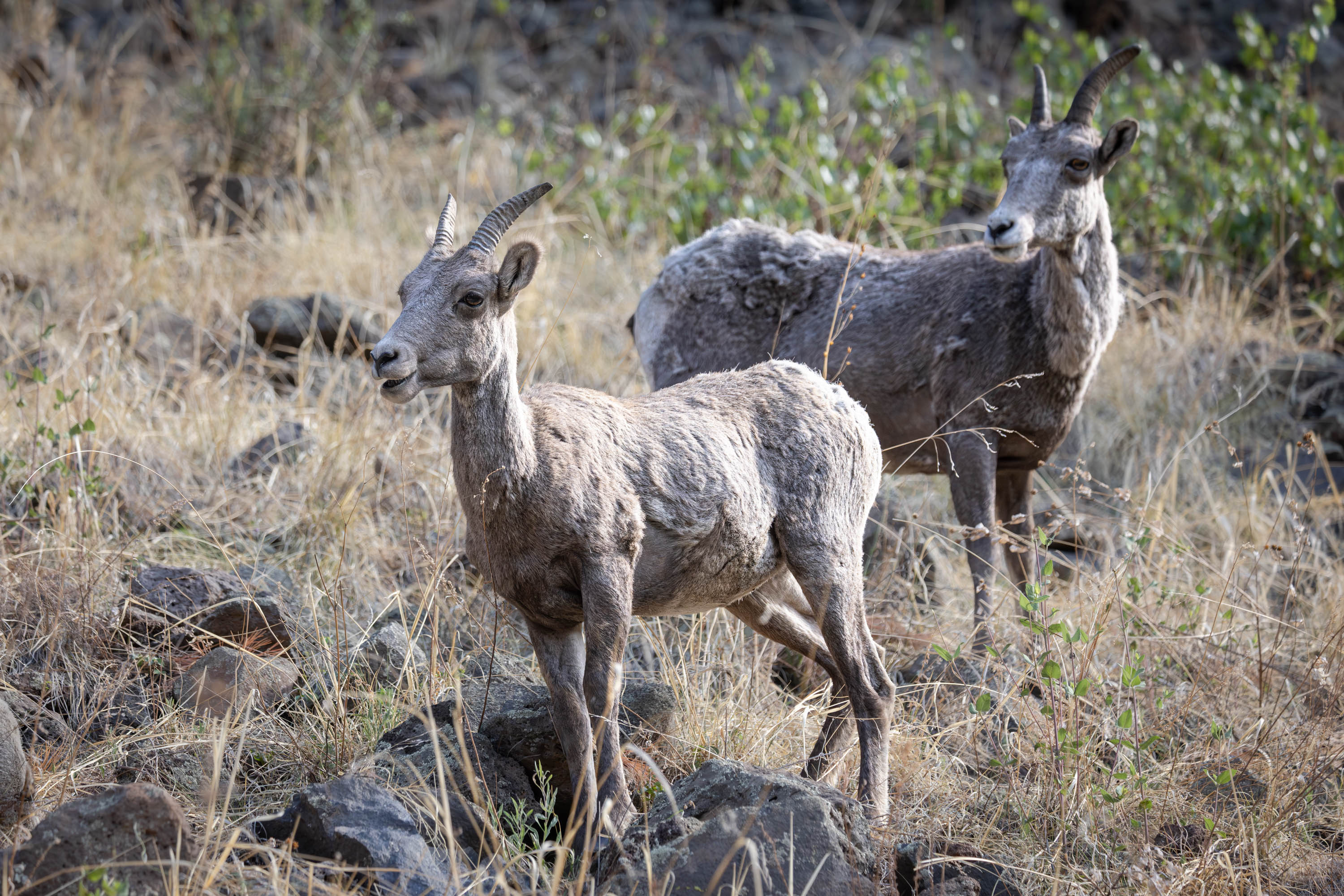
We saw black bear, skunk, deer, elk, beaver, long tail weasel, and big horn sheep.

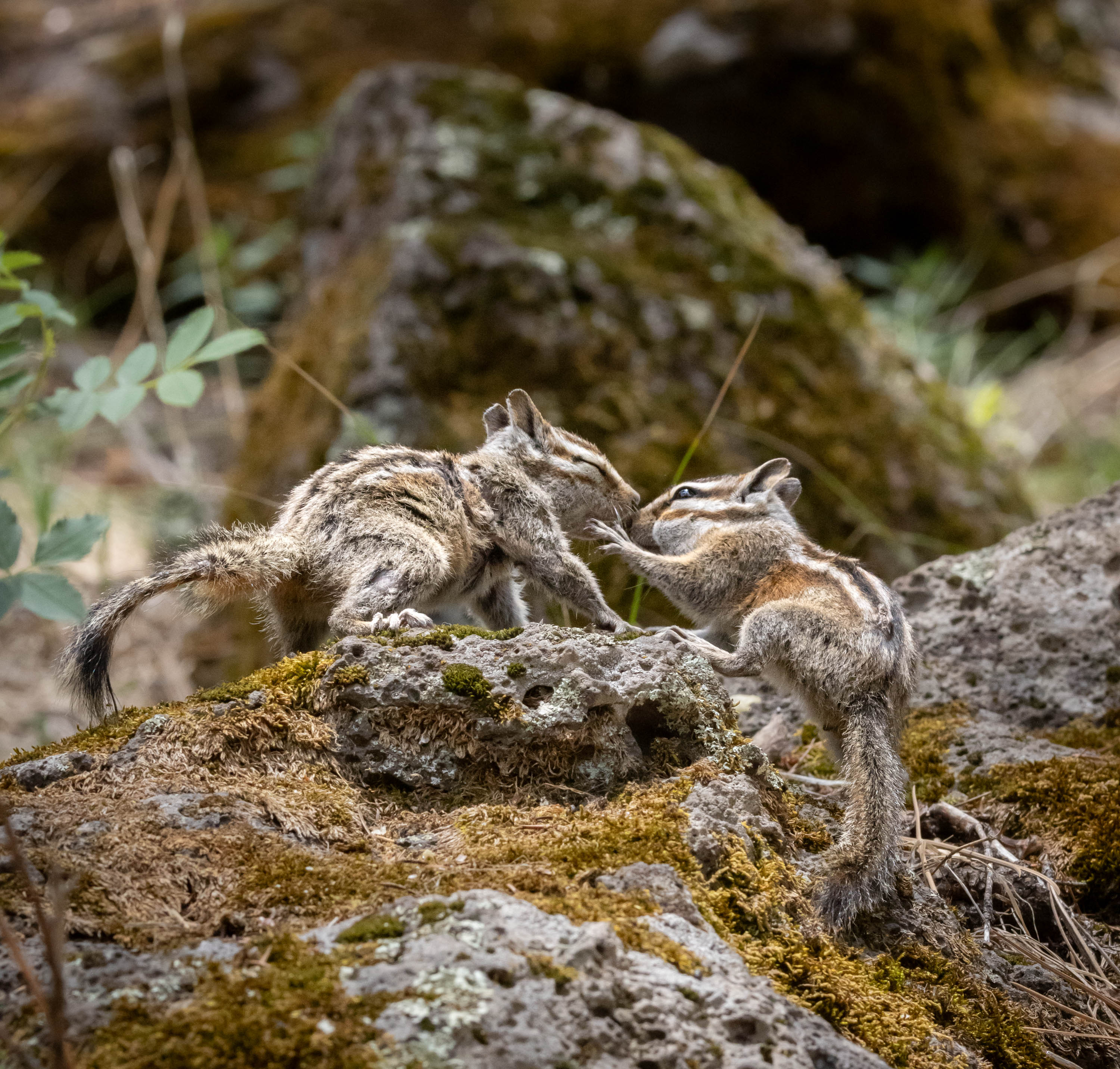
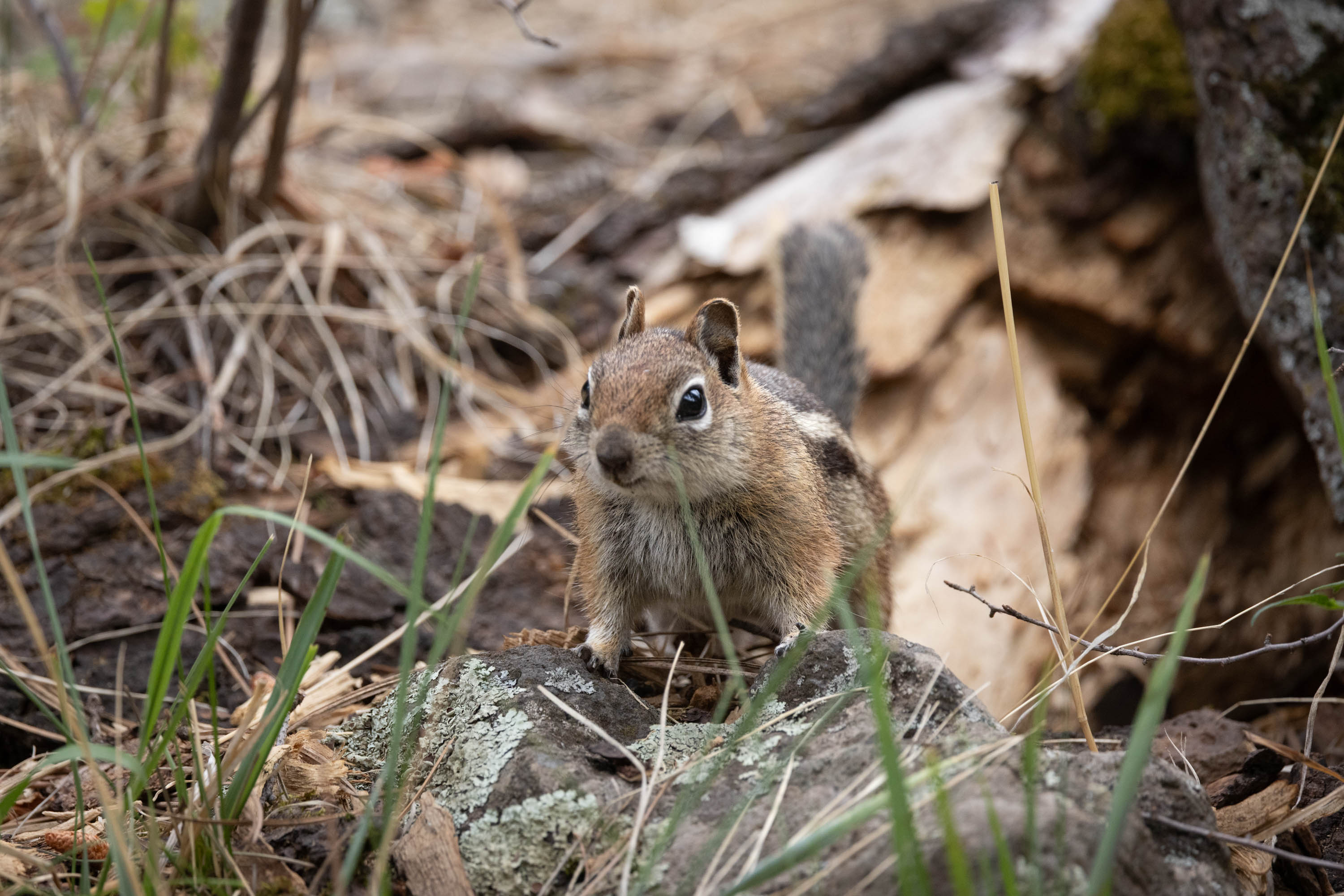
We saw varieties of chipmunk, squirrel, blue heron, bald eagle, osprey, and turkey.

The animals are out, looking for food and water, where they are hard to find without our normal precipitation.

For more bear pix, check out my post here… https://kritterspix.com/2025/07/18/arizona-black-bear/

I always say, better lucky than good… but maybe a measure of both leads to success.

Puffins Puffins Puffins

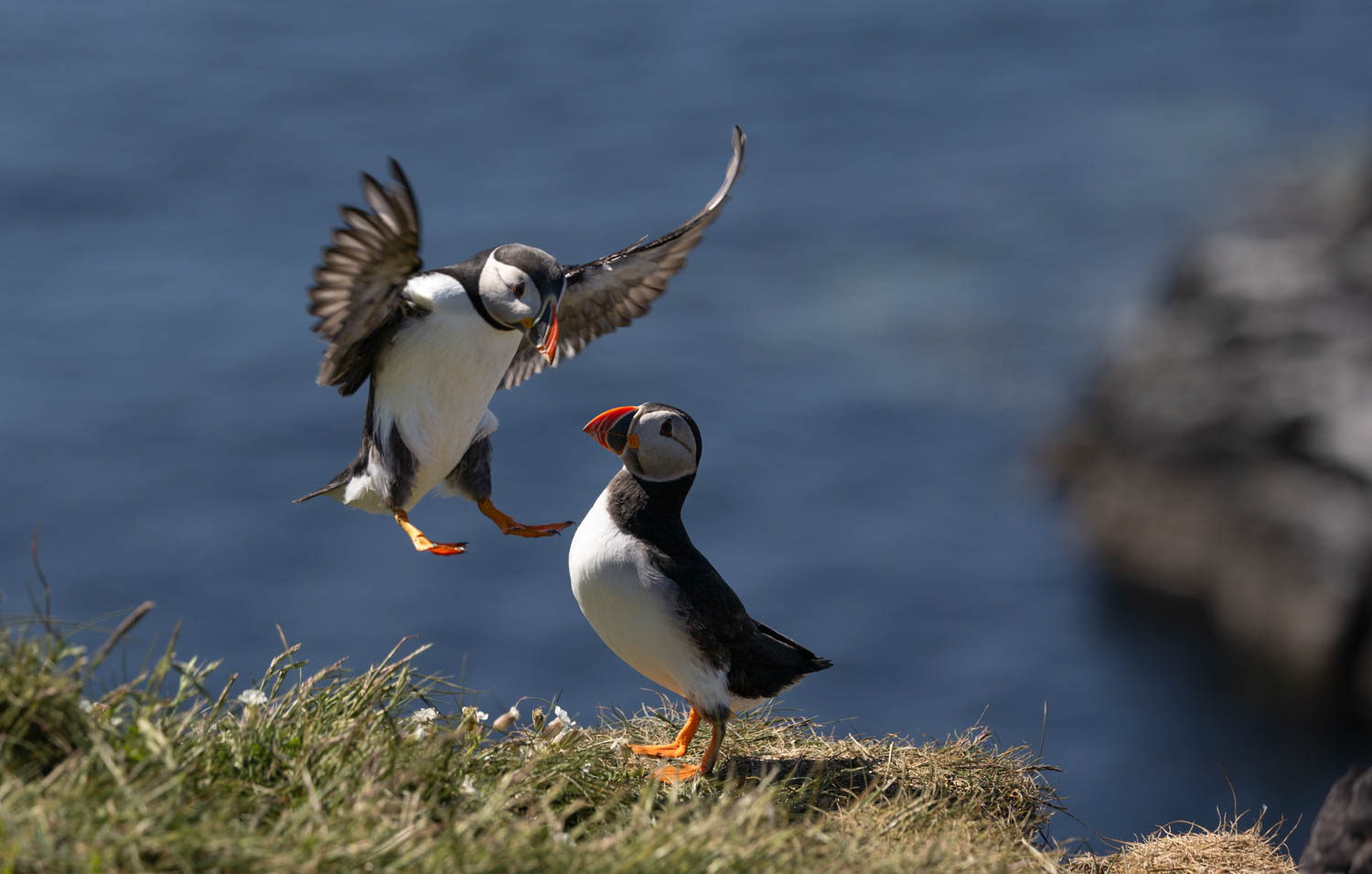
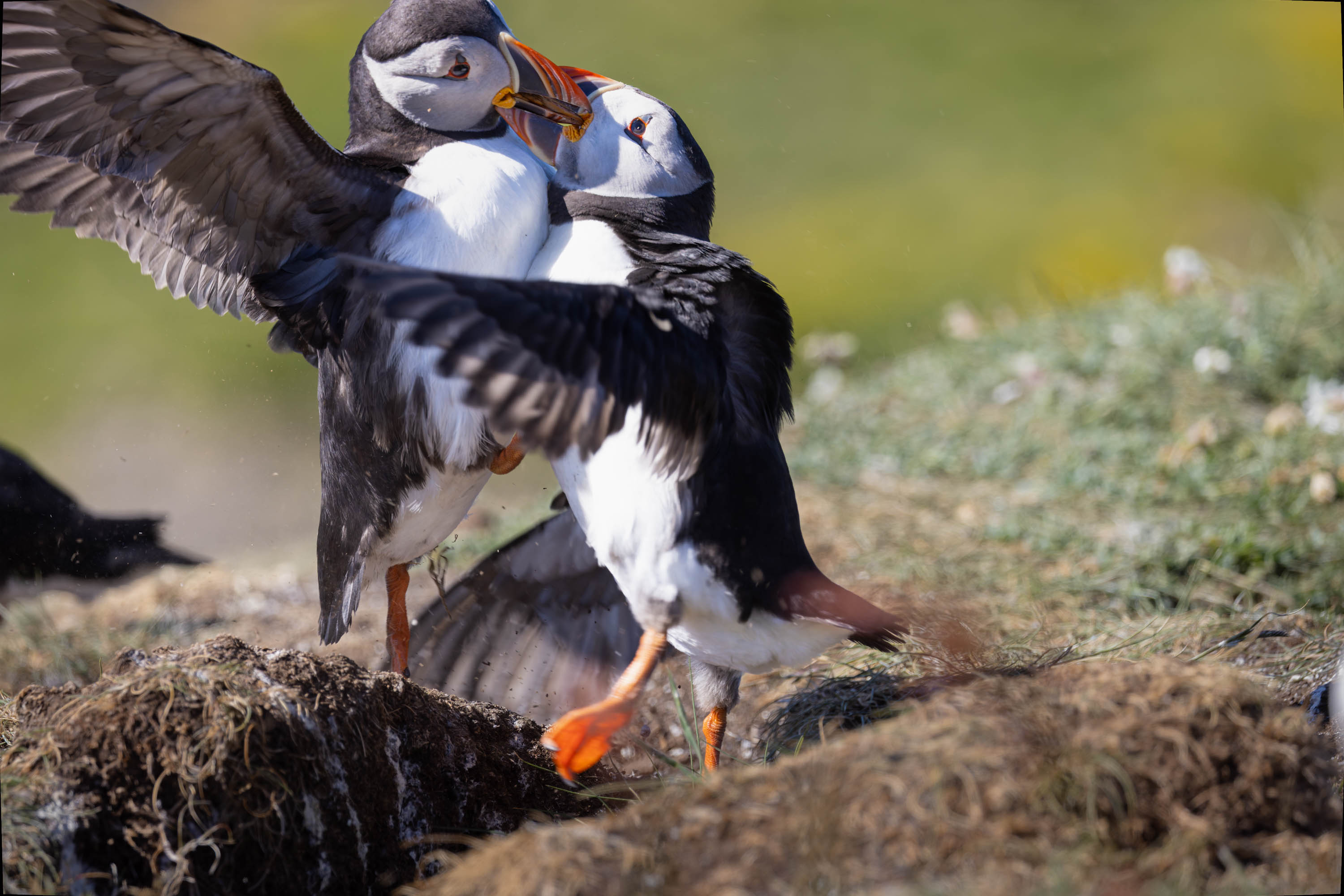
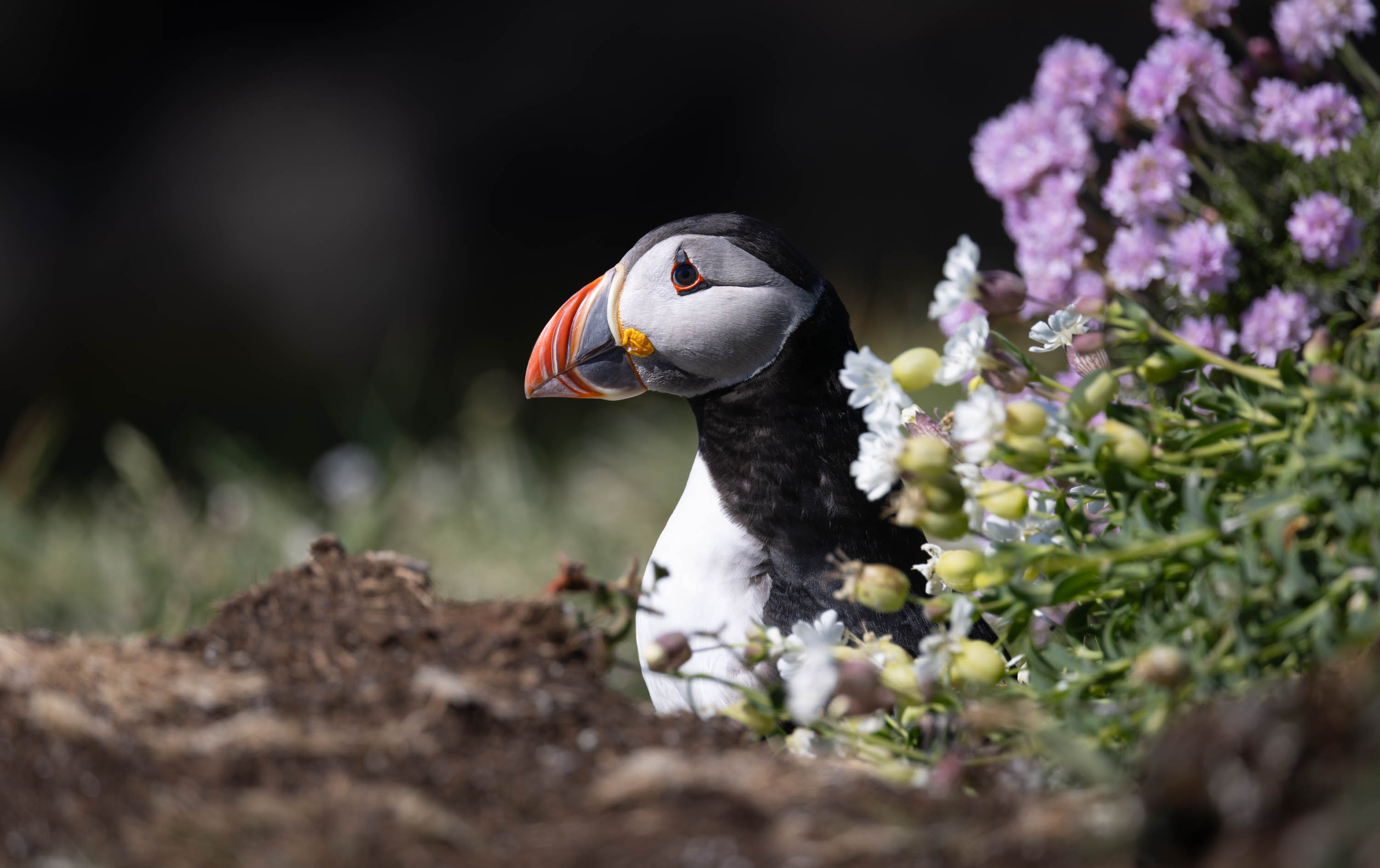
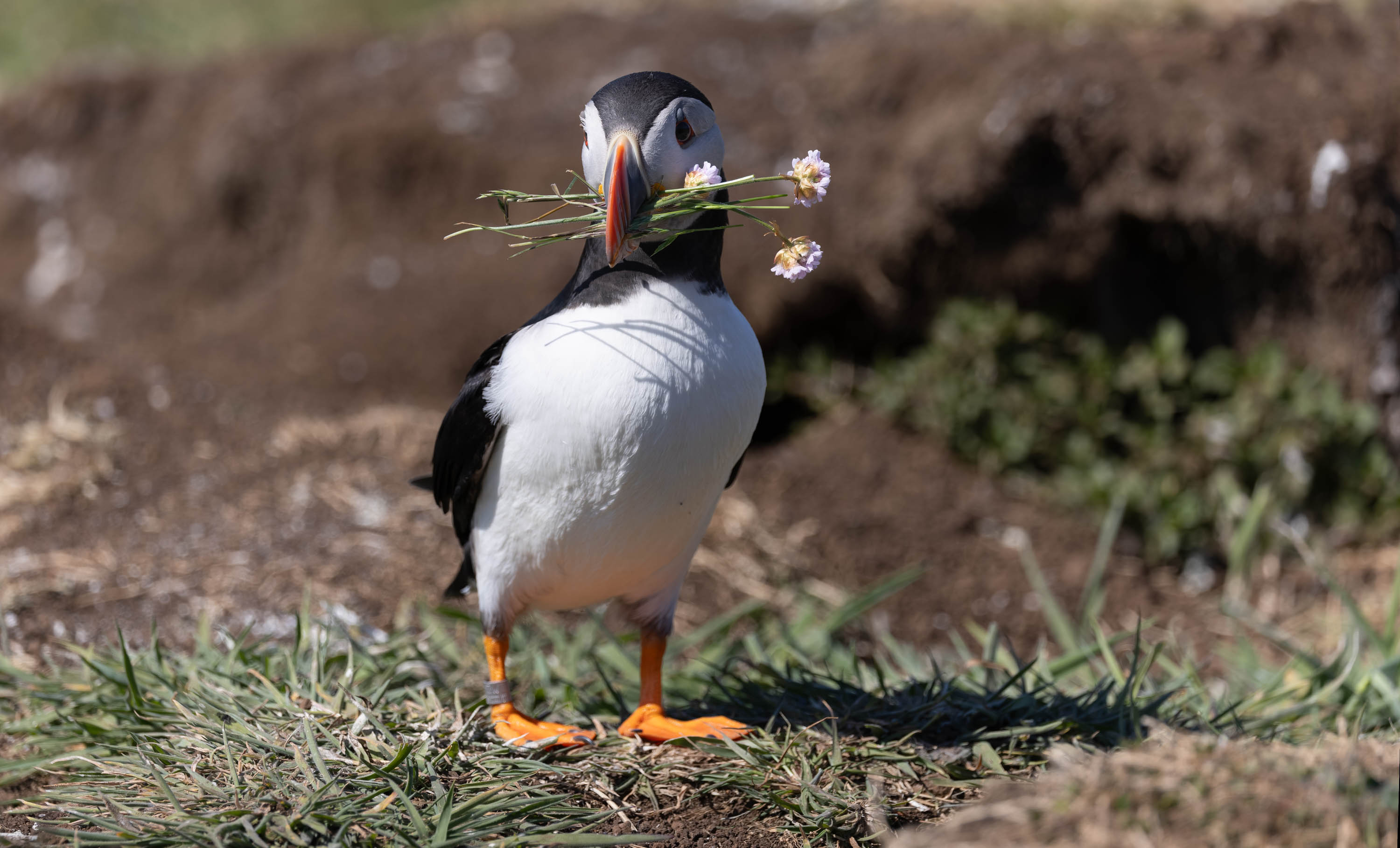
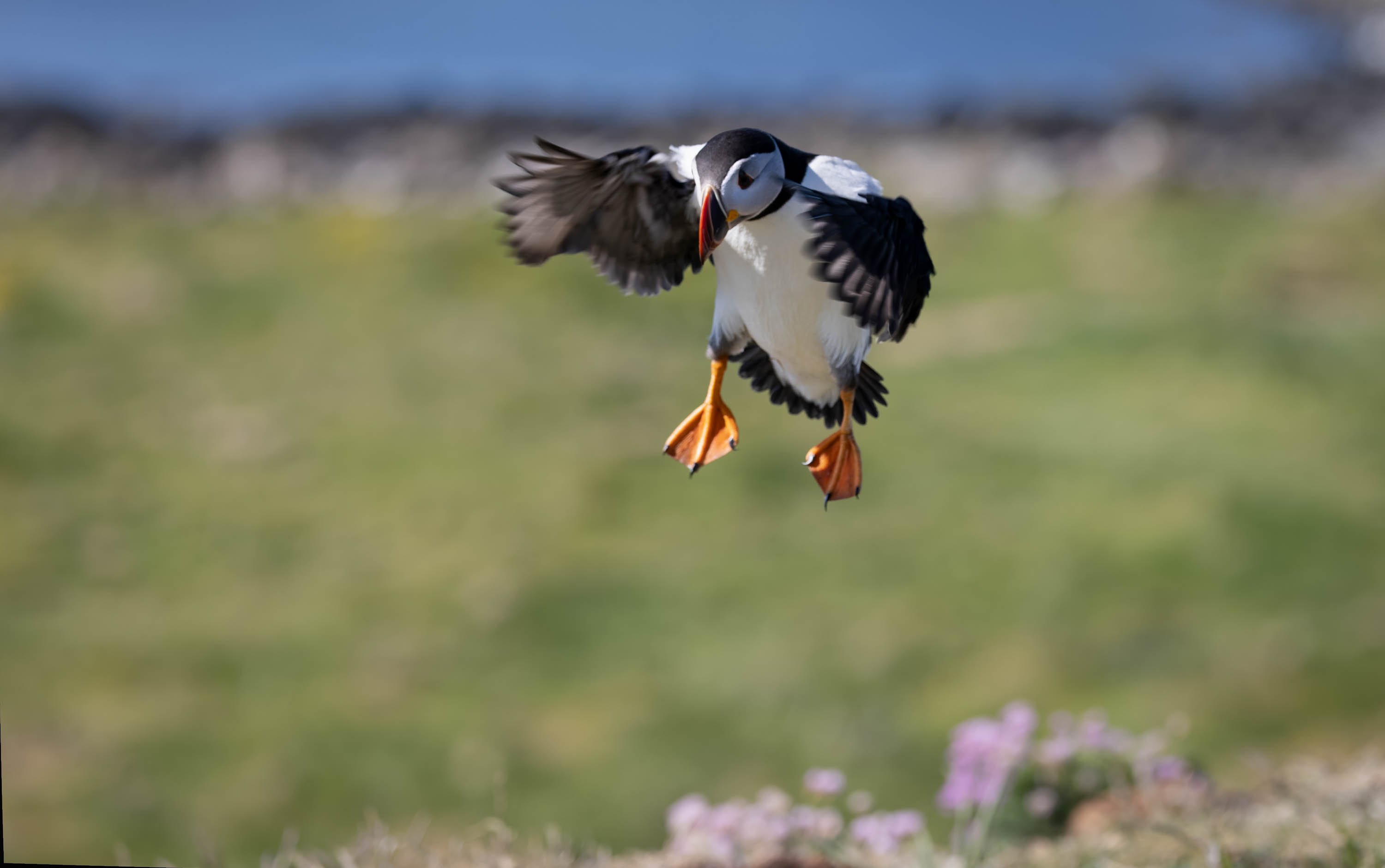
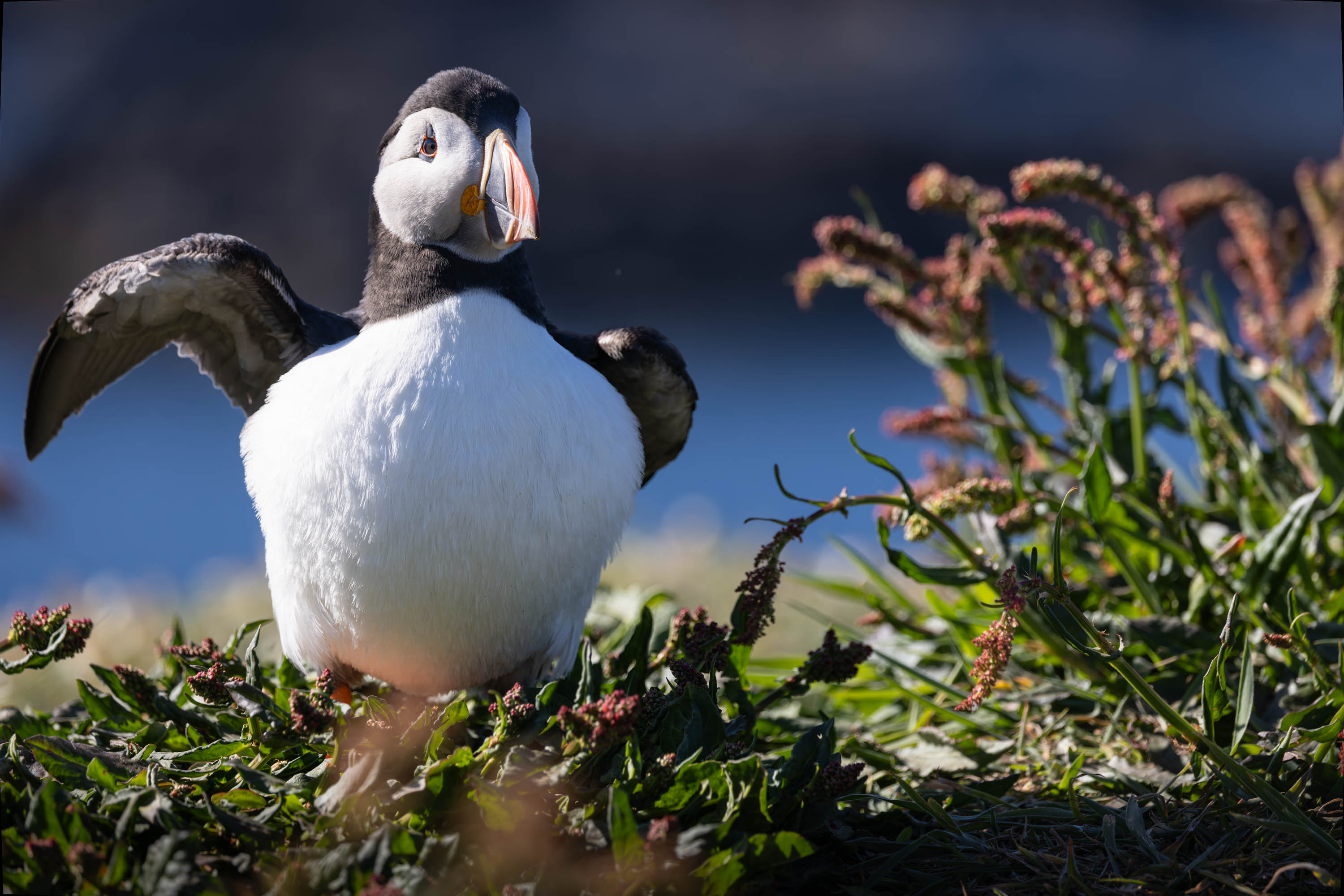
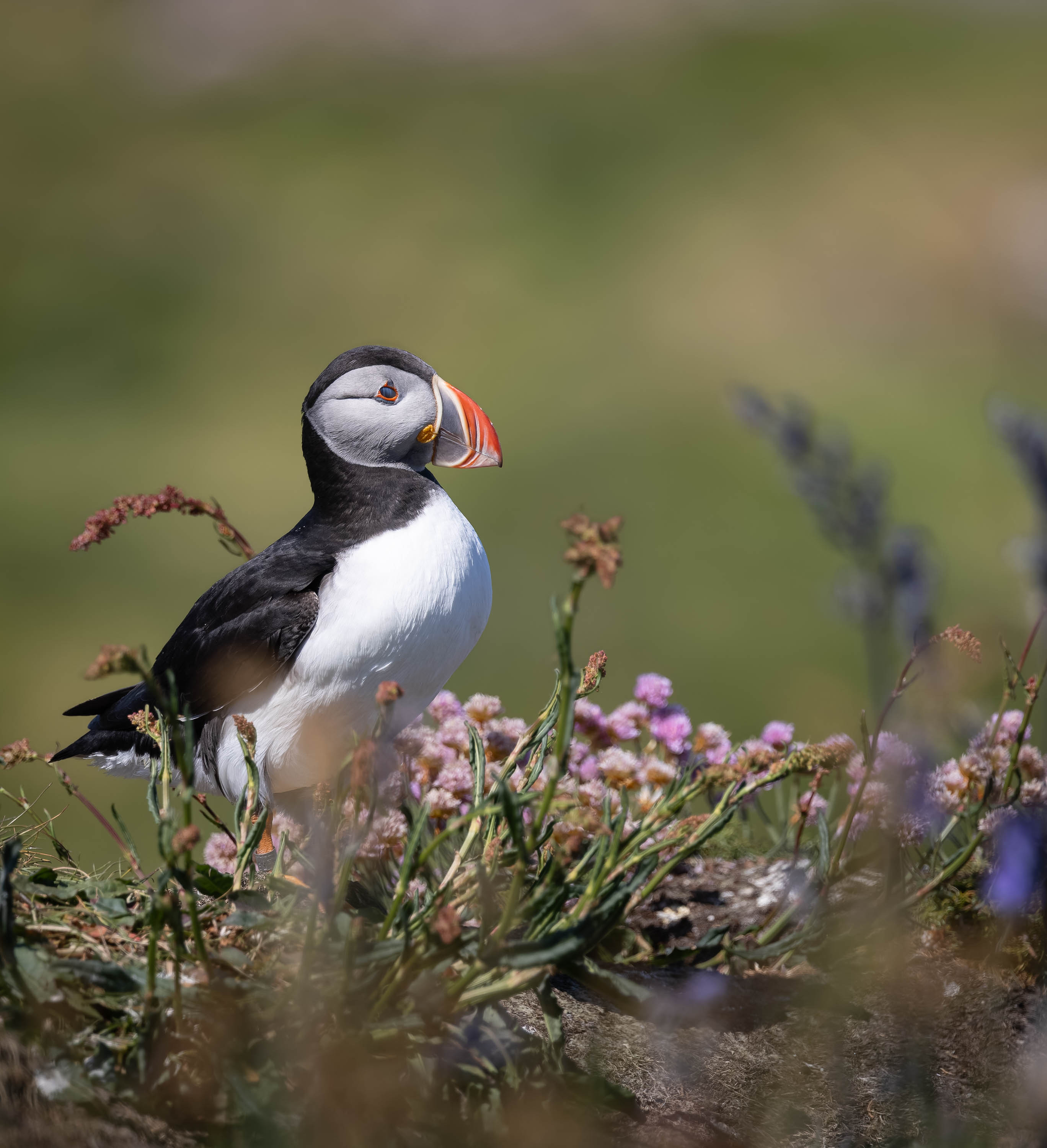
I love puffins. We have seen them before, but only from a boat… far away. It barely counts. So while in Scotland, we took the opportunity to do a puffin excursion from the Isle of Mull to Lunga, a small uninhabited island with a large puffin colony.

We were able to get off the ship and walk on to the island and watch these funny little birds going about their business. It was so wonderful to be so close to them and be able to witness their cute antics up close and personal.

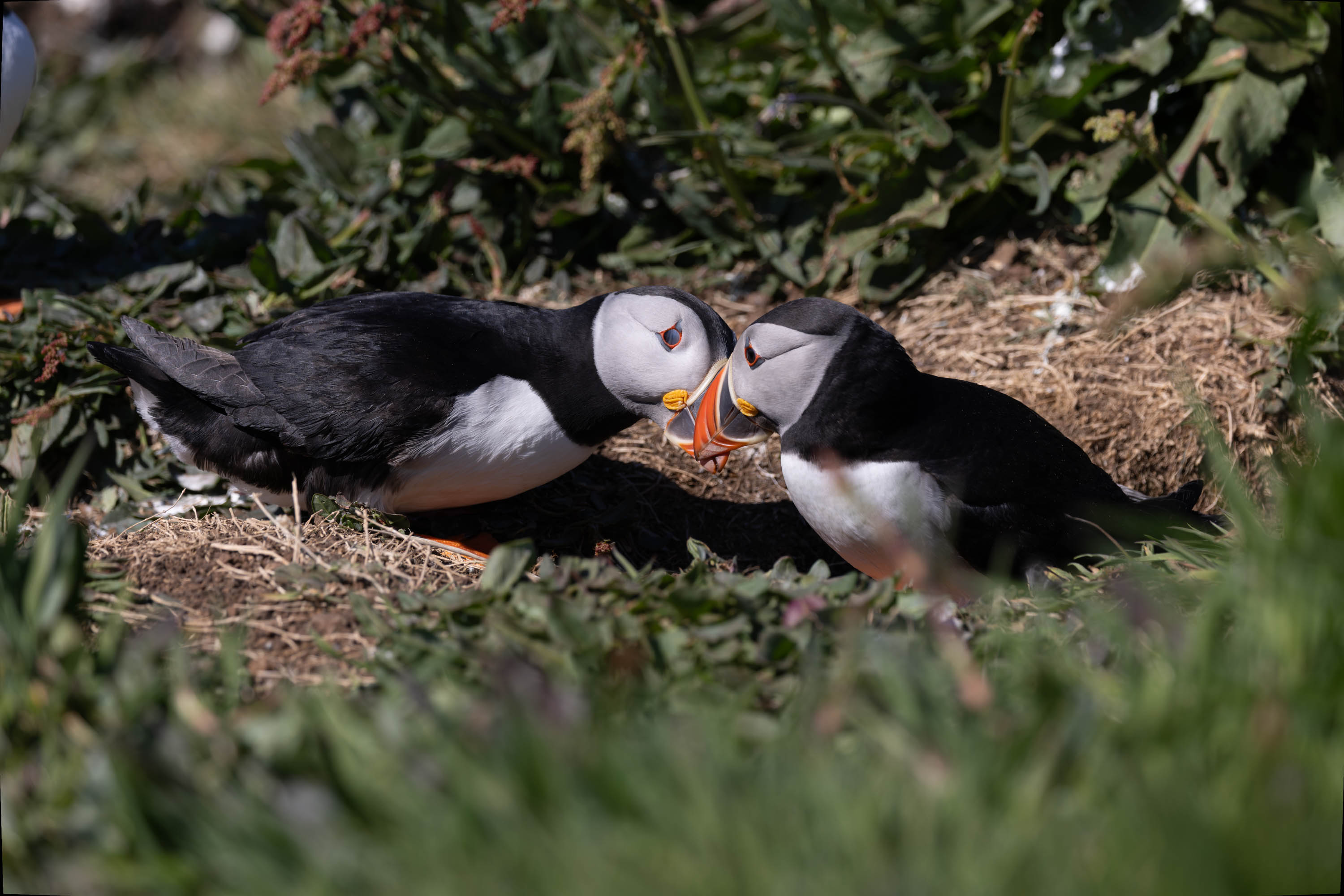
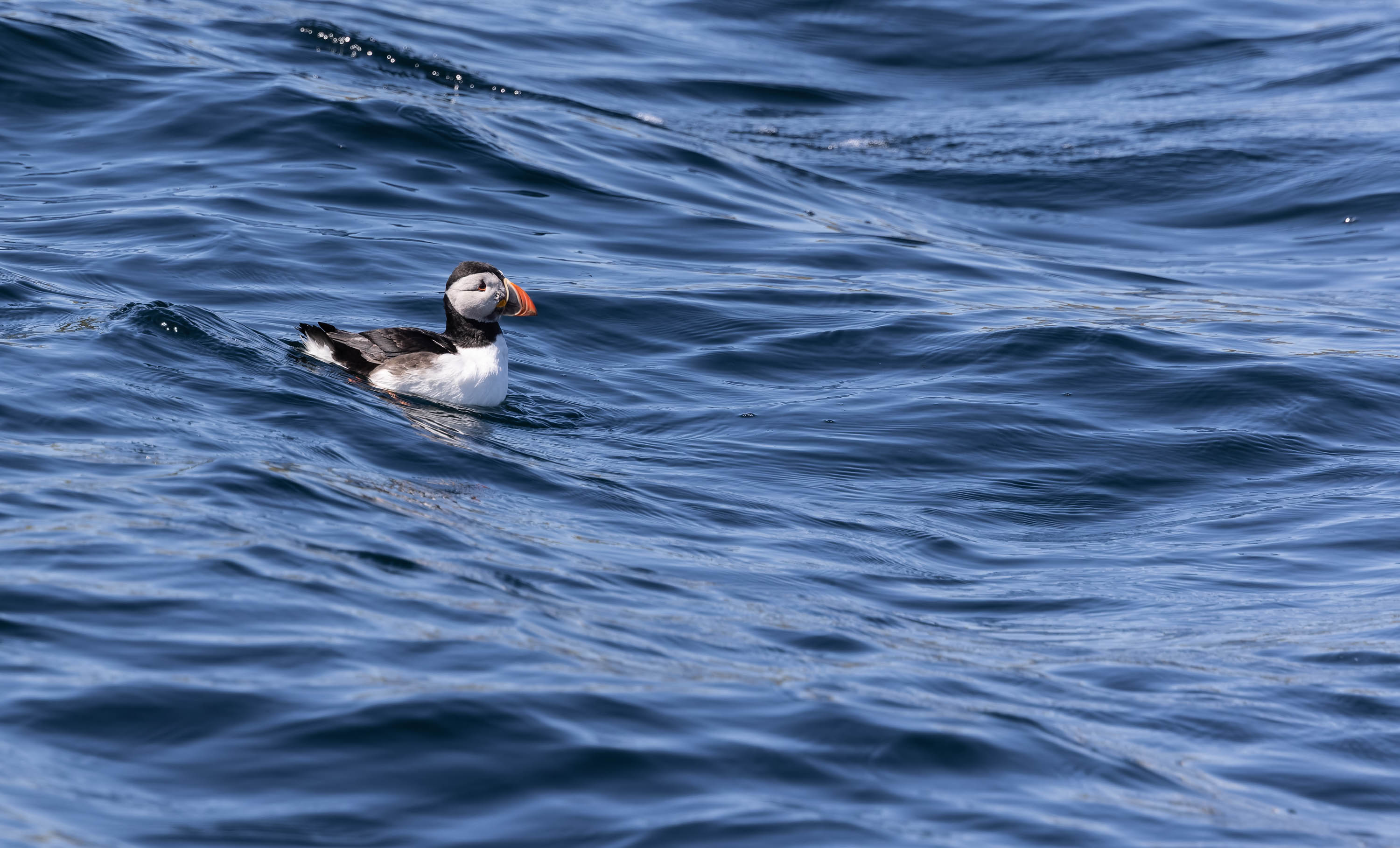
The Atlantic puffin spends most of its life at sea. They come ashore from May through August to mate, have their chicks, feed them to nourish them for a life back out at sea. We watched as large birds flew over, as they scampered into their burrows.

Puffins usually pair up with the same partner as previous years – some may have been together for 20 years. The puffins dig their burrows with their beak, and line it with grass, to have their pufflings. Both mates take turn incubating the egg for 36 – 45 days. The puffin only lay one egg per breeding season.

The parents fish for sand eels to feed their chicks until the puffling are big enough to ‘fledge’ or leave the nest. Once the pufflings are born, the puffins have to stave off the savages of seagulls quick to steal their mouthful of sand eels to feed their young.

The lack of sand eels currently endangers the puffin population. Overfishing threatens the sand eels targetted by industrial fishing operations using large quantities for fishmeal and fish oil.

Once they go out to sea, their bright orange beak changes color to a gray-black, to camouflage them at sea.

We just loved watching the little guys, nicknamed, ‘clowns of the sea’, as they awkwardly scurried around, and flew in and out. They looked like little stuffed animals. It was a truly special experience.

Special thanks to Victor Soares of Focus on Wildlife, for his tips in maximizing my wildlife photos.

See more photos from our Scotland trip… https://kritterspaw.com/2025/06/18/scotland-adventure/ and https://kritterspix.com/2025/06/18/wild-scotland/

Scotland Adventure

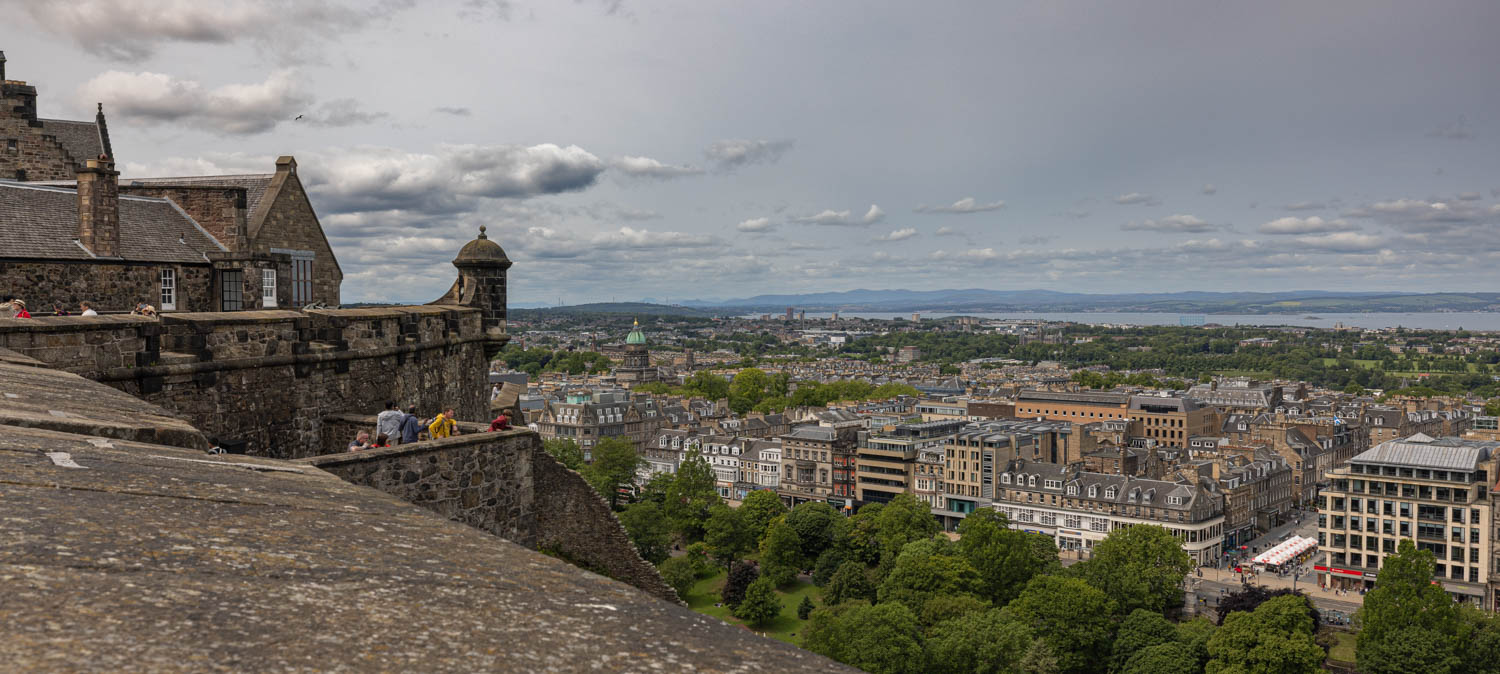
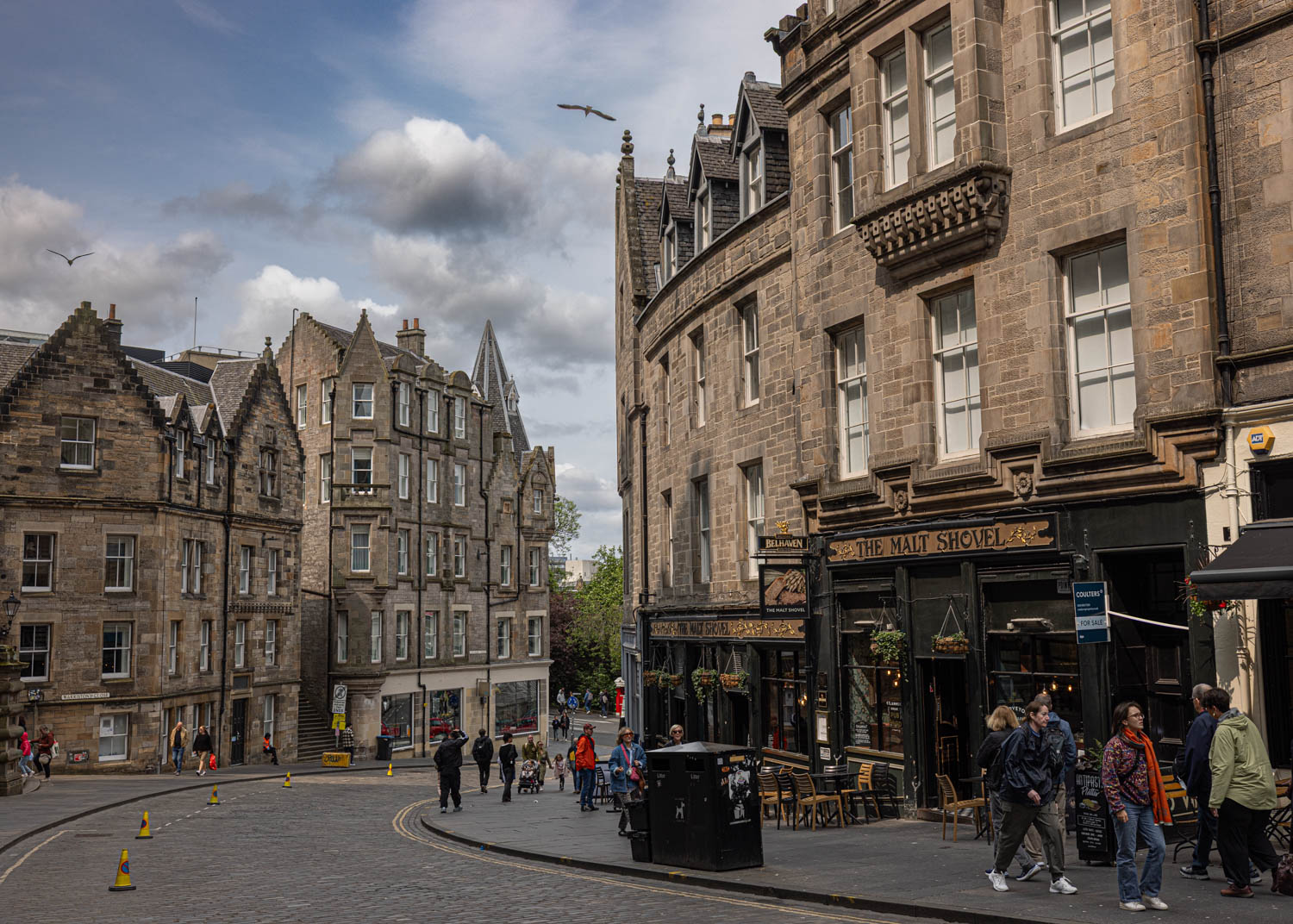
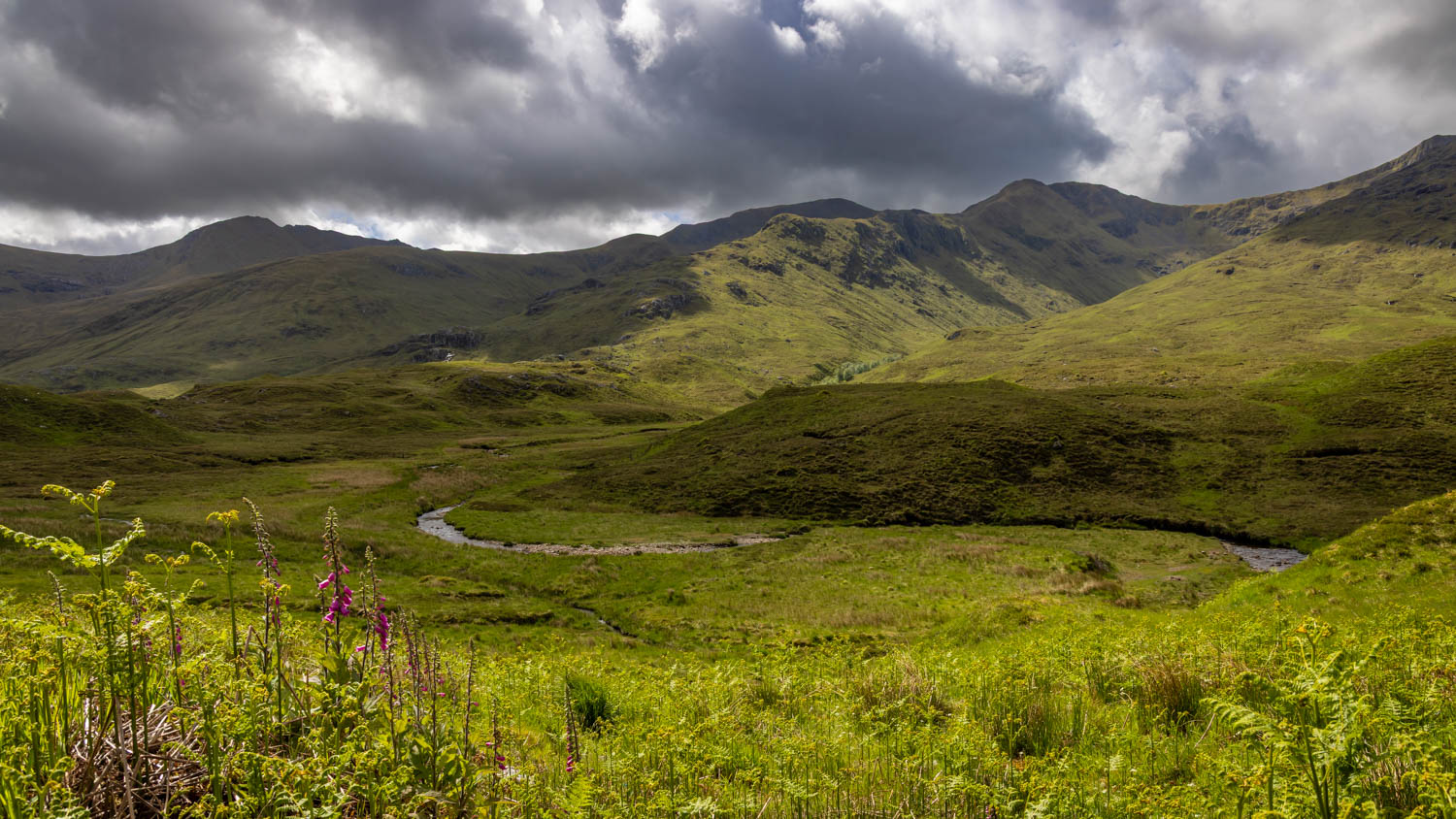
Having just returned from Scotland, we found it a very diverse destination. It had tons of history, gorgeous scenery, wonderful wildlife, and great selections of Scotch.

In an attempt to consolidate our adventure, here are some highlights.

Edinburgh

Repeatedly we were reminded of the conflicts across the world then and now stemming from religions. The Brits and the Scots had dozens of battles and seiges pertaining to religion and independence, and many artifacts from the many rebellions.

St. Andrews Cathedral Ruins
Eileen Donan

The old buildings and architecture were fascinating. The fact that they remain in tact after hundreds of years in astonishing.

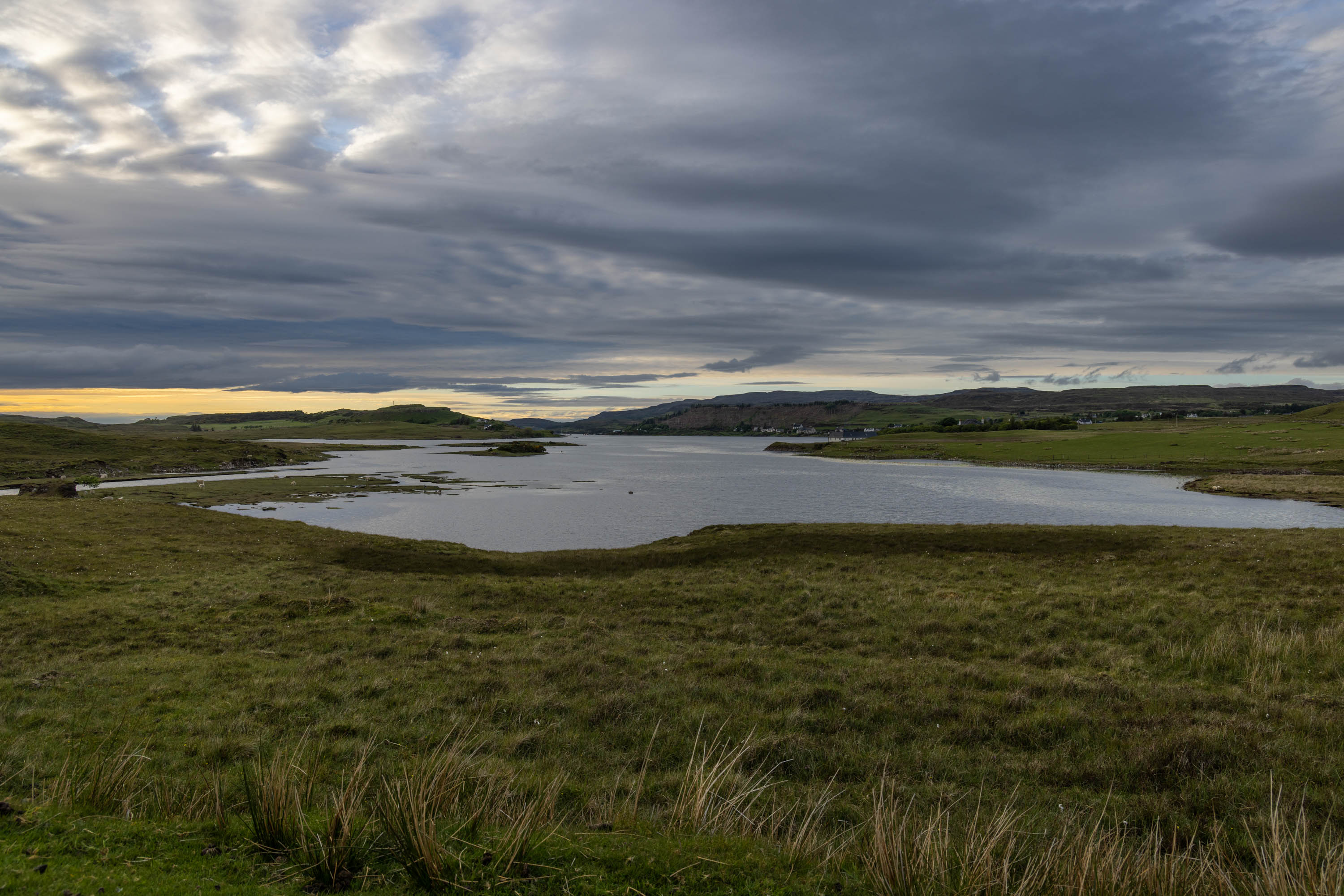
The scenery, meanwhile, throughout was lush and green, oozing with waterfalls and streams.

Isle of Mull

The Isle of Skye yielded endless hikes.. not to mention tourists, rain, and midgeys.

Isle of Skye

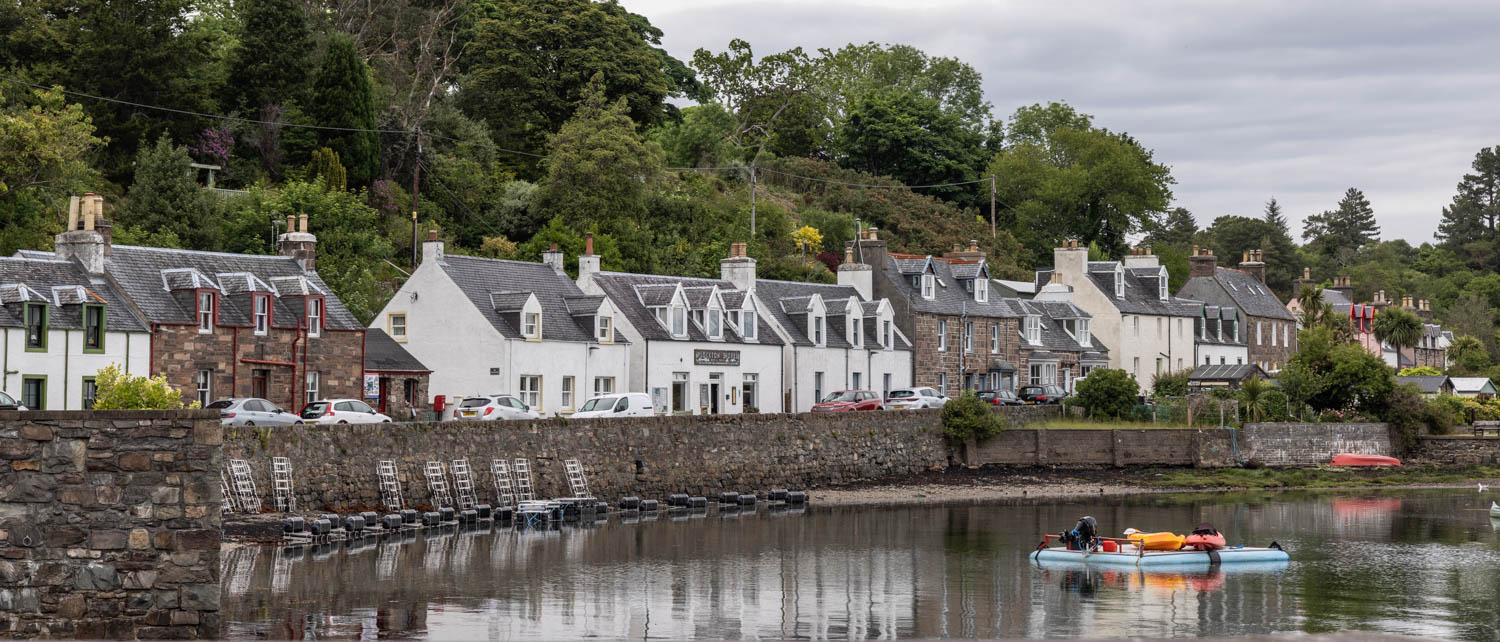
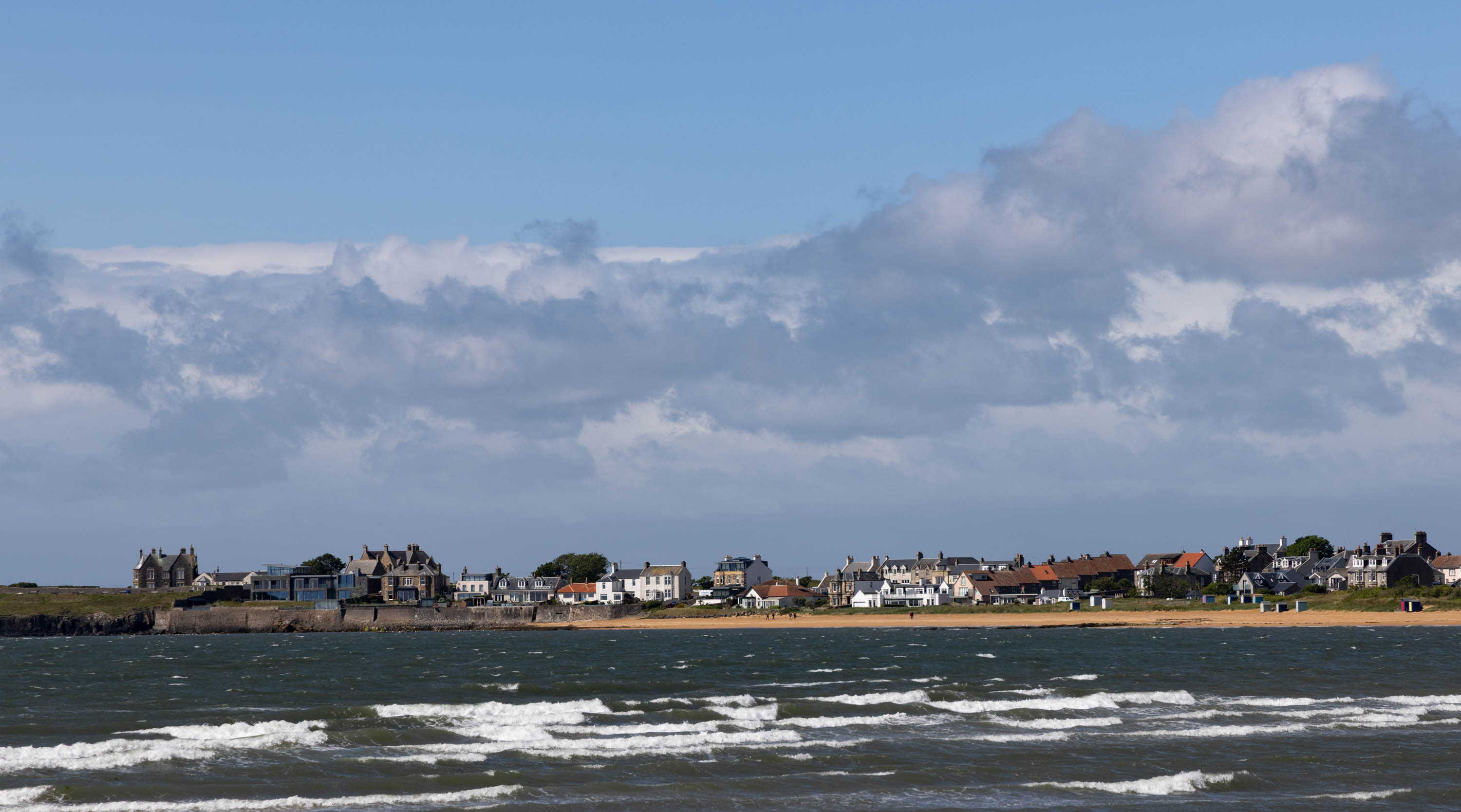
We especially enjoyed the coastal regions along the East coast and the lovely fishing villages.

Plockton
Pittenweim
Anstruther
Elie
St Monans

Maybe best of all was the wildlife we saw, which was wide and varied and deserves it’s own entry…. https://kritterspix.com/2025/06/18/wild-scotland/

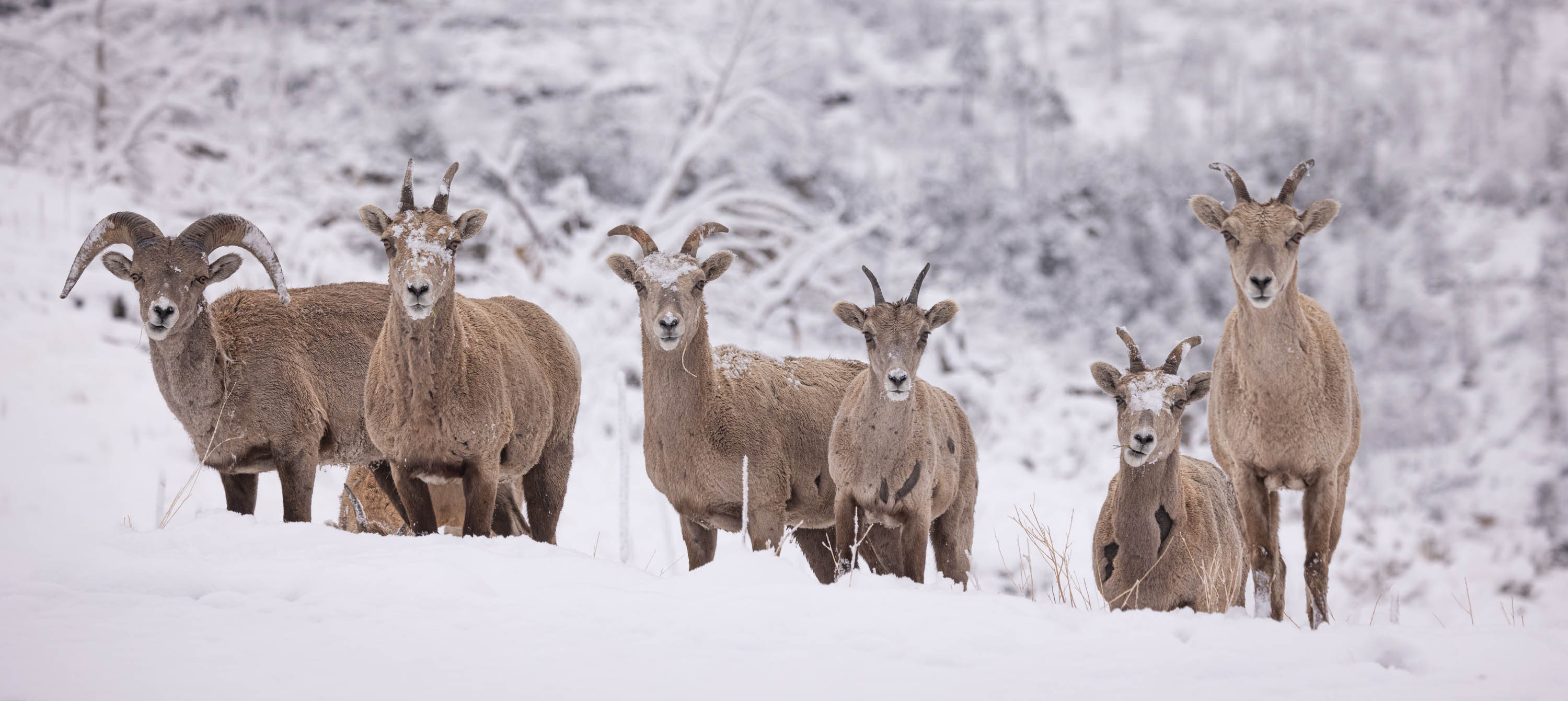
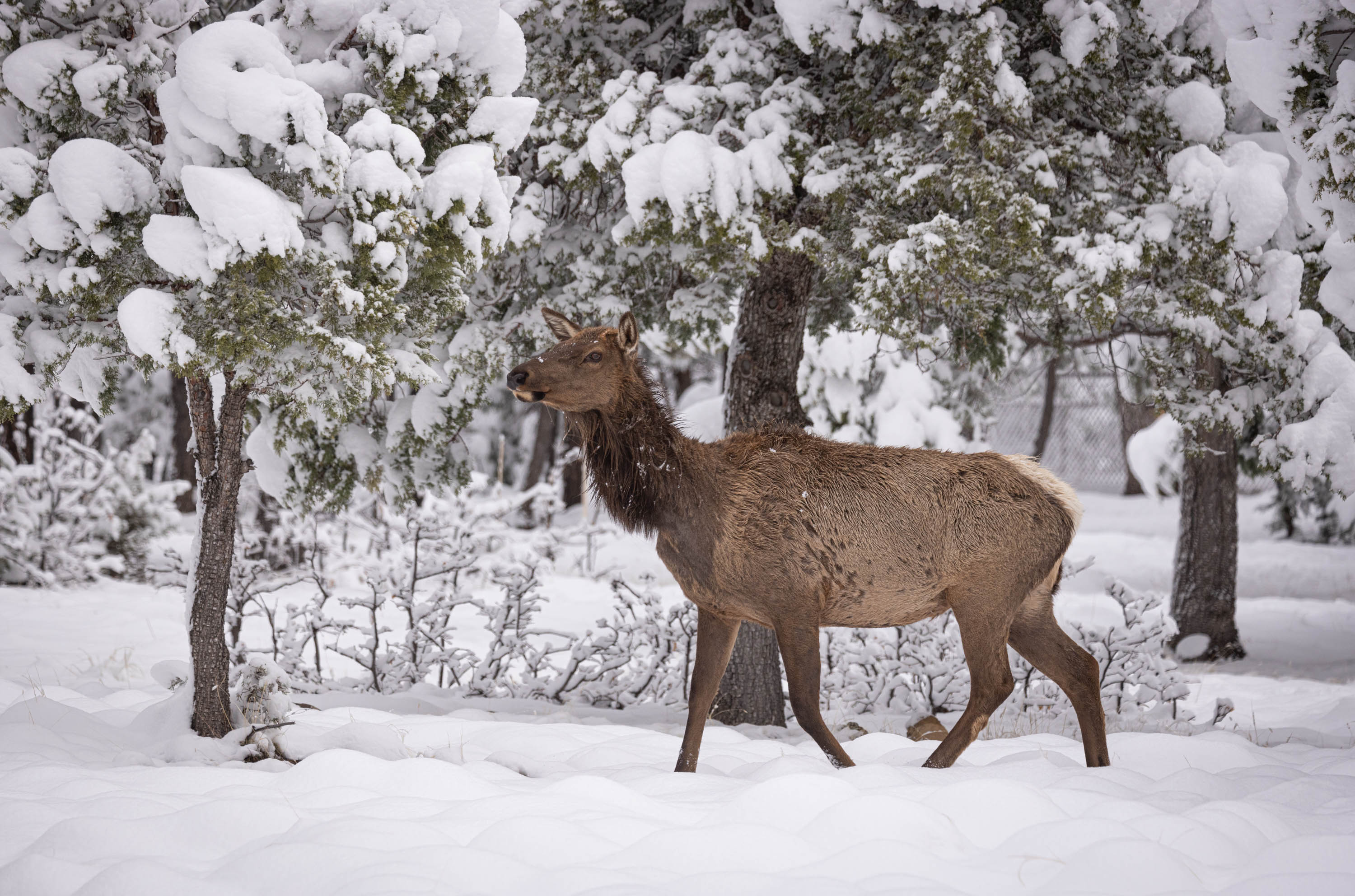
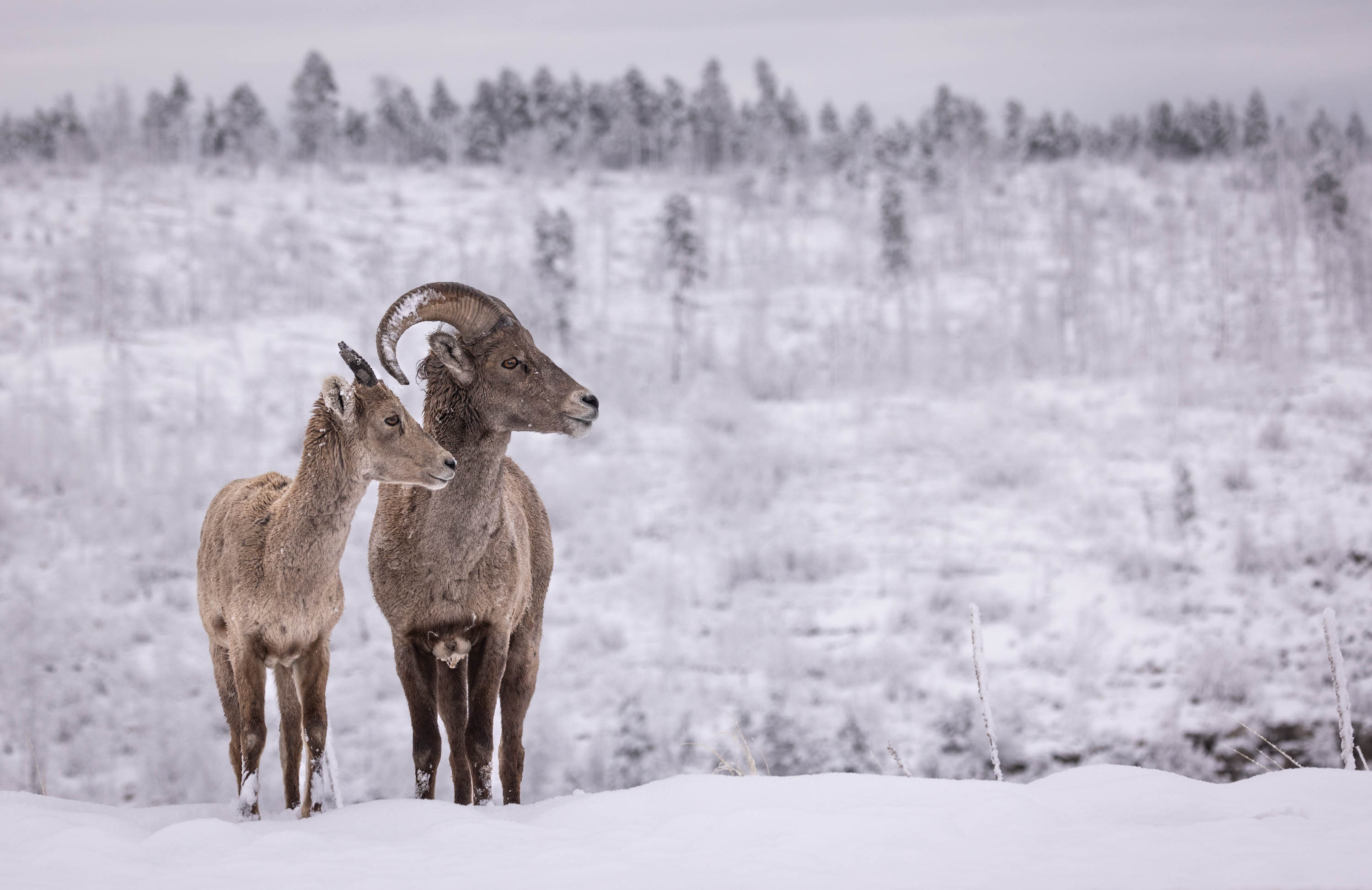
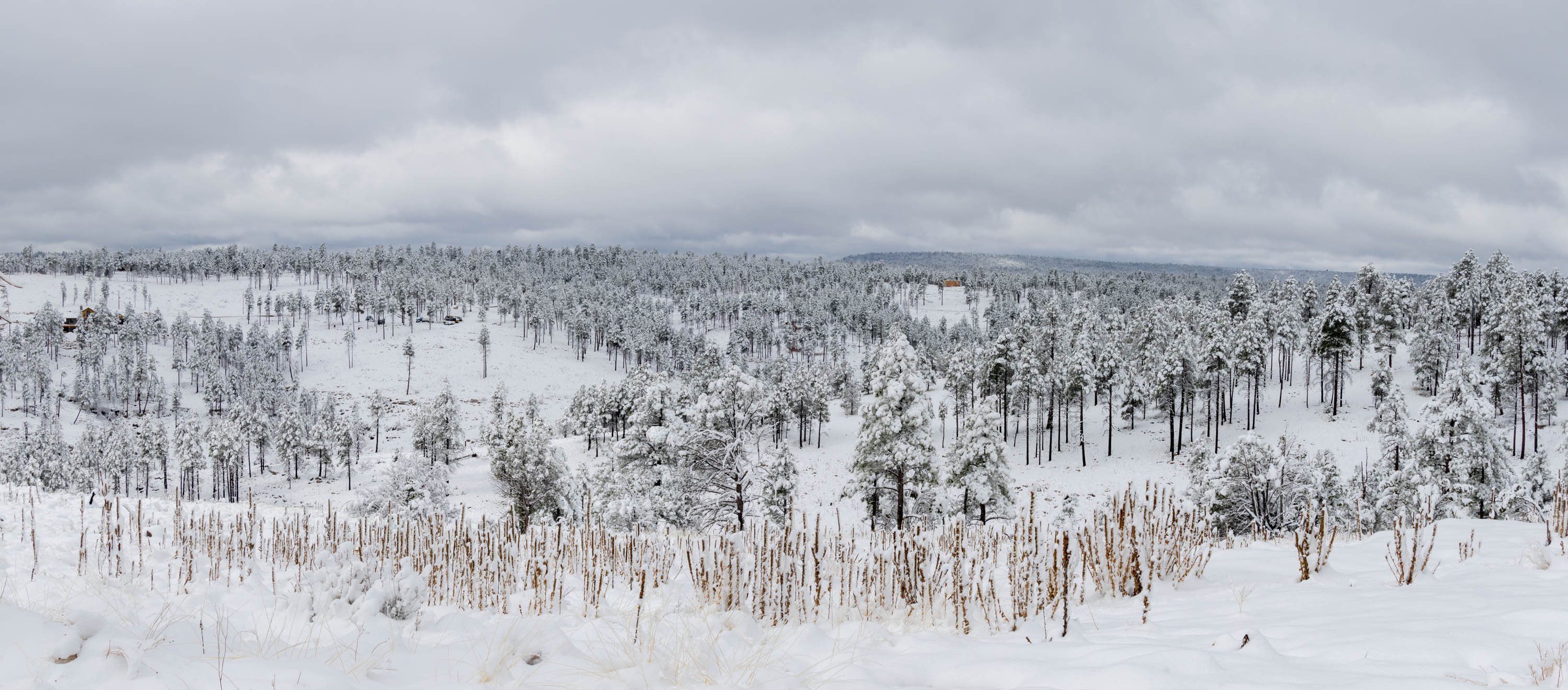
Let the Snow Fall

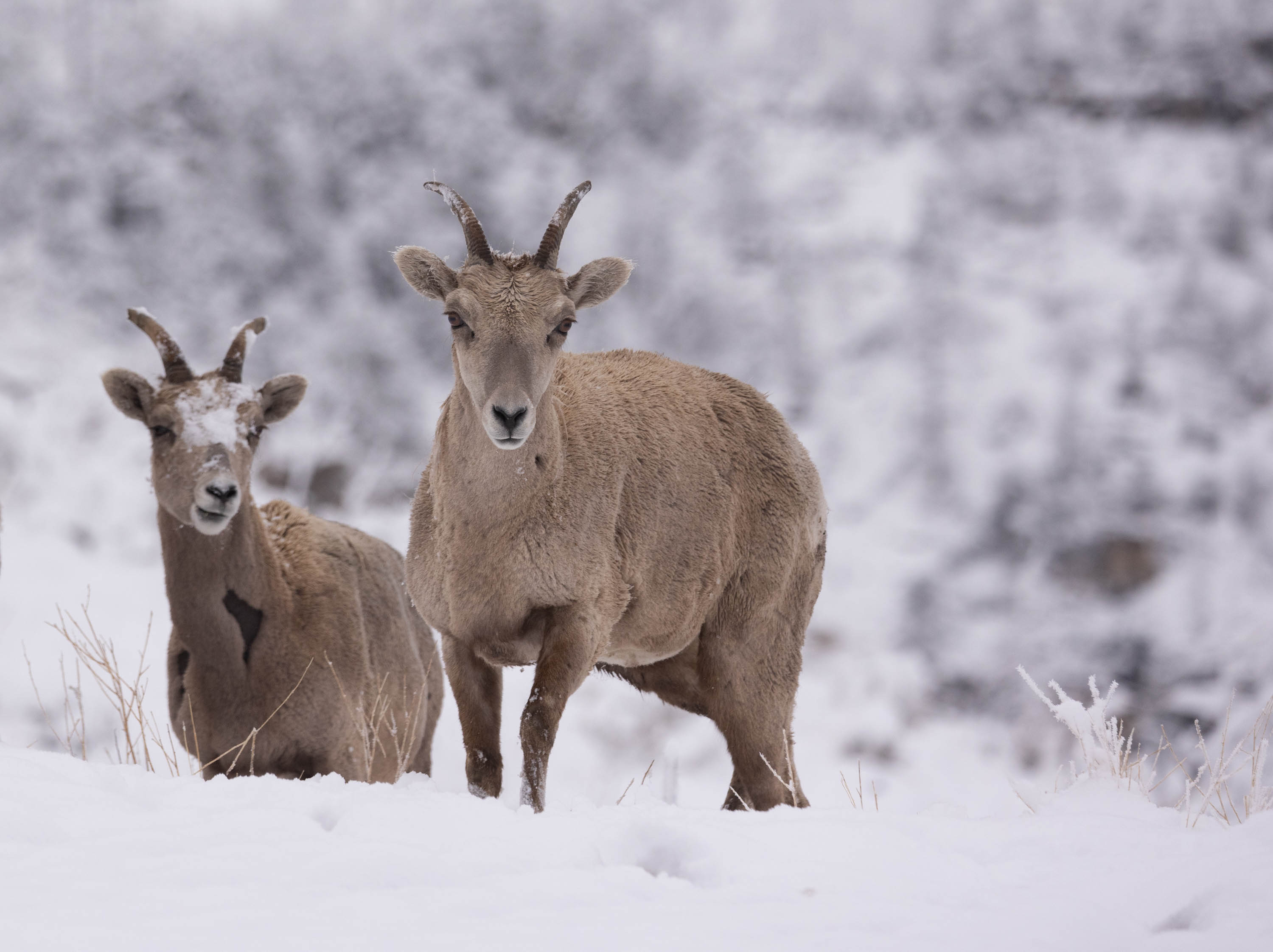
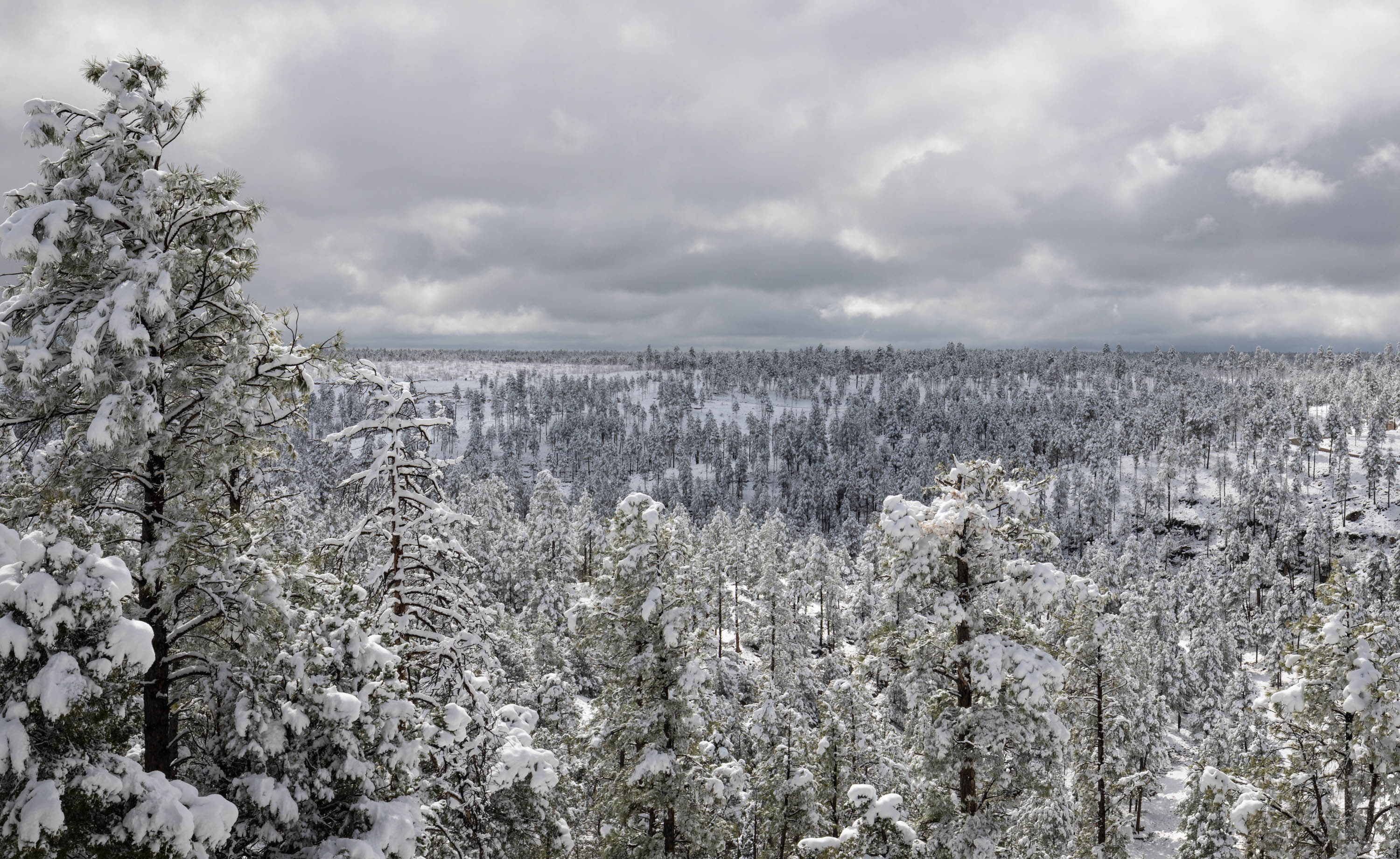
When it snows, we get going. Before it has a chance to melt we are out and about first thing looking for good light, great snow shots, and animals in the snow.

It’s pretty common for animals to hunker down during a snowfall. Once it’s over, they are out foraging for food. And we are keen to find them.

When I told a photographer friend that I actually just drove around looking for animals, he looked at me as if I was mad. I confess it takes a lot of time, and we spend a lot of time doing it. Sometimes you get lucky and it pays dividends.

After awhile though, you do find spots that tend to be more fruitful for different animals. I know where to look for antelope, eagles, osprey, and elk. It is WILD-life so nothing is predictable, but repeated outings make me more consistently ‘lucky’.

We left early, just as the sun started breaking the horizon (about 6:30am) and wandered around for hours.

Honestly, it’s rewarding just to be out in the beauty of nature. I never used to like snow, but have come to appreciate and enjoy the gorgeous fresh snow clinging to the trees and blanketing the forest. When I see the animals emerging from them, I appreciate that this is their gorgeous home that we live in together.

It’s a beautiful thing.

See more photographs of my snow outing here .. https://kritterspix.com/2025/04/19/snow-sheep/

Birds In Flight (BIF)

Believe it or not, BIF, is actually a category in Photography.

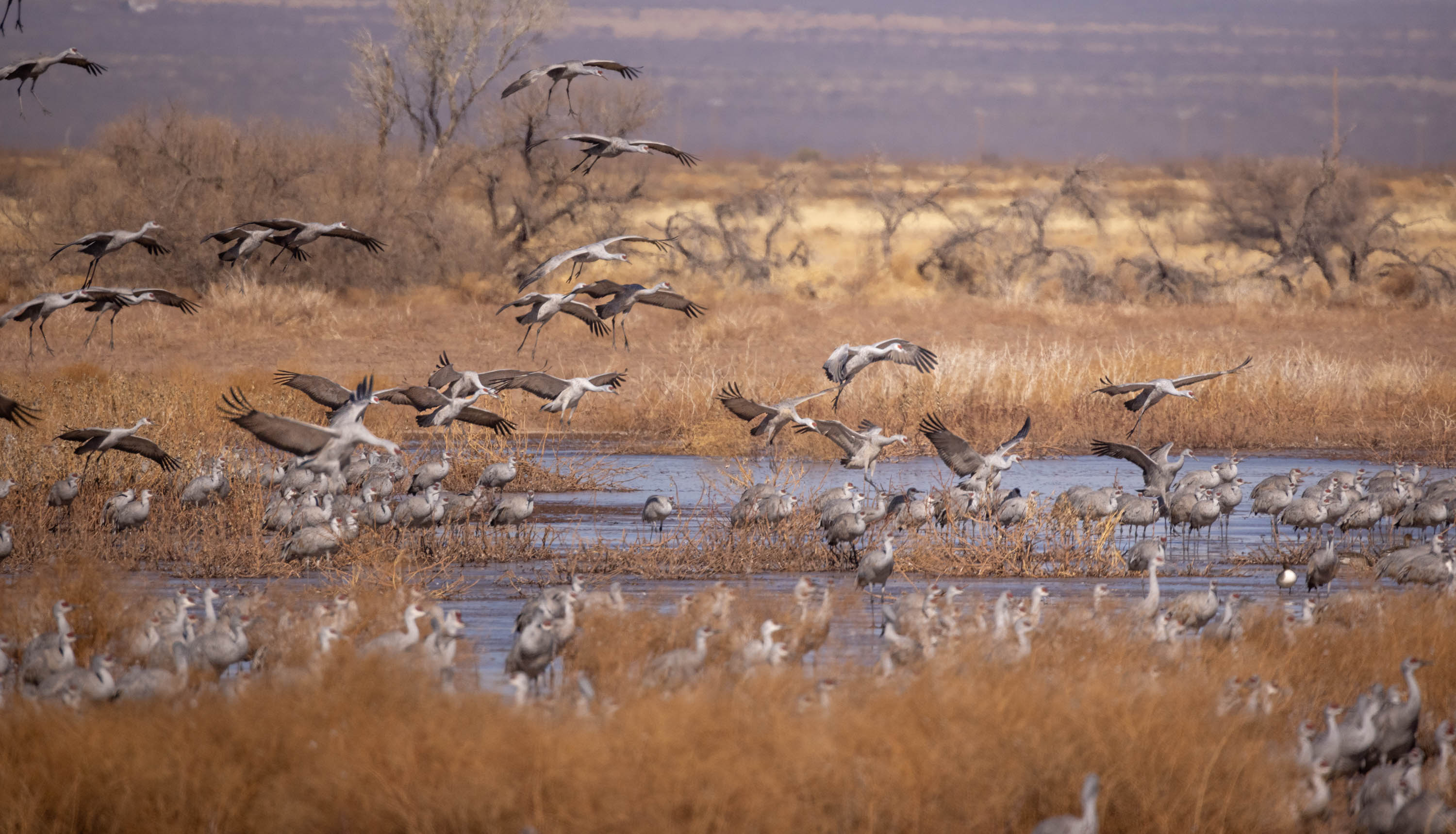
It is reputed to be a challenging and difficult field. Following our trip to Whitewater Draw for the sand hill crane migration, I decide to make it an objective to enhance my skills.

The bigger the bird the easier the task, as they are easier to focus on. Having said that, focussing on any bird in that brief snippet of time that it flies from here to there requires quick action to capture the bird in your camera sights.. and focus immediately, while the bird is in view.

Moreover, it requires get a well composed, clean shot, devoid of distractions, and sharp in focus. Preferably the you can see the full bird, being sure not to cut off the head or wings, and ideally be able to see the bird’s eye and head.

While these are not hard and fast ‘rules’ their are guidelines I employ in my shots. Sometimes, though, you get what you get. I prefer to get the bird coming into the frame, but when panning to capture the bird, sometimes you miss. One has to decide if the photo captured is a ‘keeper’ or trash depending on it’s ability to tick all the boxes of a good BIF photograph.

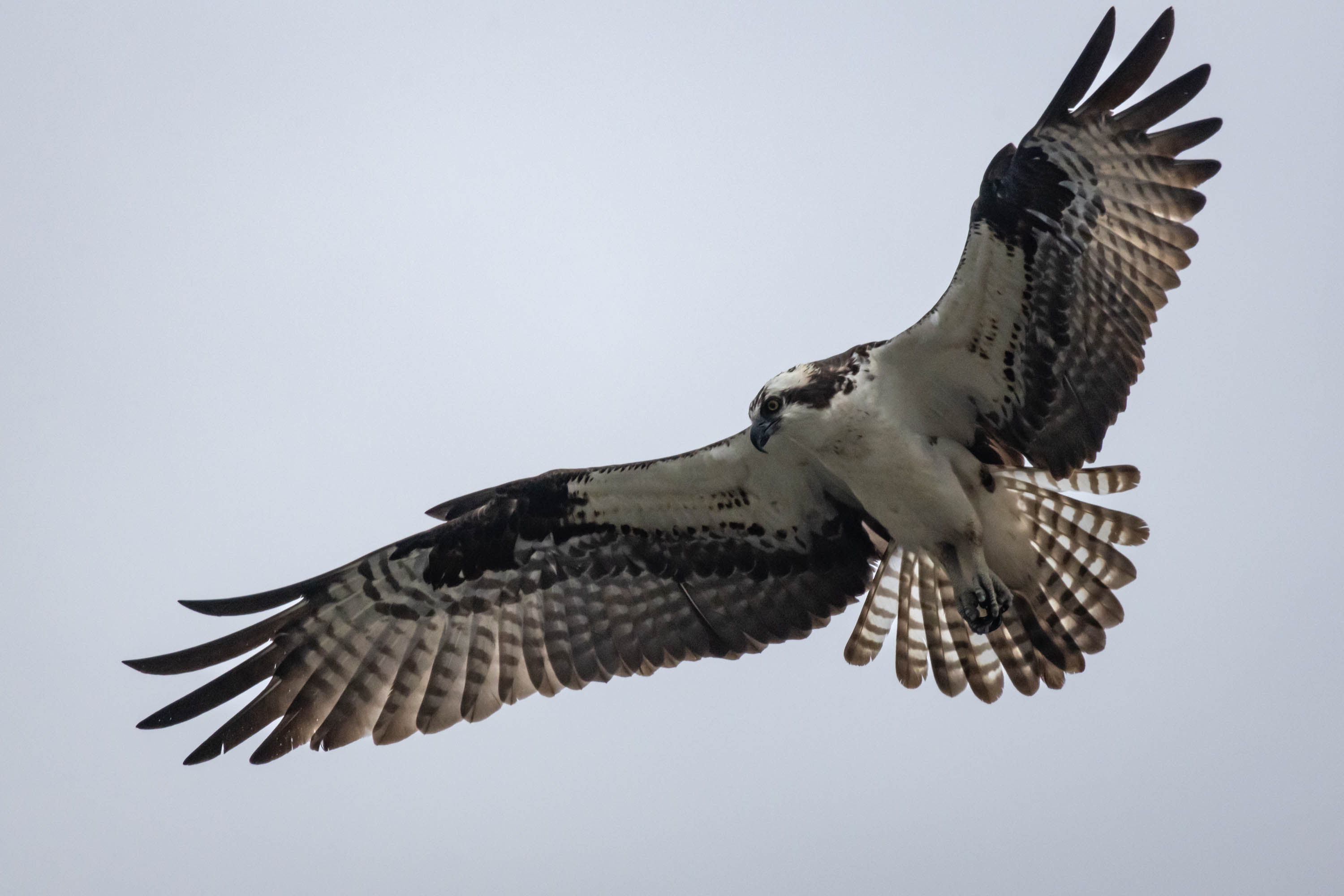
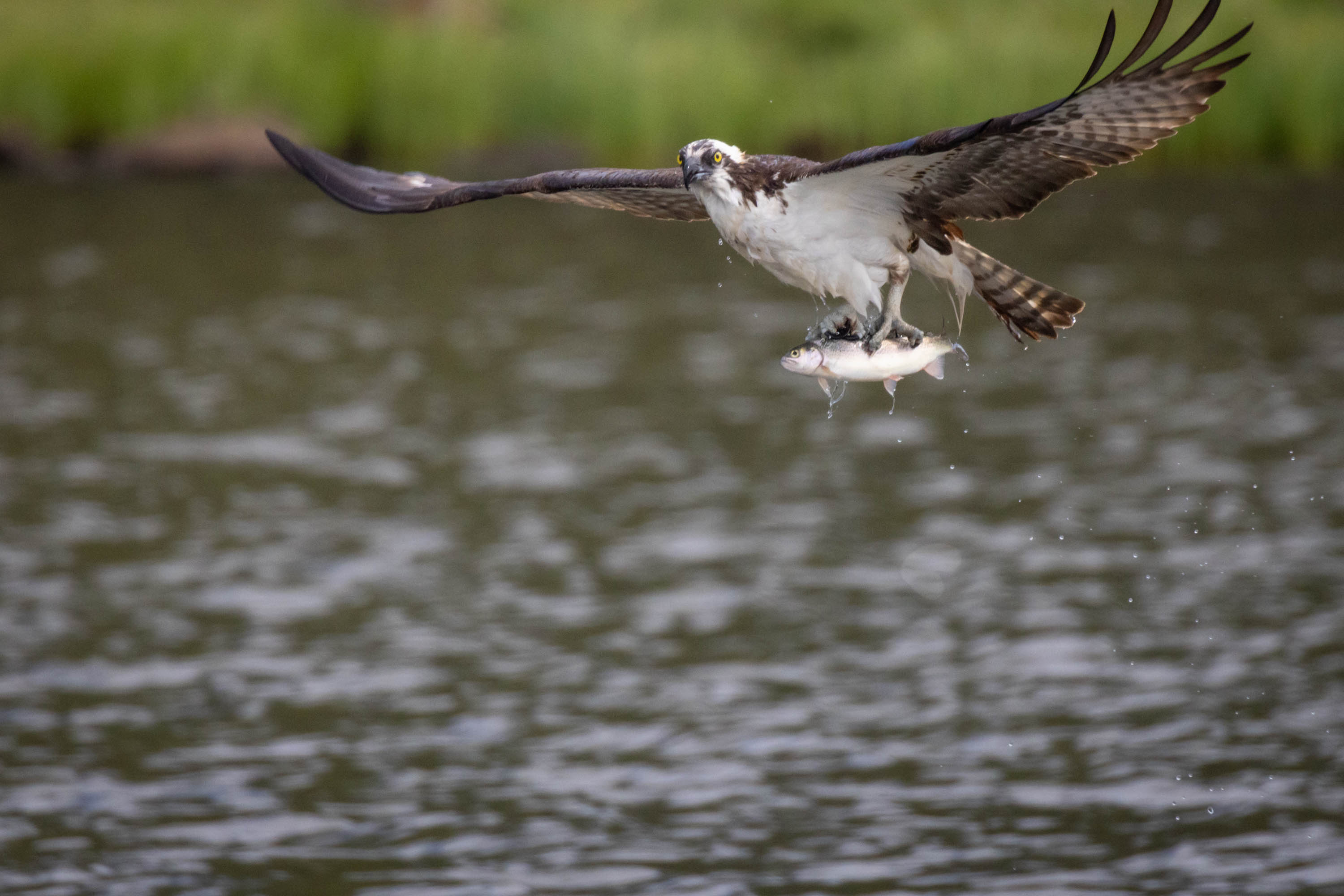
I find the most useful tip in capturing birds in flight is spending time to watch their behavior so that you can anticipate their flight. When I shoot osprey, their tell tale signs of a dive, are their hover, then dive, shake, then flight (hopefully with their coveted fish).

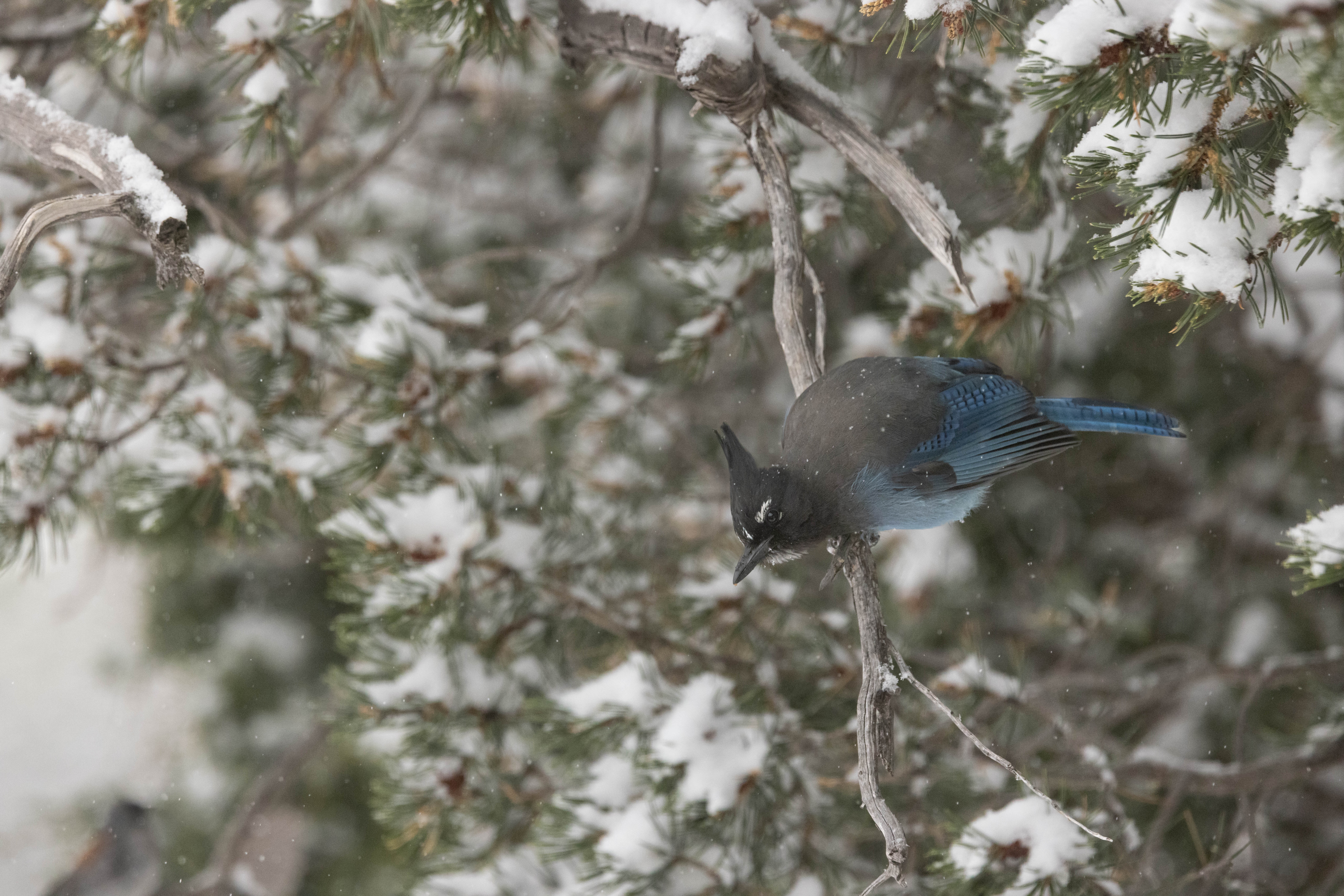
For smaller birds, your often will see a crouch-down prior to flight. They go quick, though, achieve focus prior to flight and follow them with the camera.

And finally, and probably most importantly, is – it takes lots of practice. Practice helps you to achieve capture and focus quickly. Find a good spot, sit, wait, and shoot. Repeat.

Worst case, spending time in nature is always relaxing and rewarding.

South Eastern Arizona

Living in Northern Arizona, Southeastern Arizona is a bit of a trek for us. This area is home to a lot of undiscovered (by us) territory to explore, and worth spending some time to get to know better.

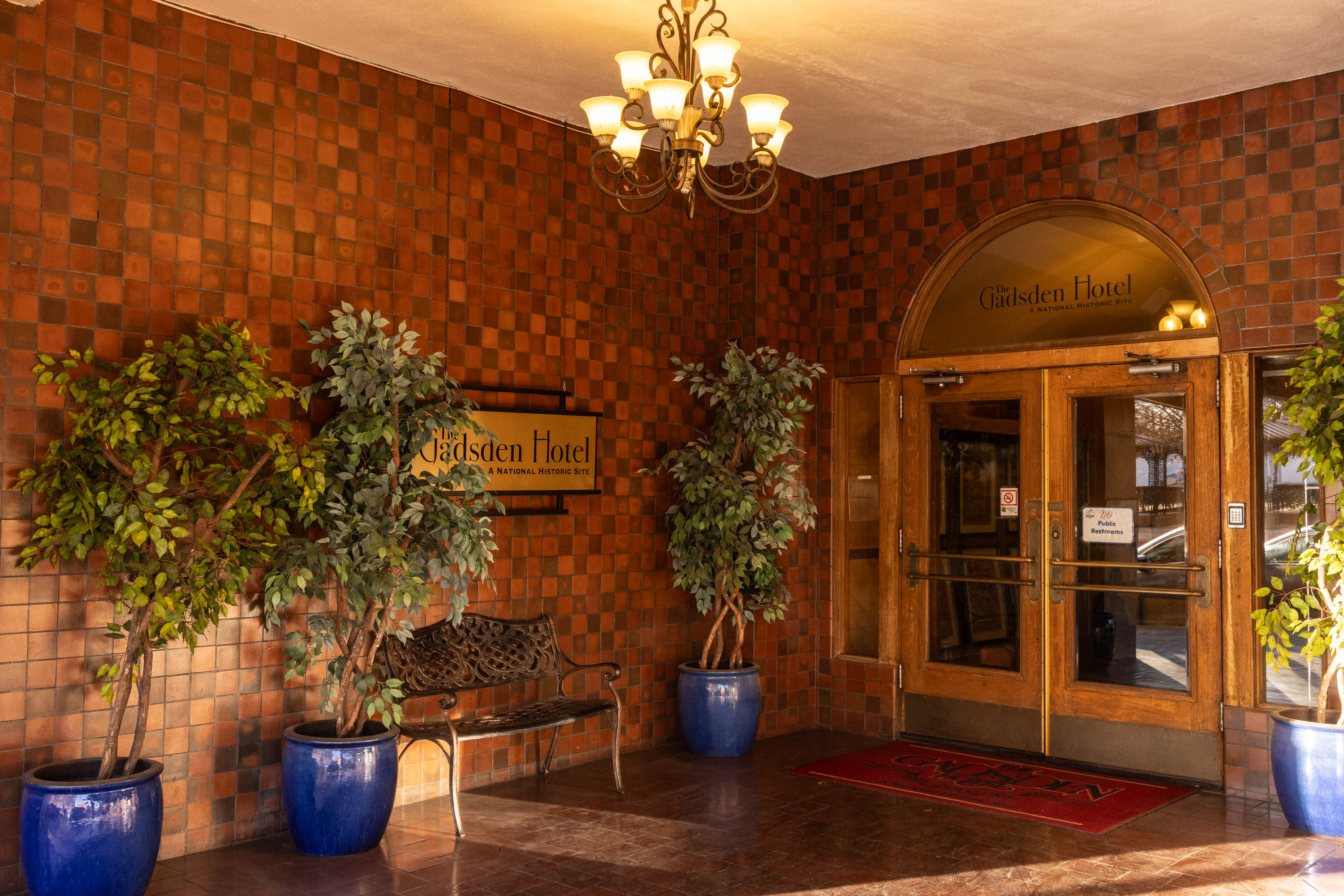
We started our trip in Douglas, just North of the Mexican border, at a place that many have suggested we go to see the fantastic stained glass, Gadsen Hotel.

The Gadsen Hotel was originally built in 1907 and named after the Gadsen purchase of the territory as a railroad opportunity. The hotel burnt down in 1928, but was rebuilt over the next two years and reopened in 1930.

We found the hotel displayed it’s opulence and elegance of a time gone by with grandeur. Wood and marble finishings throughout, marble pillars and large stained glass embellished the gorgeous hotel.

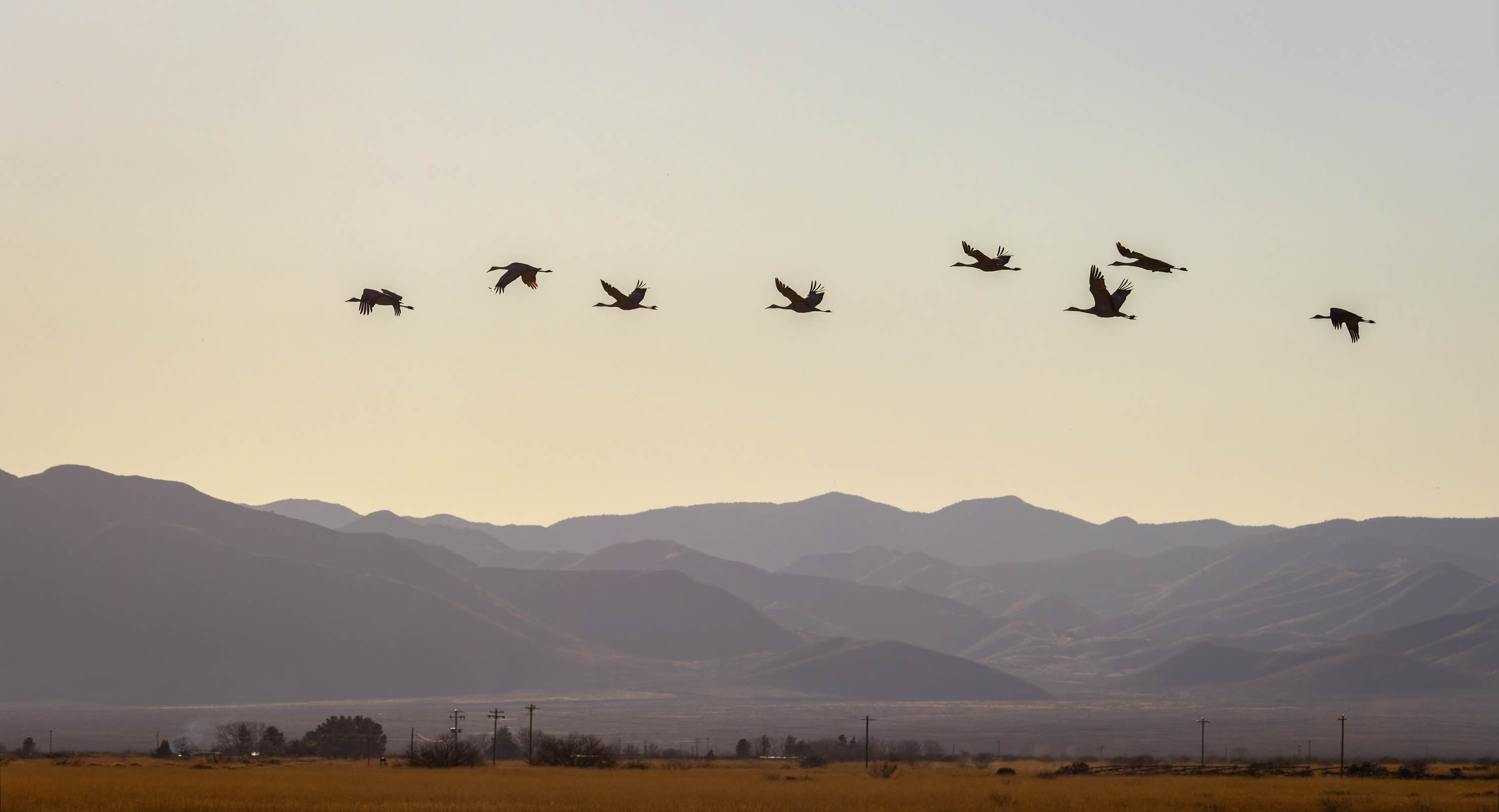
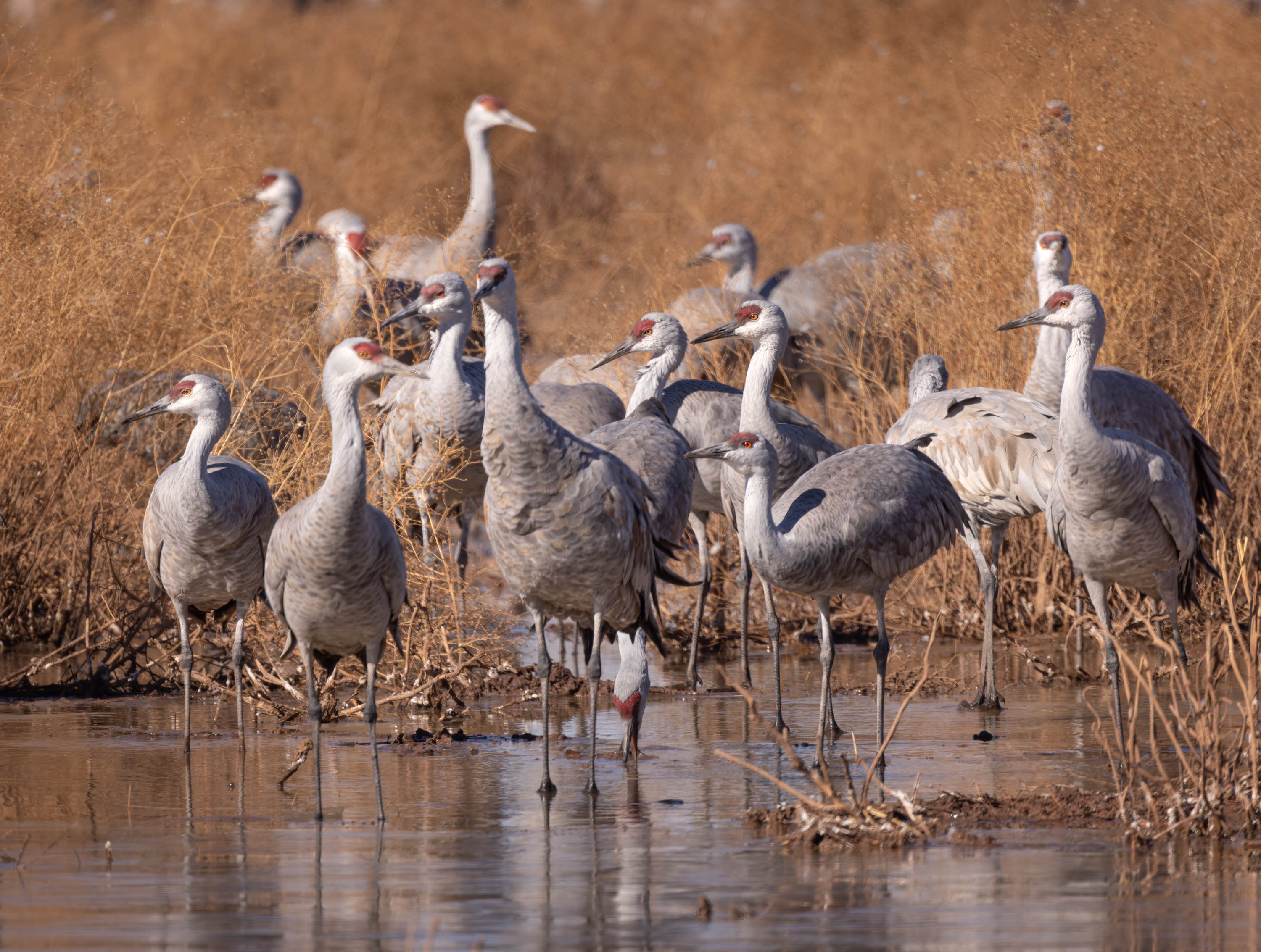
From our fun stay in this historic hotel, we headed Northwest to Whitewater Draw. A place we have now been to several times to witness the sandhill crane migration.

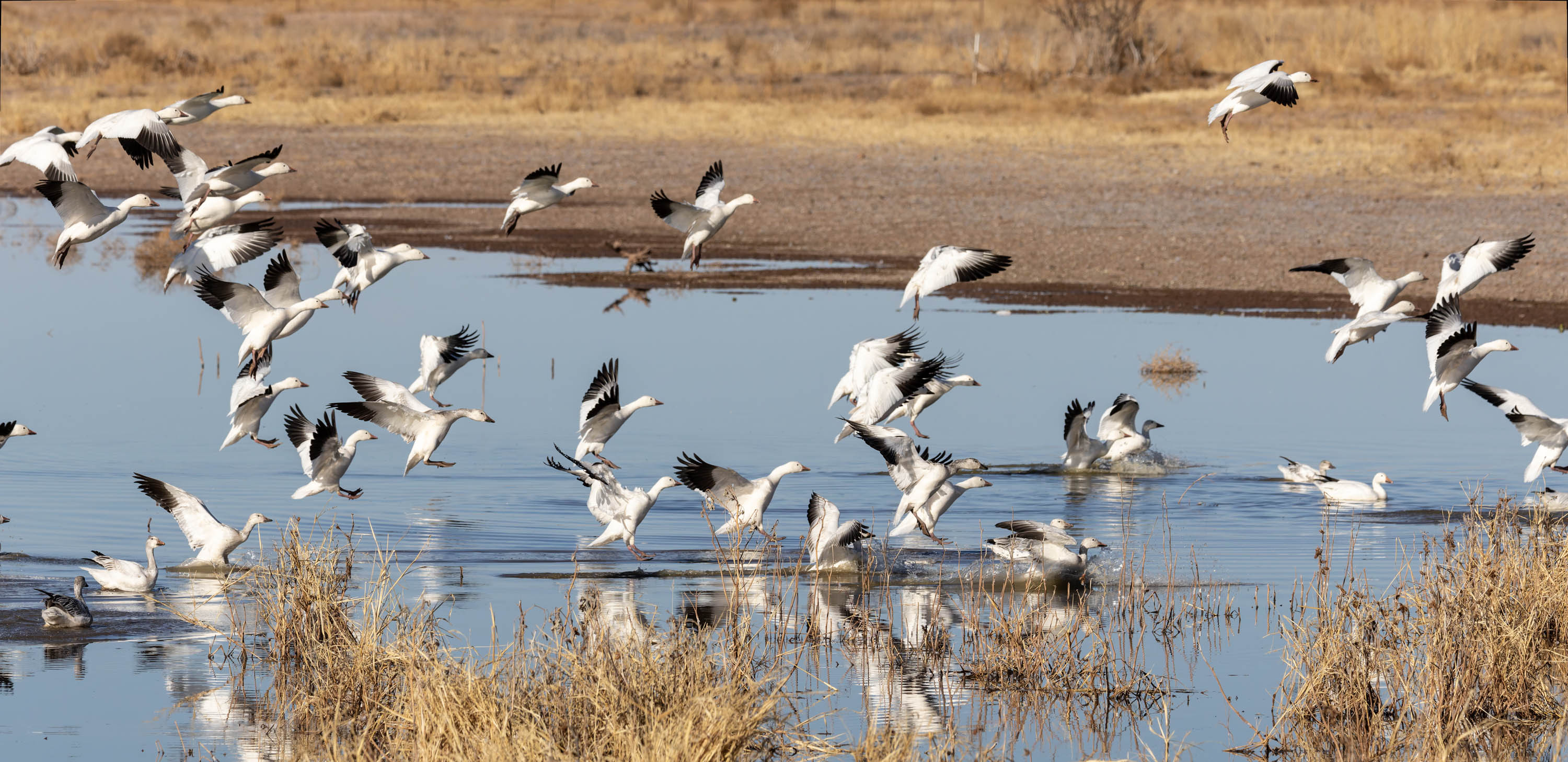
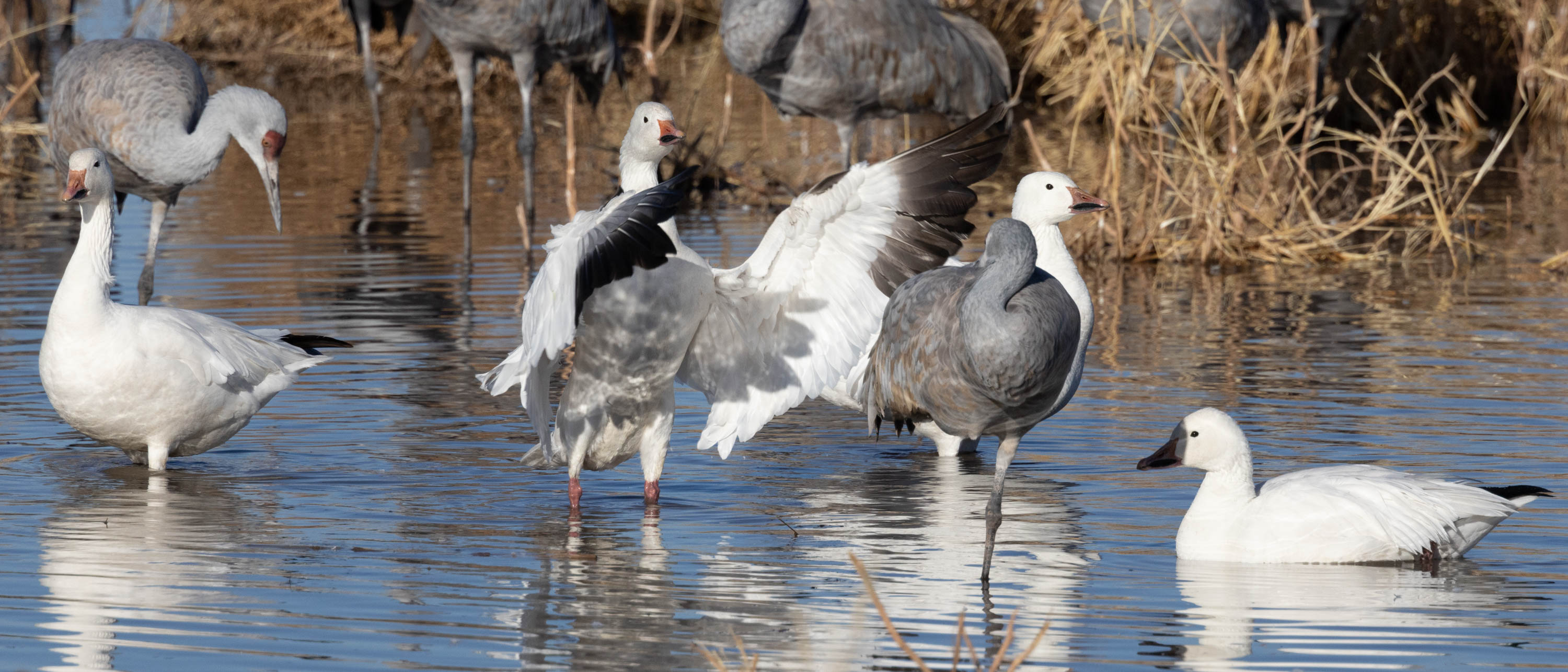
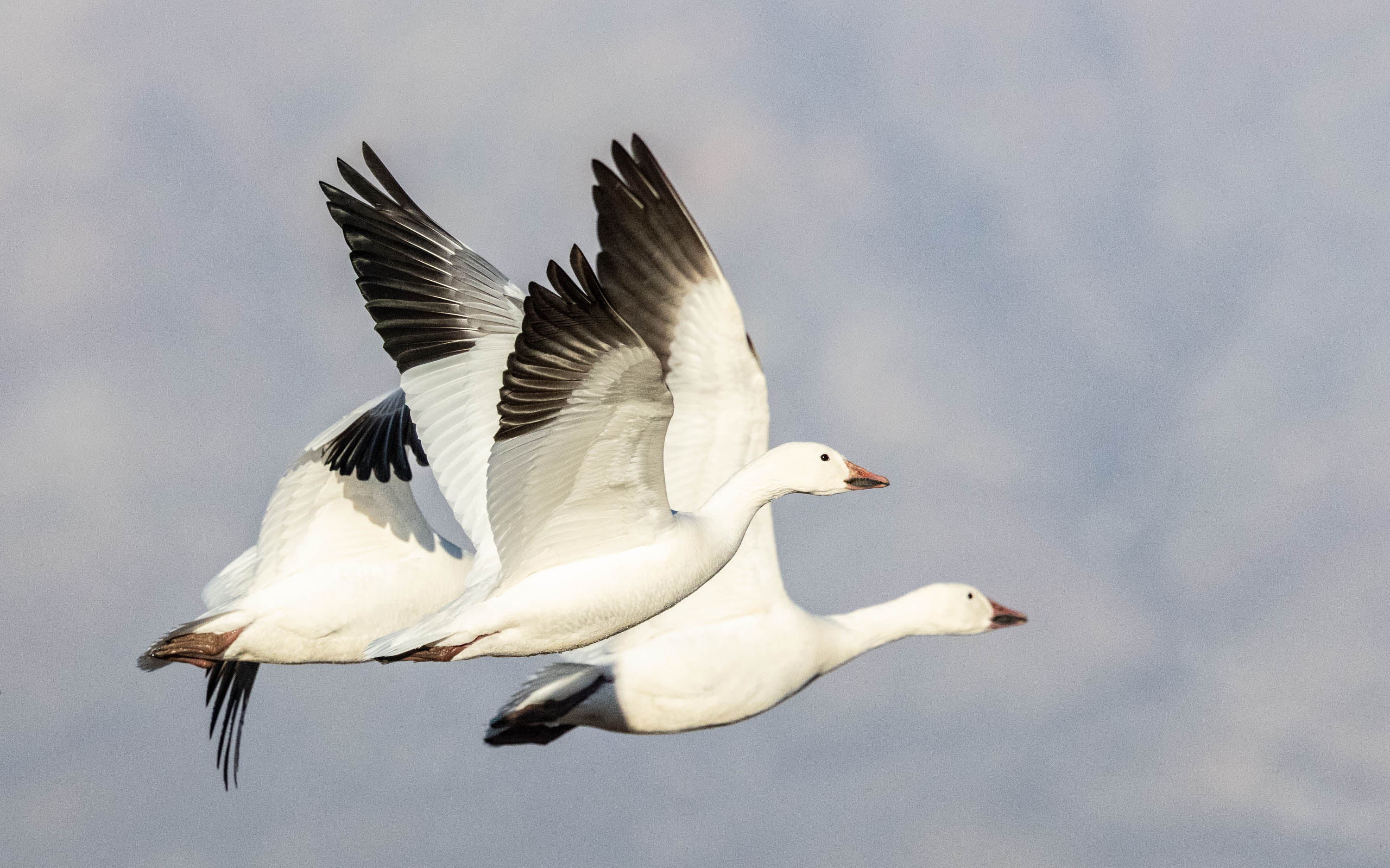
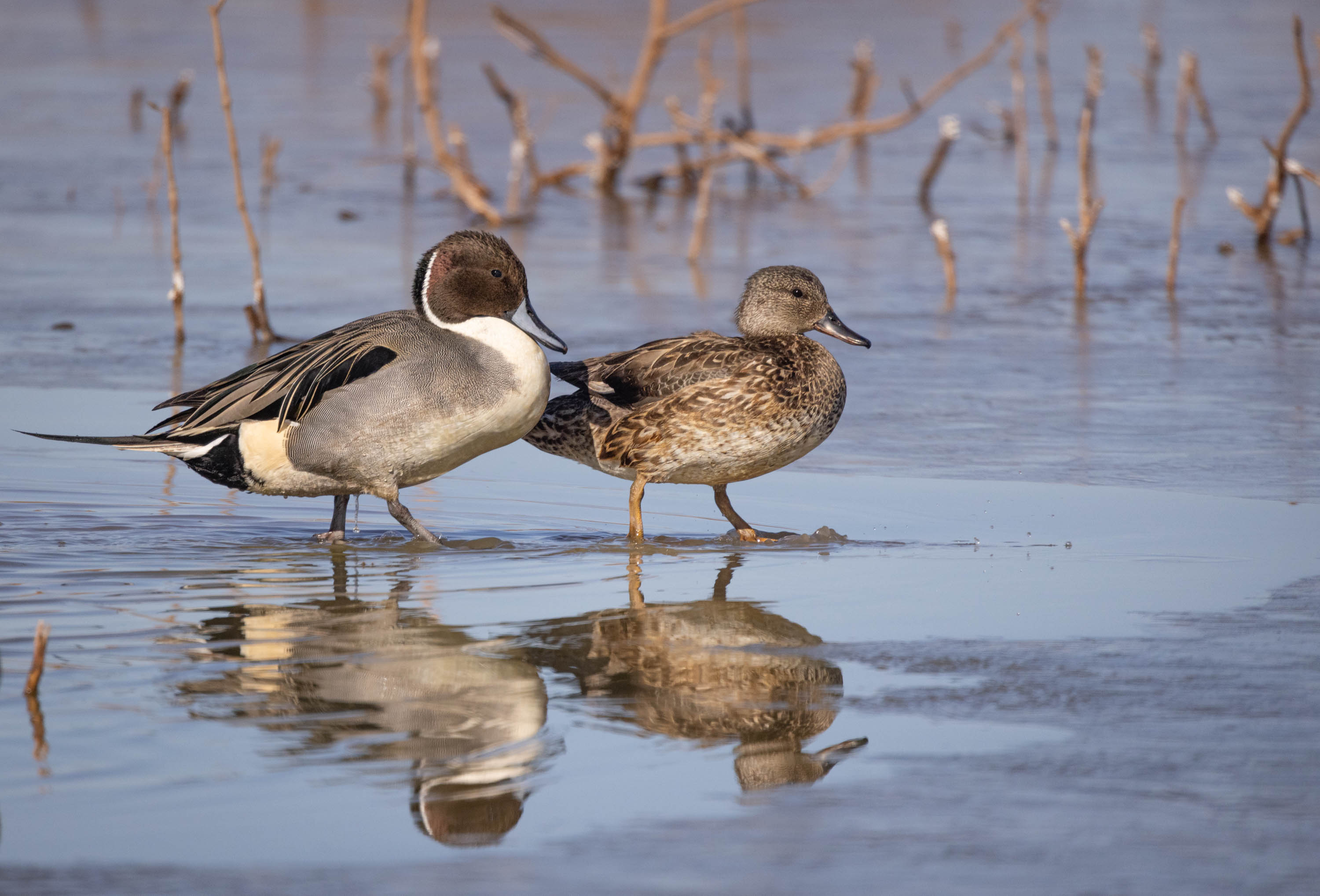
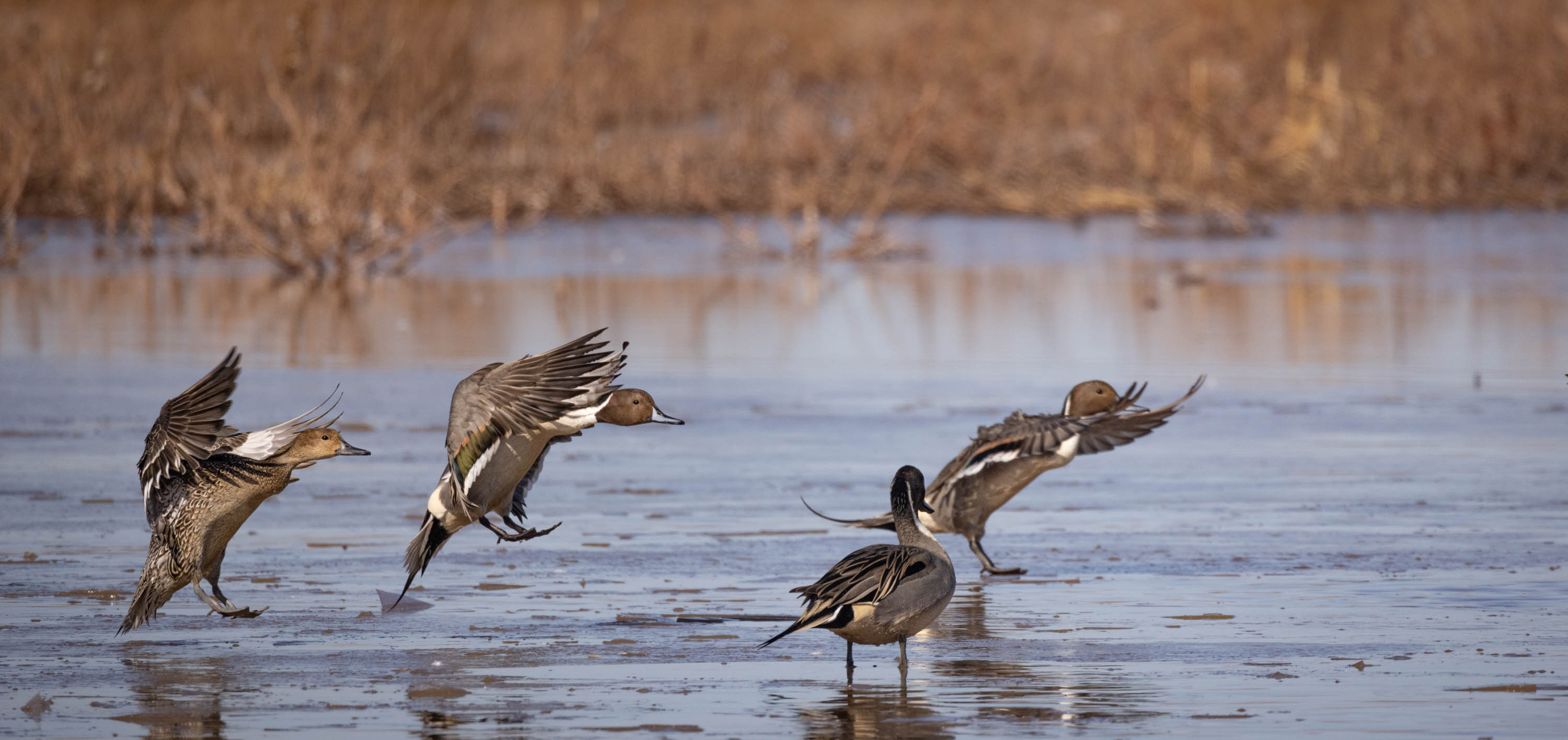
We enjoyed watching the snow geese and pintail ducks navigate the pools of water interspersed with sandhill cranes.

For more photos of our Whitewater Draw sandhill crane experience, check out my blog… https://kritterspaw.com/2025/02/01/whitewater-draw/

Whitewater Draw is not only a refuge for sandhill cranes, but for a variety of owls, hawks, ducks, numerous waterfowl and birds. For the birdwatcher and nature lover, it’s a great place to experience.

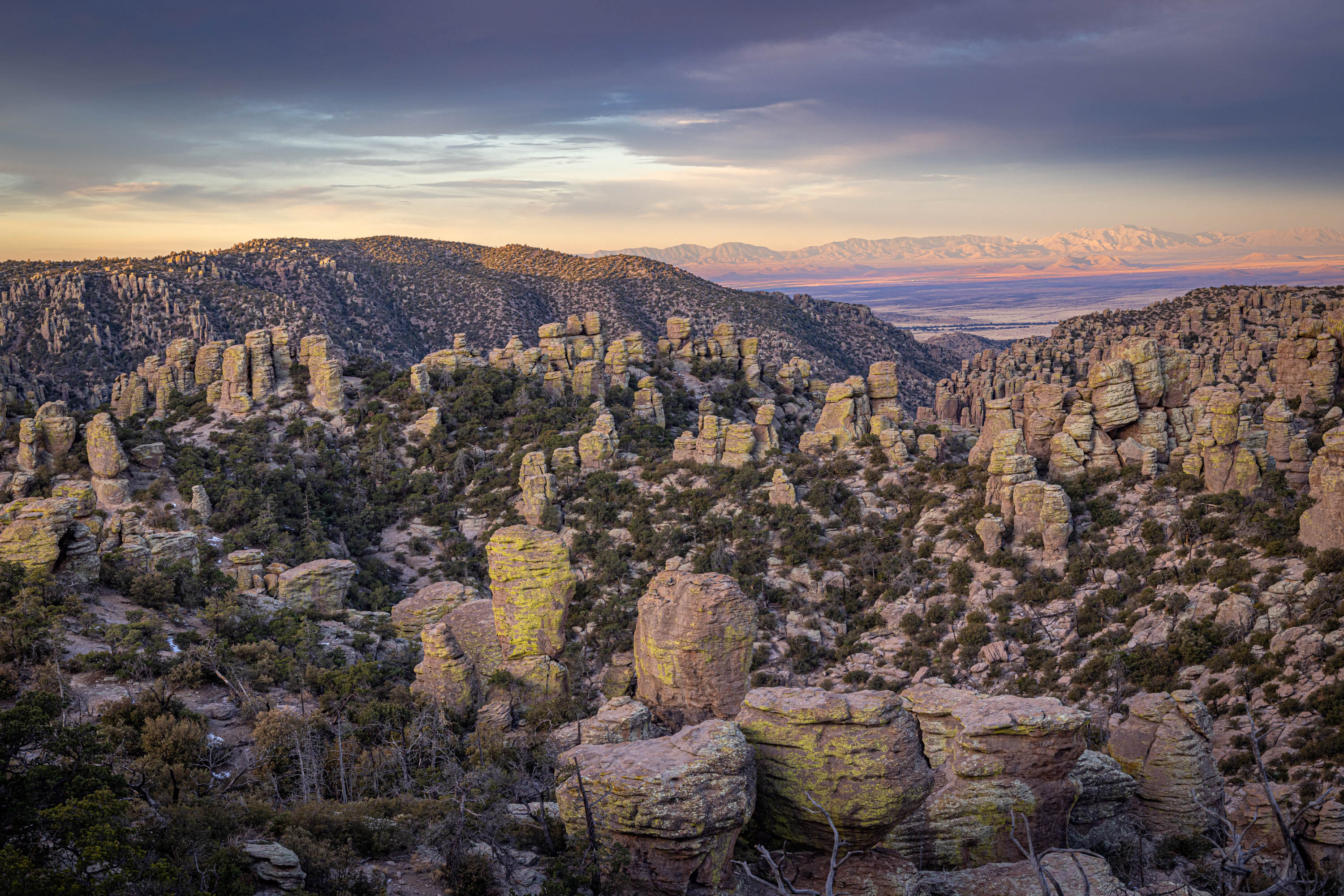
Following our immersive trip of Whitewater Draw, we headed another hour Northeast to the New Mexico border and took in the Chiricahua National Monument.

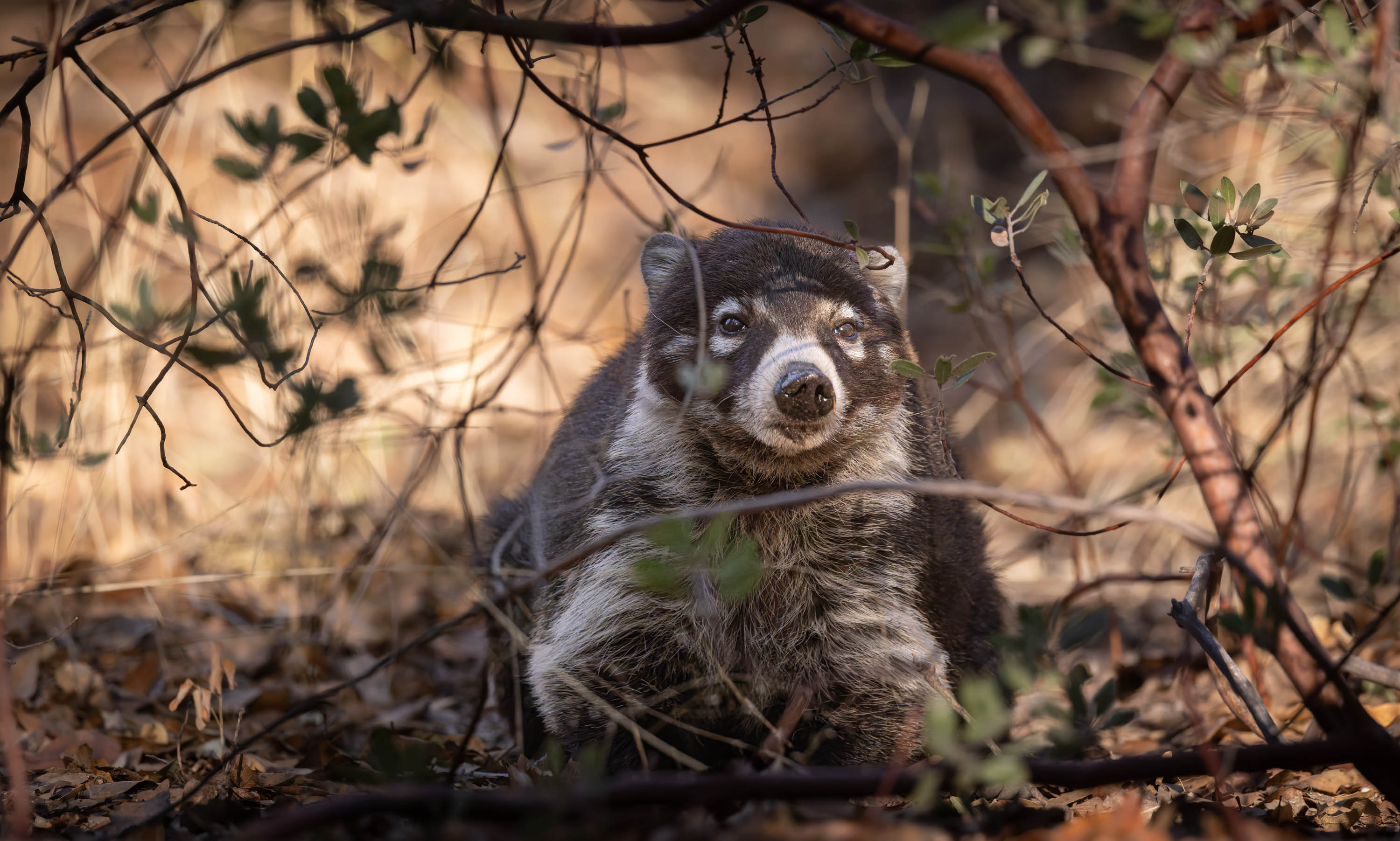
We delighted in our first coati sighting and a very pleasant stay in a nice park on the outreaches of Arizona.

Check out my photos of Chiricahua’s here… https://kritterspix.com/2025/02/01/chiricahua-national-monument/

Whitewater Draw

Whitewater Draw is a large marshland obtained by the Arizona Game & Fish Department (AZGFD) from previous ranch land to manage as a natural habitat for the many birds and animals that frequent the area.

The AZGFD has re-seeded the native grassland to restore and conserve the environment, by flooding the wetlands, creating a natural habitat.

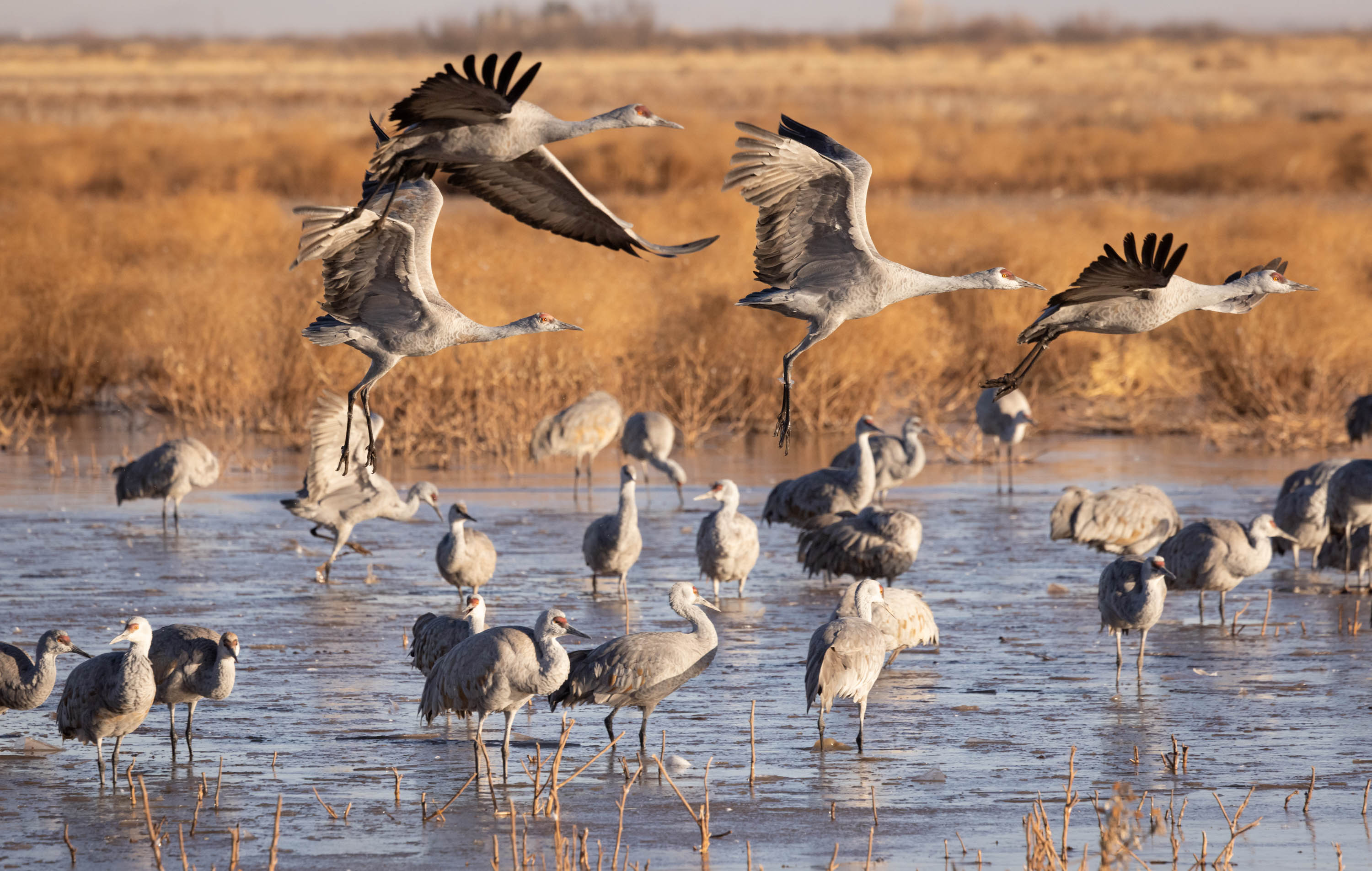
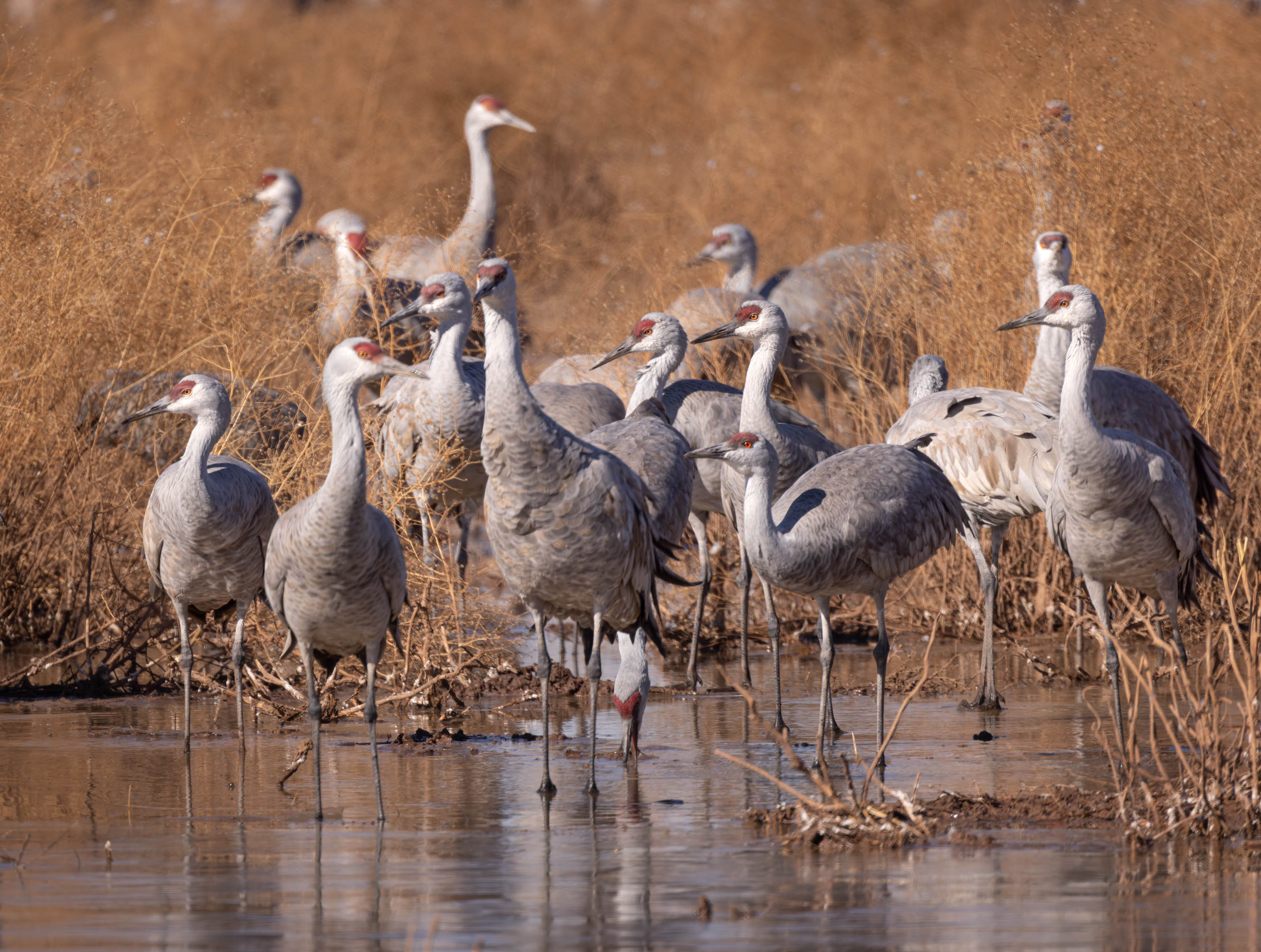
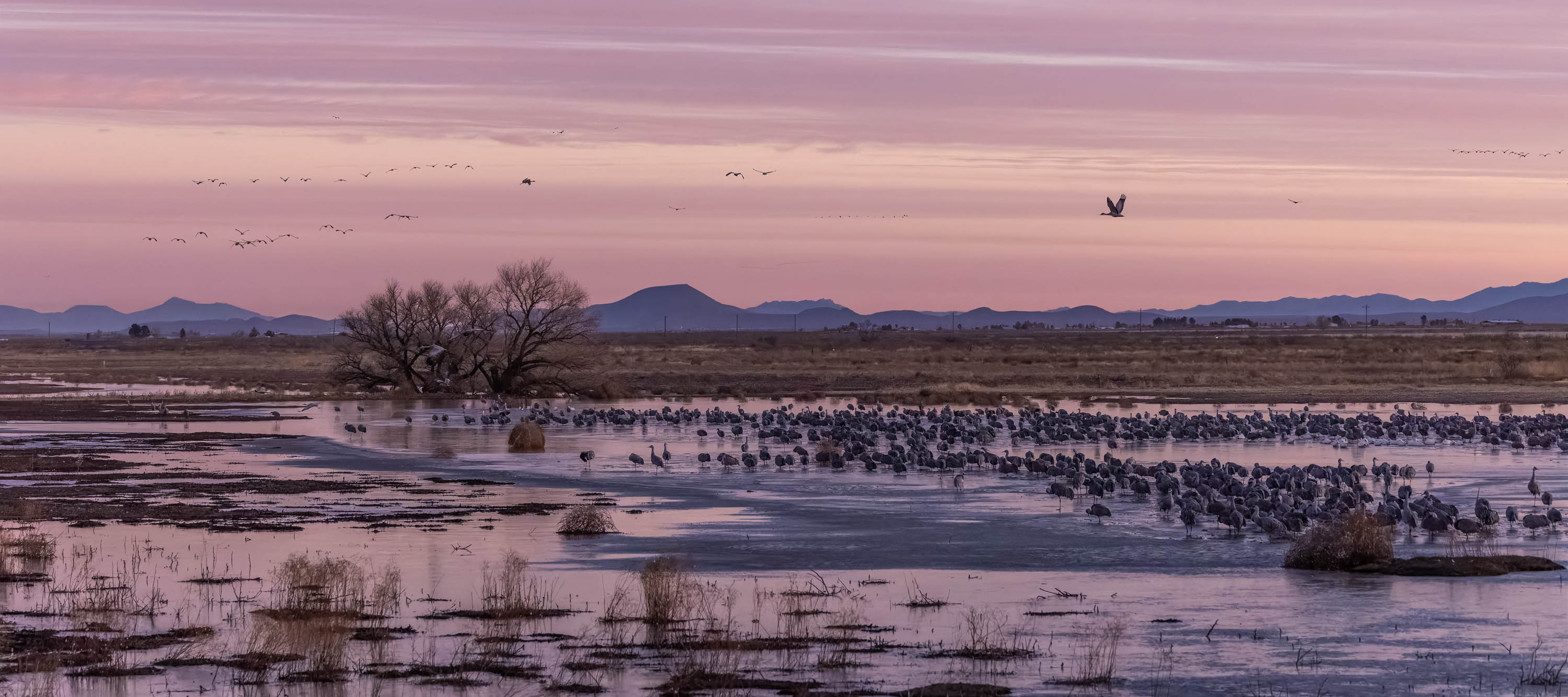
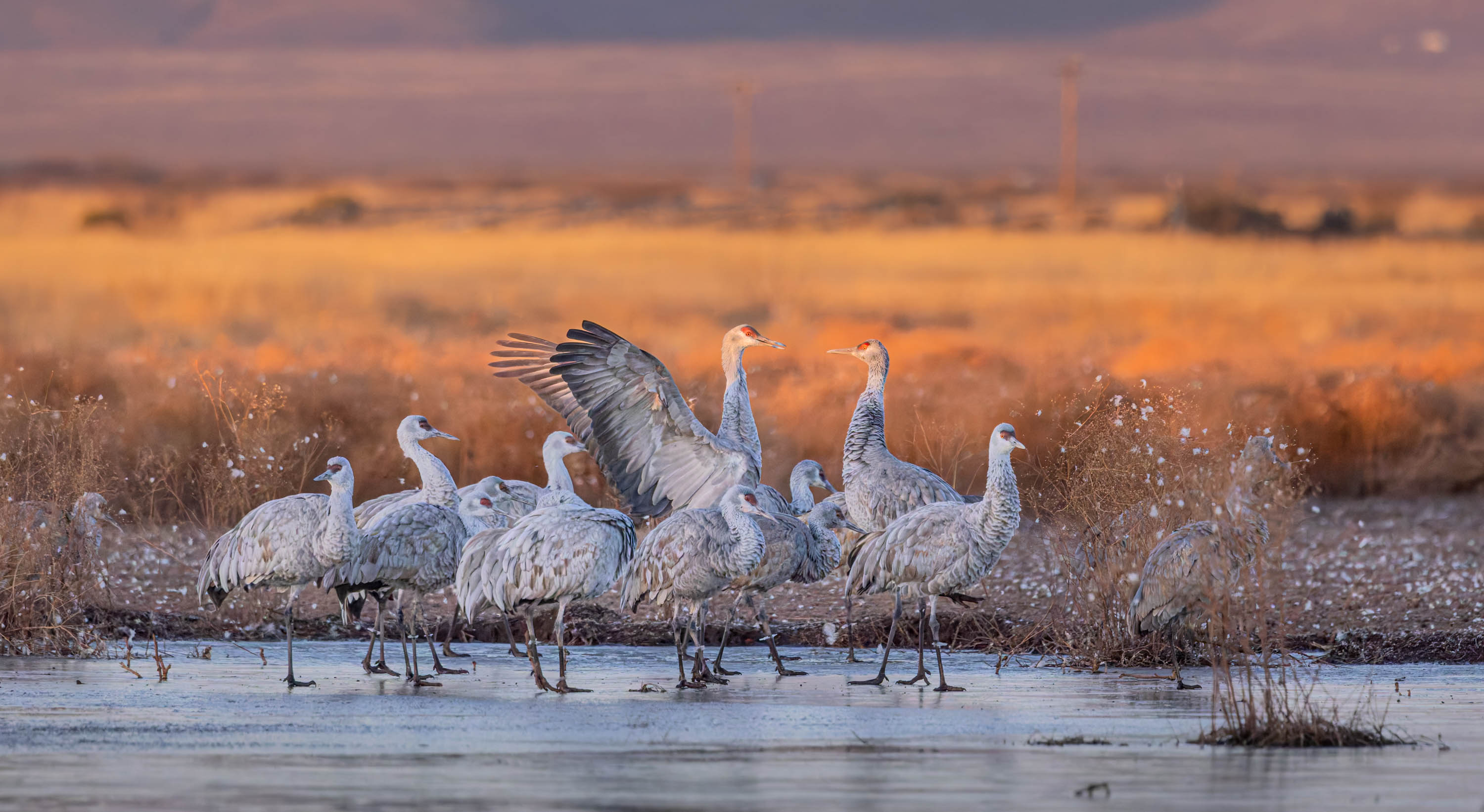
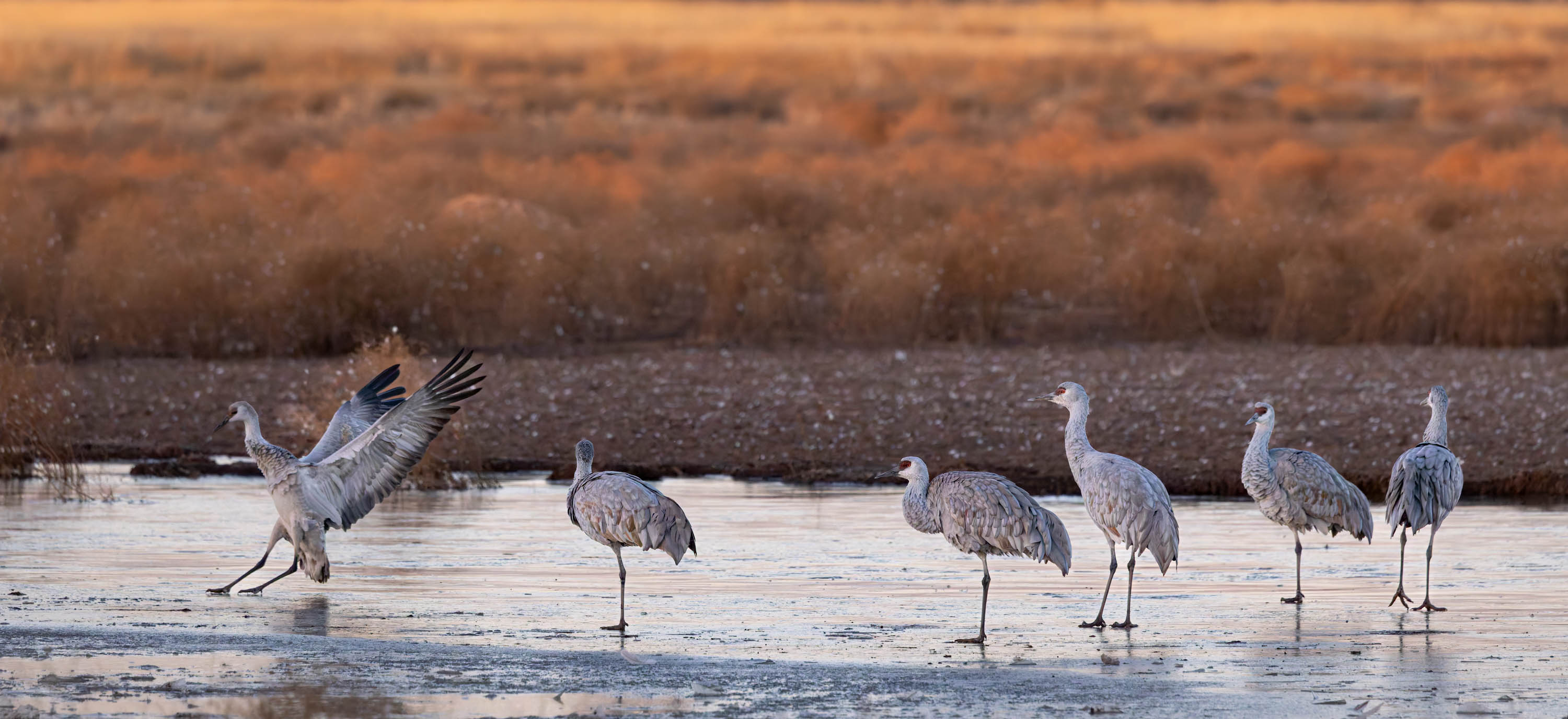
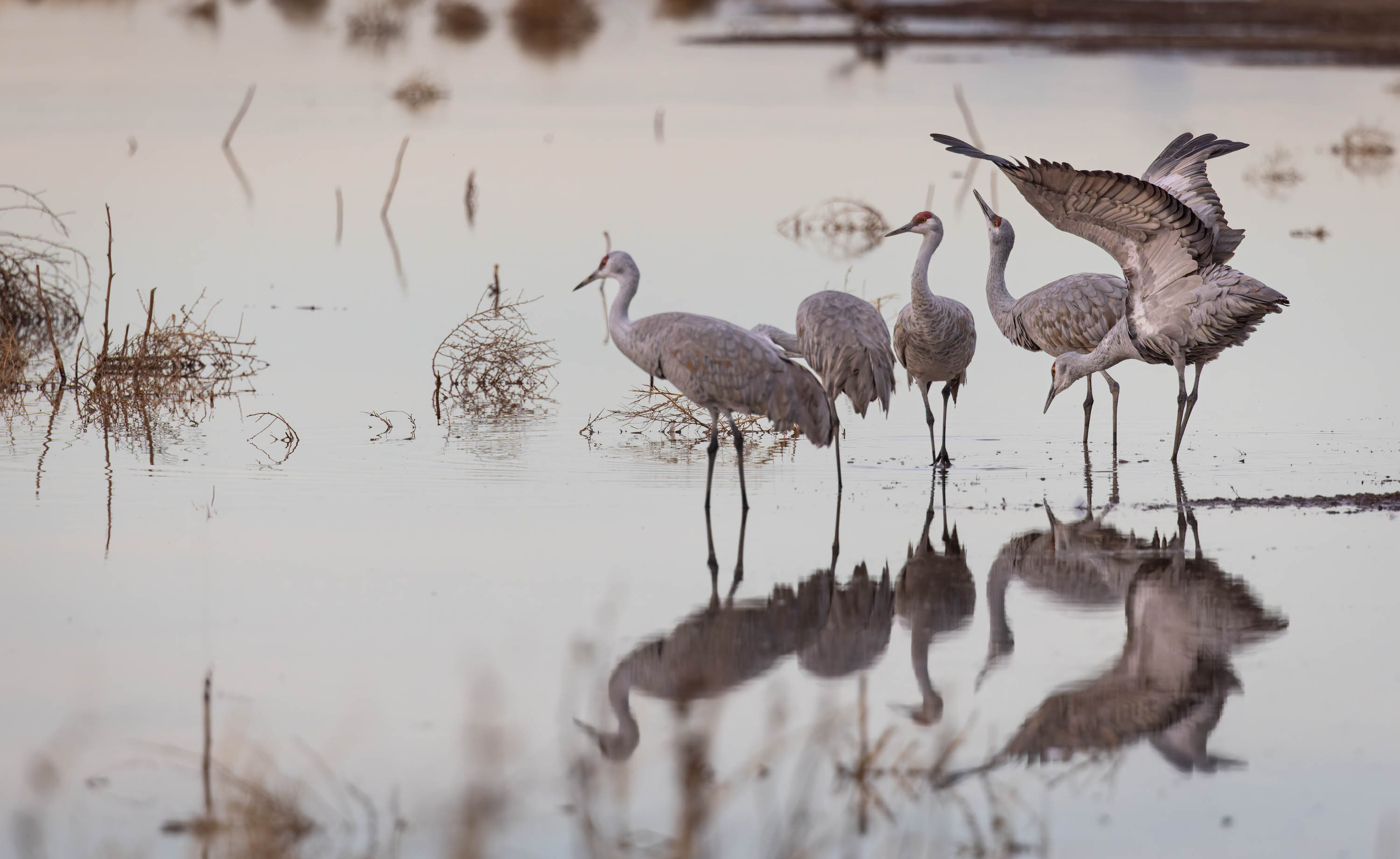
Between November and March sandhill cranes flock to the area to escape the harsh climate as far away as Siberia, Canada, and Alaska. They must have been none to pleased to find themselves skating on sheets of ice during the cold front we witnessed during our visit in January.

There were far less cranes this year than in previous visits, possibly as a result of the temps, but more likely due to the reduced water levels at the site, which made it difficult to sustain the normal large volumes of previous years.

We were last at Whitewater Draw in 2022 when there were estimated 40,000 cranes. This year (2025), there were only 12,000.

Still, it was great fun to see the cranes mass fly out in early morning (6:30am – 7:00 am). Some would return to feed on the grain around 10:30am – 2pm, then the rest would return in bulk around 5pm.

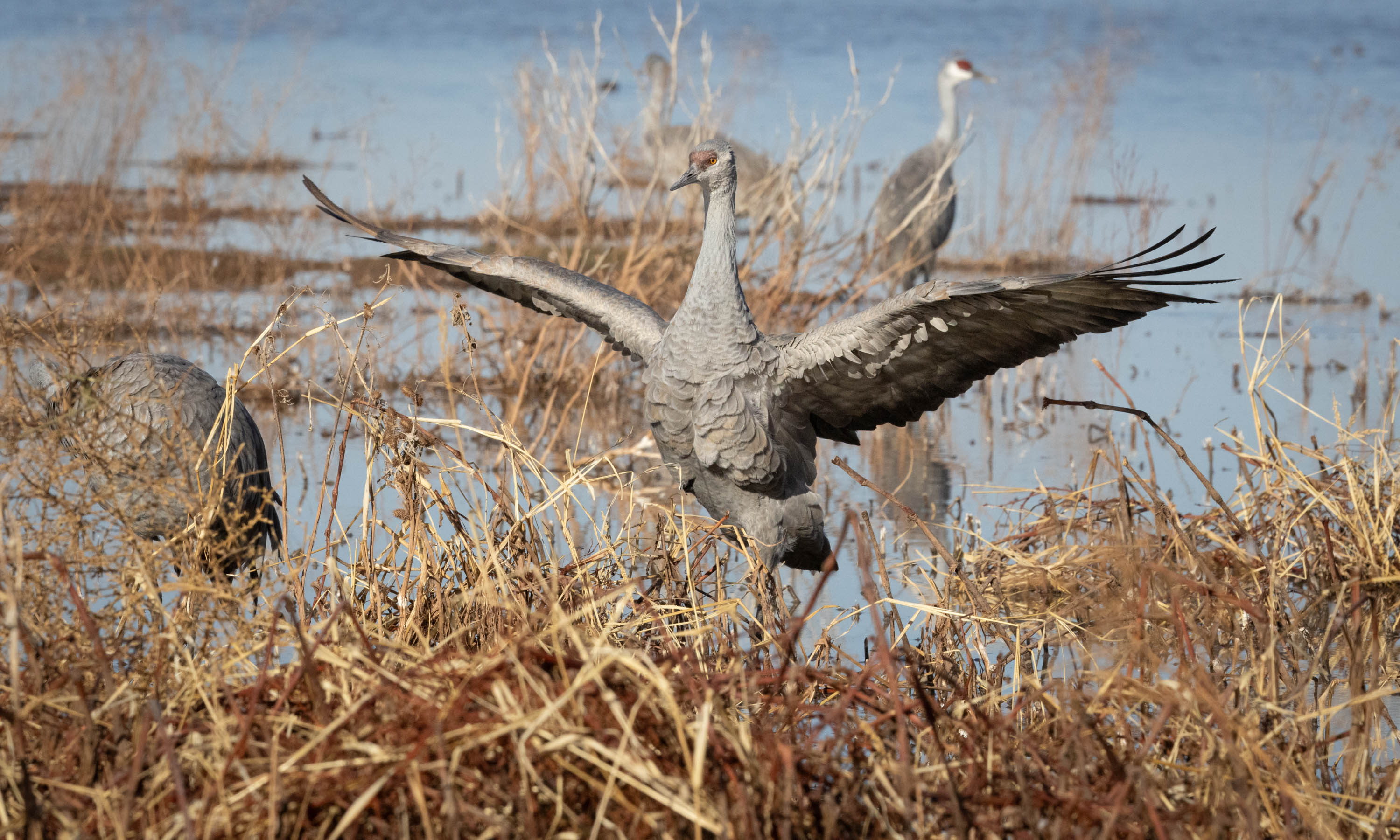
We spent 5 days at the site allowing us to observe their behavior throughout the day. We loved watching them ‘sing’ and ‘dance’ as they talked to one another vying for position and mates.

Hopefully, in future years they will return to their higher levels. No matter, the site is quite the spectacle to see, and certainly worth a visit to watch and enjoy.

Check out my other posts on our trip here .. https://kritterspaw.com/2025/02/01/south-eastern-arizona/ and here .. https://kritterspix.com/2025/02/01/chiricahua-national-monument/