I don’t think of myself as a bird watcher. Originally, I leaned more toward landscape photography.
But as time went on, I found myself taking photos of more and more animals, and getting them published. All the sudden I was a wildlife photographer. How did that happen?
I love all animals.. and landscape. Honestly, I just love being outdoors and enjoying nature. NATURE! Let’s go with that. I am a Nature Photographer. Call me what you will (be nice!), but I just enjoy gorgeous scenery and adore watching any animals, including birds.
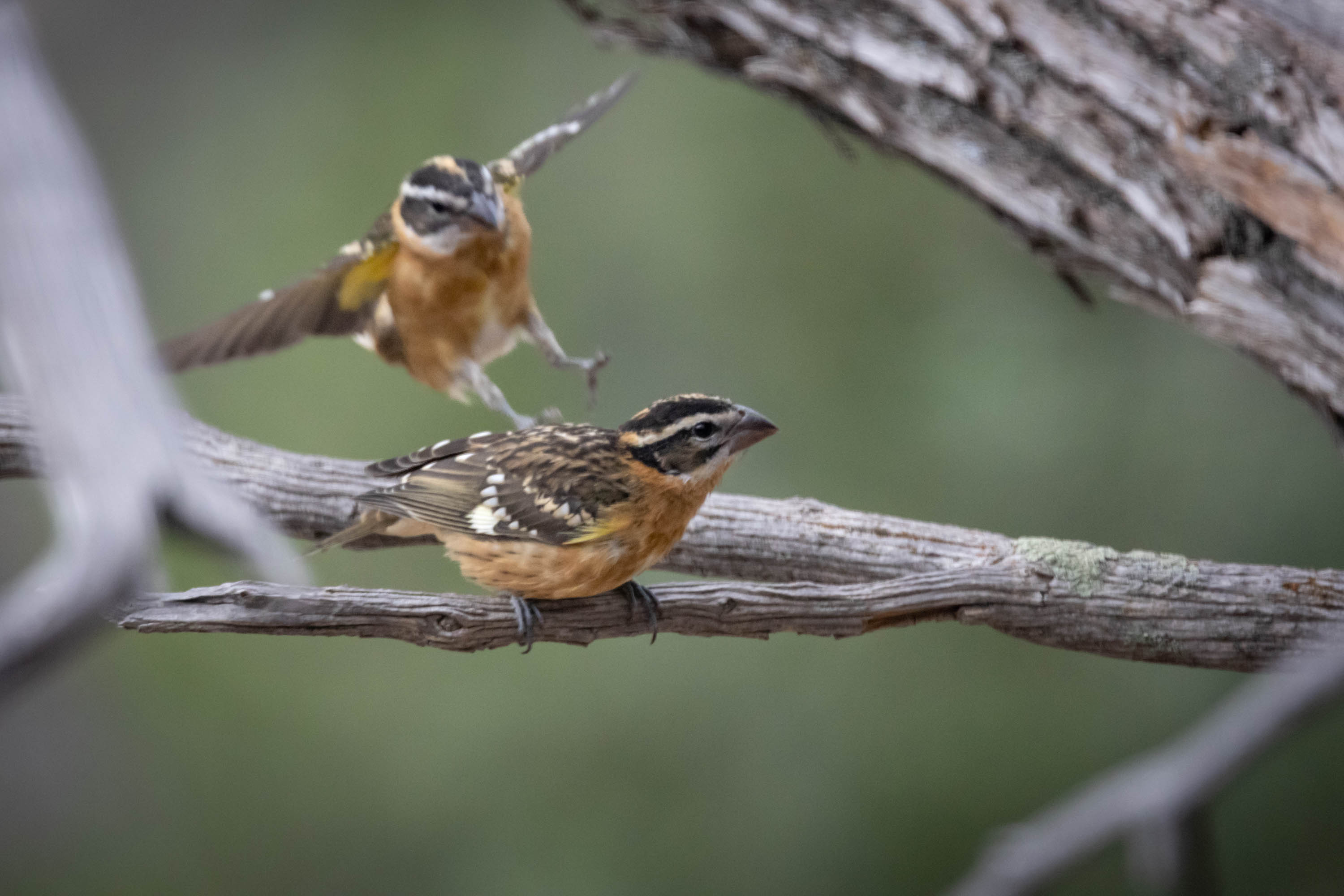
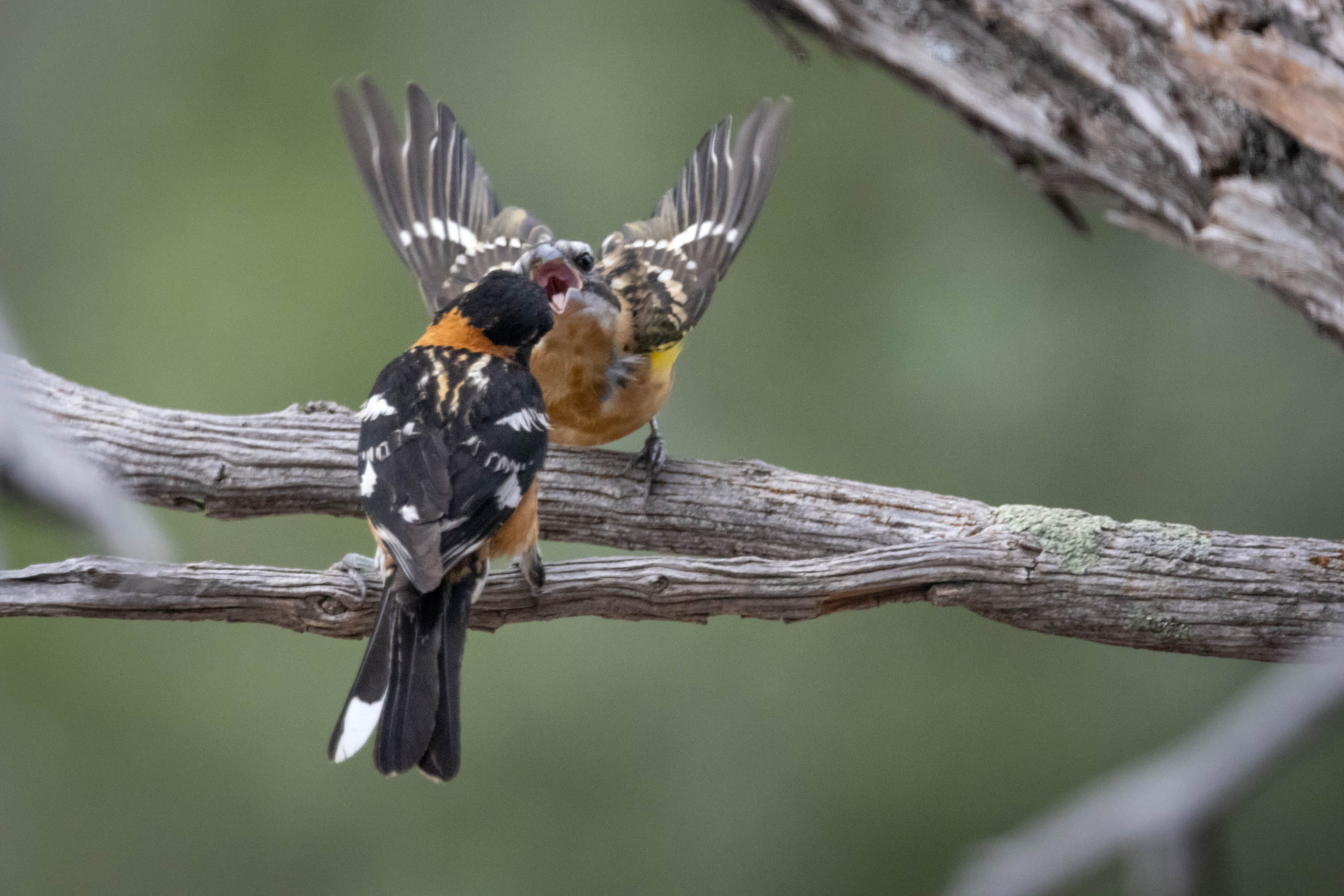
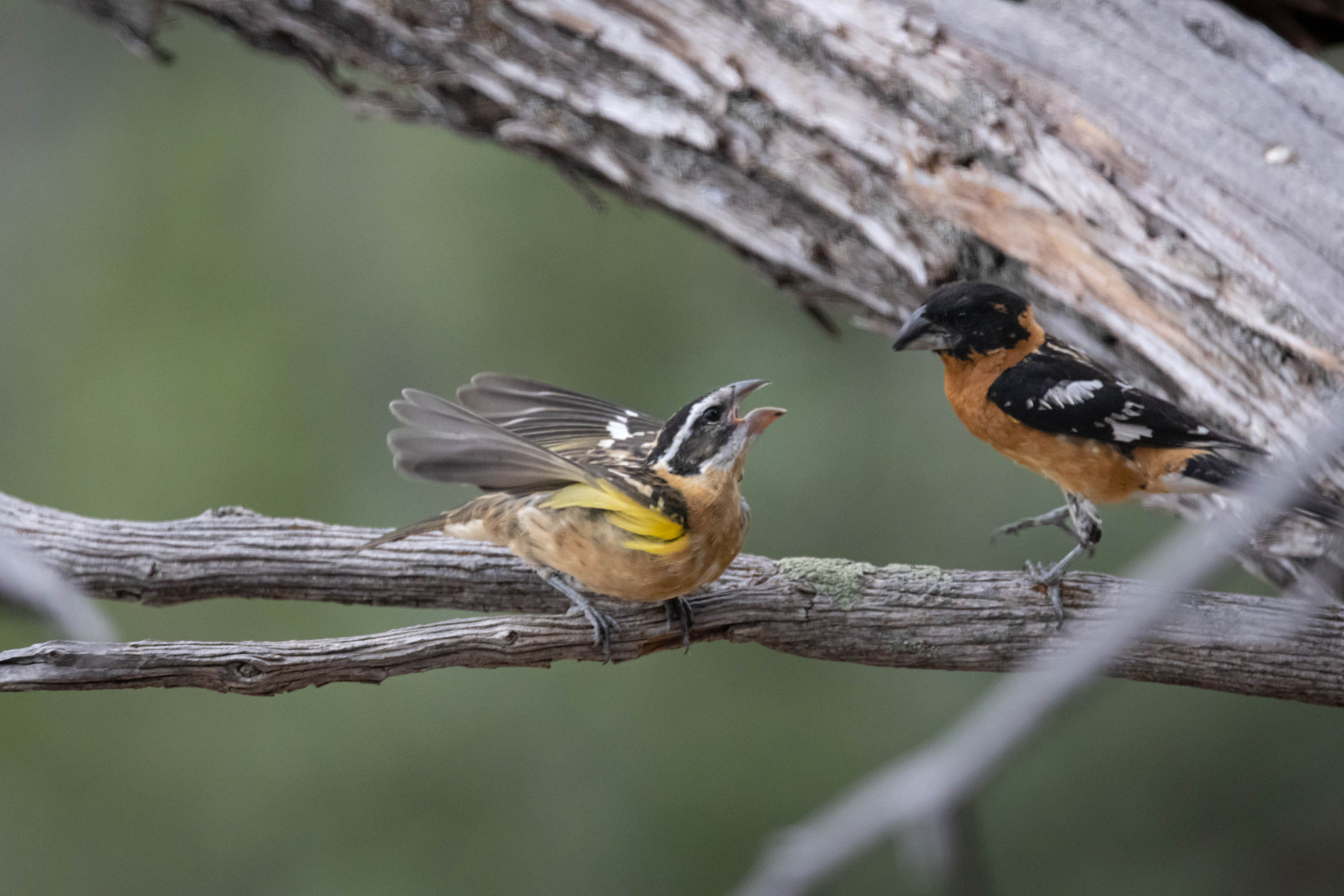
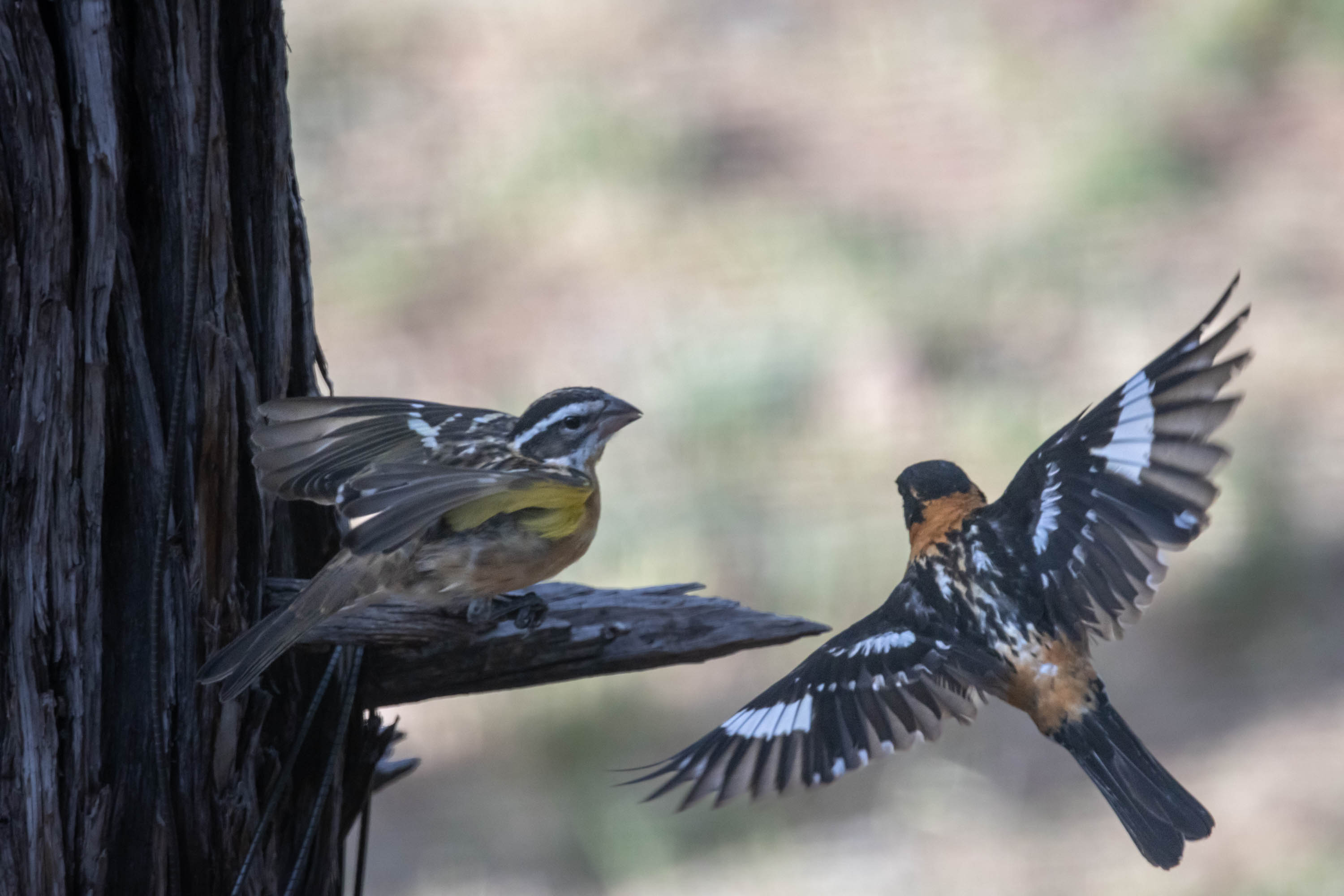
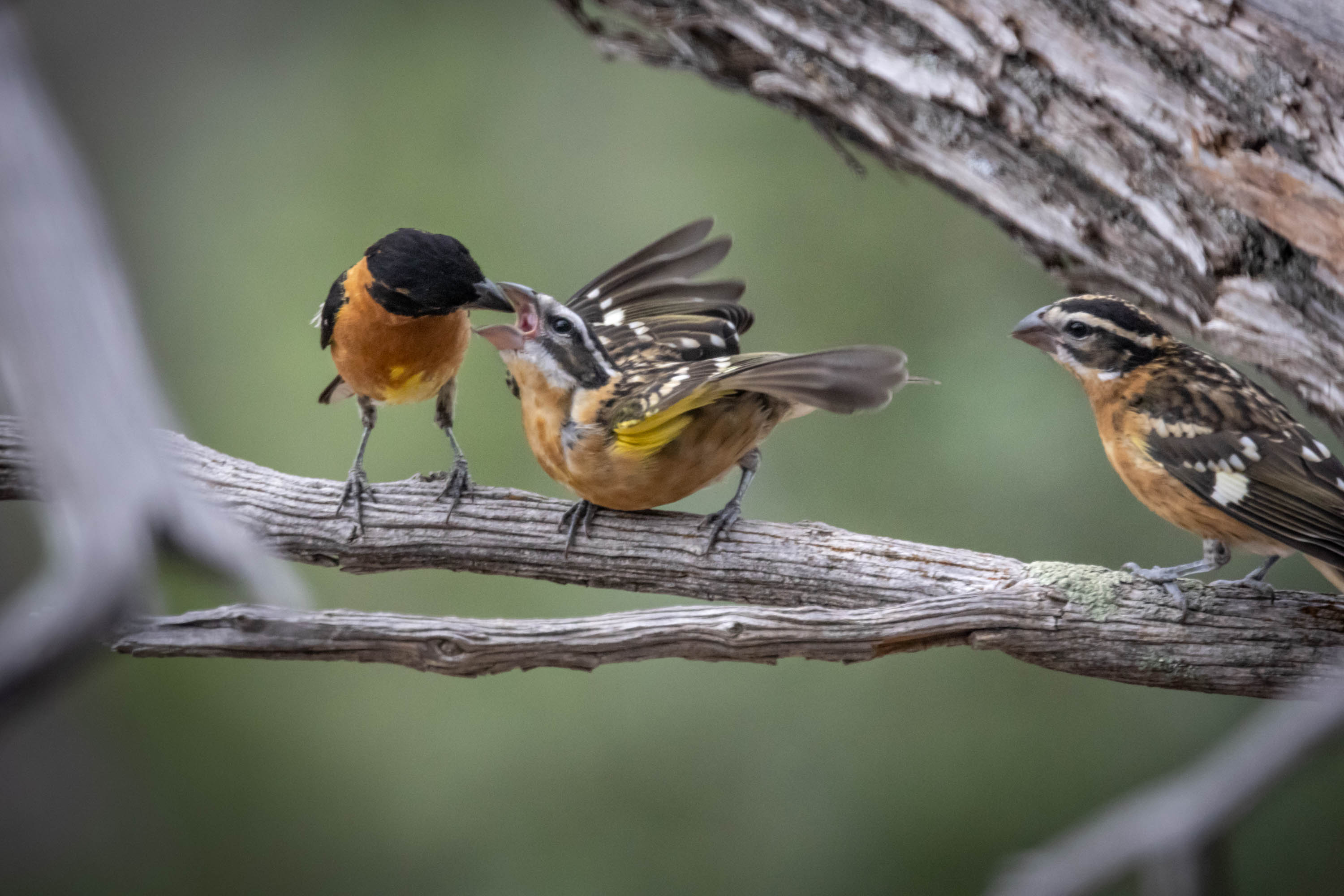
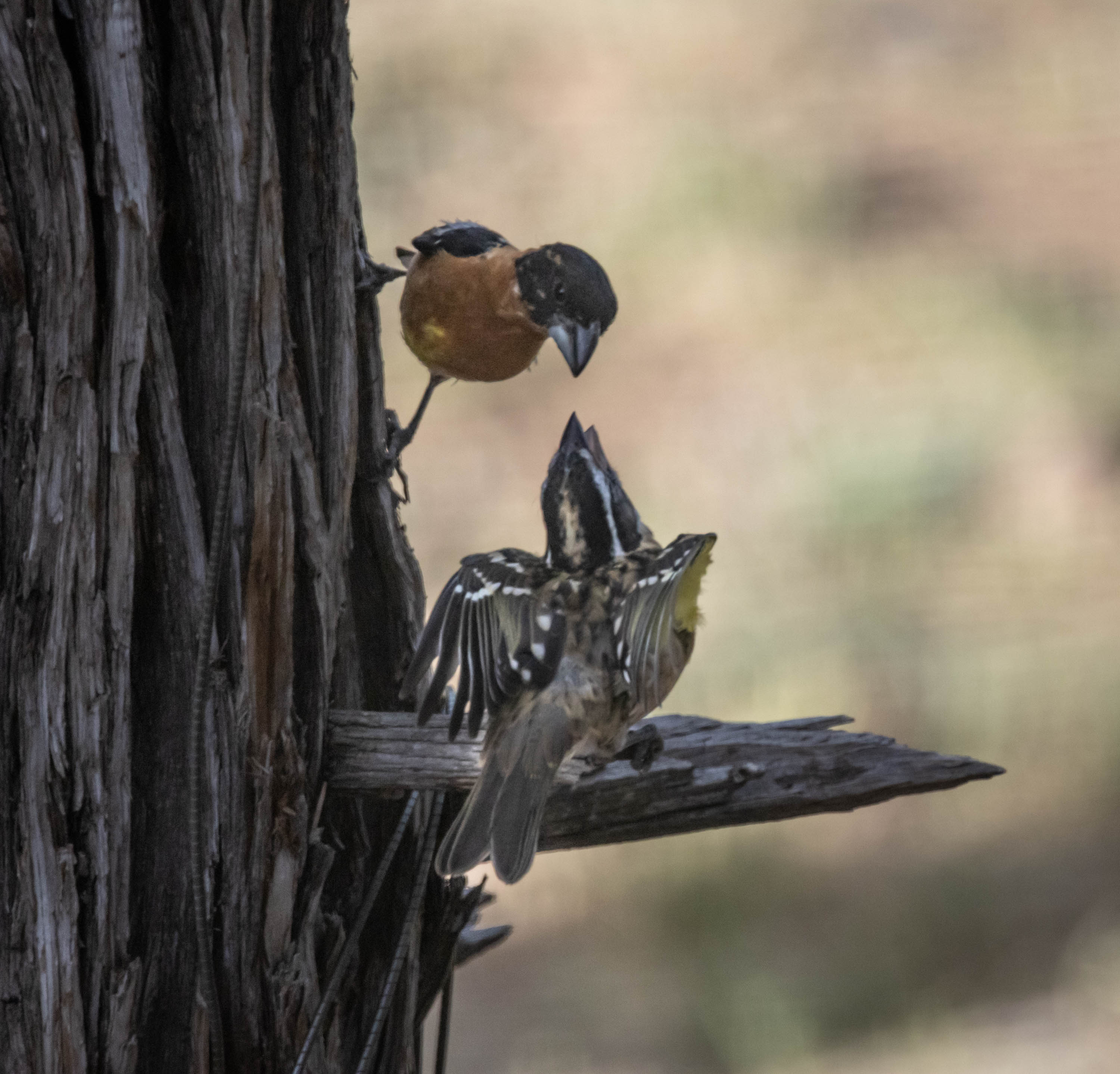
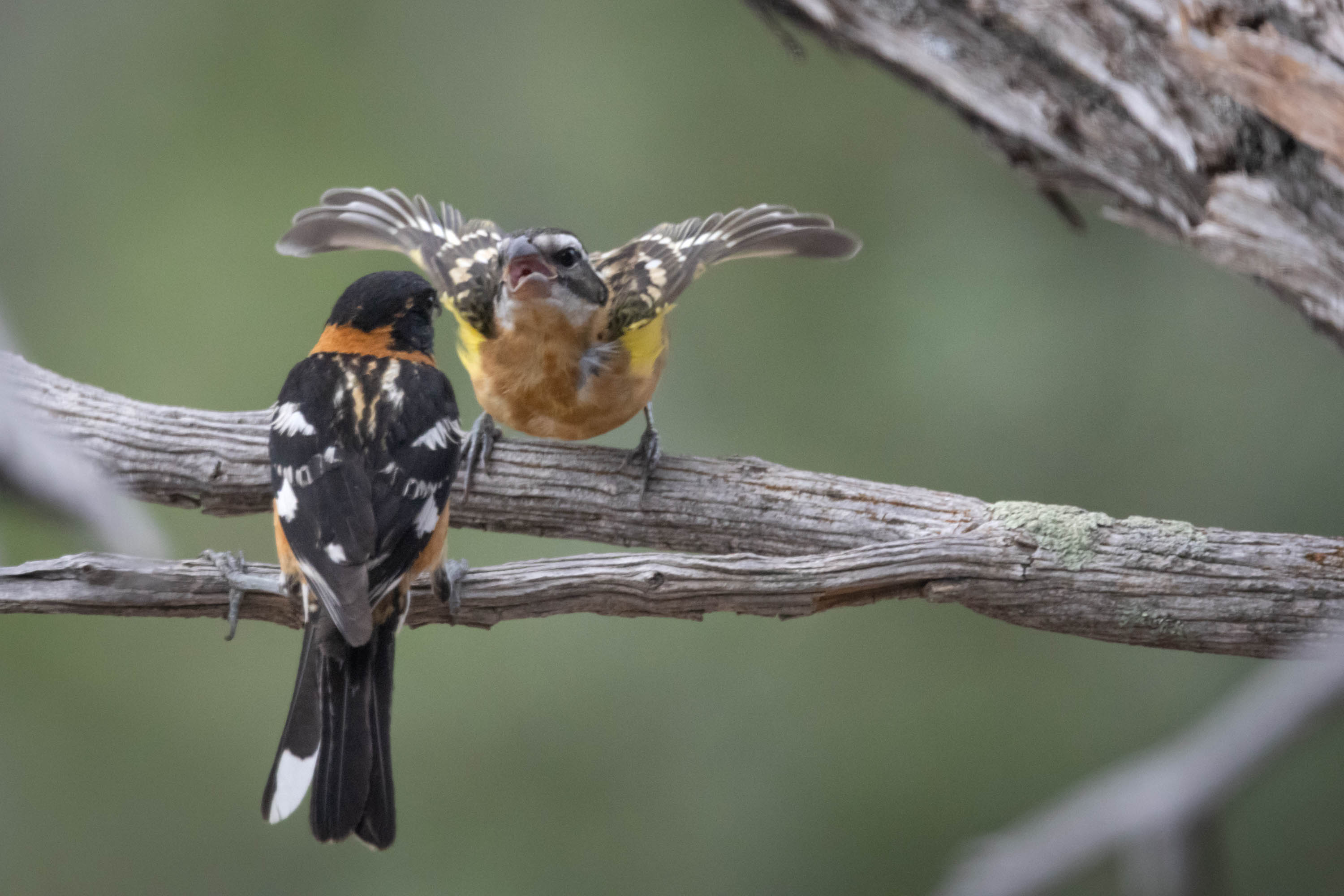
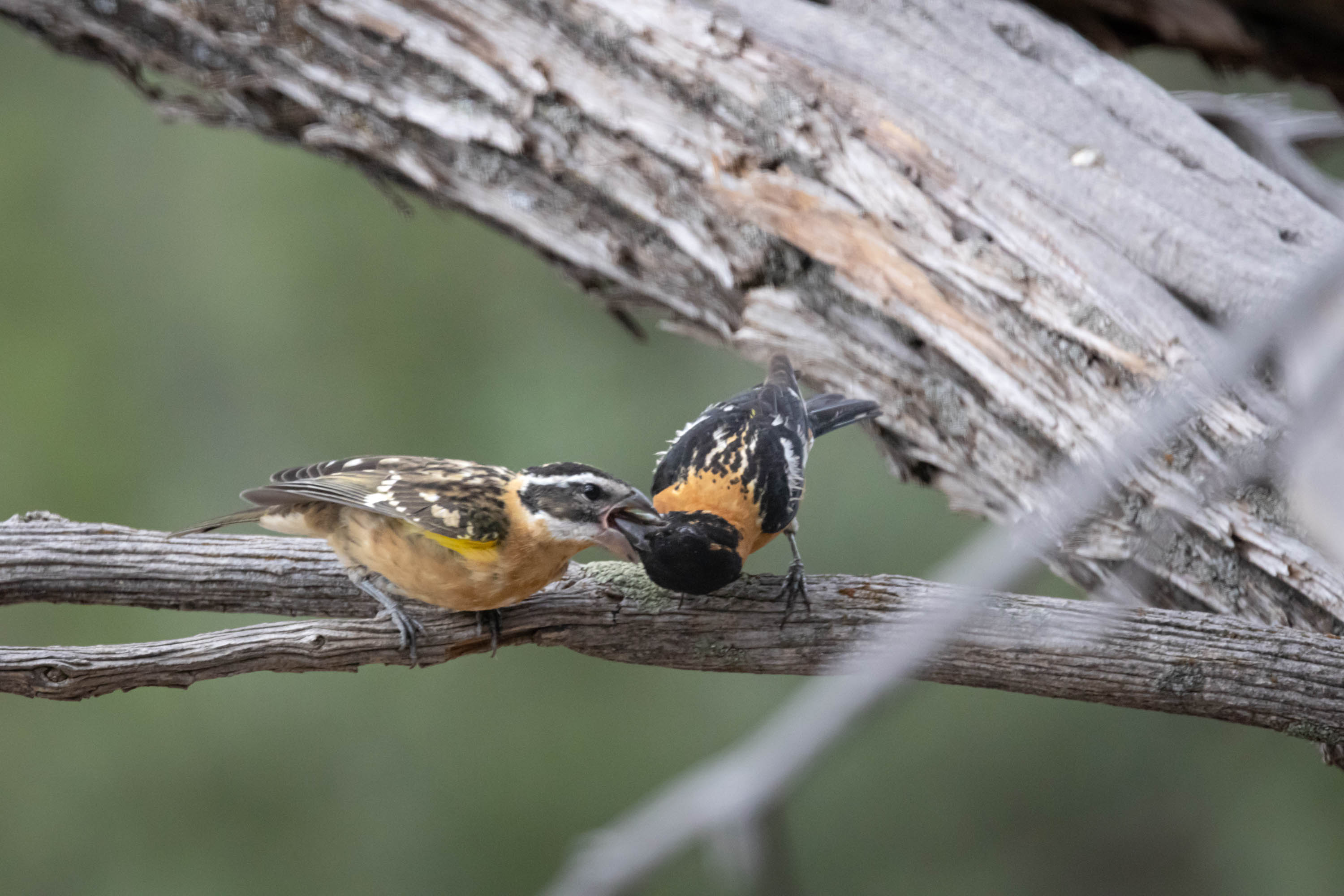
And baby animals of any kind are the best, including birds, like these black headed grosbeak I was fortunate enough to witness (and capture).
Grosbeak usually only have one chick a year, and are fed by both mom & dad. Dad is the black headed one feeding the chick, as mom (with the speckled wings) watches.
Any opportunity to observe and photograph nature in all it’s varying forms, is a good day. We are fortunate enough to have a lot of good days. Have a great day. Thanks for visiting.
While so many people are suffering through the high heat across the country, our animals are tending to their babies, looking for water and food. We love this season and watching any animals we can see to observe their behavior.
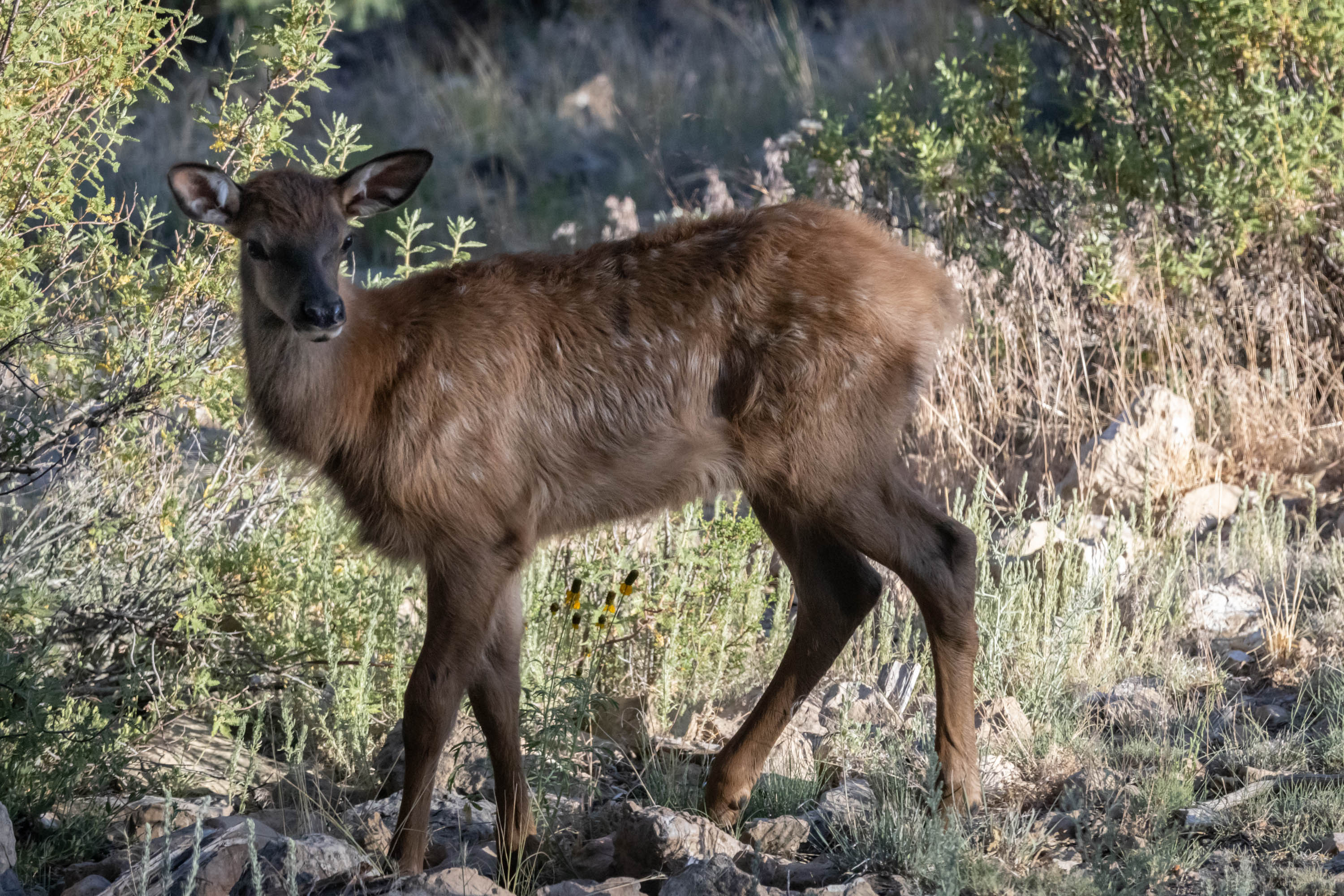
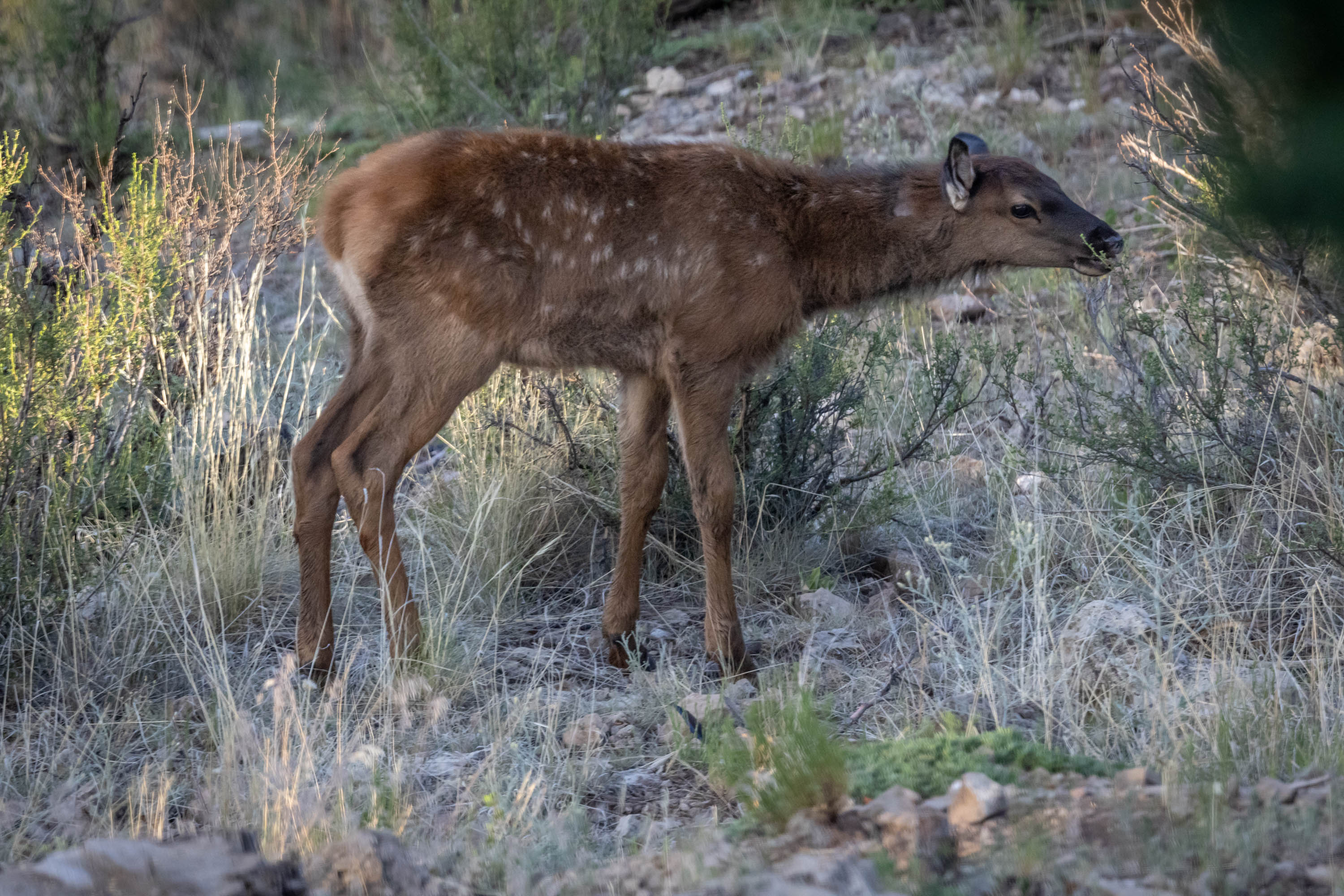
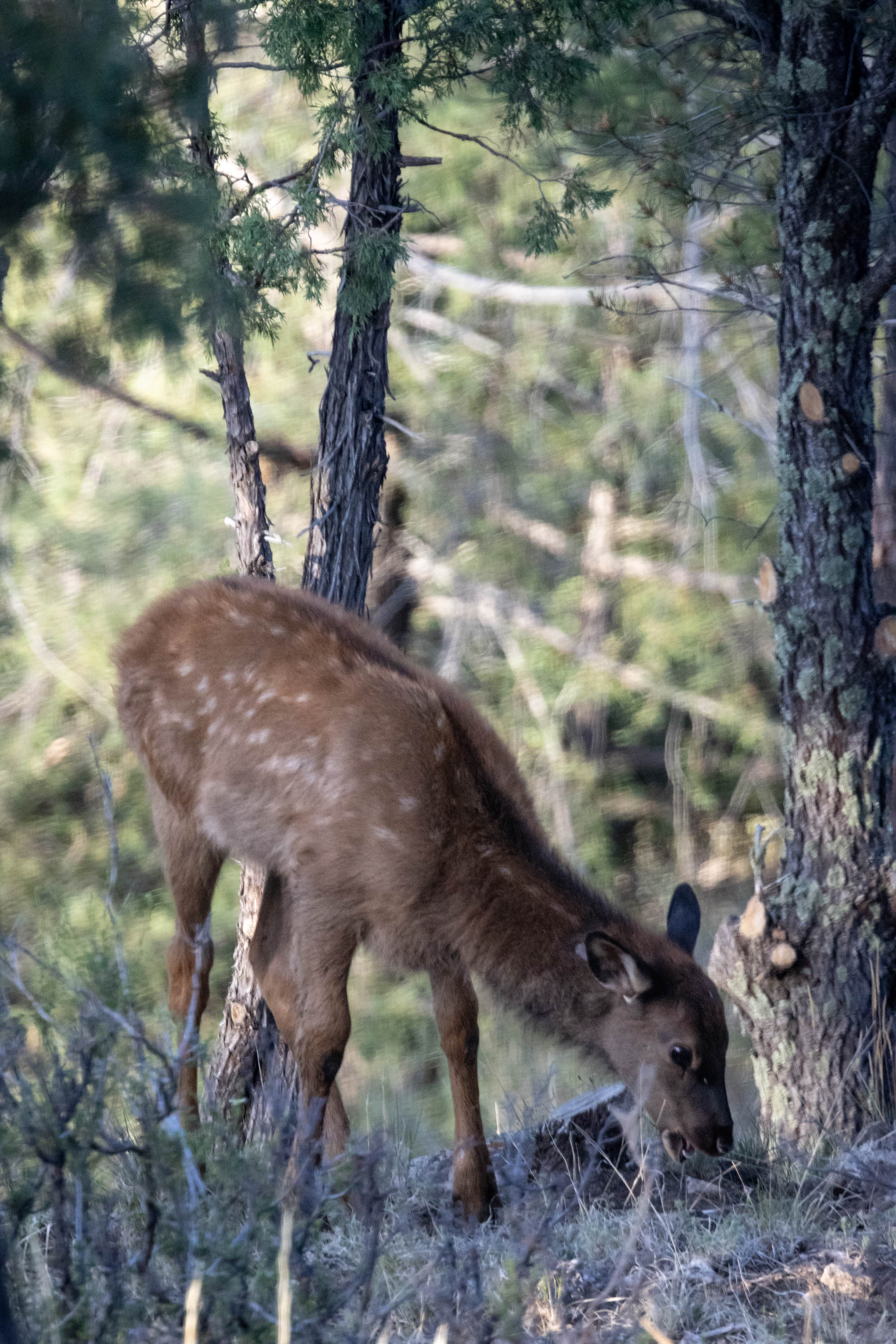
The baby elk are out, hosting their new spots and wobbly legs. The calves are generally born around early June. We might not see them until July when mom takes them out in the world to show them how to find food and water on their own.
They forage on grass, shrubs, and twigs, and chirp for their mothers. Moms dote on the little one’s, but when it’s feeding time, the mom’s give them little attention to teach the newborns to eat off the land.
Most people go to the lakes to fish, or recreate with their boats, kayaks or canoes. We see a lot of fishing going on either from the shore or the water every time we go to any lake, and admittedly increasing numbers of campers packing the campgrounds and forests.
For us, though, we go for the wildlife and the scenery. ‘The early bird gets the worm’ was never more true than watching the morning animals forage for food and water before the sun comes out and many fisherman are out of bed.
By the time the dawn rolls in, the fishermen line the shores drowning worms, and the sun harshly reflects off its intense UV rays, the animals (and golden light) have tucked back away until the dusk emerges once away. It’s one thing in life we can depend on, sunrise and sunset, and it’s our favorite time to covet and embrace.
For a desert state, one would never imagine how many lakes AZ has. The lakes are popular with the fisherman and those seeking recreational sports such as boats, kayak, paddle boating, canoes, and paddle boards.
Kayak rentals at Whitehorse LakePaddle boater enjoys early morning.
Of course we just love the sunset and sunrise views and reflections along the water.
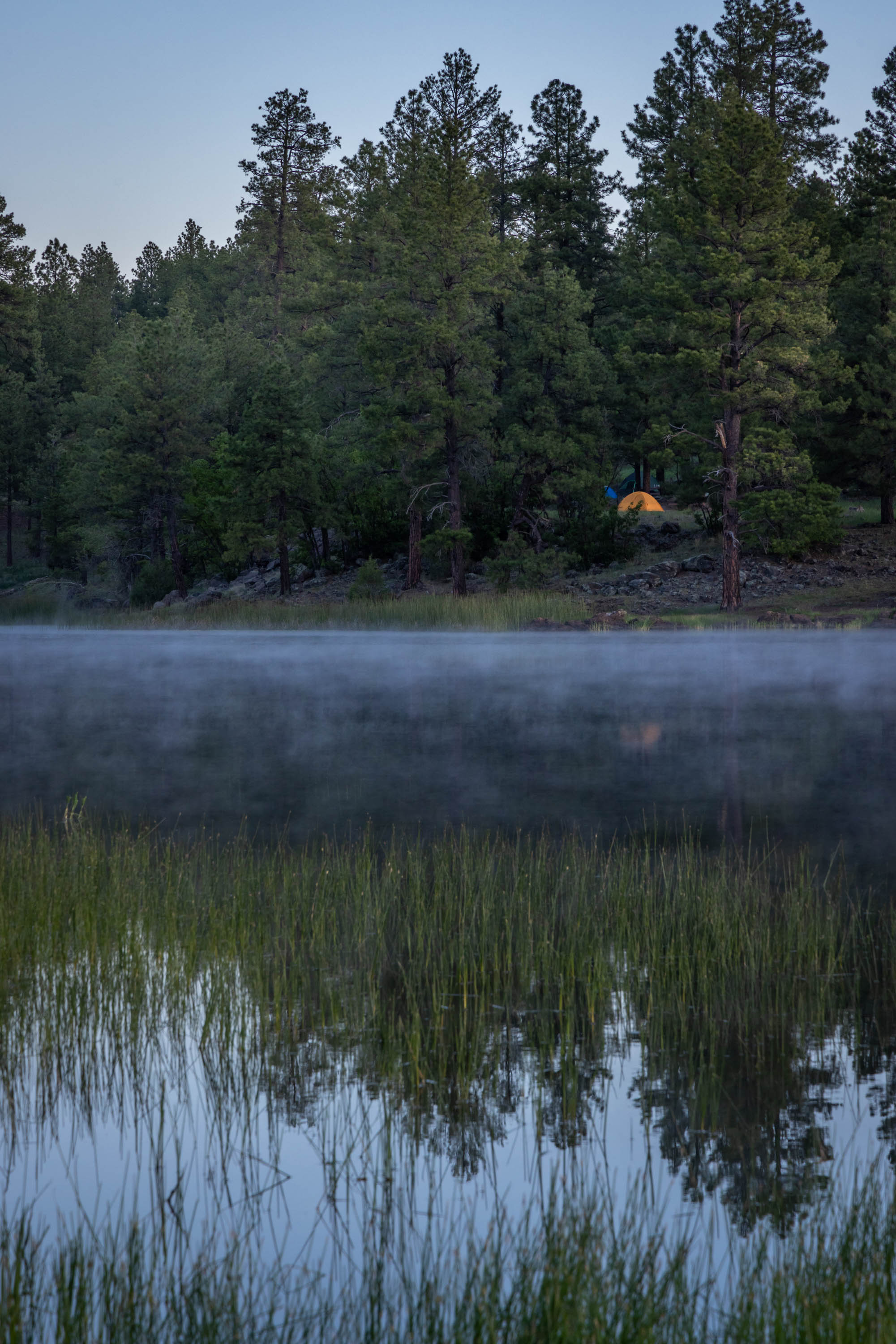
Morning mist rises off lakeSunrise at Dogtown Lake
We aren’t the only ones that enjoy the water and the lakes of AZ. We run into all sorts of wildlife that also goes to fish, play, and wander around the water and lush environment that the lakes bring.
Blue heron fishes at Whitehorse Lake in early morning light.
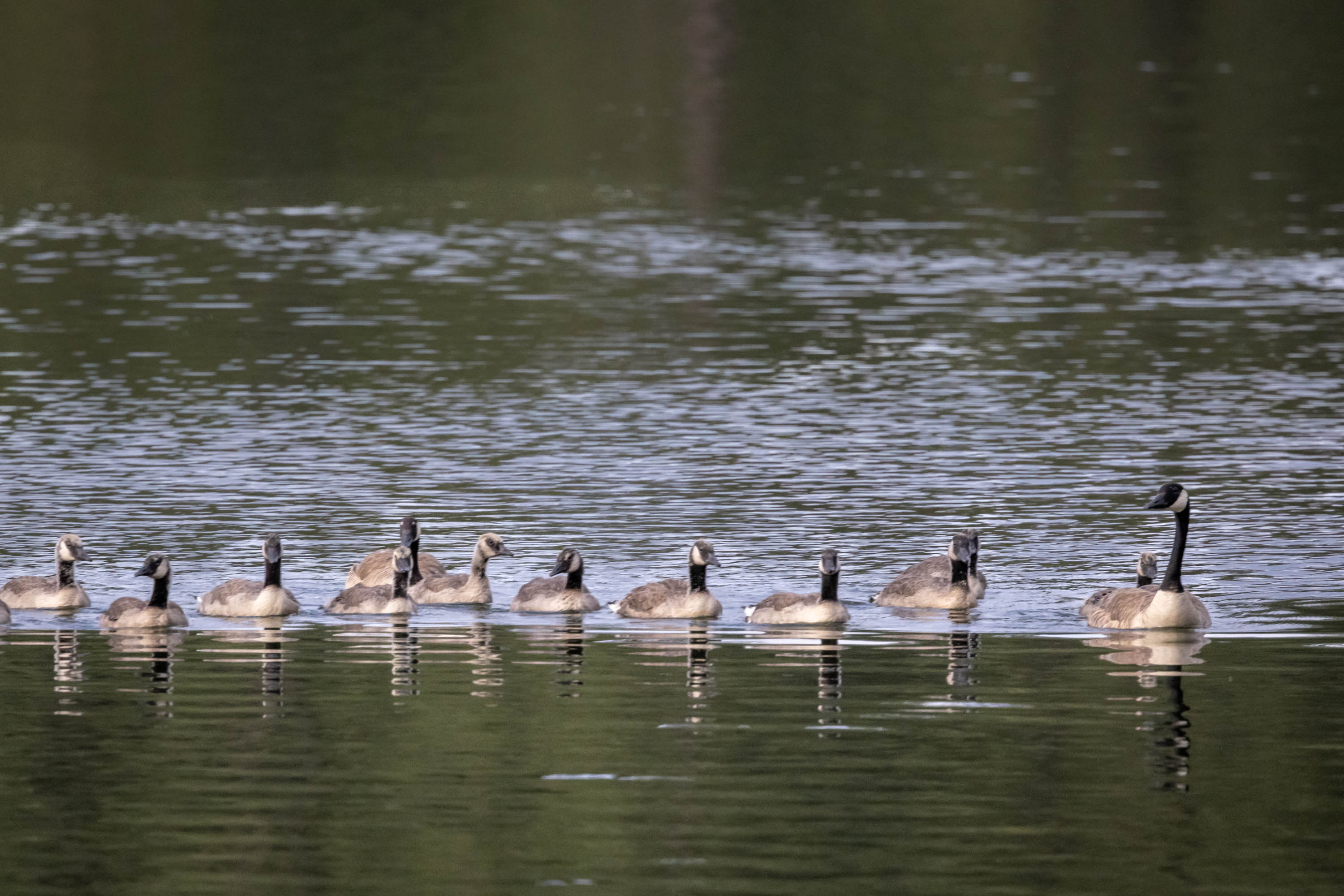
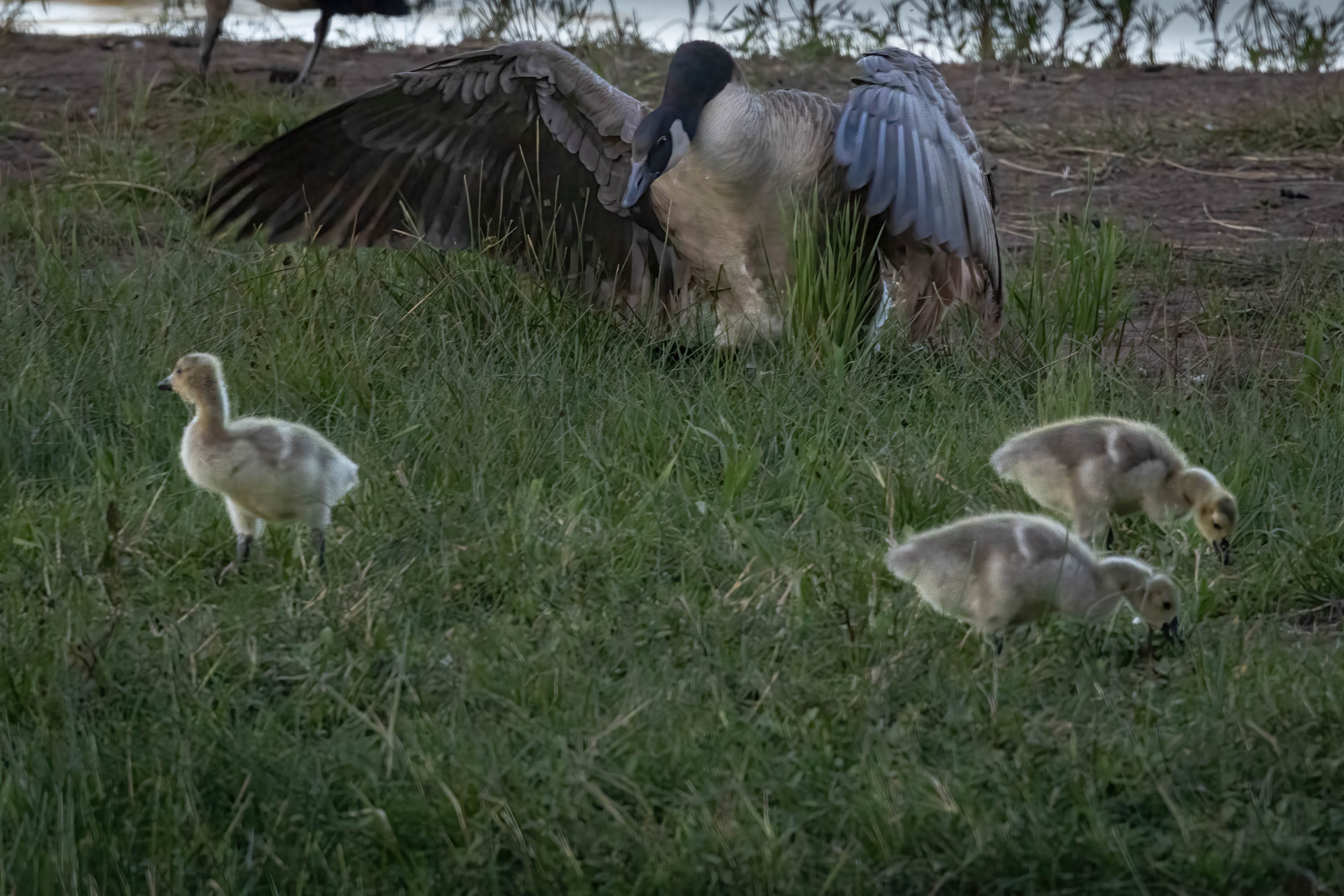
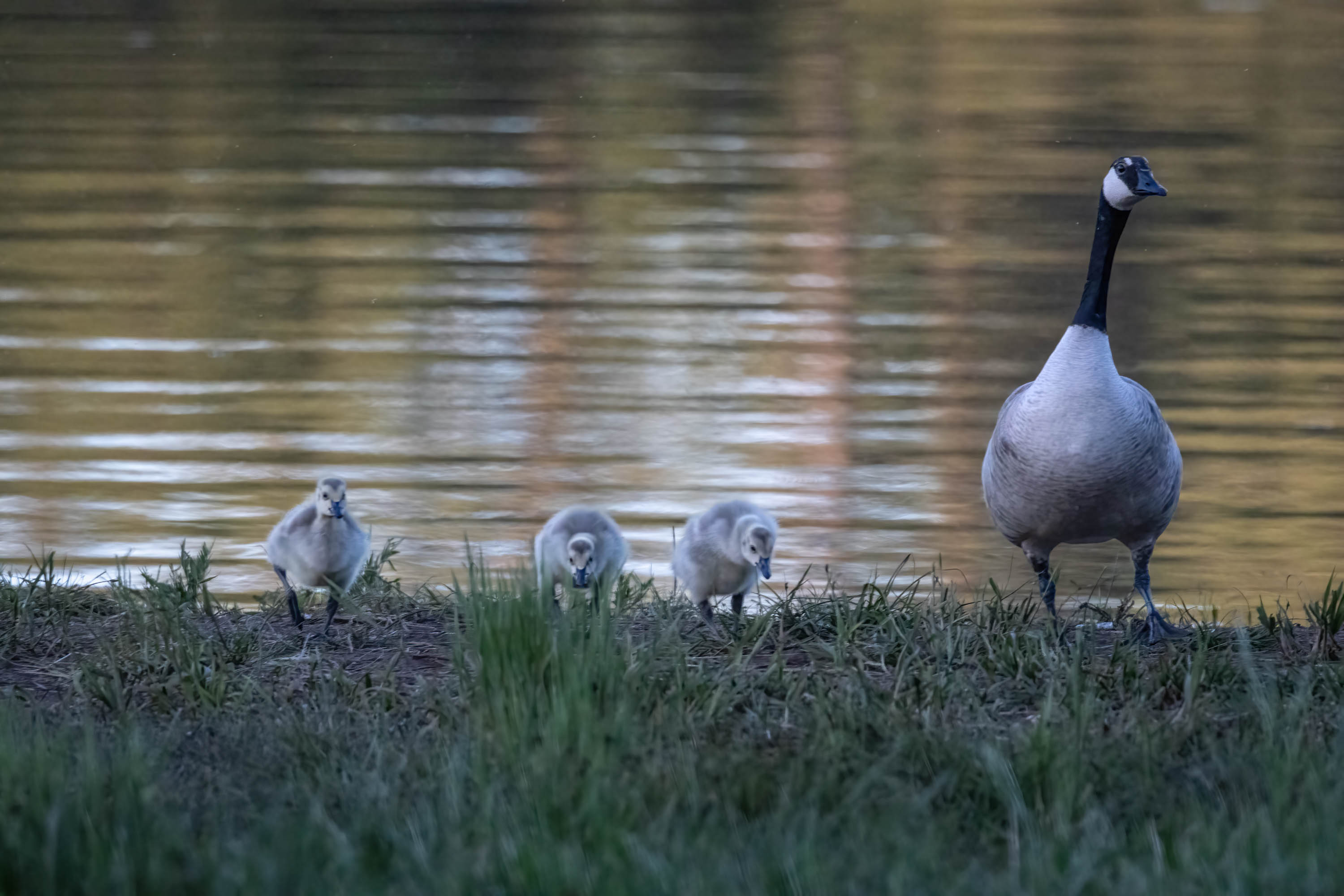
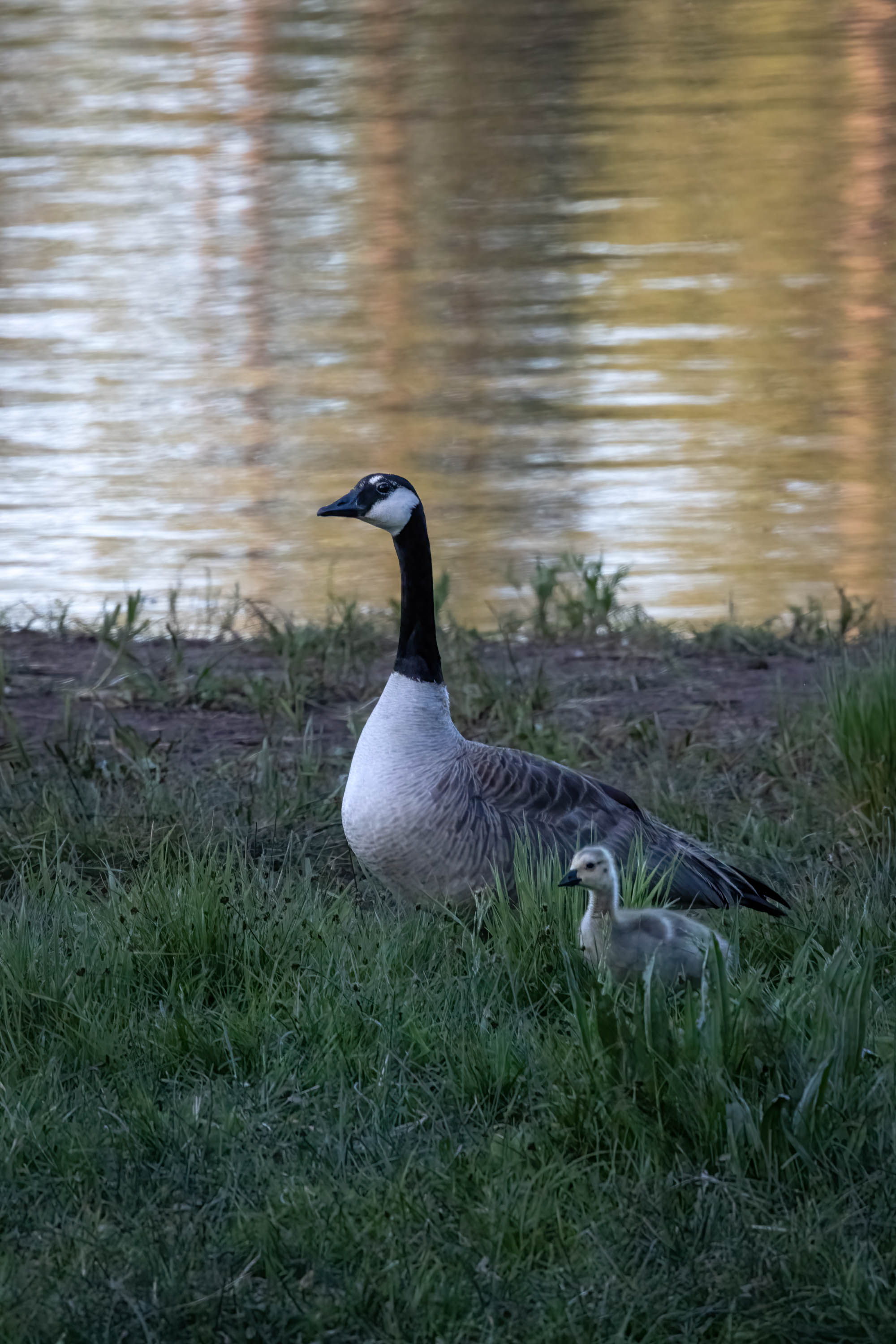
Blue heron’s fish for fish, crabs, frogs, or crawdads, while Canadian geese forage for aquatic vegetation and grasses.
Canadian Geese with baby goslings
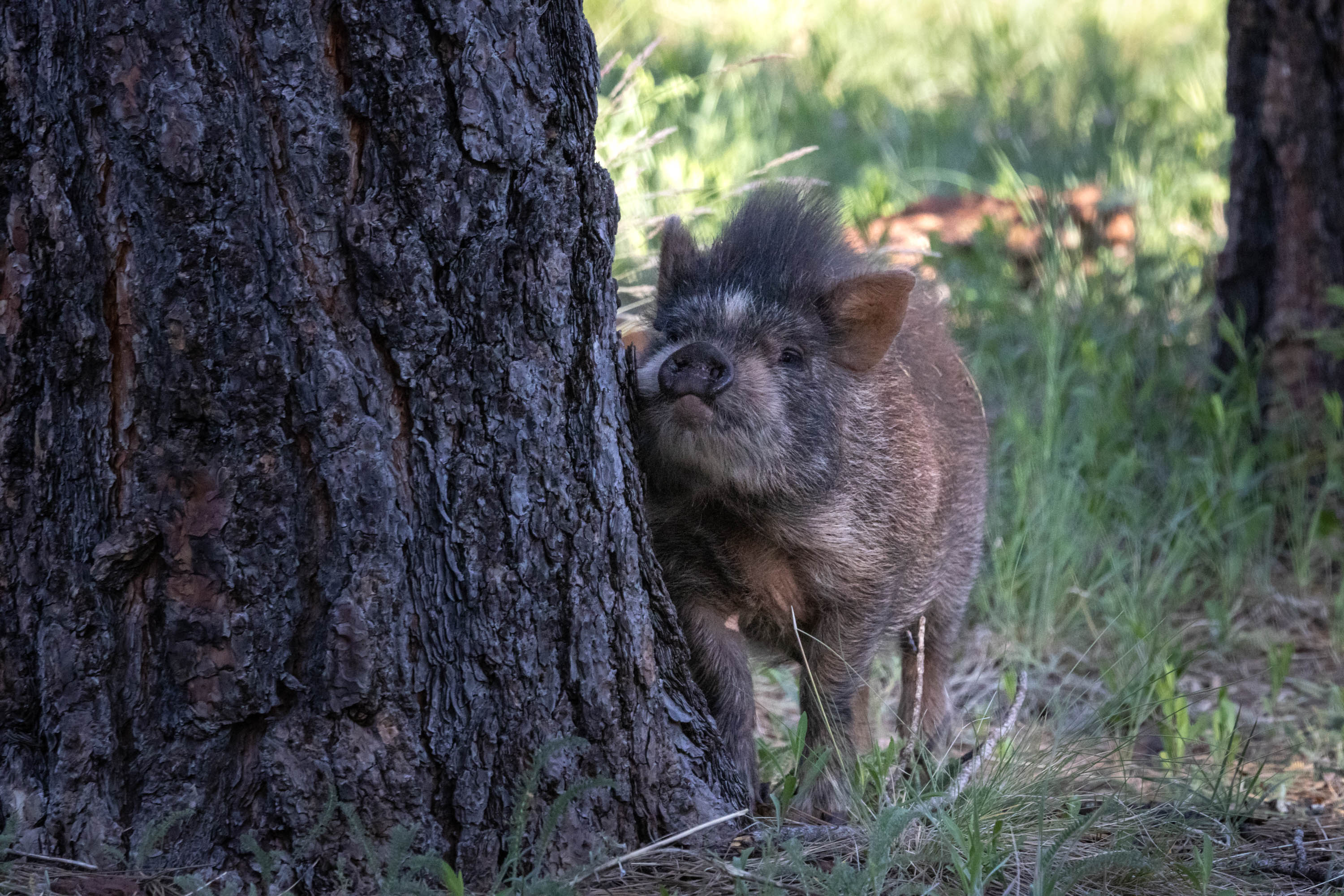
While it’s unusual to find javelina at the lakes, we found a young javelina very content and happy with the environment. Who could blame him.
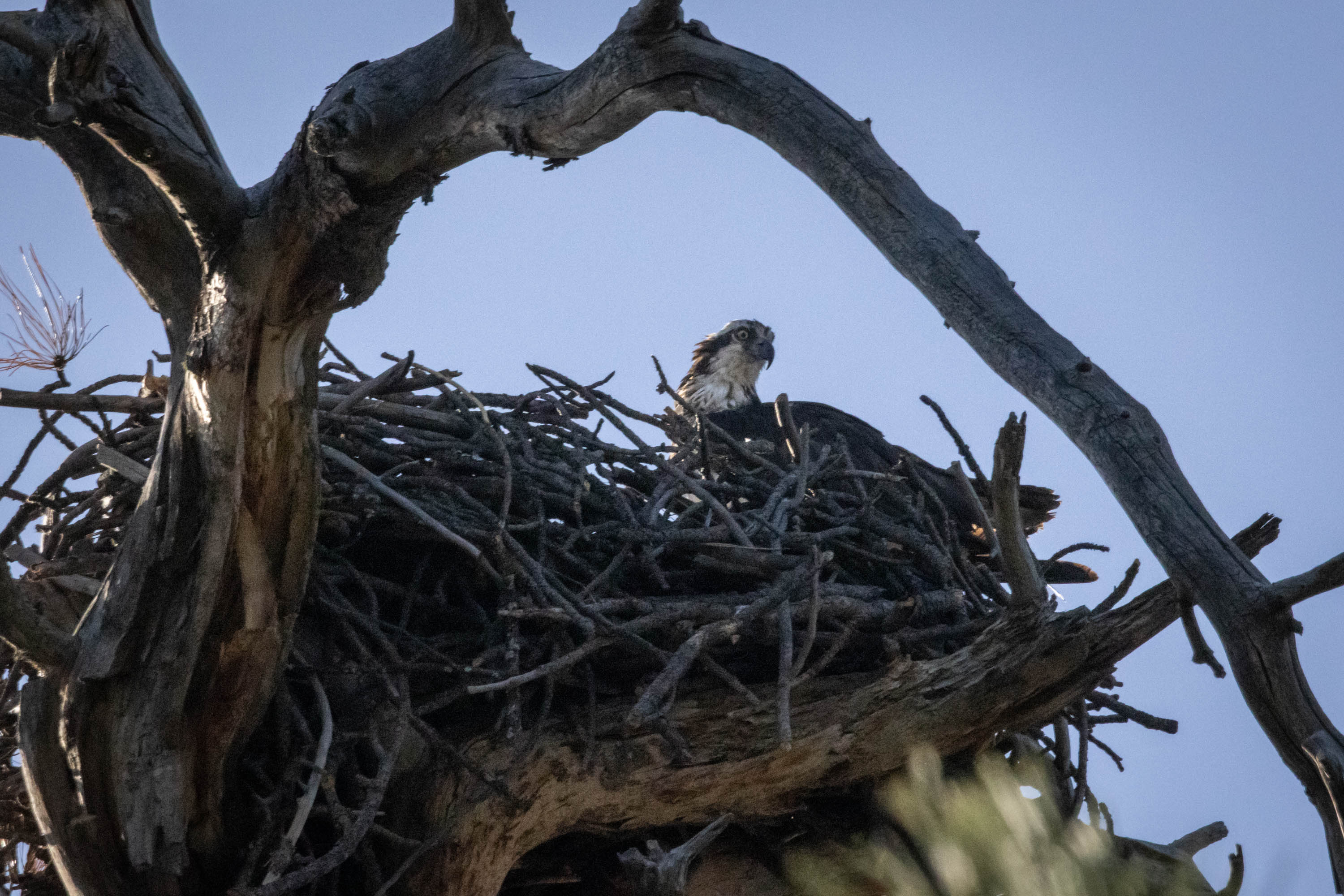
It’s that time of year for animals to be having their babies and bring them out to teach them to feed off the land. We watched osprey for hours fruitlessly fish to great frustration and tired wings. We never did see any of the young ones catch anything.
Osprey sits on nestOsprey hovers overhead looking for fishTent camping at Whitehorse Lake
Any day at the lake is a good day, made only better with great sunrise / sunsets, and animals to watch.
Eight islands make up the Channel Islands, five are within the Channel Islands National Park. Anapaca is nearly the smallest at 1.14 sq mi (Santa Barbara is the smallest at 1.02 sq mi). While it doesn’t have any human inhabitants, other than those temporarily inhabiting the campground, it is home to a vast population of nesting sea birds.
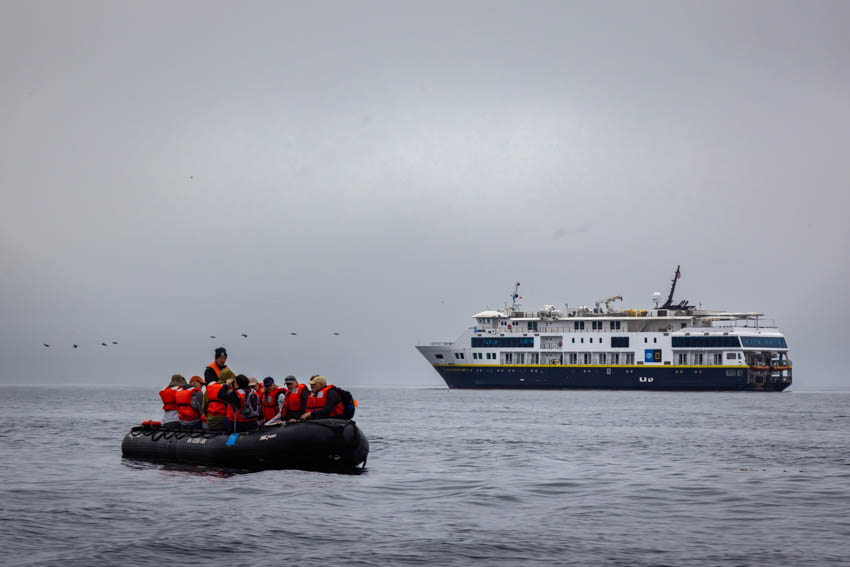
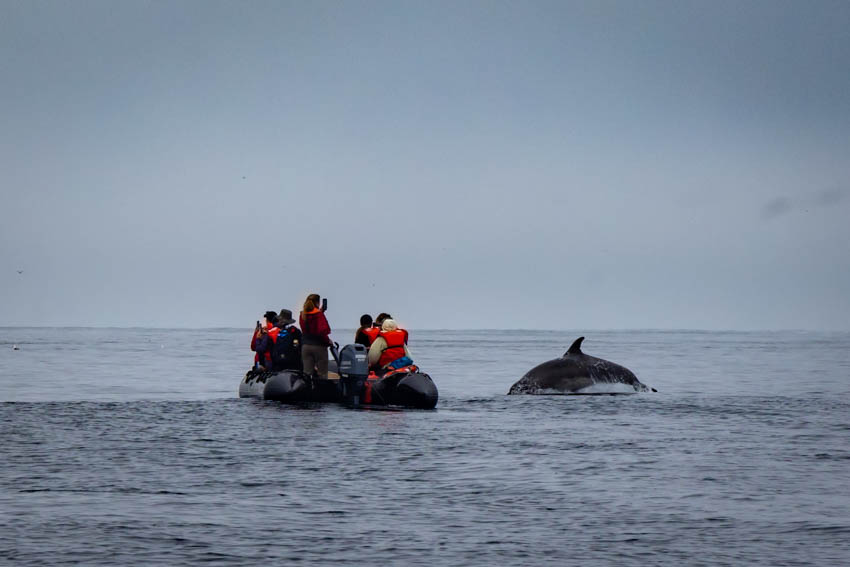
The islands are strictly regulated by permit to limit the number of people on any island at one time. Park concessionaire boats and private (permitted boats) are the only means to access the islands. So we opted for a National Geographic Expedition which allowed us the opportunity to see the islands in person.
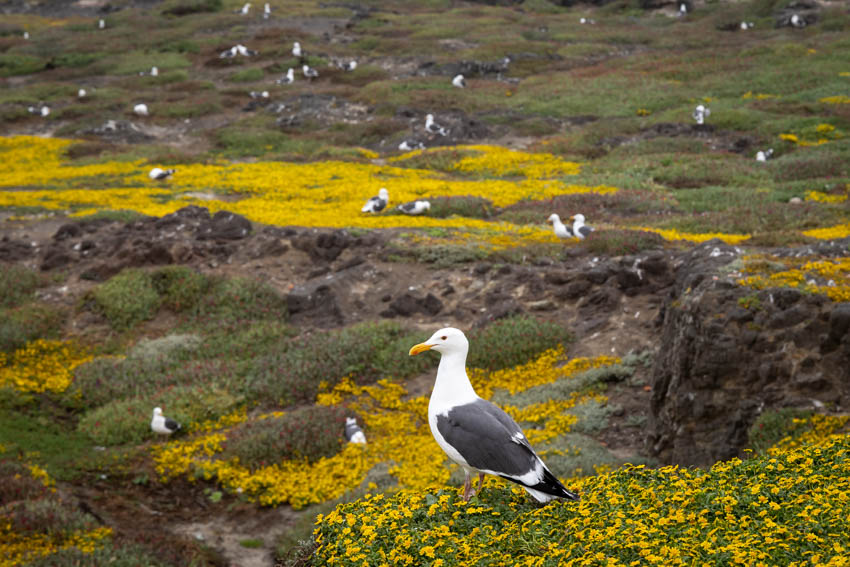
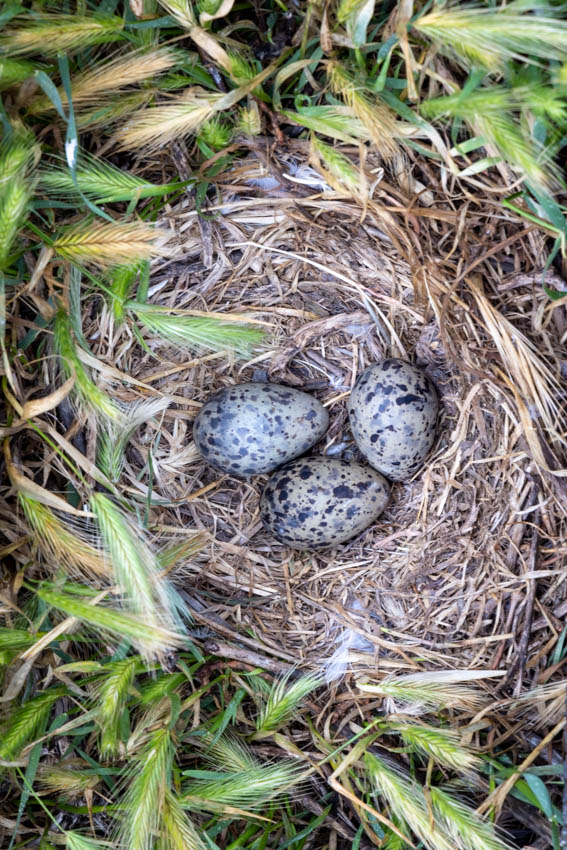
Western gulls were nesting when we were there, hiking the trails around Anapaca. The gulls numbers in the thousands, and squawked incessantly as we walked by.
I can only imagine the noise once the chicks are hatched. Their eggs are camouflaged in speckled colors of light and dark splotches to protect the eggs from predators. Interestingly the chicks are born speckled just as the eggs to better hide from predators.
The waterways around the islands are also home to whales, dolphins, sea lions, seals, and a variety of other sea birds specific to this ecosystem.
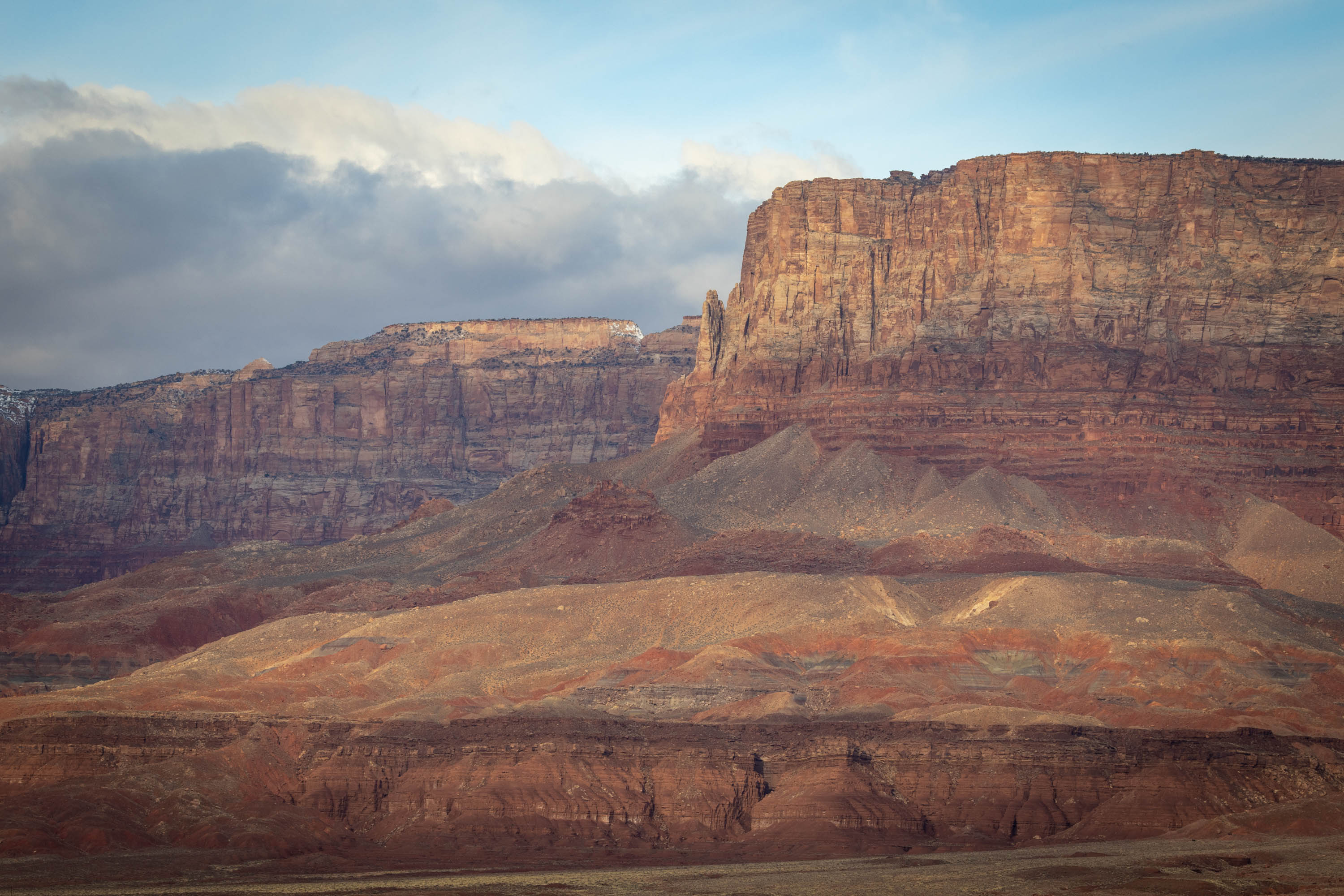
Marble Canyon is known for the Glen Canyon Dam overlooking the Colorado River and colorful Vermillion Cliffs. Lee’s Ferry, at the water’s edge is a popular launch point for river runner adventures, kayaks, and rafts.
Lee’s Ferry is named after John D. Lee, who established a ferry to transport wagons across the Colorado River for the Mormon church. Lee was later executed for his participation in the Mountain Meadows Massacre in 1857. The Ferry was shutdown in the 1920s when the ornate Navajo Bridge was built.
The area is rich with rainbow colors of geological layers, deep canyons, and balancing rocks. It is a treasure trove for hikers, explorers, campers and photographers. The light casts glows on its many faces that change throughout the day.
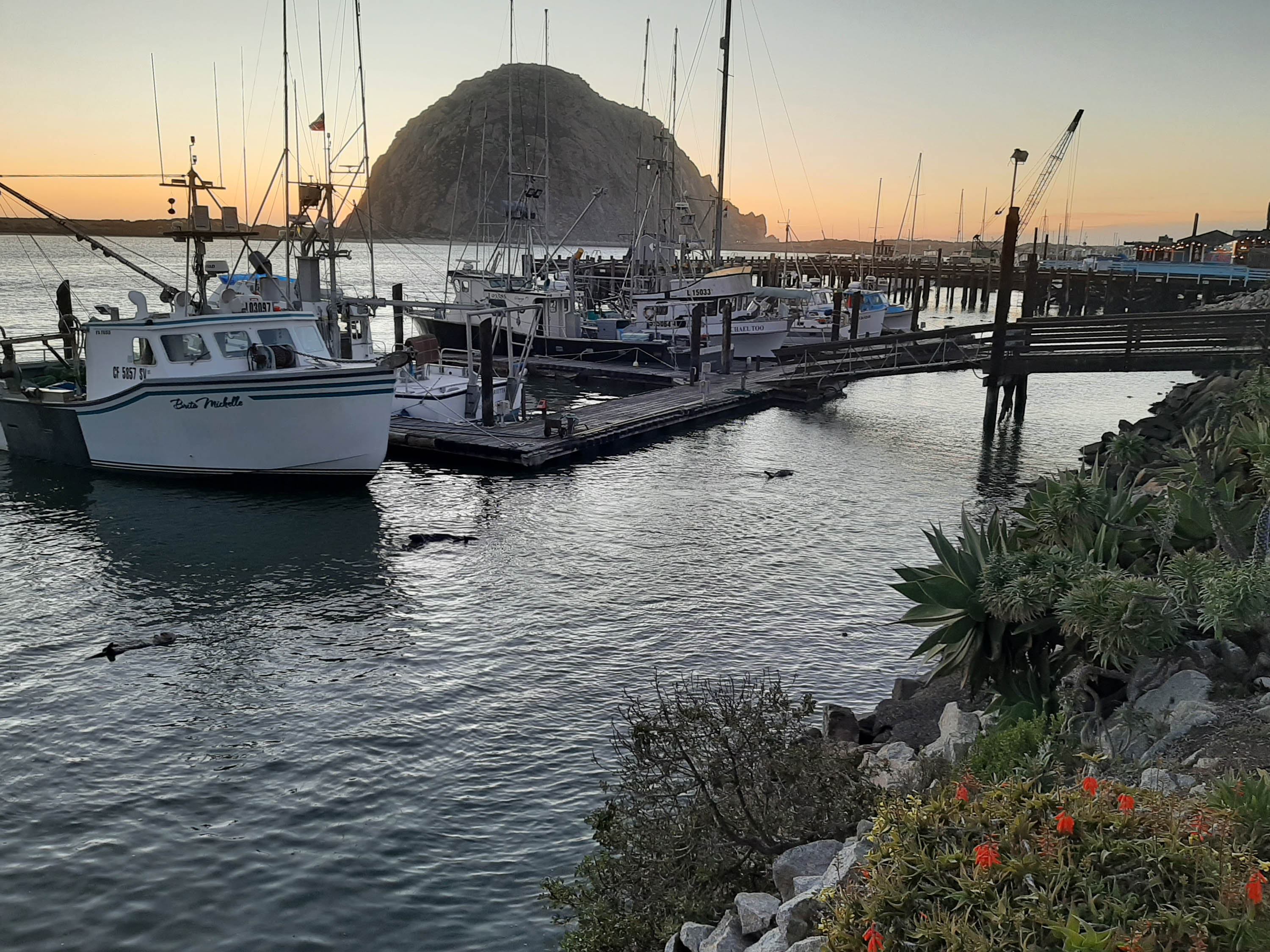
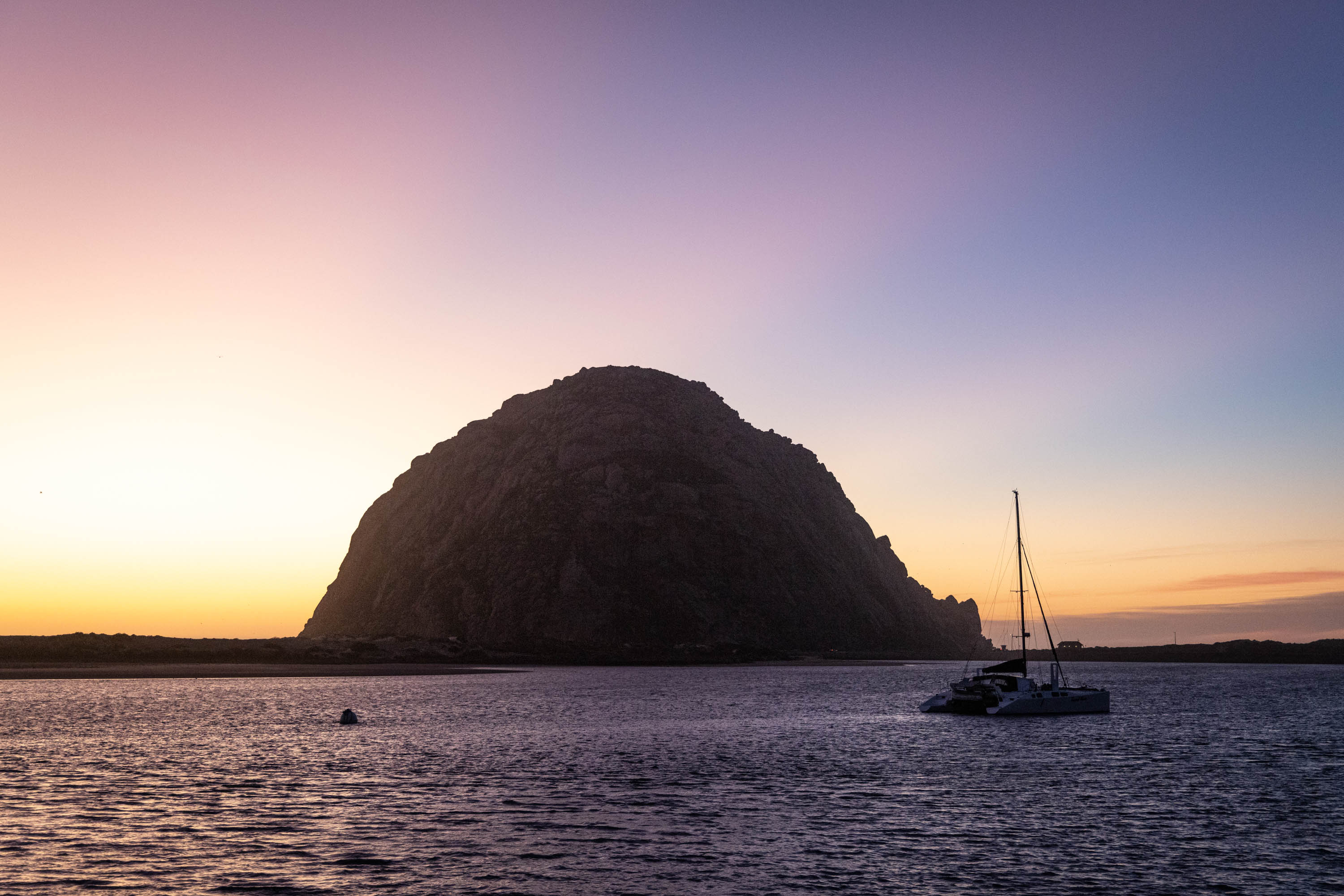
We have frequented Morro Bay numerous times over the last fews years since we discovered it. Morro Bay’s prominent landmark is Morro Rock.
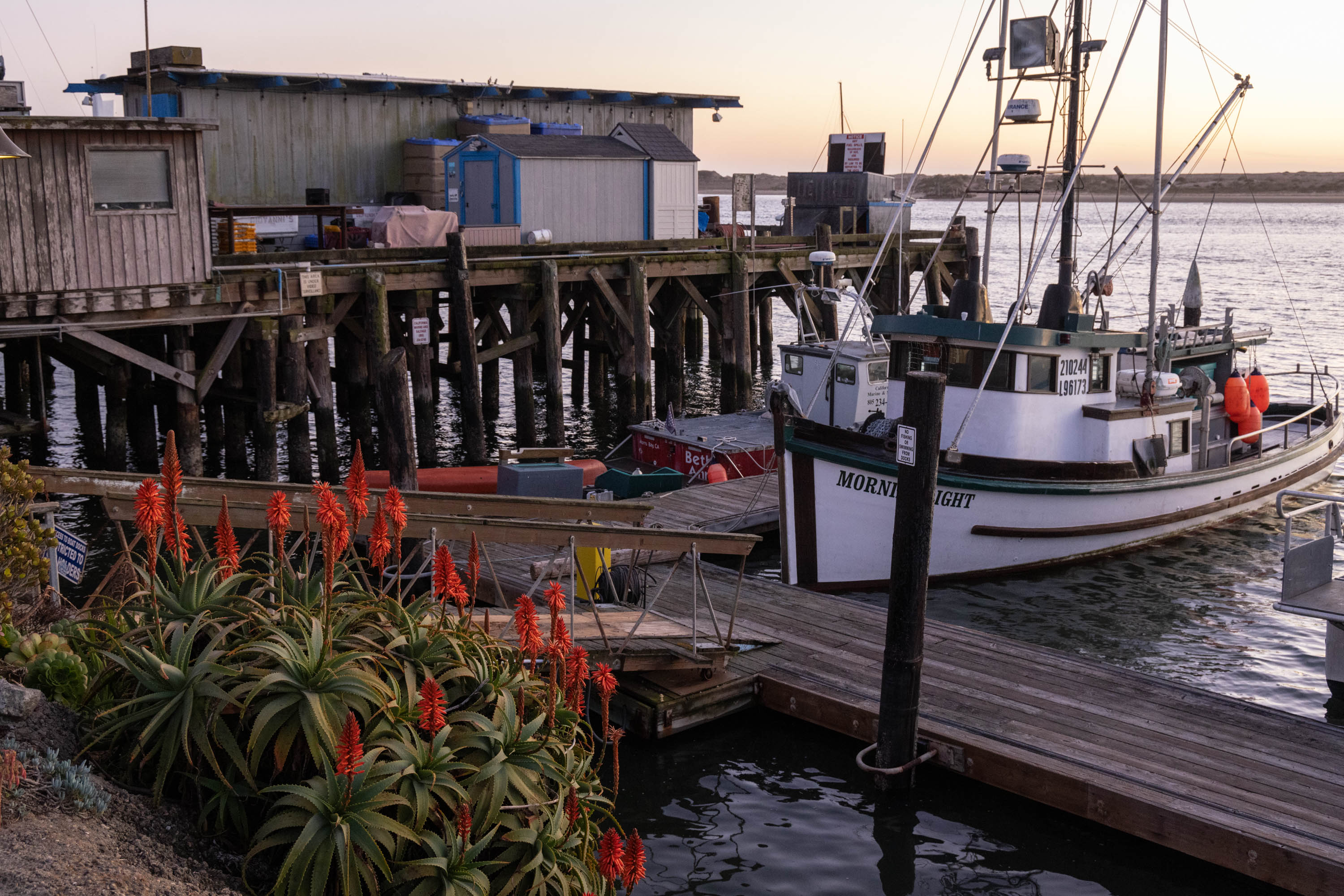
It is not only a small working fishing town where fresh caught tuna, sand dabs, halibut, dungenous crabs, and fresh oysters can all be had from local dock stores, but also features a small lagoon providing natural bay habitat.
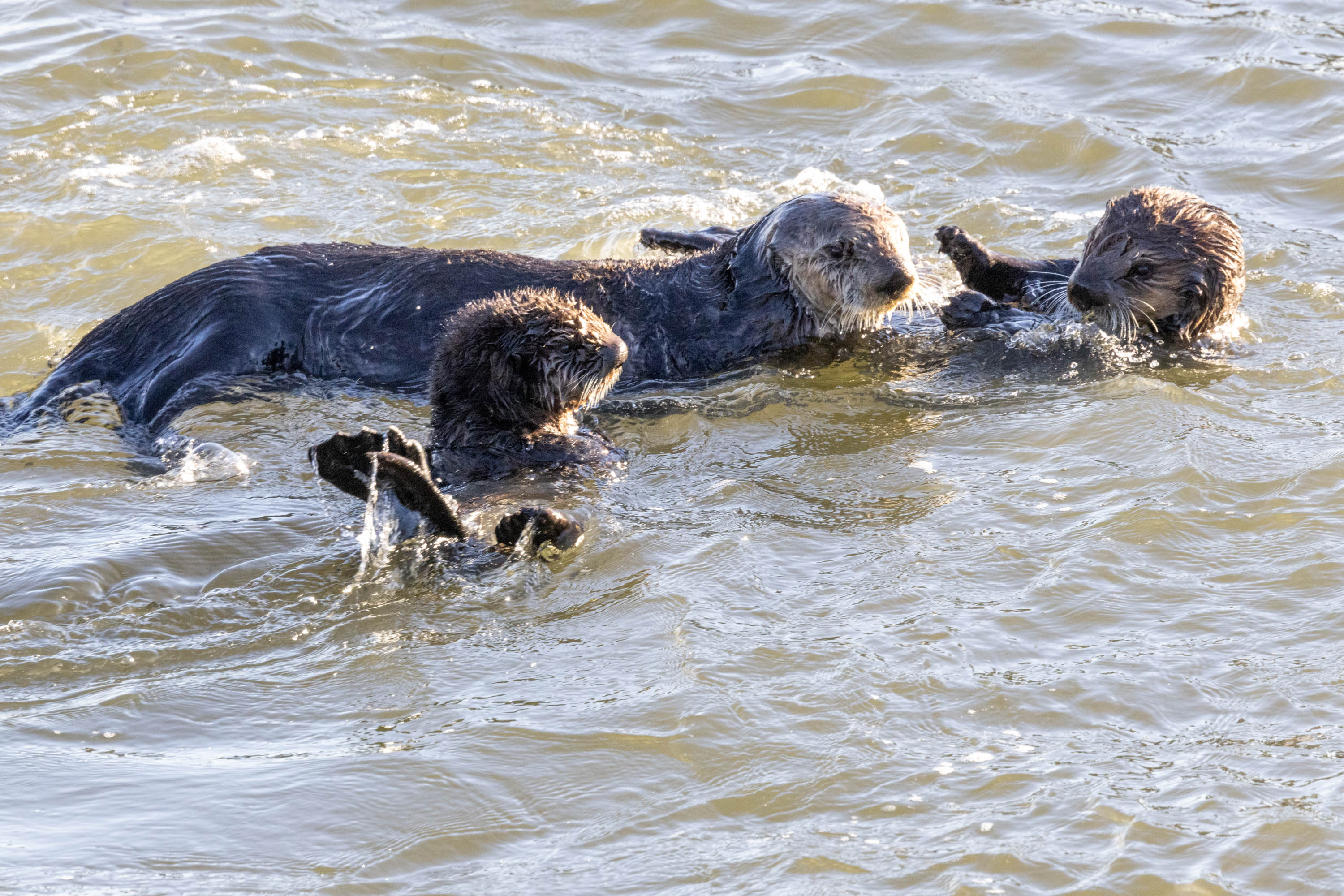
Personally, I could watch the sea otters that find shelter in the bay for hours.
We were fortunate to see the endangered sea otters floating in rafts caring for their pups feeding off local kelp beds, rolling around playing, and cleaning themselves. It’s a great place to see them in action, up close and personal.
Whether one comes for the shops, the seafood, or the otters, Morro Bay has a lot to offer.
Kofa Wildlife Refuge was recommended to us by a fellow photographer. I confess to having been once before, but frankly missing the point. We just didn’t understand the allure. So we decided to go back and see what was thought to be special about it, and give it a second chance.
Kofa is located northeast of Yuma and southeast of Quartzsite in the southwestern part of the state. It was established in 1939 to protect desert bighorn sheep who roam the 665,000 acres in the Sonaran Desert. While we were there the only animal we saw was a coyote walk through our camp.
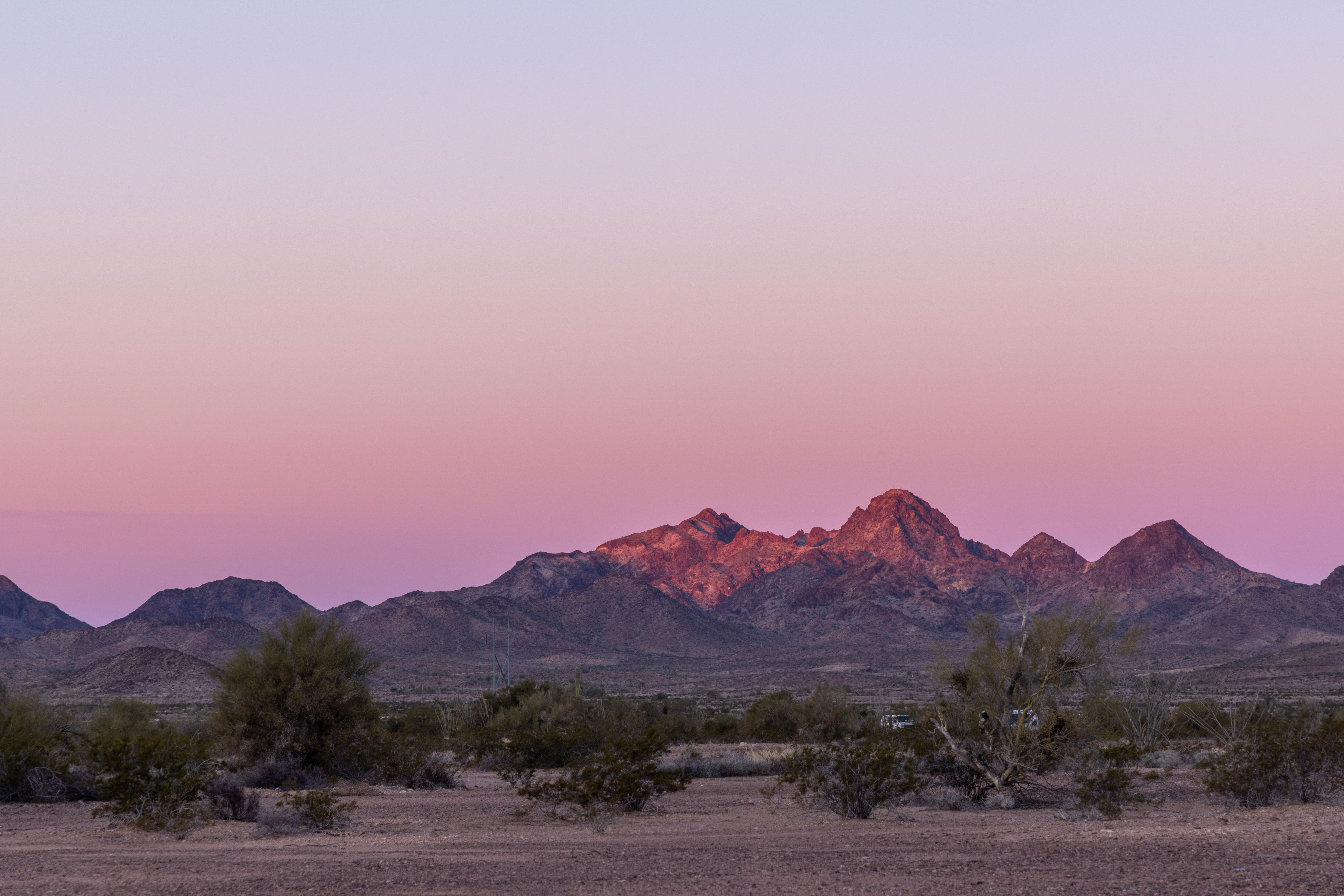
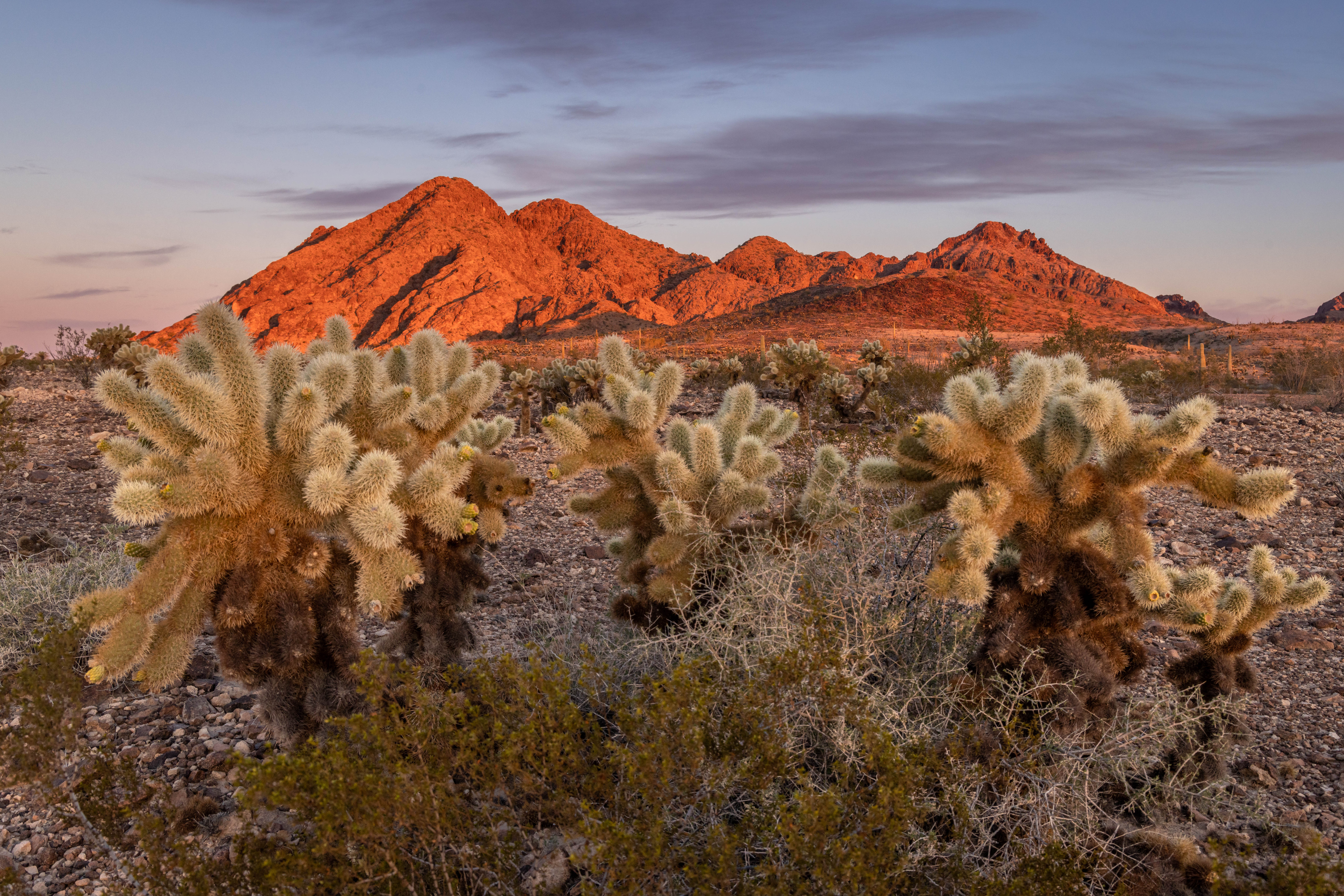
What we did see though was how the light played on the craggy mountain ranges surrounding the area. Vast expanses of cholla cactus, ocotillo, and saguaro dotted the landscape, lit by the morning and evening sun. The mountains lit up in a colorful palette of maroons and purples. We began to see the beauty of the area.
There are roads and trails leading through the desert landscape making it a popular place for the many ATV / UTV’s we saw. Camping is easily laid out throughout the area, discouraging off road dispersed camping.
It’s amazing what you see when you open your eyes and heart to the beauty that surrounds you, even if you have to look a little deeper.
I think it was 8th grade (or some such) that I learned there are 7 natural wonders. If you asked me to name them I’d have to use Google to look them up. Since then I have learned from actual experiences that the world possesses many more than 7 what I call, Nature’s Wonders.
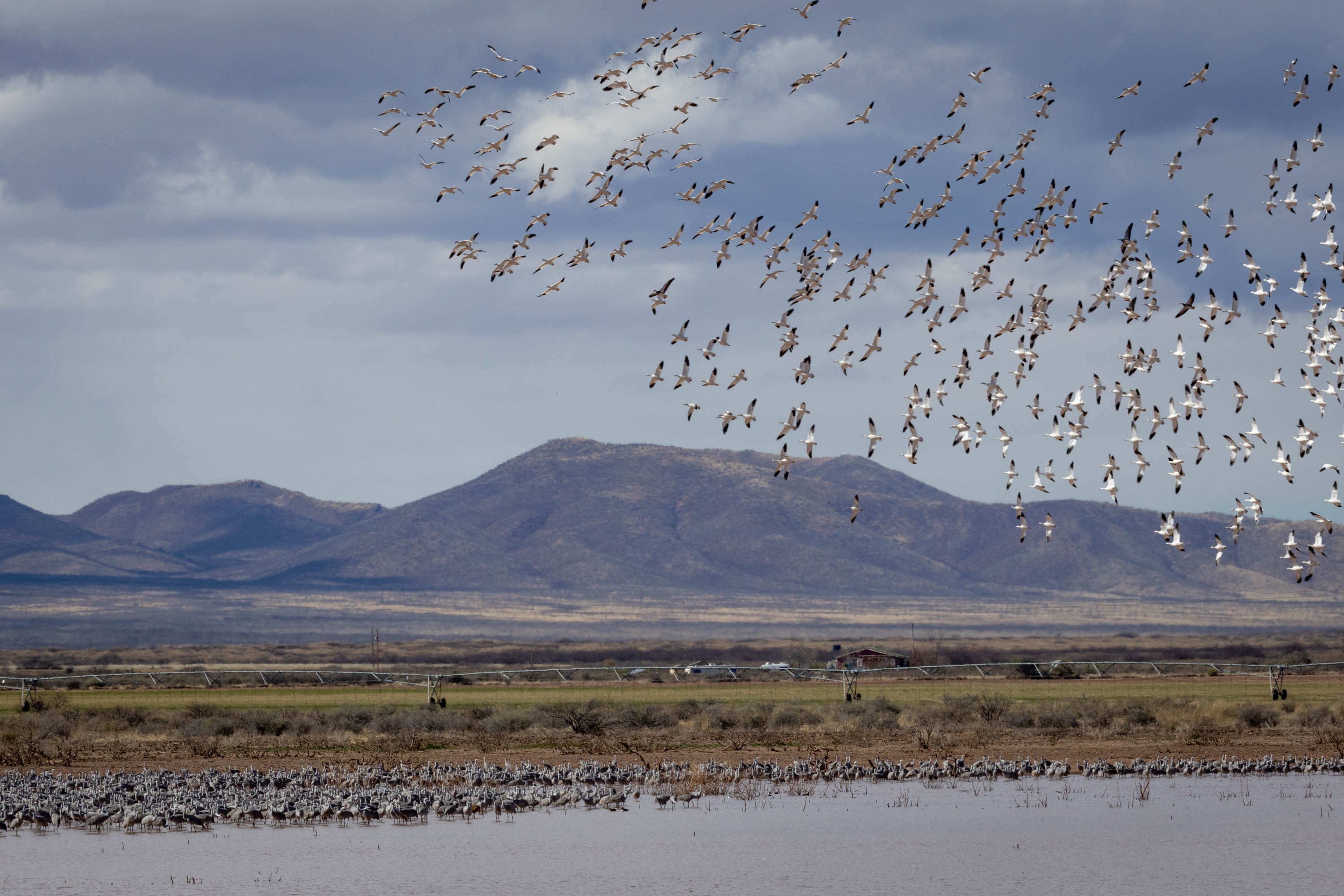
As we explore the world, and our home state of Arizona, we find it to be an amazing, stunningly beautiful wonder. Recently we have been exploring more depths as we are awed by animal migrations. Most of us have likely heard of the wildebeest migration and seen fantastic photos of this Nature’s Wonder. We have recently enjoyed small examples of the depleting butterfly migration in Northern CA. It is surprising to me to find how few people, particularly Arizonans, have never even heard of the sandhill crane migration to Whitewater Draw in southern Arizona. It is a feat and spectacle difficult to describe.
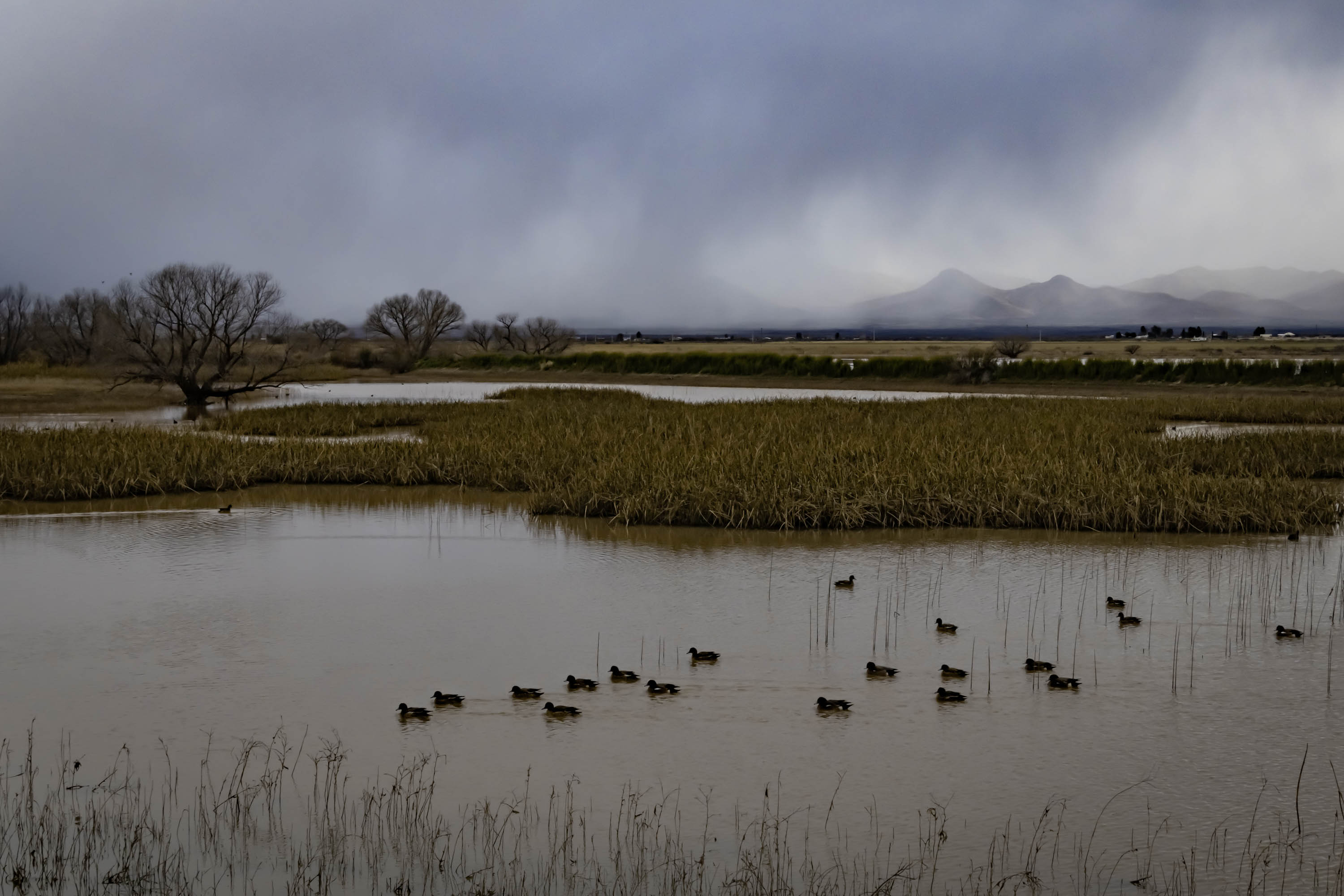
To set the stage, Whitewater Draw is outside of Willcox, AZ in the south eastern part of the state, just 12 miles from the Mexico border. People come from around the world and country to see it. We meet very few Arizonans, but on our recent trip we met people from as far as Canada, Florida, and Minnesota. Sandhill cranes often mingle about all day in marshland ponds that surround the site. Walking paths and viewing platforms allow visitors to sit at one of many benches along the way to contemplate life, see a variety of bird life, and watch the ‘show’.
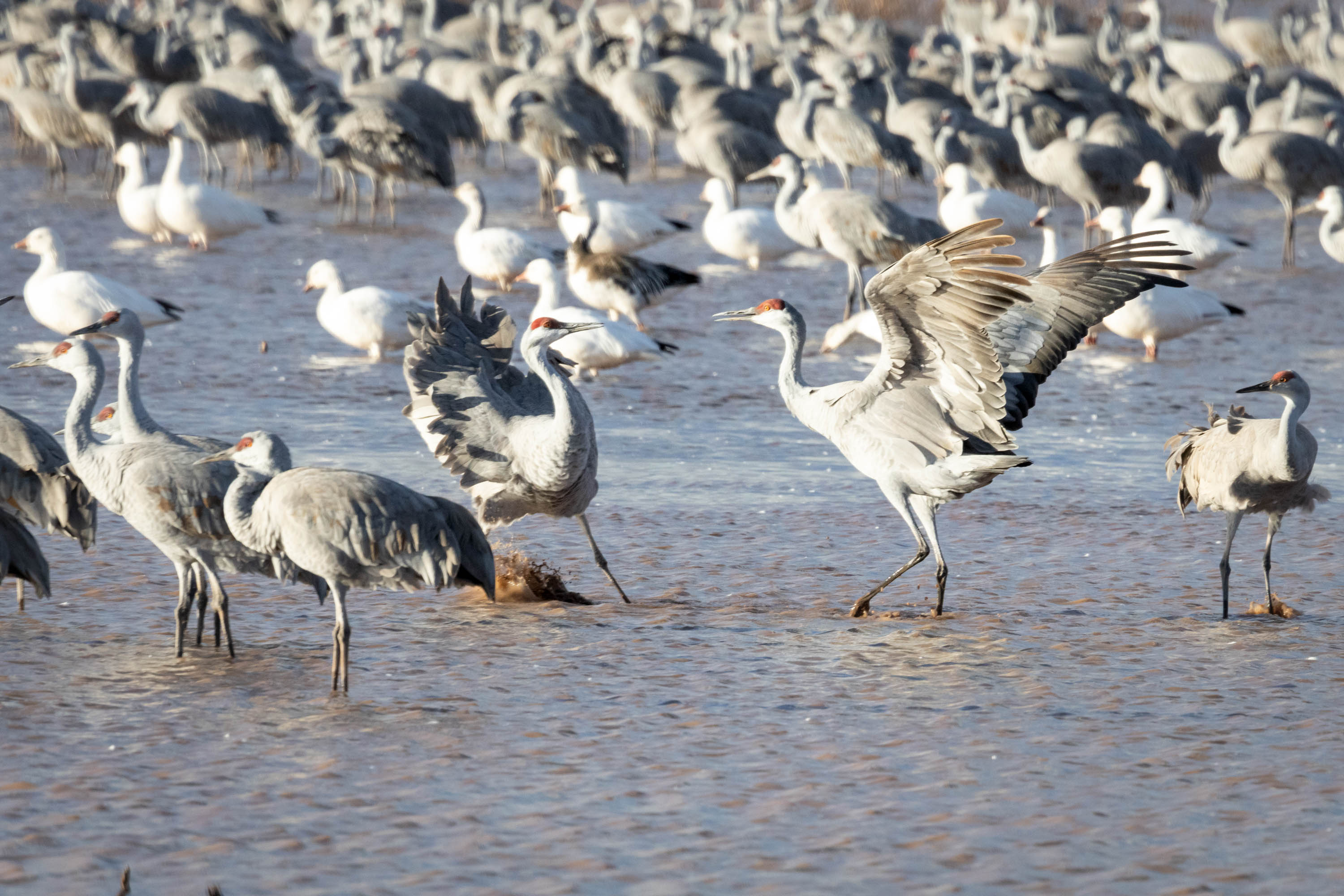
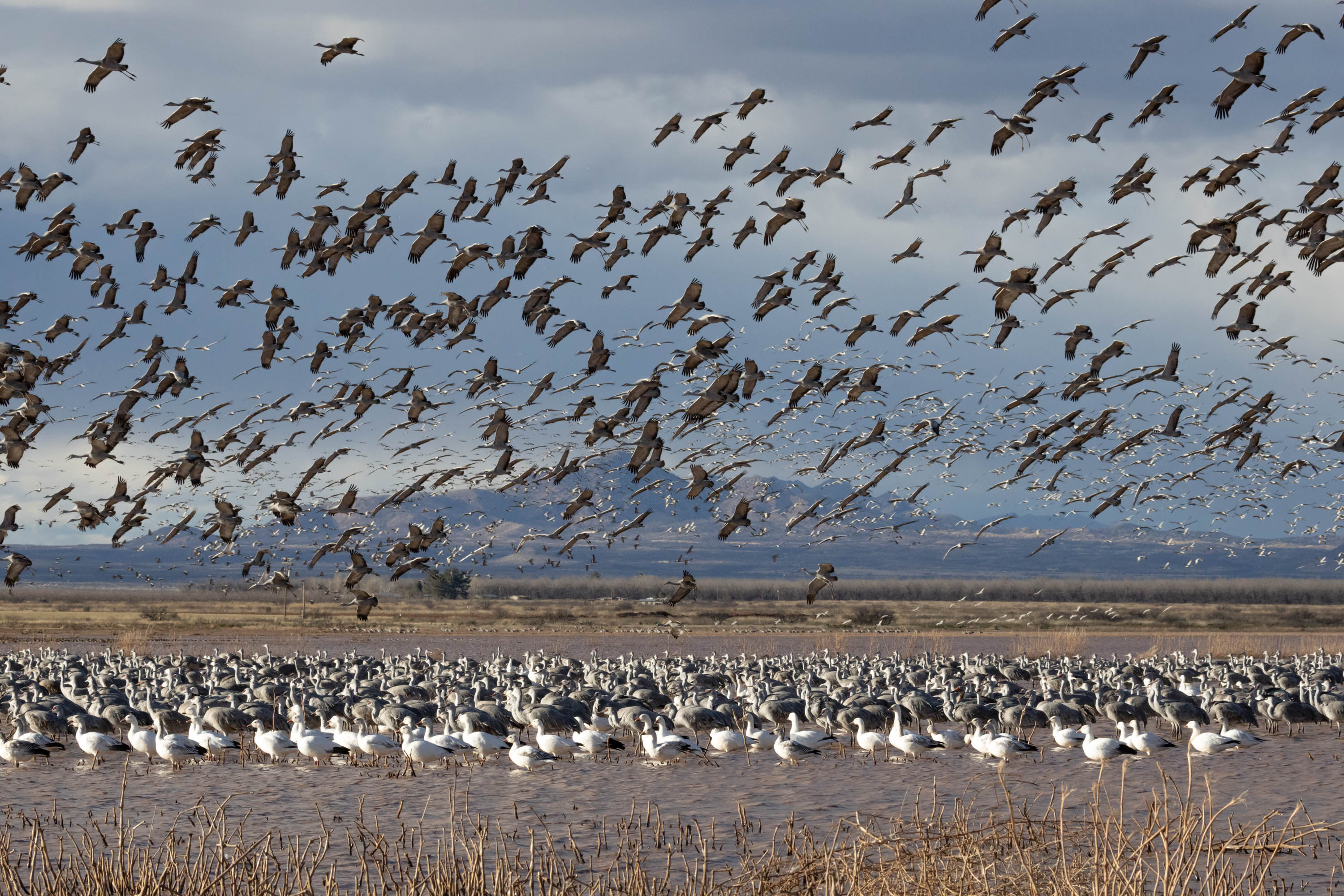
There are generally two big ‘shows’, the mass fly-out at sunrise when the cranes fly to corn fields nearby to graze; and the fly-in around sunset when they come back to sleep in the ponds to protect themselves from predators. The sheer volume of their squawking, the noise, and the abundance of nearly 40,000 birds all flying over in waves is spectacular.
To catch the show you have to be at Whitewater Draw at dawn. The nearest hotel is in Willcox an hour away. In the winter months between November and March when they are here, sunrise is around 630am and sunset 530pm. There is an overflow parking area that many camp at. It has no electricity or water, but it does have pit toilets. Some sleep in enormous rigs with generators running, others in vans or campers, and some ambition types sleep in their cars. Mind you the temps can be quite cold. On our last visit it snowed, and was 17F. It’s luck of the draw, as weather does vary.
When we stayed overnight in our camper, our evening entertainment was the ‘rest of the show’ of Nature’s Wonder. We heard owl calling to their mate and hooting and hollering up a storm. That is, until we heard the screech of a hawk jet by. That put an end to the owl’s banter. Later we heard the yowl of a mountain lion close to our camper, several times, in hunt for its prey. Then there was the sing-song of coyotes howling in the distance. The noises of natures continued as we fully immersed ourselves in Nature’s Wonder until the spectacular spectacle of thousands of sandhill cranes ranting and chattering getting ready to take flight. In a thunderous roar massive waves of cranes took off and filled the air. It truly is a sight to see, and incredible to witness one of Nature’s Wonders.
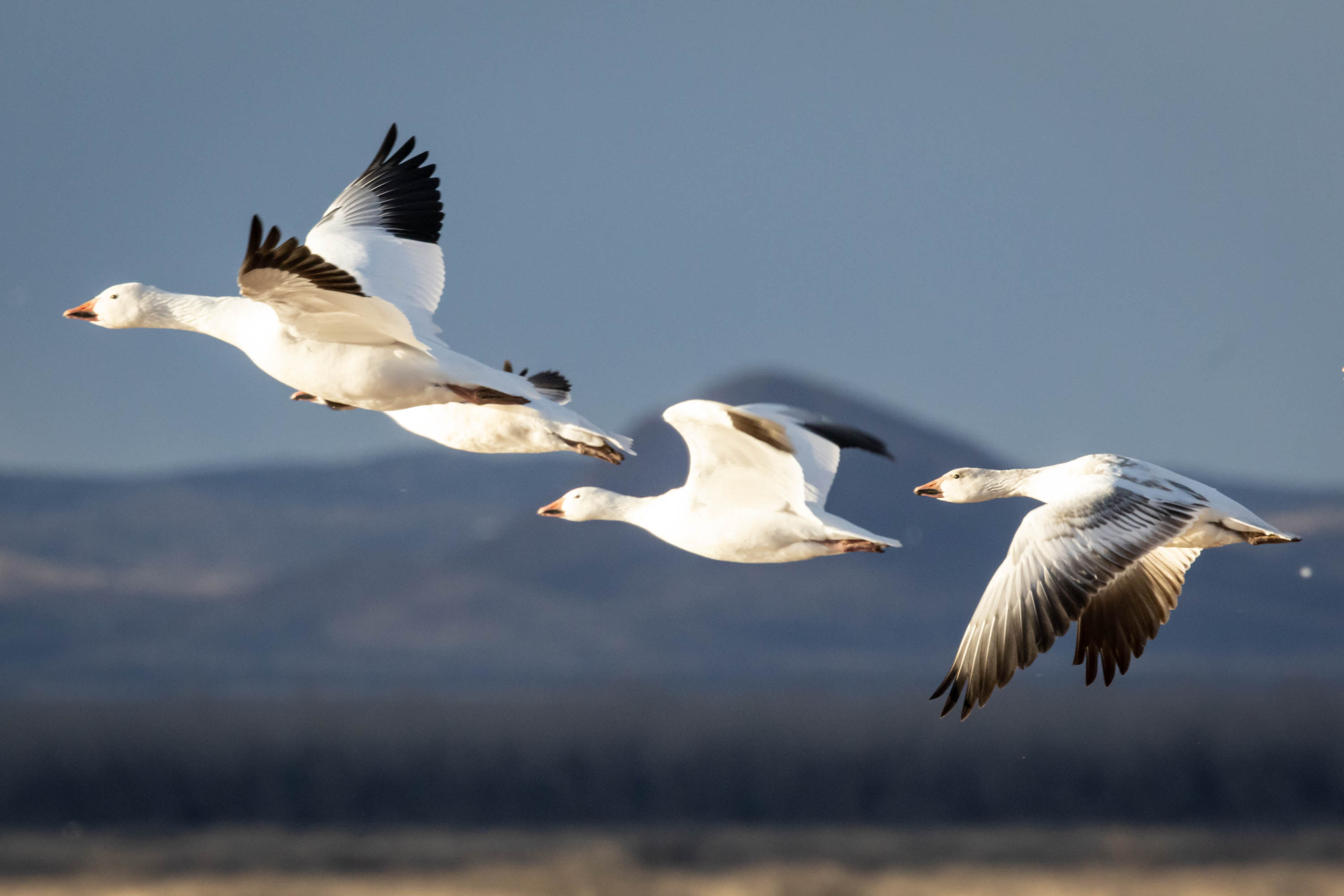
Snow geese have joined the raft of cranes and breed as far away as north of the timberline in Greenland, Canada, Alaska, and the northeastern tip of Siberia. They migrate in the winter to warmer climates, making Whitewater Draw an increasing popular destination for them. Albeit, this year they were probably wondering if they made a wrong turn when they wound up in a snowstorm in Southern AZ.
The weather forecast said we’d get 12 – 18″ every day for 3 days. I’m not sure who got our snow, but we didn’t.
We got maybe 7″ over the 3 days.
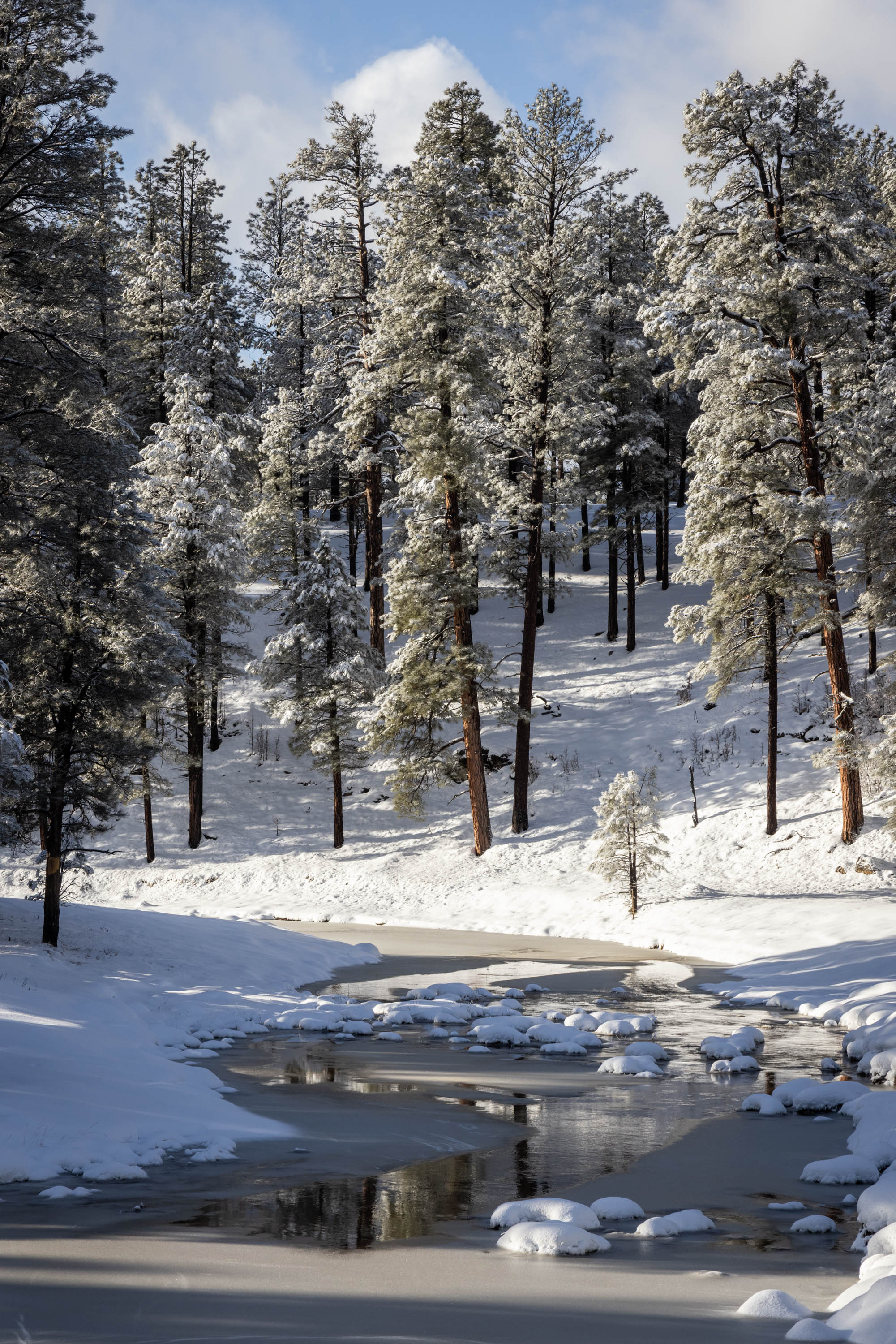
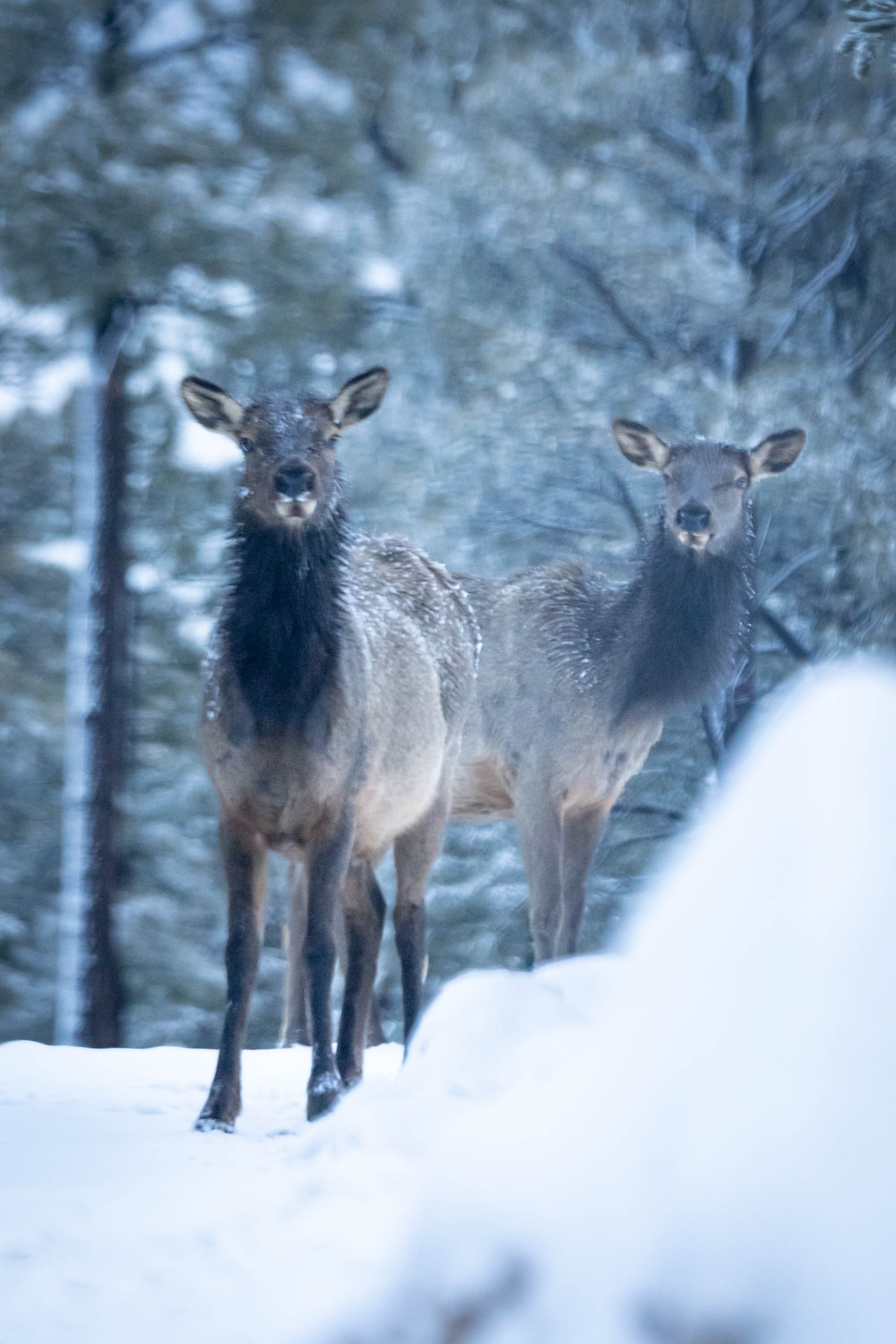
We drove up Lake Mary Road having heard that Flagstaff got 18″+ just on the first day. It seems we found our snow. The snow as we neared Flagstaff grew heavier each mile with large drifts and snow piled high.
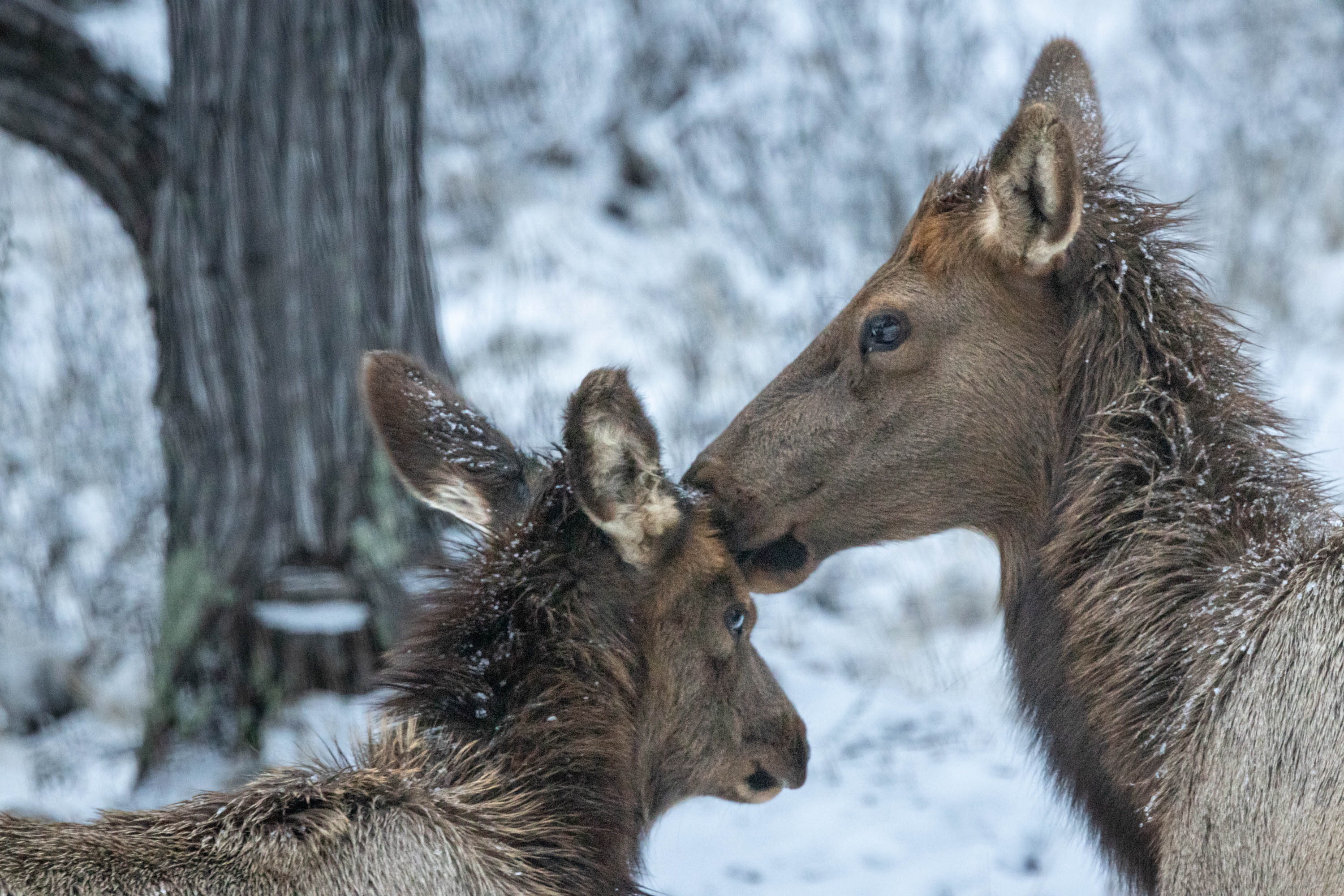
We were happy to find it… and the herd of elk wandering through.





































 kritterspaw