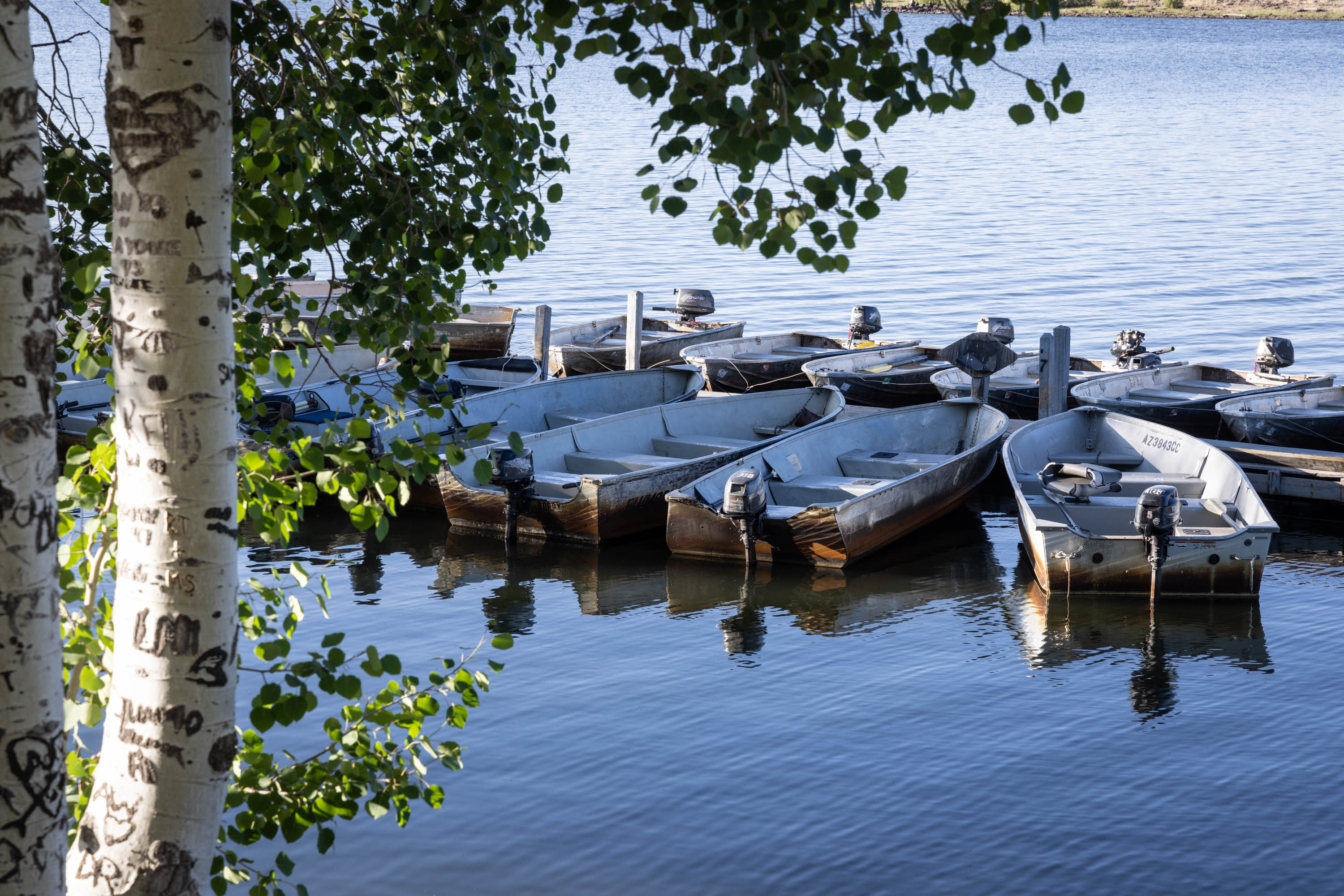
BEST OF … Landscapes 2023

I try to do a BEST OF every year to review and capture my best shots of the year. I did a BEST OF Animals 2023 you can see here…. https://kritterspix.com/2024/01/20/best-of-animals-2023/

This year we went to number of old stand-by’s that we enjoyed, and a few new spots that may become new favorites. We got some wonderful sunsets and amazing Arizona scenery. It is always difficult to pick favorites, but I’ve tried to narrow down my favorites to the top 10 that resonated with me. For me these photos evoke a memory of beautiful space and time. That is the beauty of photography and art in general, beauty is in the eye of the beholder.

  1. I think my favorite landscape photo of the year was this sunset at Aker Lake. We were there 3 nights. It was peaceful and quiet. Every morning and every evening we went out to take photos. On our last evening, I went out to take photos and found these two hikers had pitched tents at the water’s edge (ironically, right next to the sign that said NO CAMPING). As they fished for supper, I took photos that just popped with the color of their tents against the lush trees right at sunset. Better lucky than good.

2. We do not see a lot of cactus where we live, but were camping in Kofa Wilderness in southern AZ and found the light and glow on the mountain ranges to be magical.

3. Dogtown Lake is small lake outside of Williams, AZ. It offers wonderful views of the Bill Williams Mountain range and great reflections on the water. On this particular visit we were gifted with a wonderful early morning sunrise.
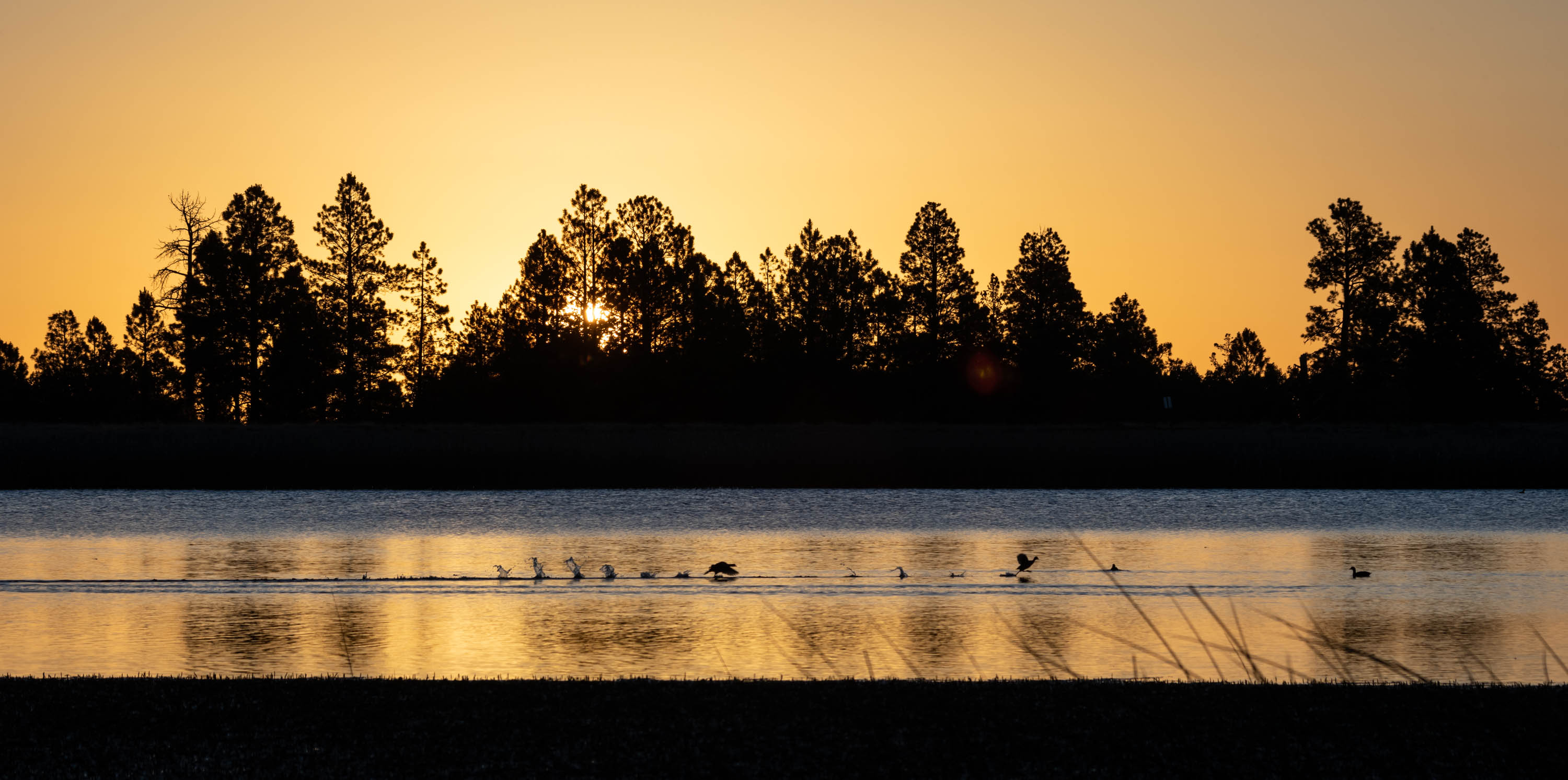
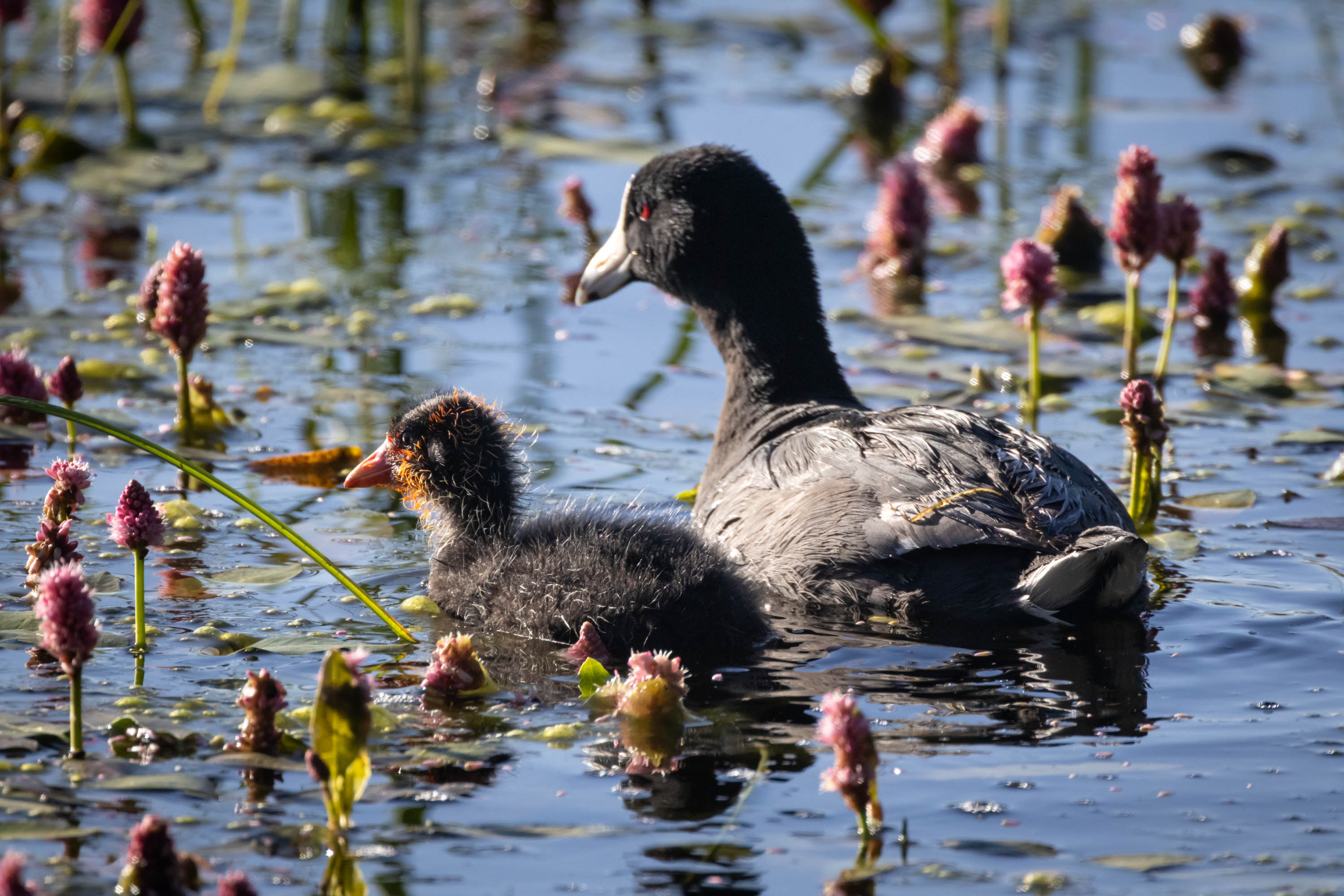
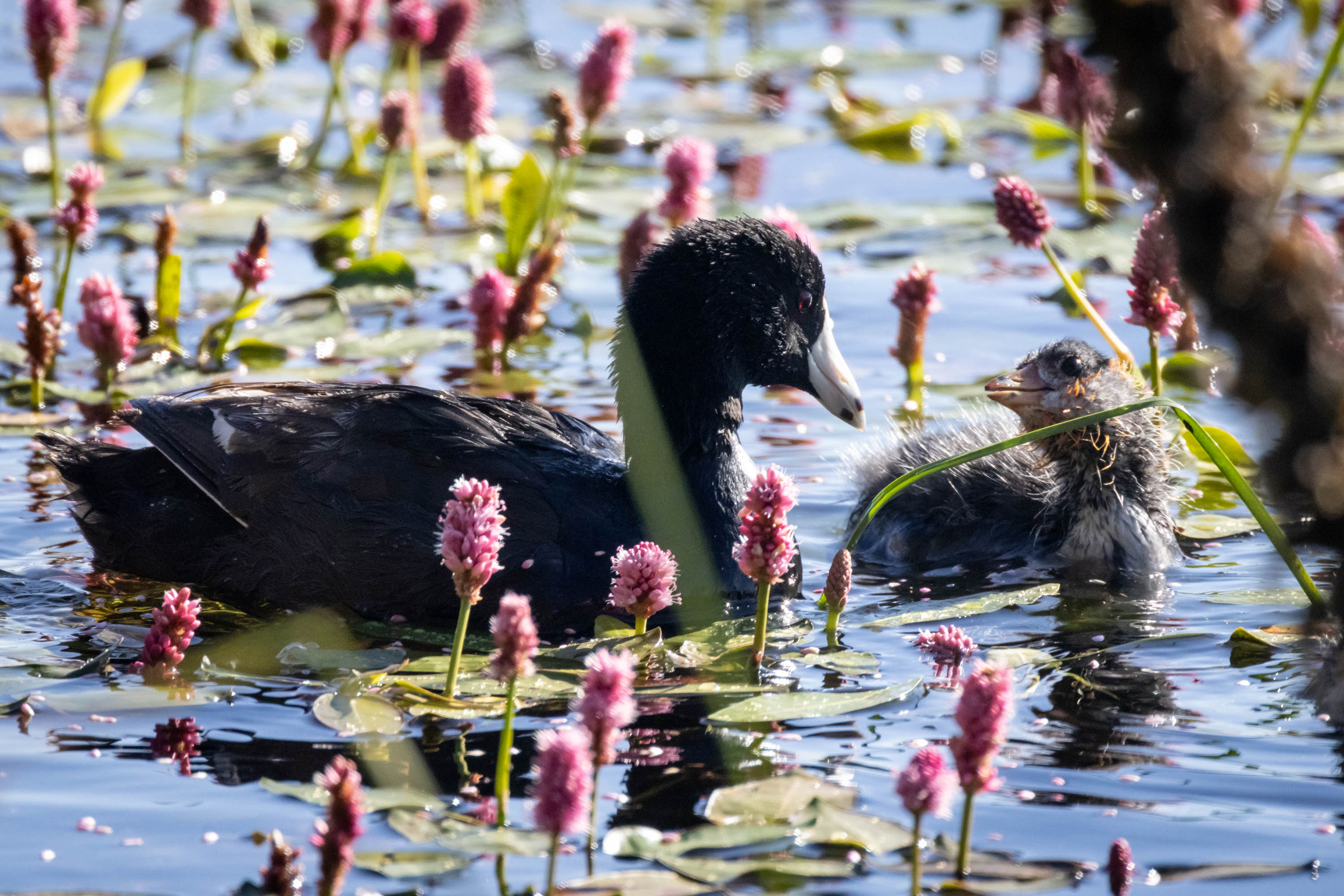
4. Carnero Lake has become one of our favorite spots. It’s quite small, and generally quiet – though not always. We enjoy hikes around the lake and the ducks and coots that find it home. I got a great kick out of these ducks ‘walking on water’ as they chased each other across the lake.
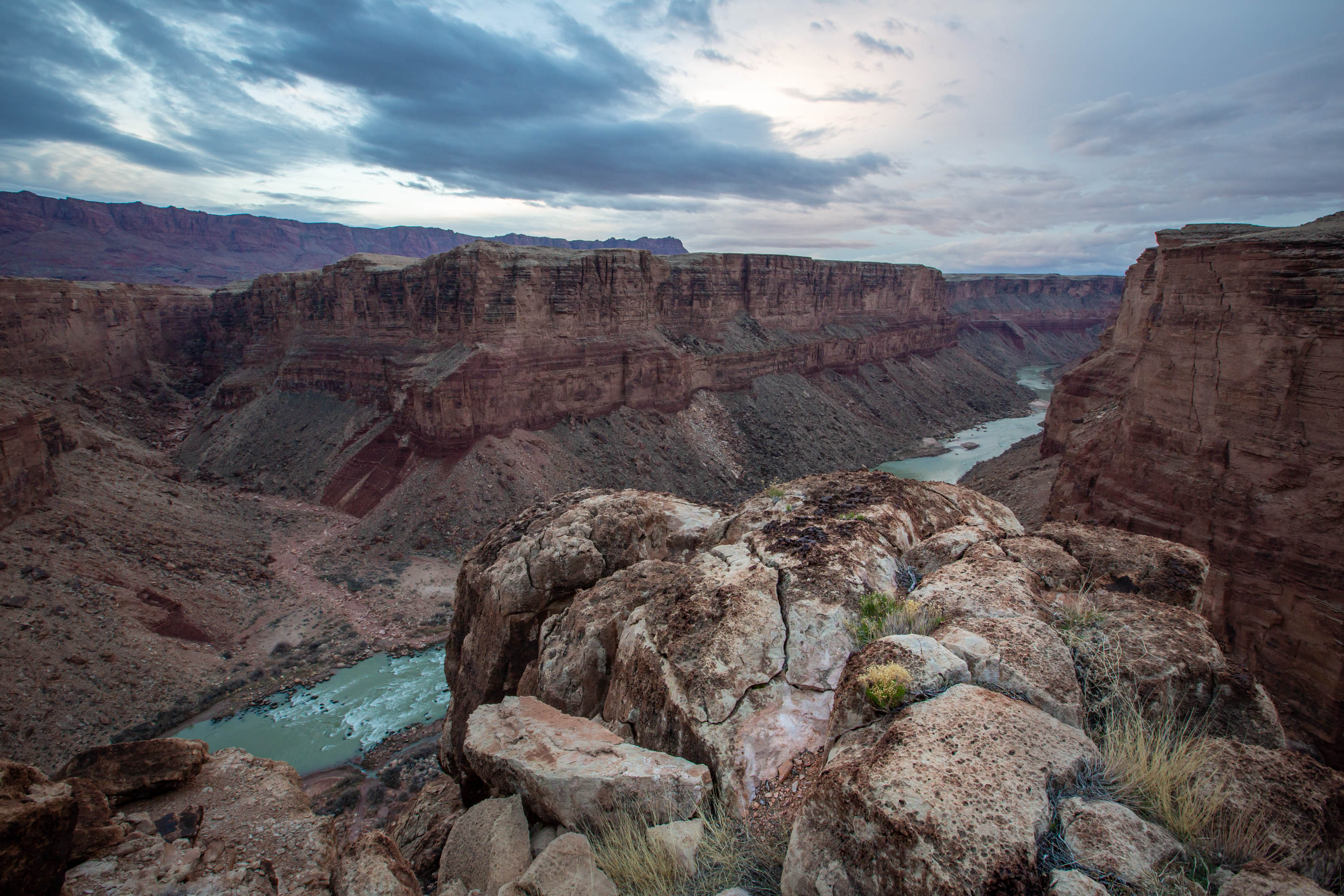
5. Just outside of Page, Glen Canyon is home to the Vermillion cliffs and Marble Canyon. The mighty Colorado River flows through stunning canyons with craggy ridges and cascading rapids. It’s a wonderland of hiking and exploring opportunities, with amazing views in a serene environment.

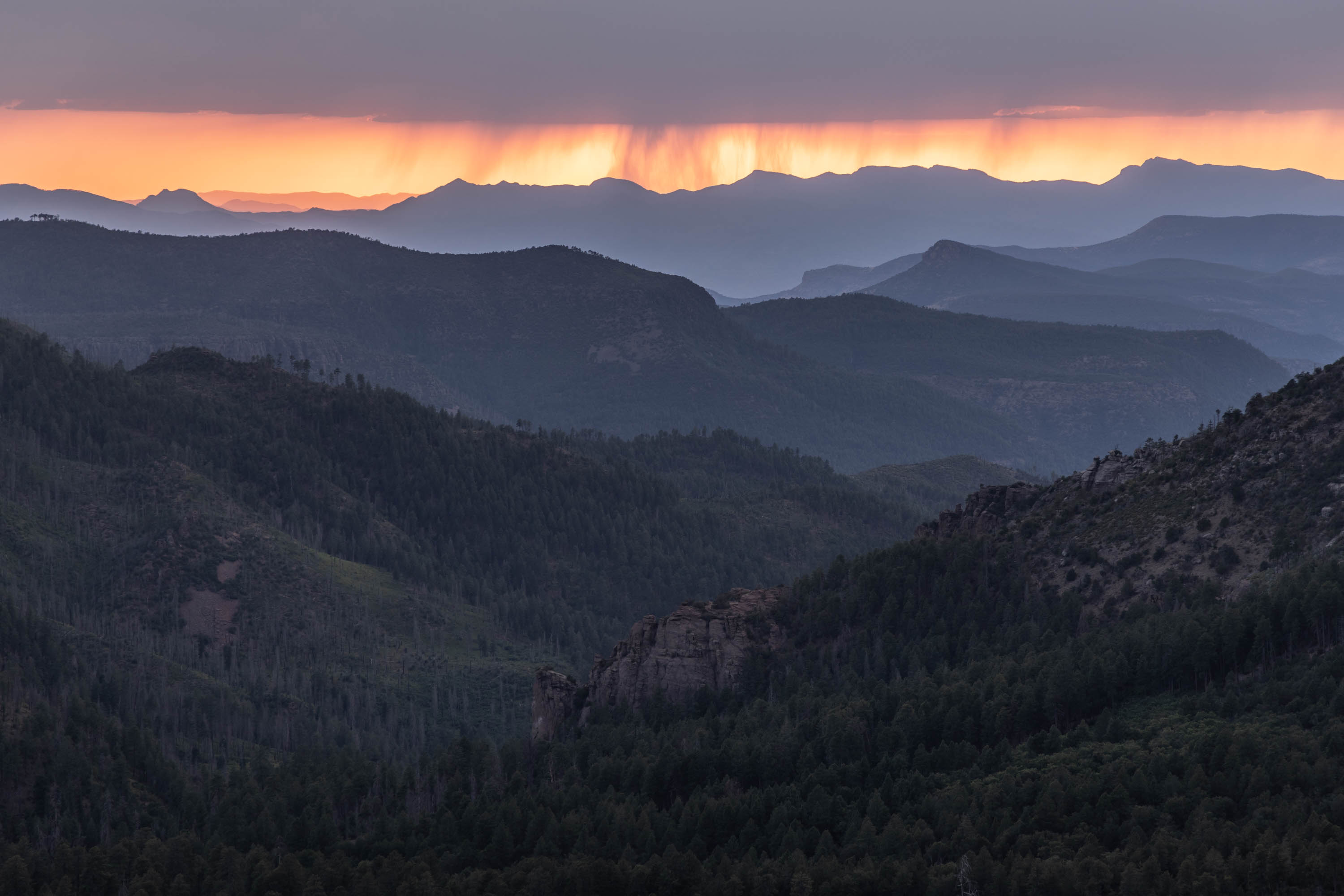
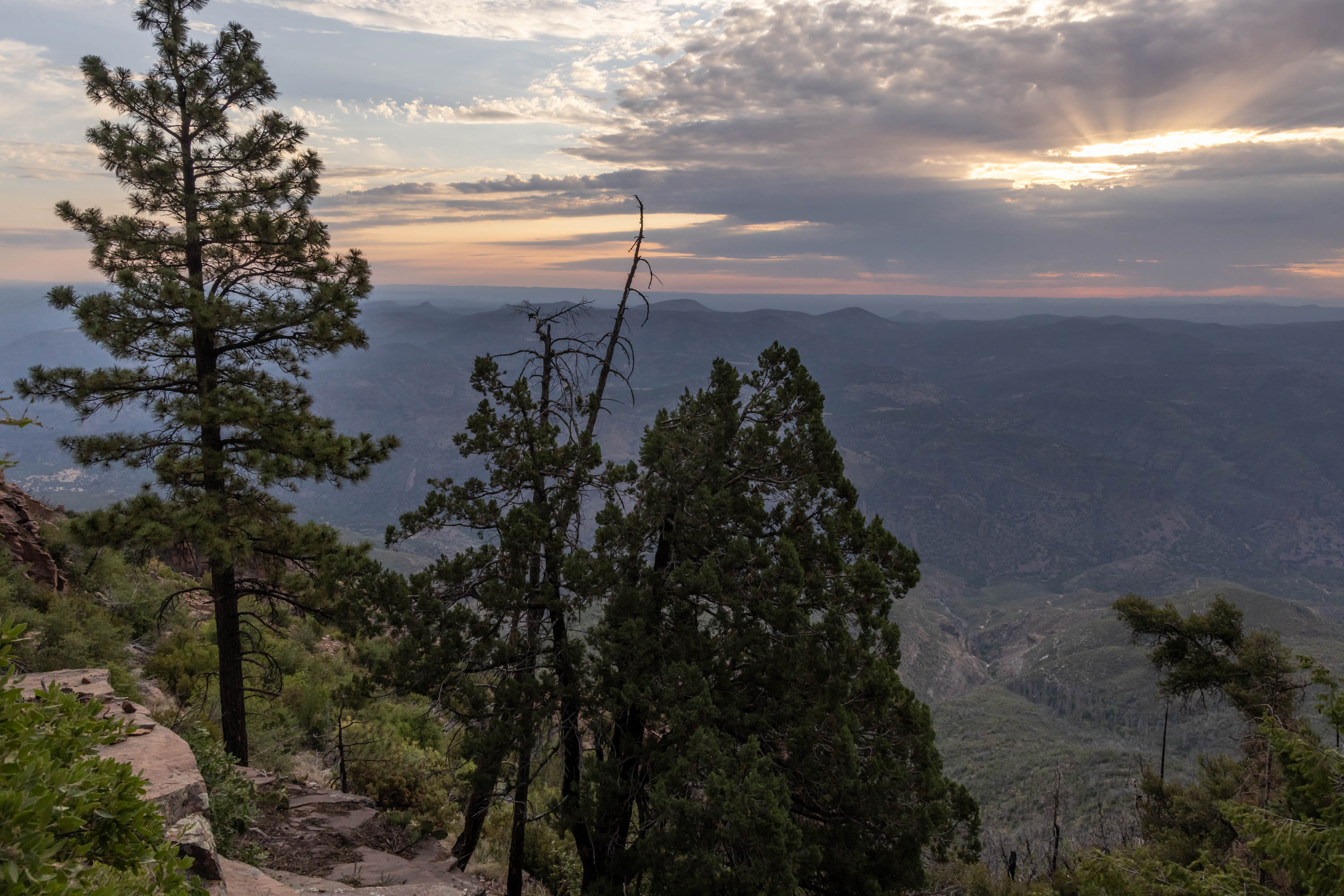
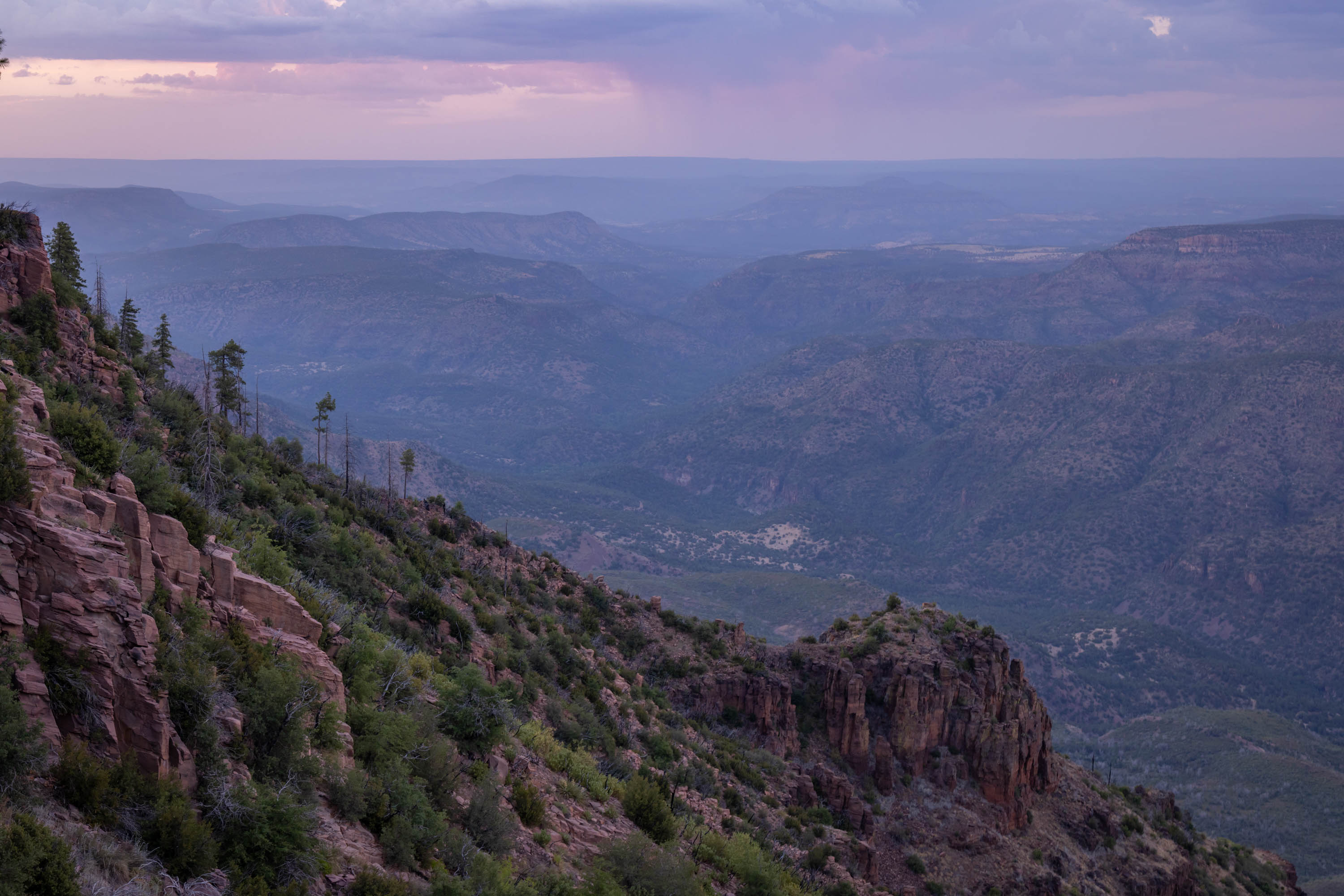
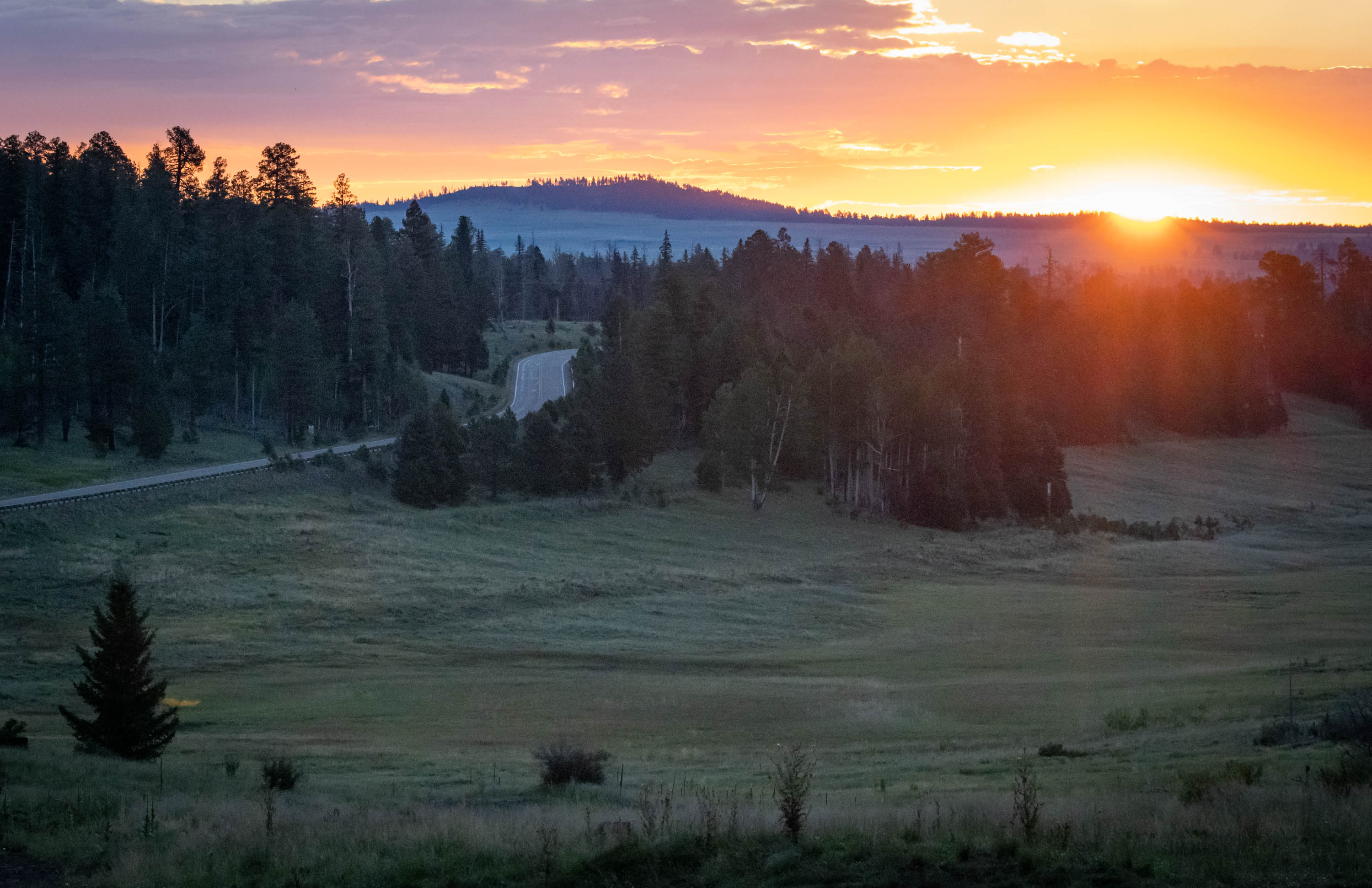
6. I am so humbled by the awesomeness of nature. We travel her backroads looking for gorgeous overlooks, and are always inspired by the diversity of our beautiful state and it’s many moods. While our monsoon season was very dry this past year, the few rain storms we did see brought in some fantastic skies, making me all the more thankful to be in a spot where we can enjoy the show and the view.

7. We frequent Green’s Peak outside of Show Low. We particularly enjoy it in the Fall when the aspens are bursting with golden hues. The landscape is so vast and broad it’s hard to capture. We enjoy the elk, antelope, and hawks that roam through the meadows and trees.

8. Green’s Peak is also home to a number of small lakes that are popular fishing holes for local fisherman. Of course we love the water and it’s reflections of the landscape along it’s shores. During the Fall it is particularly alluring with the changing colors and mirror glass still water.

9. We pass Lake Mary every time we go to Flagstaff. We don’t generally stop, as we are on our way to do something in Flagstaff. We often see fisherman or boaters enjoying a day at the Lake. On this particular occasion it was hard not to stop and capture this sprawling field of yellow daisies against this stunning sky. Sometimes you have to stop to smell the flowers and take in the view.

10. Whitehorse Lake is a recreational lake deep in the Kaibab National Forest. It offers kayak rentals, boat ramps, fishing opportunities, camping, and hiking. If you are lucky you might see osprey fishing, waterfowl or deer. On our visit we actually had an unusual encounter with a feral pig, which for me, was particularly thrilling.

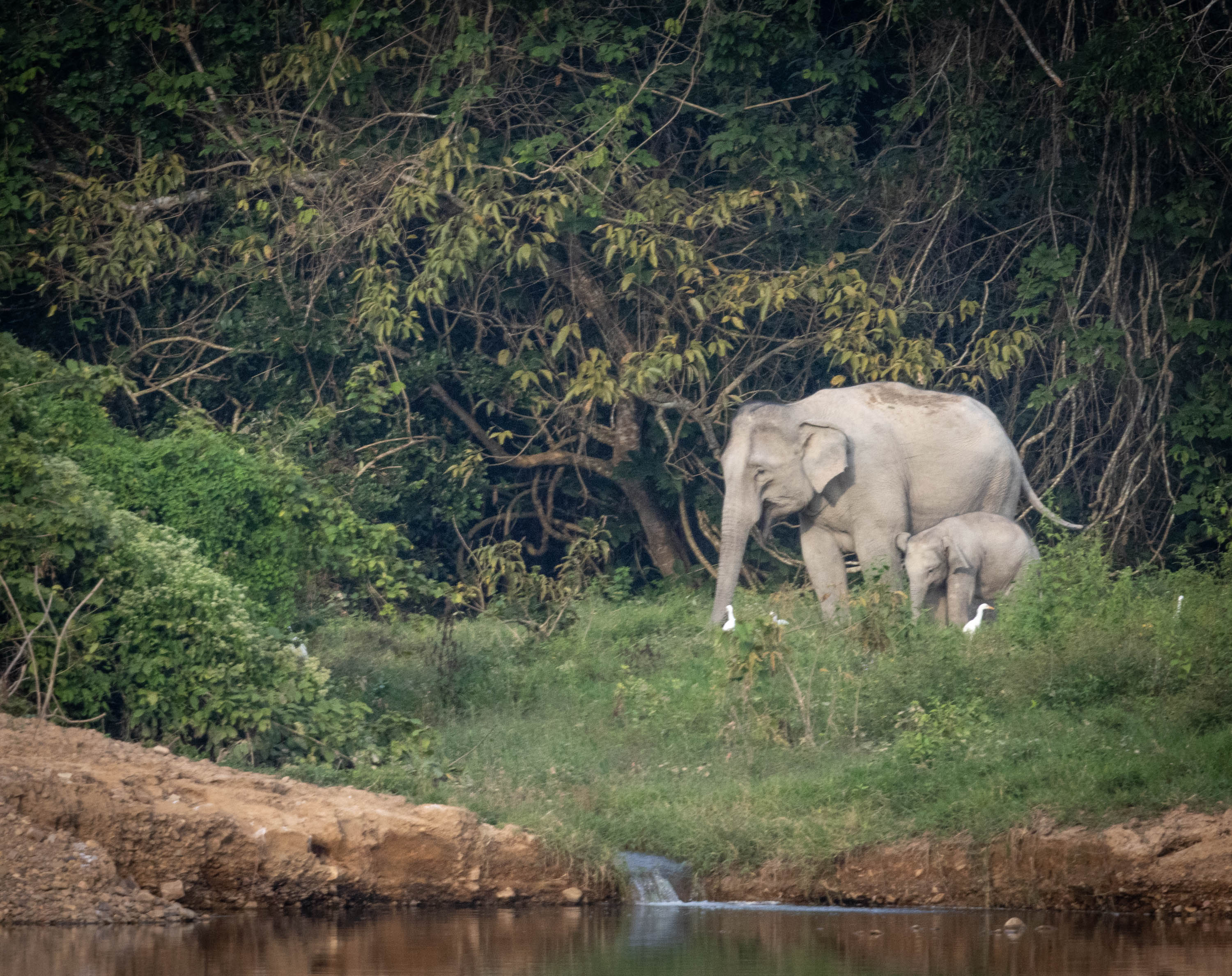
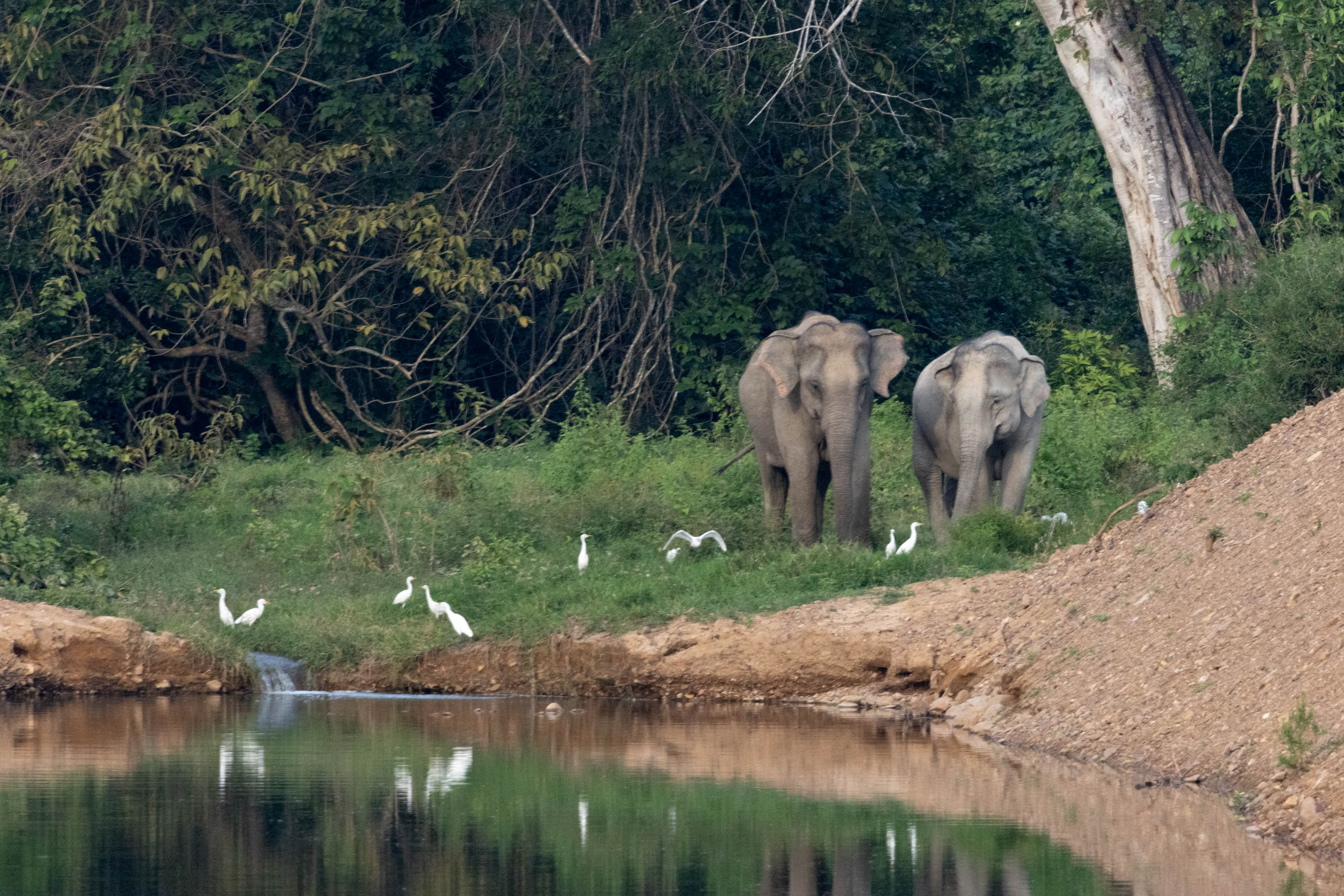
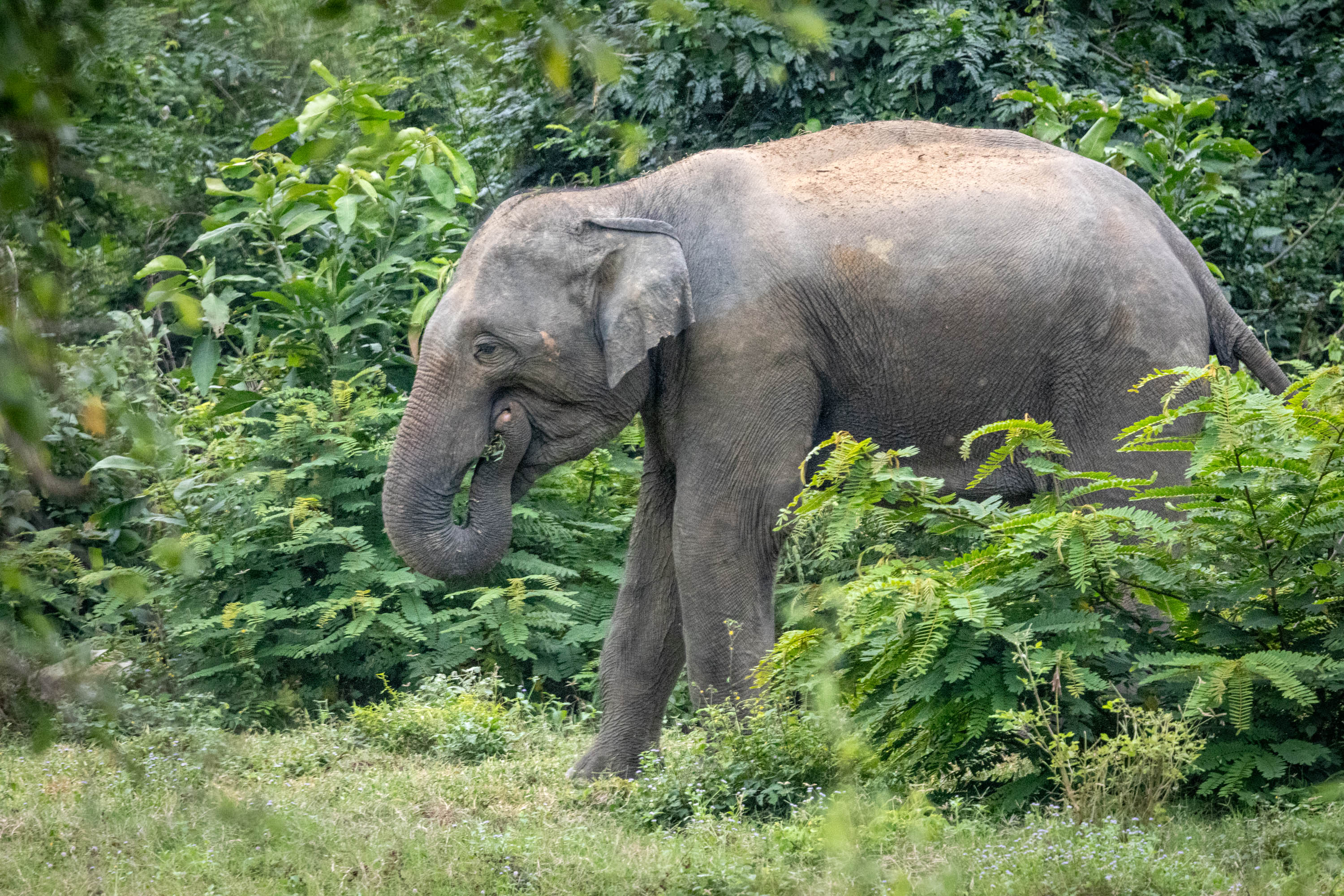
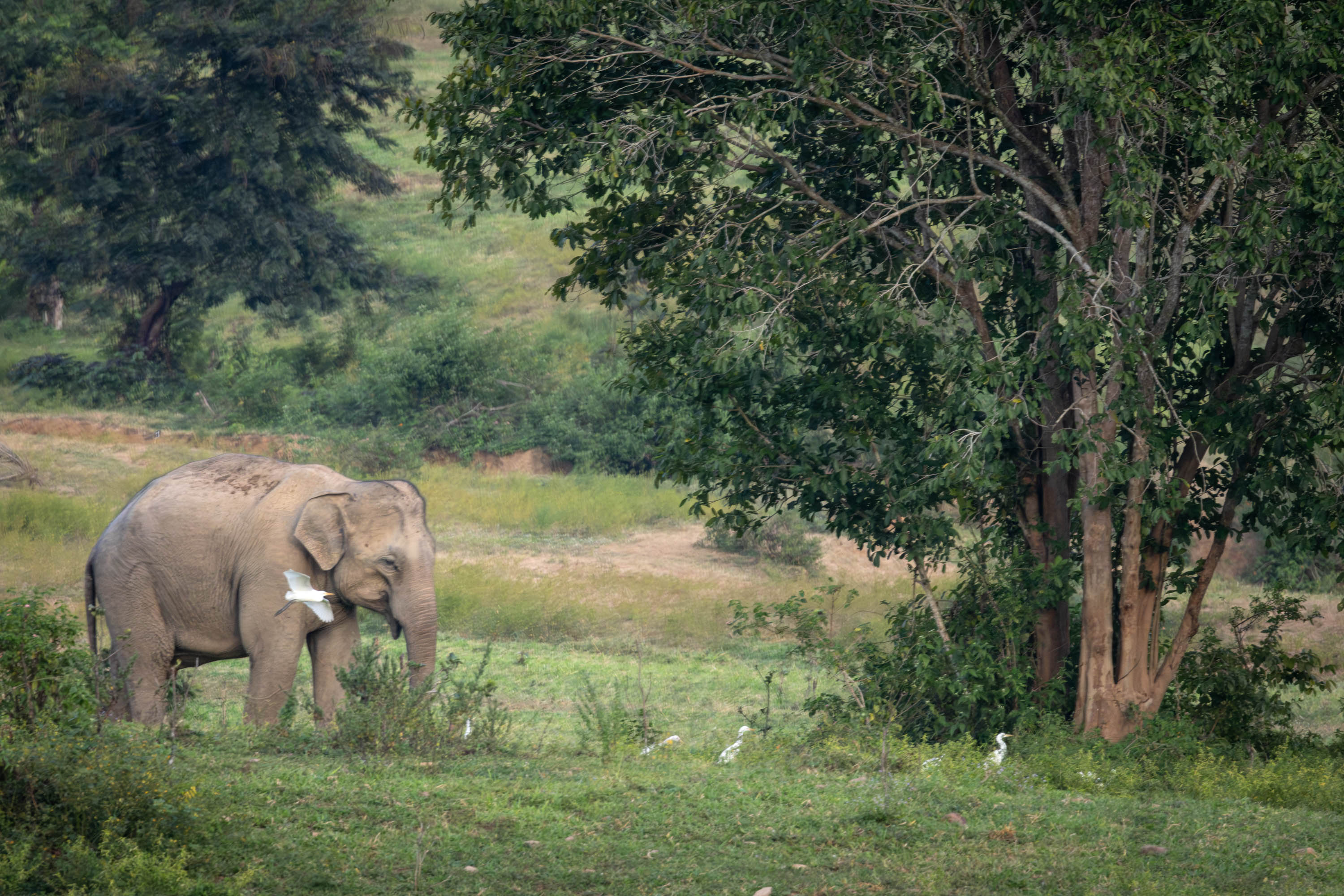
Wild Elephants

There are two species of elephants: African & Asian elephants. Since we were in Thailand, we were keen to make sure it included seeing wild elephants.

(See posts here…https://kritterspix.com/2023/12/07/thailand-wildlife/, https://kritterspix.com/2023/12/06/chang-mai/, and https://kritterspaw.com/2023/12/06/bangkok-thailand/ )

There are thought to be around 7,000 elephants in Thailand. An estimated 4,000 are held in captivity as work horses or for tourism in sanctuaries, for riding, or ‘show horses, er, elephants’. Those in the wild are in jeopardy as a typical Asian elephant (smaller than it’s African cousin) weighs some 6,000 – 12,000 lbs and eats around 300 lbs of food & 50 gallons of water every day. A large male can consume twice that amount per day.

Urban sprawl has obliterated much of the elephants habitat. And due to their hefty diets, they can be nuisances to local farms and villagers, decimating crops as they look for food. The elephants find farmer’s rubber tree plantations, pineapple and banana crops, crucial to Thai people’s economic security, particularly tasty.

In 1999 Parks like Kui Buri National Park were established to help protect the wild elephant, and offset the increasing loss of income for the Thai people. The very same farmers loosing crops around the Park moonlight as expedition drivers for a growing tourism trade to take tourists via ‘jungle trucks’ into the park to see wild elephants roaming free in this 600 square mile expanse between Myanmar and Southwest of Hua Hin, Thailand. There are over 300 elephants living free in Kui Buri National Park.

The late King Bhumibol Adulyadej, patron of Thailand’s conservation movement, encouraged the protection of elephants and their habitat at Kui Buri’s Park establishment address in 1999. “Elephants should be in the forest,” King Bhumibol said; it is humans who “must ensure there is enough food for them” where they live, safeguard them, and keep them from invading plantations where conflicts arise. Today there are a number of National Parks throughout Thailand where one can hope to see wild elephants in addition to Kui Buri, like Khao Sok, Khao Yai, and Kaeng Krachen National Parks.

Unfortunately, it’s an ongoing struggle between elephants seeking food and villagers encroaching on their lands looking for income sources. Often villagers or elephants don’t survive the confrontations making it dangerous and difficult to coexist. While government assistance does help compensate for damaged crops, it can take years to re-establish.

Building fences with noise makers or rows of natural tamarind tree barriers to ward off the elephants has helped to keep the elephants in their own habitat and not venturing into villages. It’s a constant battle between man & beast, nature & commerce. For us it was enlightening to see these magnificent animals in the wild, to learn their plight, and meet many villagers who work hard to maintain and care for these wonderful animals.

Bangkok, Thailand

We just got back from an AMAZING trip to Thailand. Before we left, our friends favorite question seemed to be ‘why Thailand?’. Once we got back, it turned to ‘what was your favorite thing?’

Across Thailand, the answer is clear: above all else, the people. The Thai people are the most kind, inviting, and generous people you want to know. We never met anyone we didn’t love (other than the occasion rude tourist from some other country).

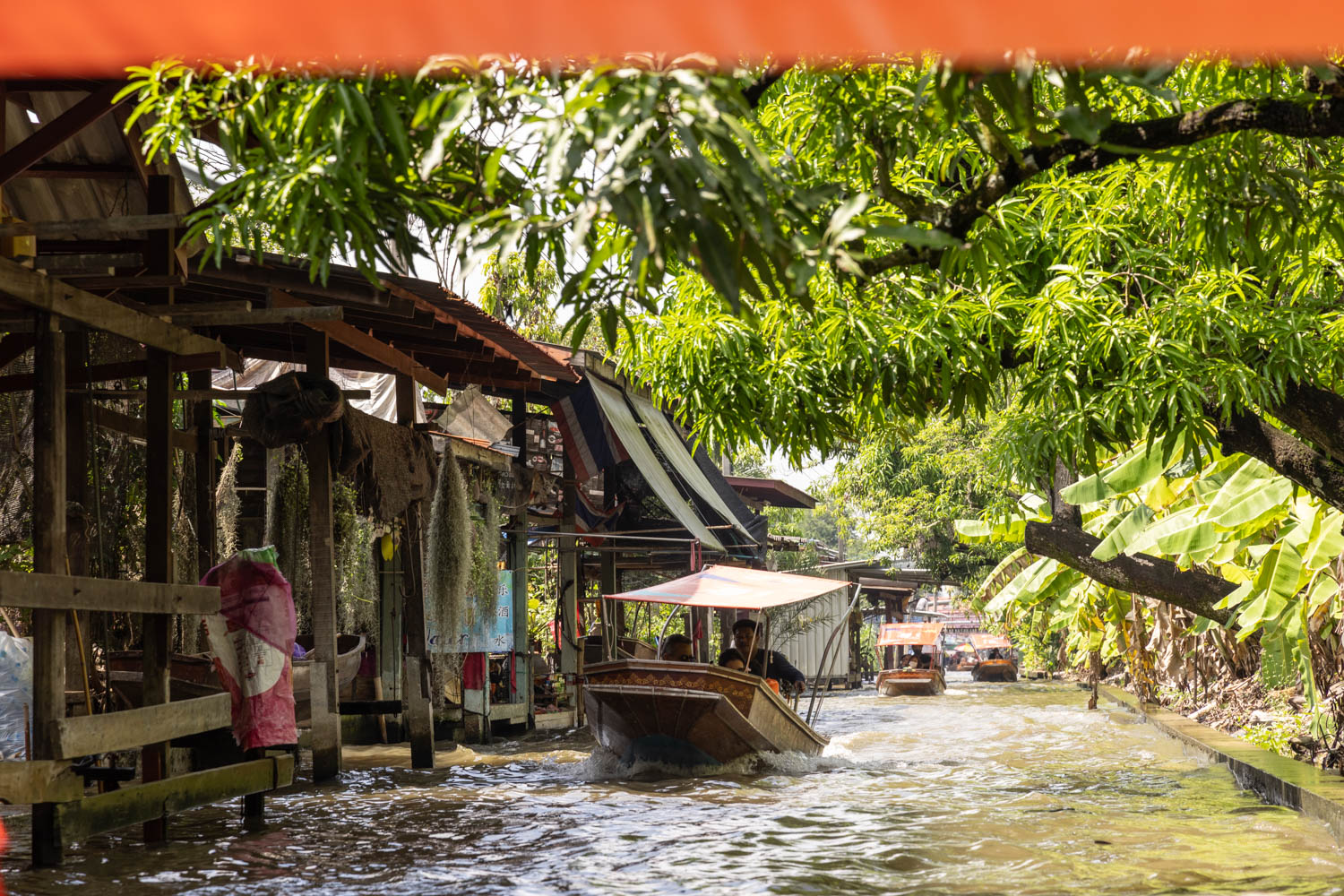
Of course, I loved the food, all of it. And the people serving it. The floating markets were amazing, and I must admit definitely one of my favorite activities in Bangkok. We went to a number of them, and while they were all different, we enjoyed them all. We enjoyed them from walking along the boardwalk, and from a long boat floating past vendors from the water, which was definitely great fun. The raw ingredients were all so carefully and beautifully laid out, and the prepared food all so fresh and made with love.

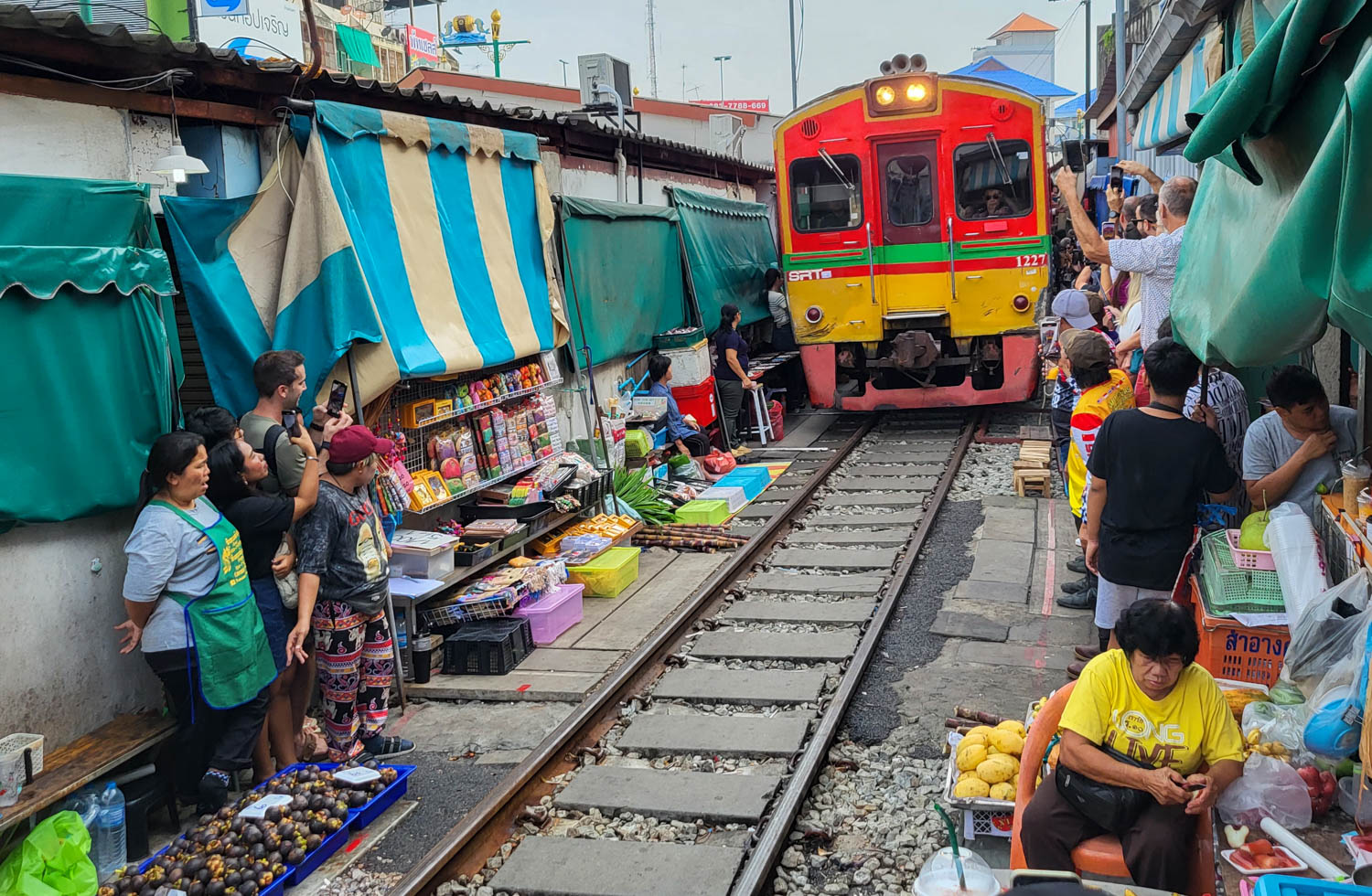
Even the railroad market was fascinating. Here is a market that has been around since before the railroad was built in 1905 and the people refused to move the market. So, their goods are set up along the tracks and have to be moved, along with their awnings back out of the way 6 times a day when the train goes through. It’s become a touristy market to visit, but is still used by the locals who go to the market to buy goods. It is definitely something to see as the train slowly passes, if only momentarily and everyone gawks at the wonder of the whole thing.

While tuk tuks are touristy thing to do, and they work well for getting short distances as they are able to bypass the taxi’s, buses, and cars on the roads, weaving between traffic with the many scooters (a true Thai form of transportation), they can be more expensive. Boat travel is an important method of transportation, both for locals and tourists alike. If one works in the bustling parts of Bangkok, a public boat (of which there are many) can get you ‘across town’ fairly quickly, for very affordable rates.

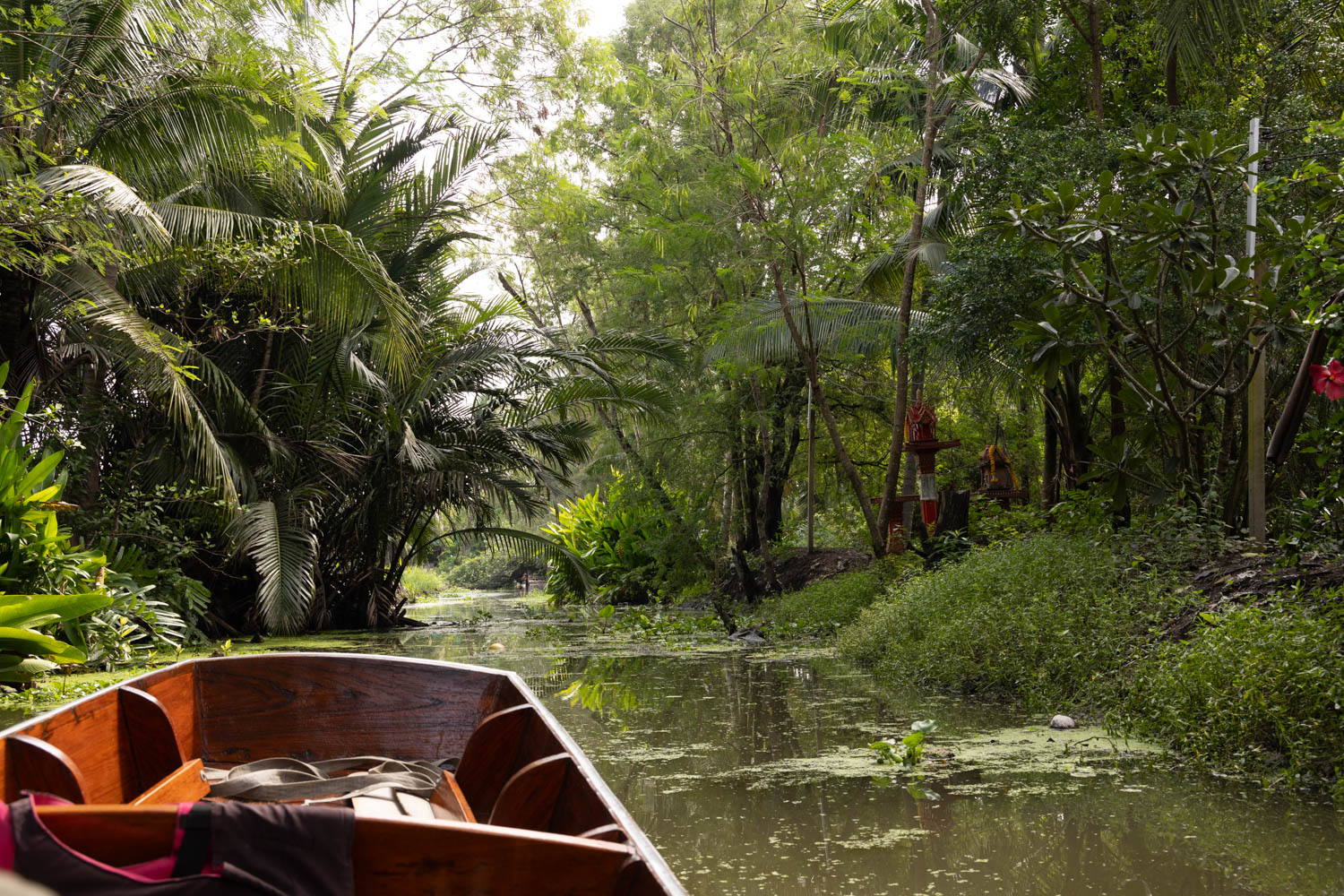
We really enjoyed the klong, or canal, tours in the long boats where we were able to see more of the ‘backroads’ of Bangkok.

Finally, we were extremely fortunate to have great guides like, Yui, who showed us the way and educated us as we went. We enjoyed Bangkok and it was a great introduction to a long trip full of wonderful experiences and tastes.

See more Thailand exploits here… https://kritterspix.com/2023/12/06/chang-mai/

Capturing Mood

The more photos I take, the more I learn the nuisances that make a difference in a successful image.

Capturing the environment can be key to conveying the sense of place.

Capturing gesture conveys the character and mood of the subject.

Conveying mood isn’t just for animals. Clouds, light, and smoke are all great vehicles to highlight the scene where otherwise it could just be boring and unidimensional.

Whether it’s wildlife or landscapes, stop to see the light, the nuisances, and continue to learn.

Coues White-Tail Deer

The Coues (pronounced ‘cooz’) white-tail deer roam Arizona and New Mexico and are less common than the common mule deer, which can be found throughout western North America. They can be distinguished by their tight compact antlers, smaller ears, and ‘colored’ tail (as opposed to mule deers white rump with black tip tail).

When they are alarmed they run, revealing the underside of their snowy white tail, hence, white-tail.

The males are typically around 125 lbs, while the females are about 80 lbs. They graze southeast Arizona in elevations of 4,000 ‘ – 10,000 ‘.

They are a frequent visitor and often encountered in the forests around Mogollon Rim and the White Mountains.

They were first described by Army physician and naturalist Dr. Elliot Coues stationed at Ft. Whipple in 1865.

Baby Season

I am sometimes asked what my favorite season is. I often like to reply, ‘Winter’, for the unique vantage point and photographs I get when the animals wander through the fresh fallen snow.

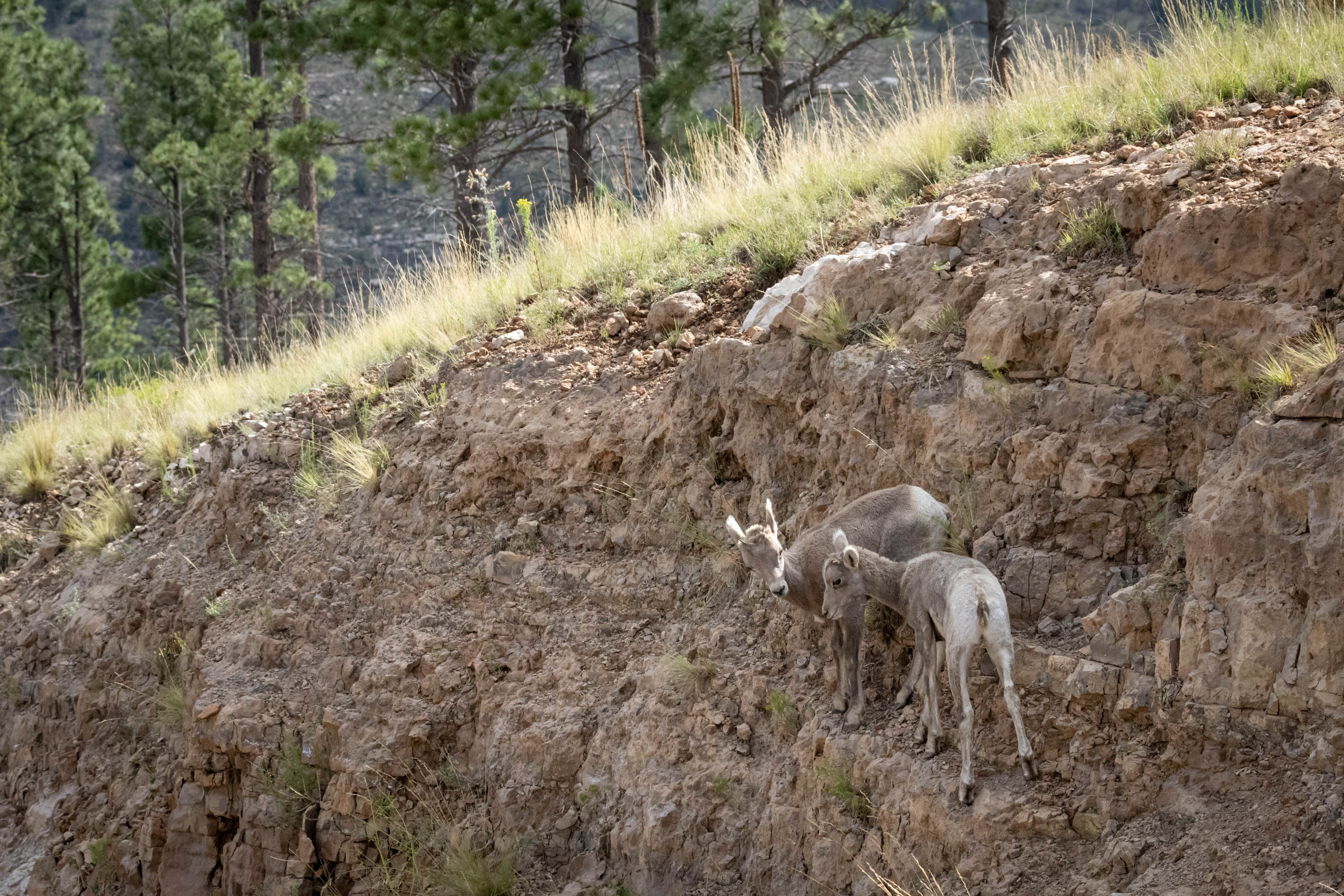
But, I’d be remiss in not admitting my love for baby season. Dependent on the animal, new borns are generally between May and August. We find (and look for) them all over Arizona during those summer months. Sometimes we are lucky enough to successfully find, and capture some magical moments with wildlife.

See more big horn sheep pix here… https://kritterspix.com/2023/08/22/big-horn-sheep/

Whether it’s in the forest, the canyons, or the waterways, animals can be found anywhere we look.

I admit to getting very lucky to see and capture the animals we encounter. Truth be told though, we spend a lot of time in the wild looking for just such opportunities.

We’ll go back to places we have seen particular animals in the past, with mixed level of success. They are wild animals after all, emphasis on the ‘wild’ part.

But then, luck does favor the prepared.

Smoke & Haze

In Arizona it’s more ‘monsoon’ season than summer season. 

Yes, the summer brings the ‘dry heat’ we are universally known for, but it’s the monsoons that bring the rains, wild flowers, green grass and cool things down.  It’s in every conversation across the water coolers across Arizona, ‘where are our monsoons’, ‘we need some rain’. 

The monsoons bring much needed moisture to our forests and trees, to our gardens and landscapes.  With the coveted rain also comes lightening, and fires.

As we travel across the state, we are reminded of our dry rain storms as we traverse dusty roads, thirsty oaks and brush drooping toward the ground seeking water. 

Smoke and haze rise from the horizon as lightning strikes bringing more grief than relief.  Red sun-balls rise through the haze with awesome eerie sunsets and sunrises.

The new dawn rises despite the fires and the sun shines toward the horizon revealing the ghosts of fires past, surrounded by new lush green growth.

Our much needed rain and critical monsoon season is the life blood to our wilderness and her inhabitants.

Nature has amazing resilience and tenacity, despite the drought we have encountered.

Bird Watching

I don’t think of myself as a bird watcher. Originally, I leaned more toward landscape photography.

But as time went on, I found myself taking photos of more and more animals, and getting them published. All the sudden I was a wildlife photographer. How did that happen?

I love all animals.. and landscape. Honestly, I just love being outdoors and enjoying nature. NATURE! Let’s go with that. I am a Nature Photographer. Call me what you will (be nice!), but I just enjoy gorgeous scenery and adore watching any animals, including birds.

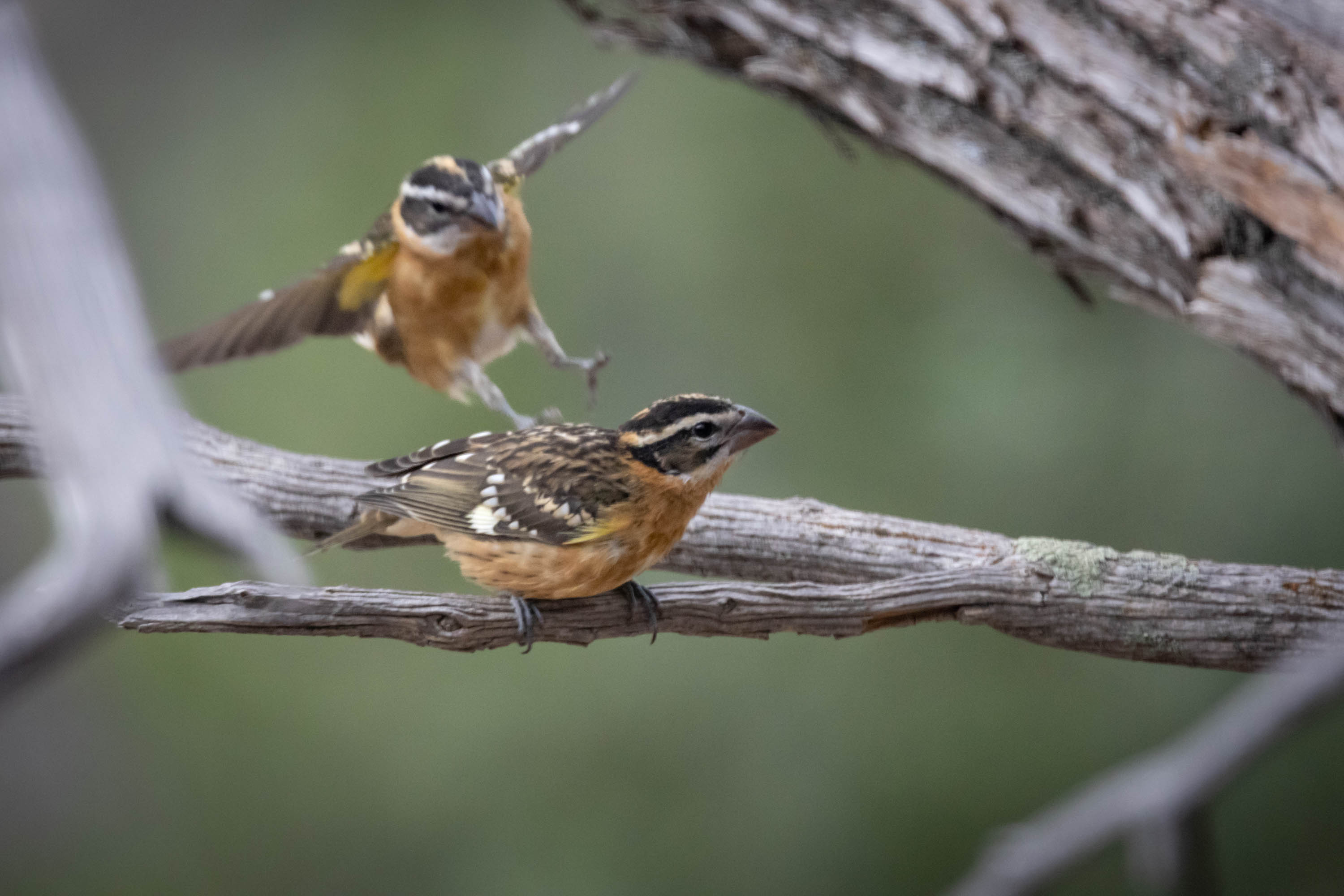
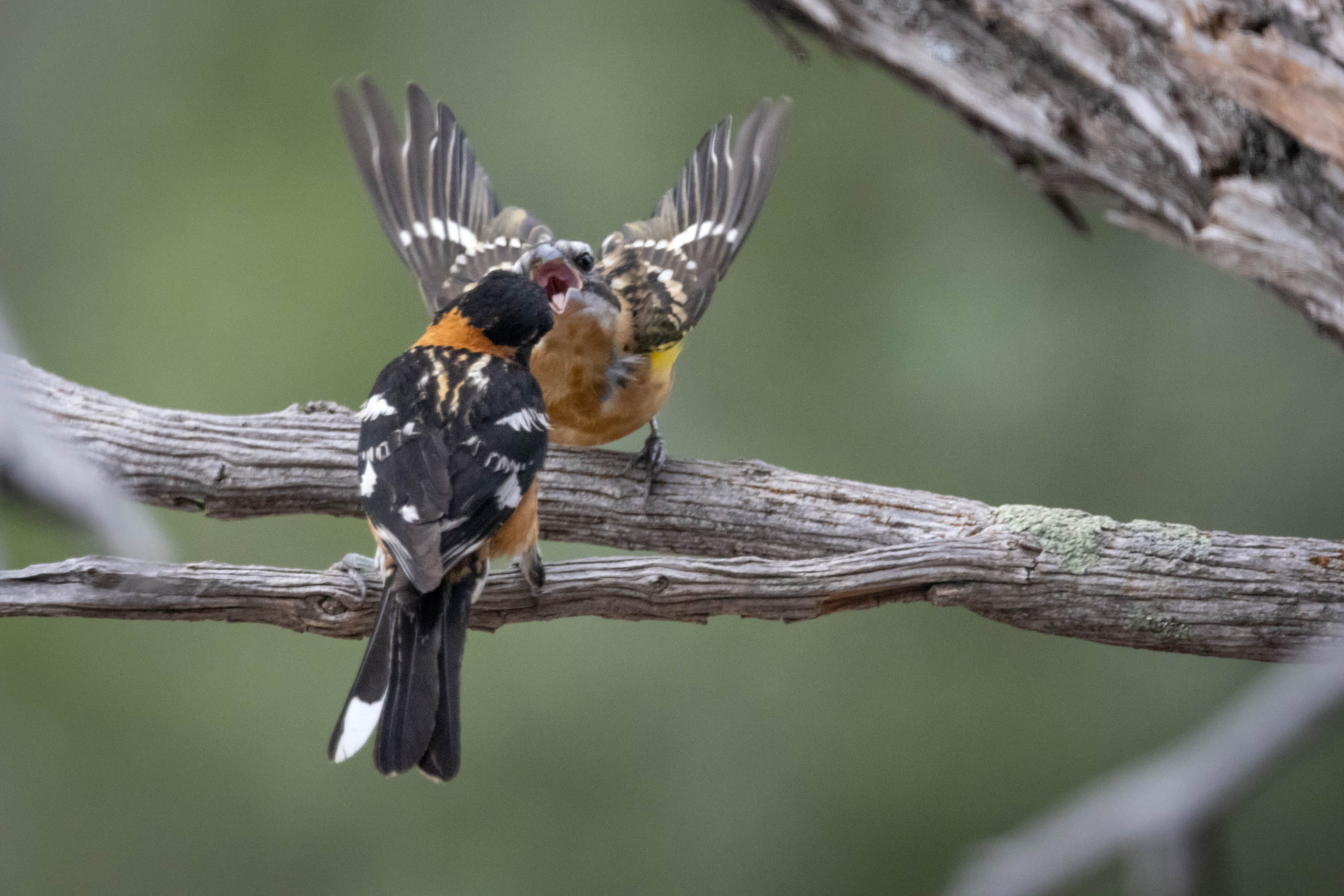
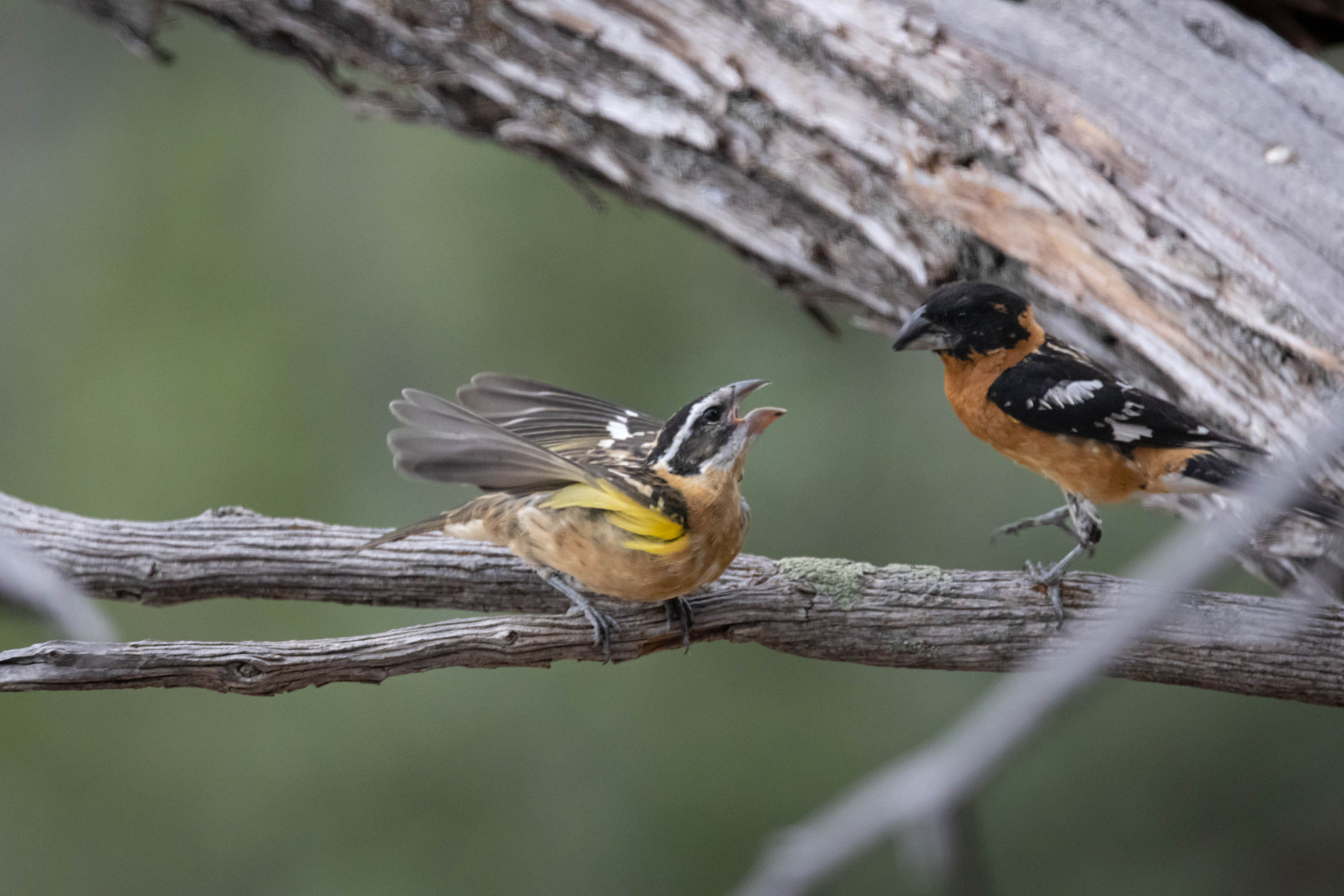
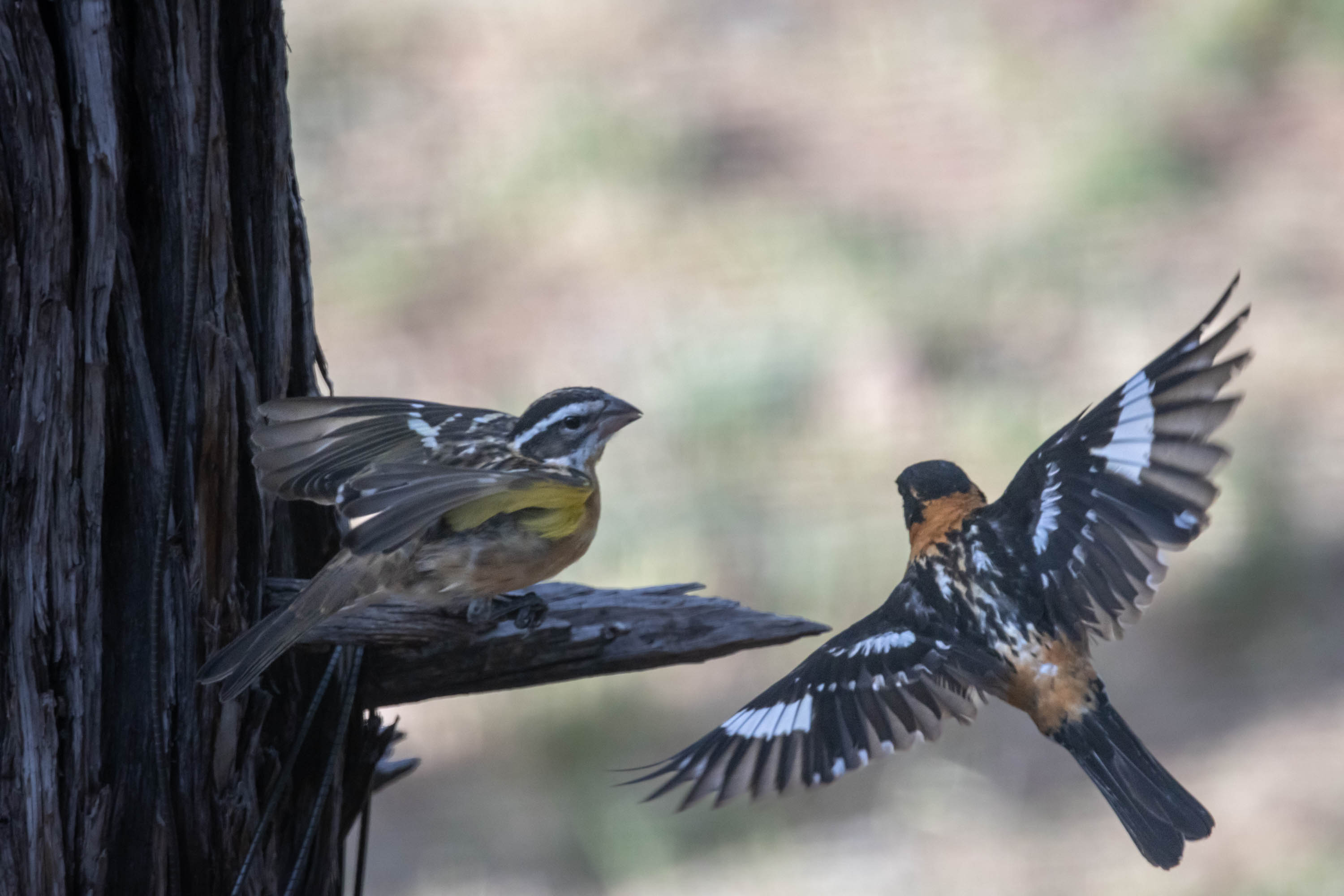
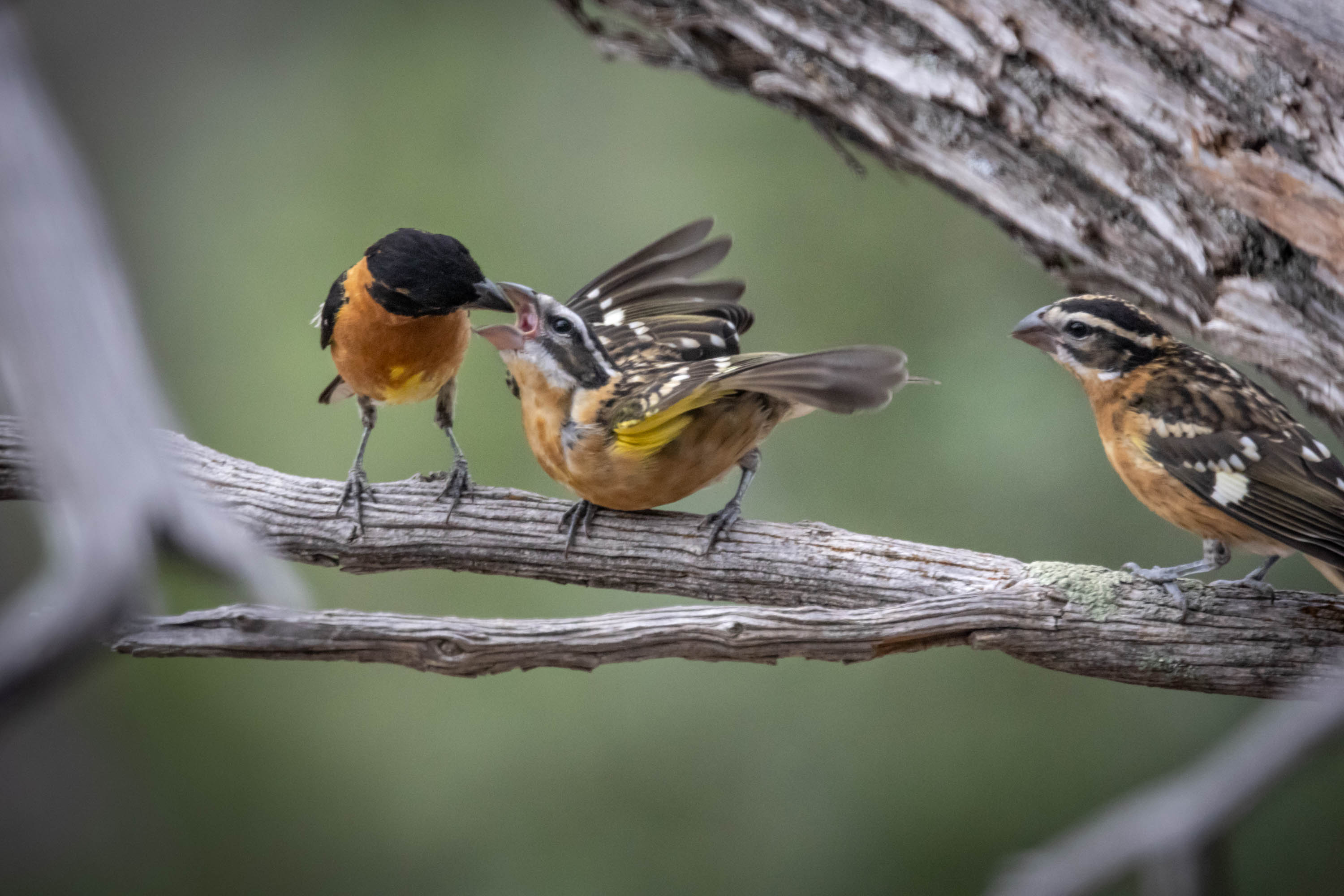
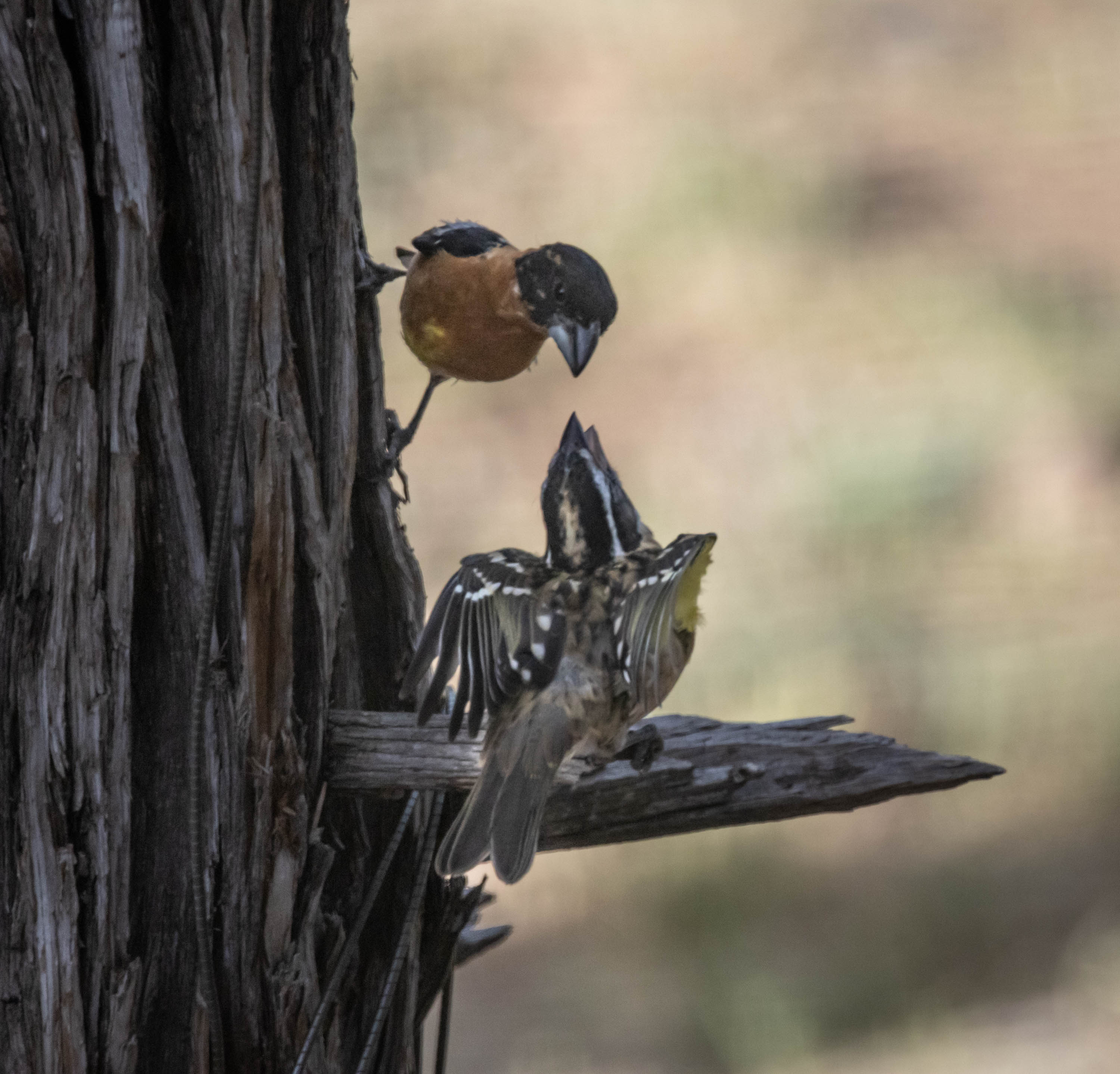
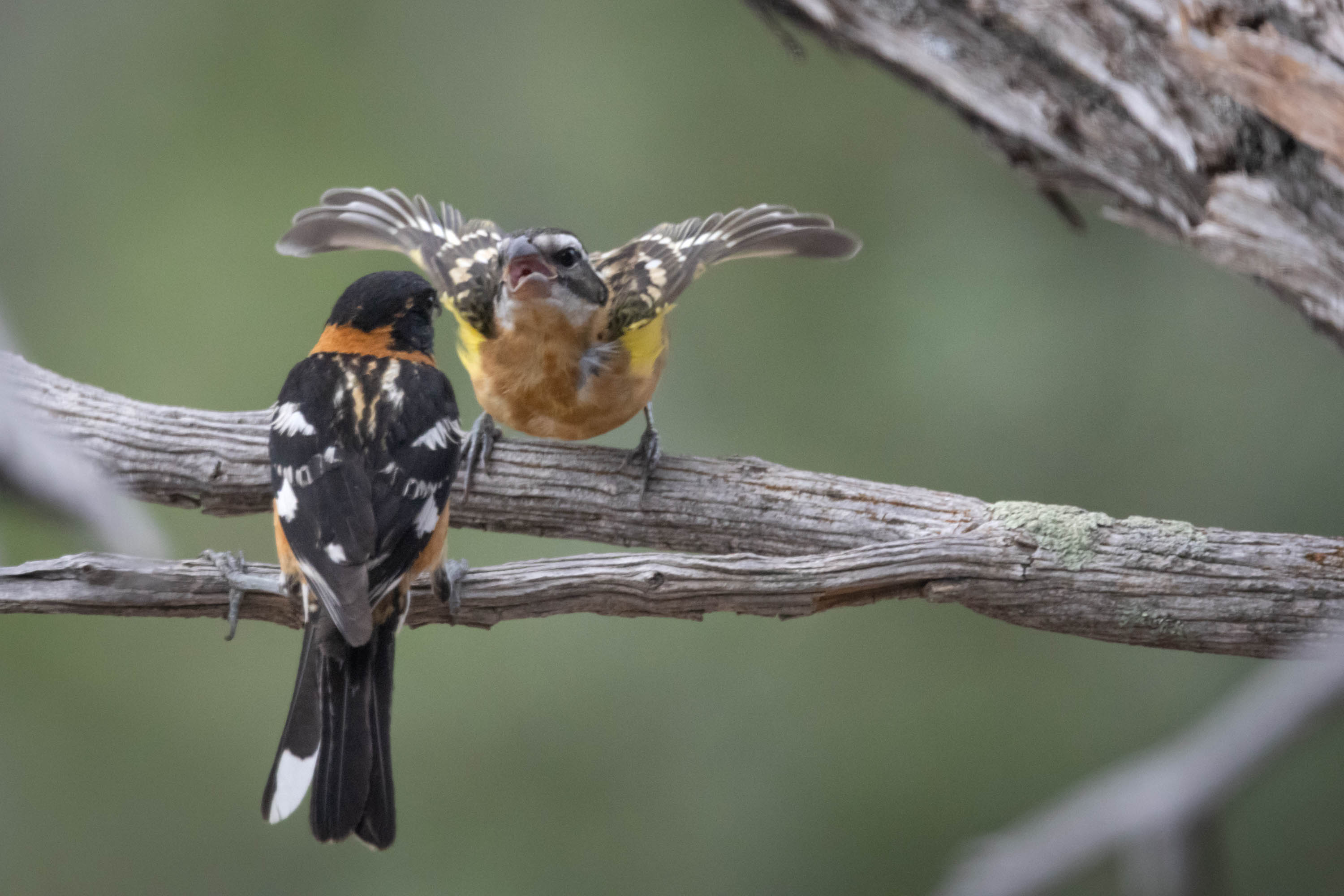
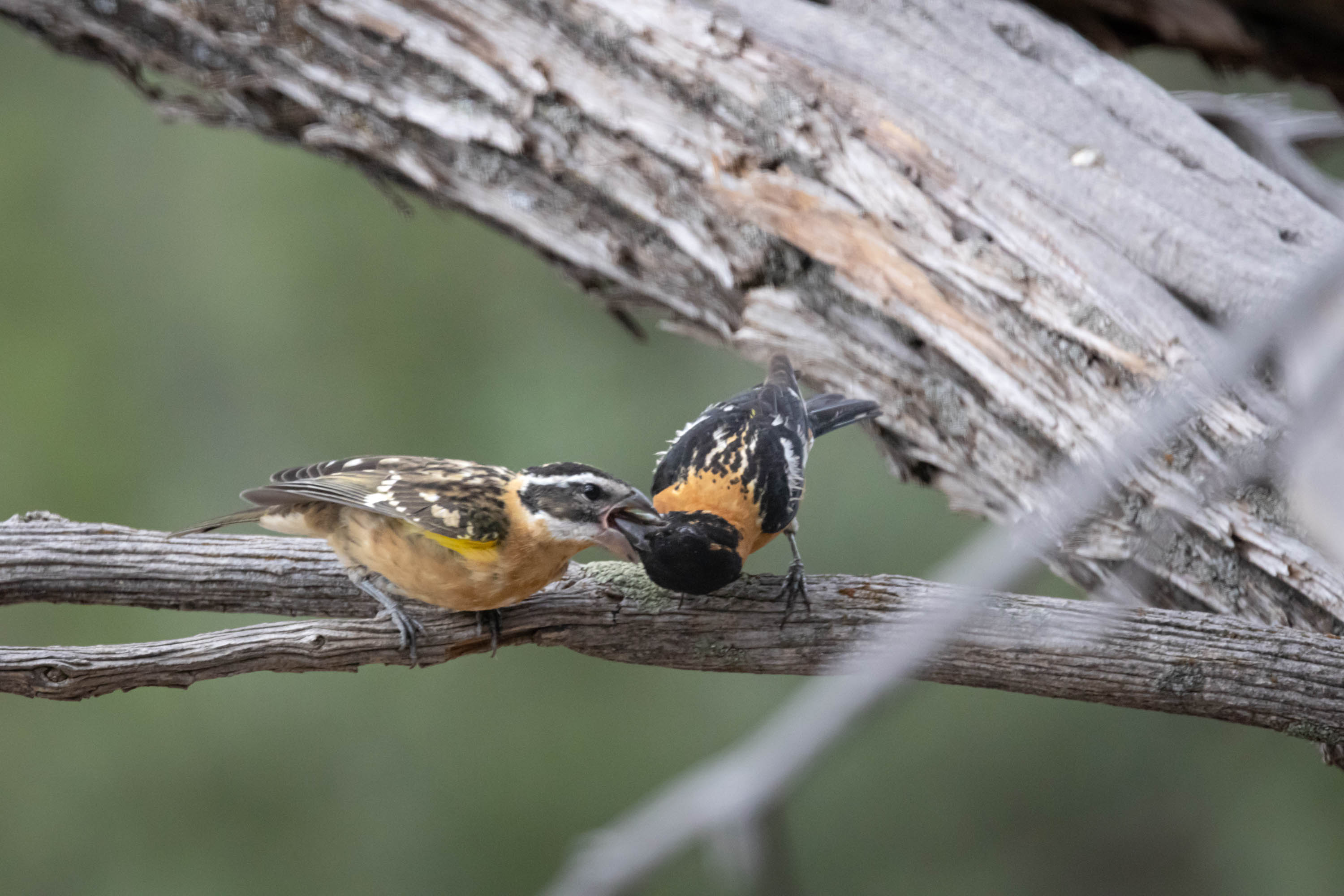
And baby animals of any kind are the best, including birds, like these black headed grosbeak I was fortunate enough to witness (and capture).

Grosbeak usually only have one chick a year, and are fed by both mom & dad. Dad is the black headed one feeding the chick, as mom (with the speckled wings) watches.

Any opportunity to observe and photograph nature in all it’s varying forms, is a good day. We are fortunate enough to have a lot of good days. Have a great day. Thanks for visiting.
See more baby bird pix here… https://kritterspix.com/2023/07/15/woodpecker-babes/

Baby Season

While so many people are suffering through the high heat across the country, our animals are tending to their babies, looking for water and food. We love this season and watching any animals we can see to observe their behavior.

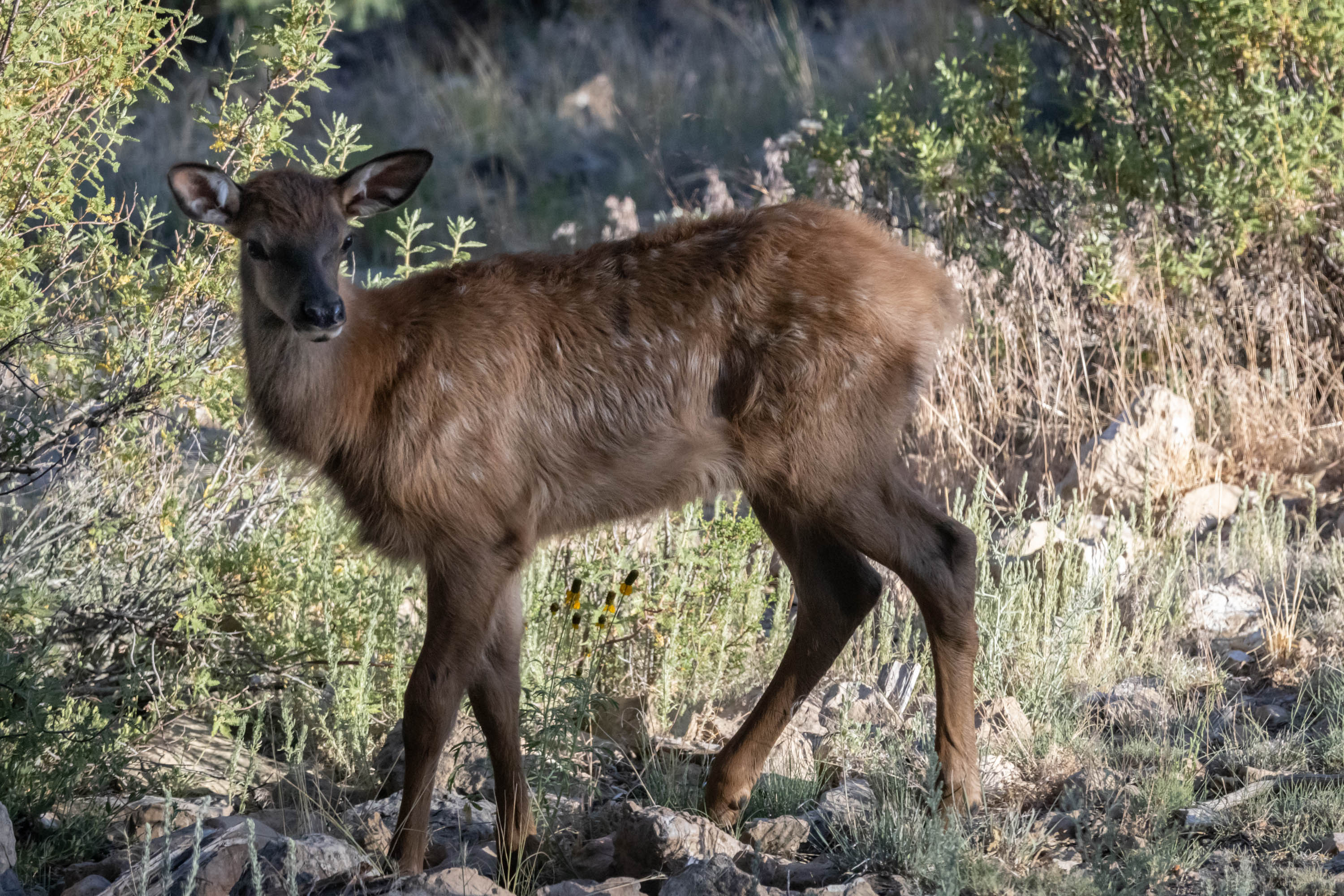
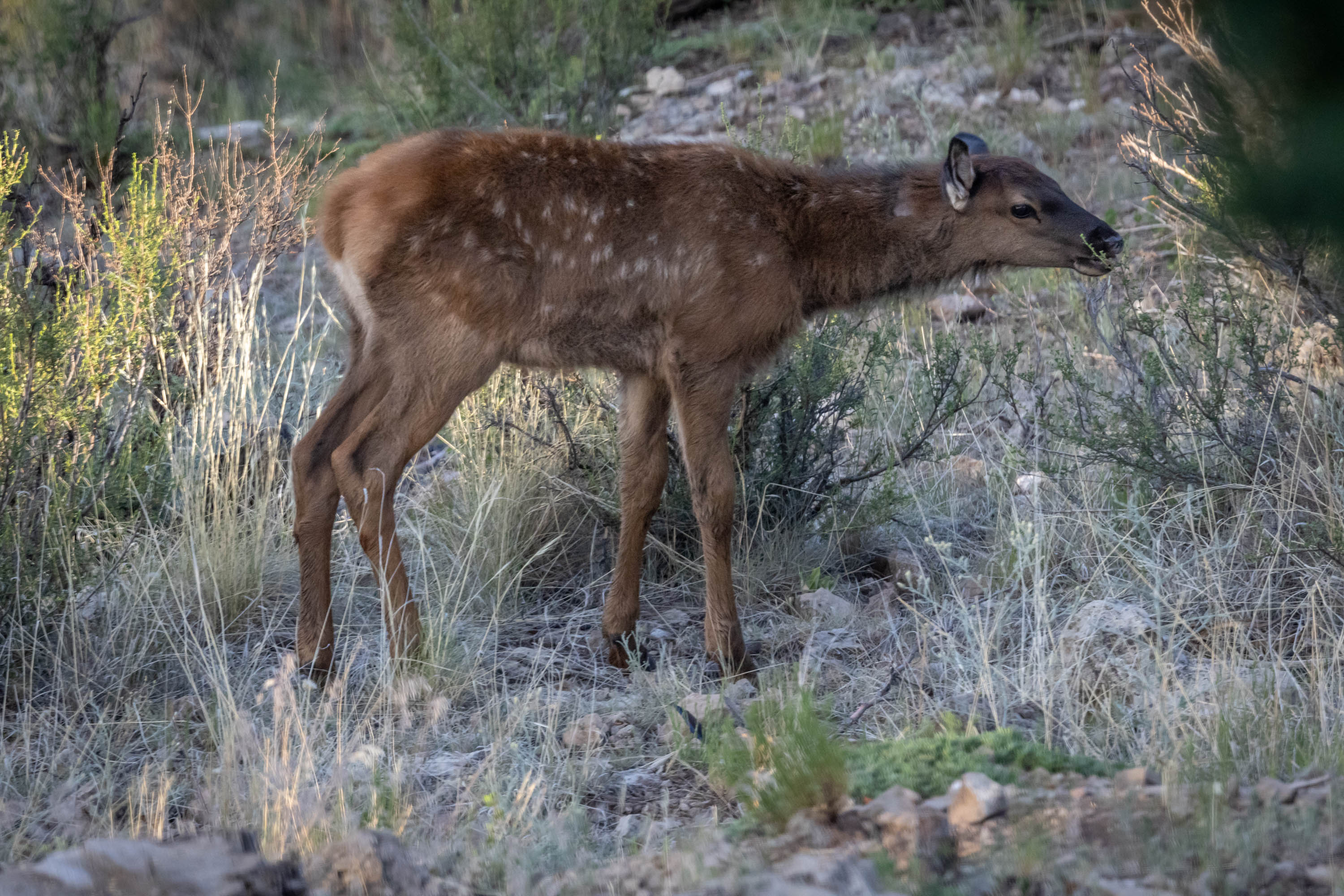
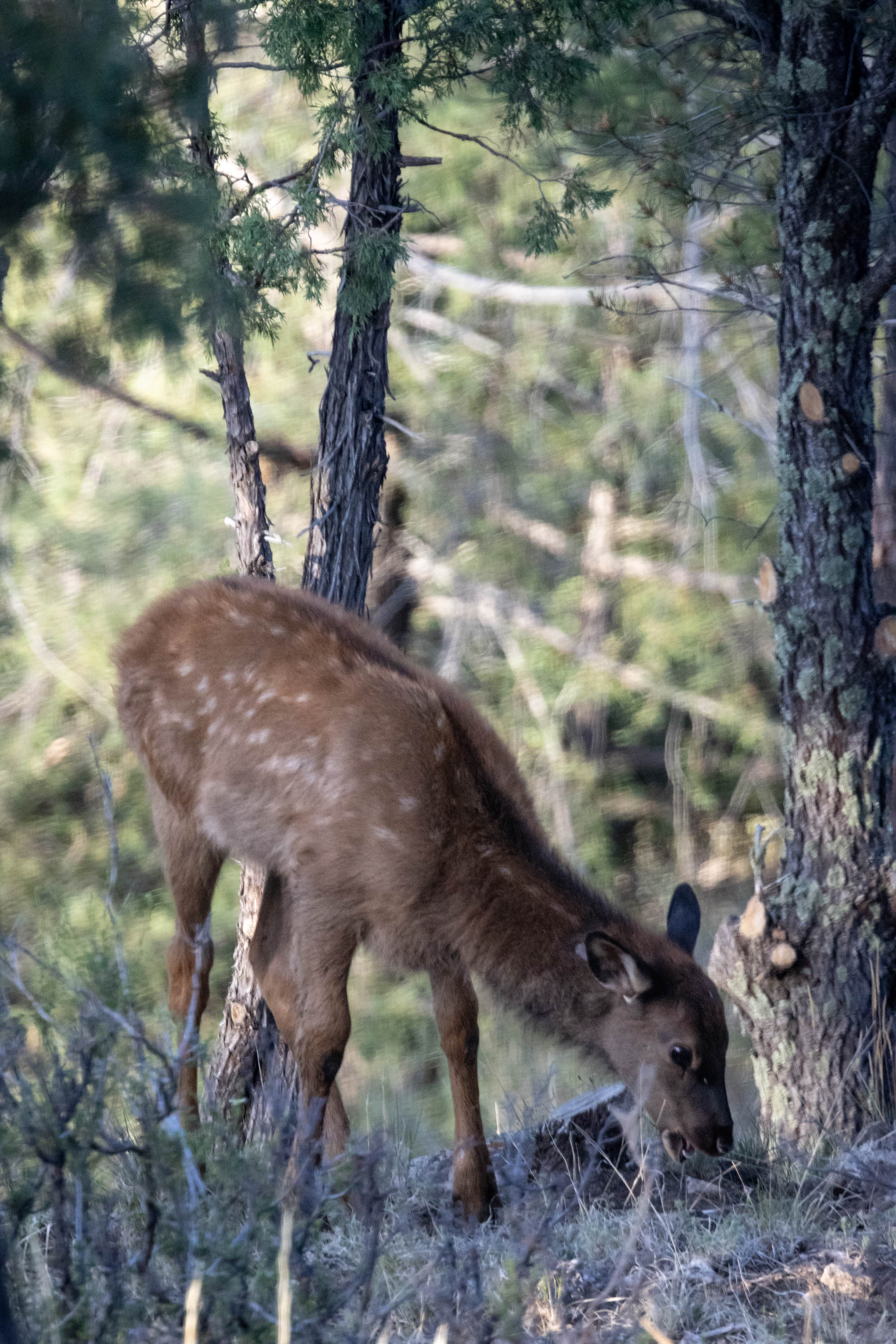
The baby elk are out, hosting their new spots and wobbly legs. The calves are generally born around early June. We might not see them until July when mom takes them out in the world to show them how to find food and water on their own.

They forage on grass, shrubs, and twigs, and chirp for their mothers. Moms dote on the little one’s, but when it’s feeding time, the mom’s give them little attention to teach the newborns to eat off the land.

Water Life

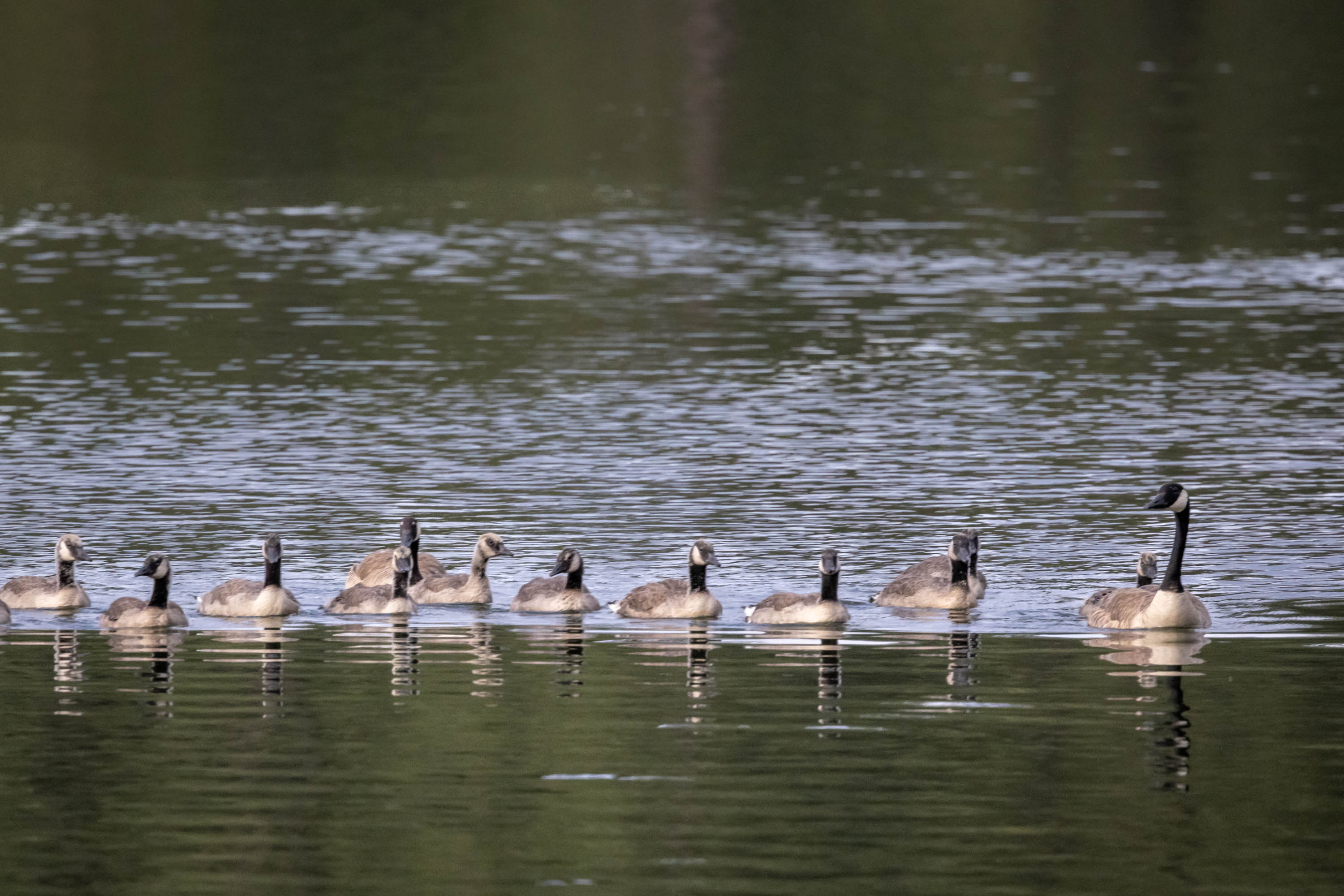
Most people go to the lakes to fish, or recreate with their boats, kayaks or canoes. We see a lot of fishing going on either from the shore or the water every time we go to any lake, and admittedly increasing numbers of campers packing the campgrounds and forests.

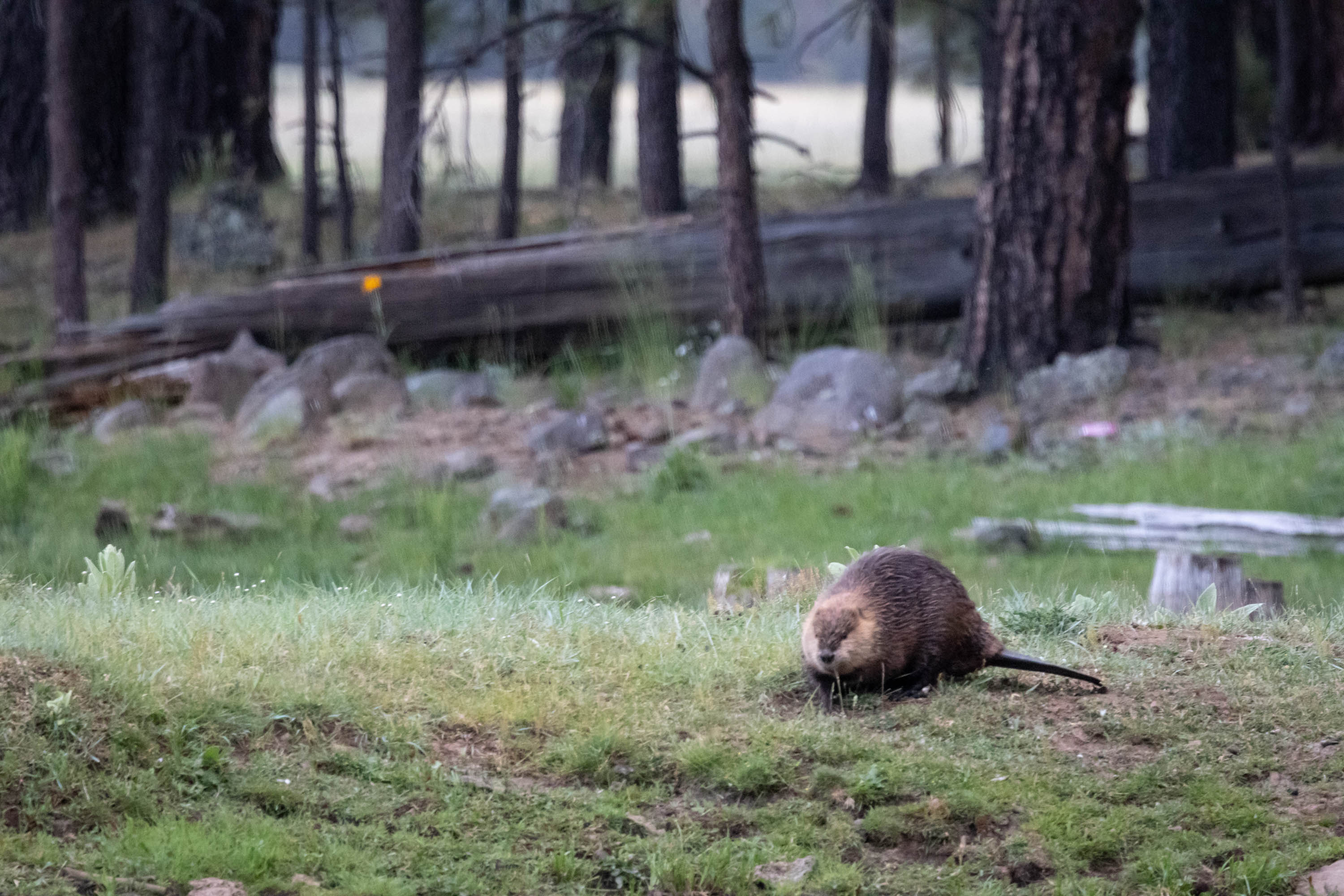
For us, though, we go for the wildlife and the scenery. ‘The early bird gets the worm’ was never more true than watching the morning animals forage for food and water before the sun comes out and many fisherman are out of bed.

By the time the dawn rolls in, the fishermen line the shores drowning worms, and the sun harshly reflects off its intense UV rays, the animals (and golden light) have tucked back away until the dusk emerges once away. It’s one thing in life we can depend on, sunrise and sunset, and it’s our favorite time to covet and embrace.