Luck of the Wild

We are out and about often, looking for great overlooks and wildlife along the way or at our destination. Sometimes, we get lucky, sometimes, luckier than other times. I suppose after so many trips, our probabilities have improved… and maybe even our spotting skills and sense of where to find animals.

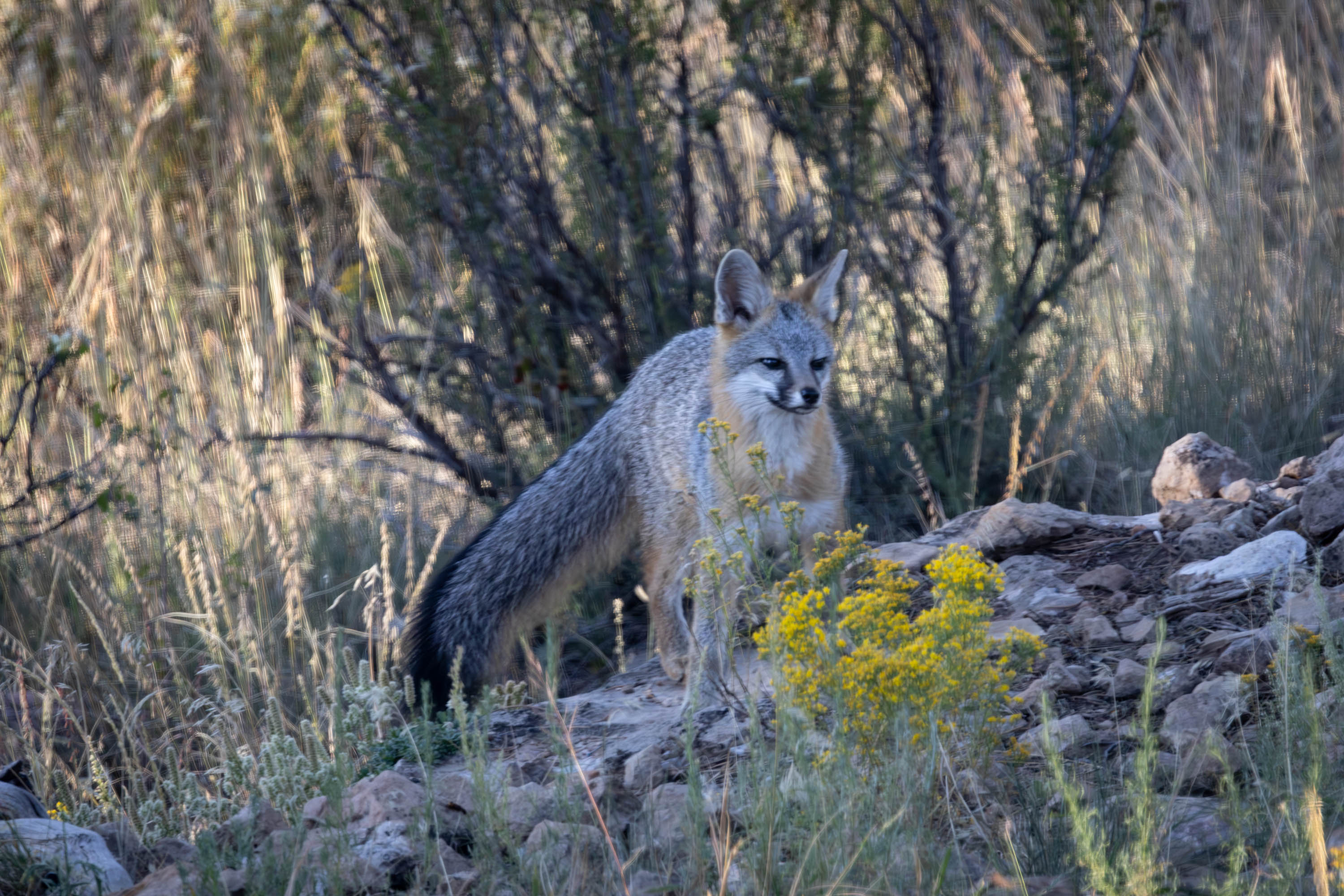
On our latest outing we were delighted to come away with over a dozen animal sightings.

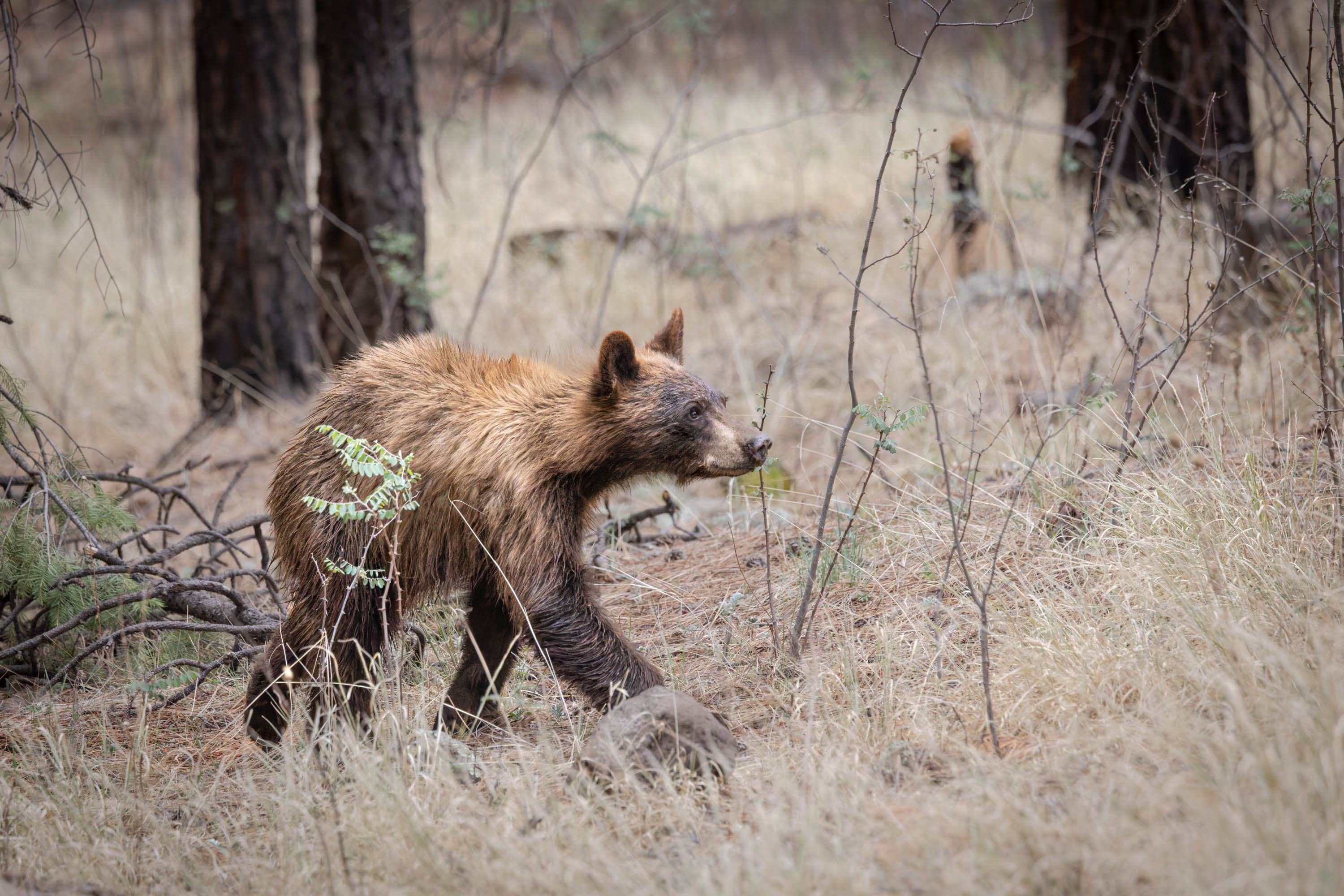
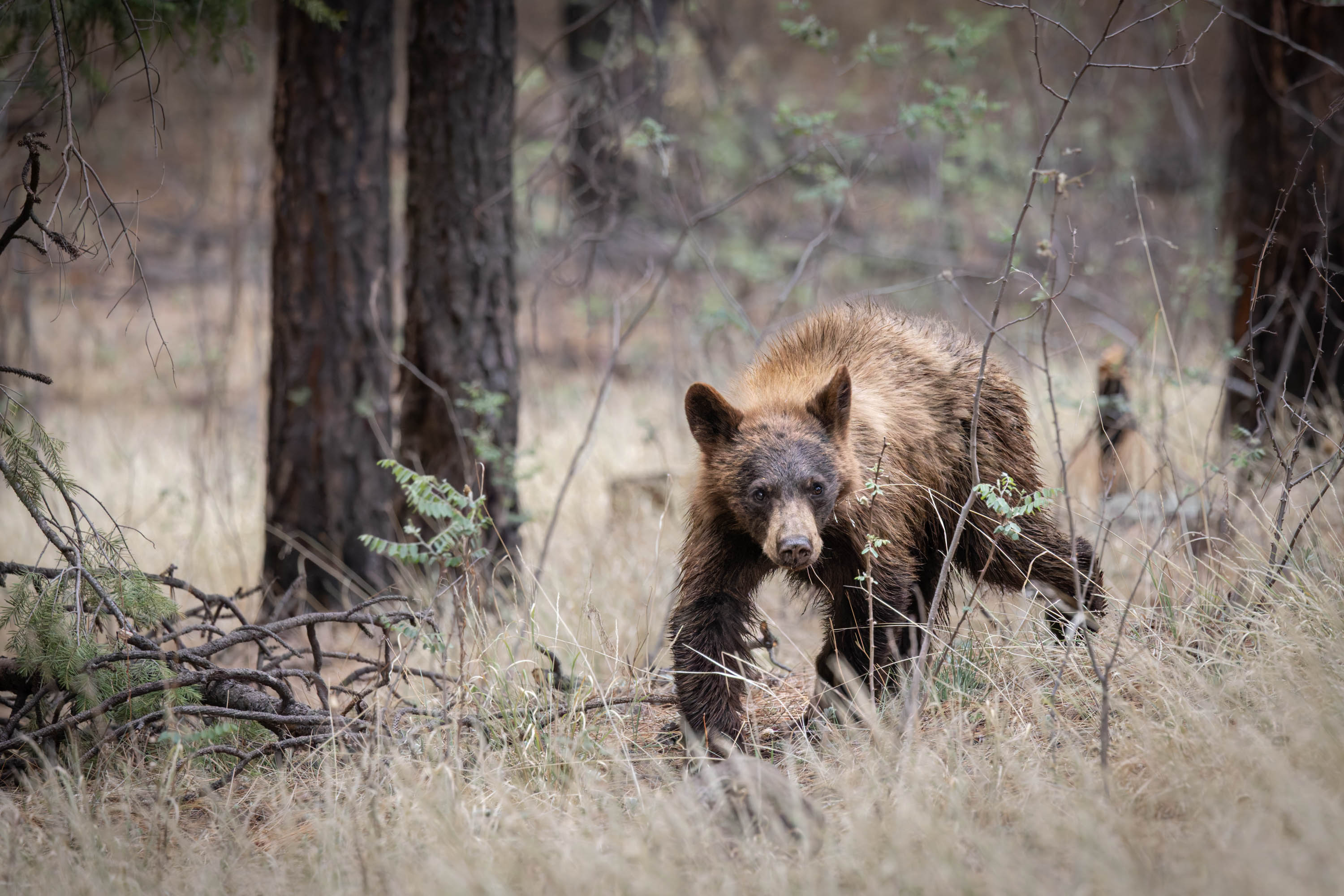
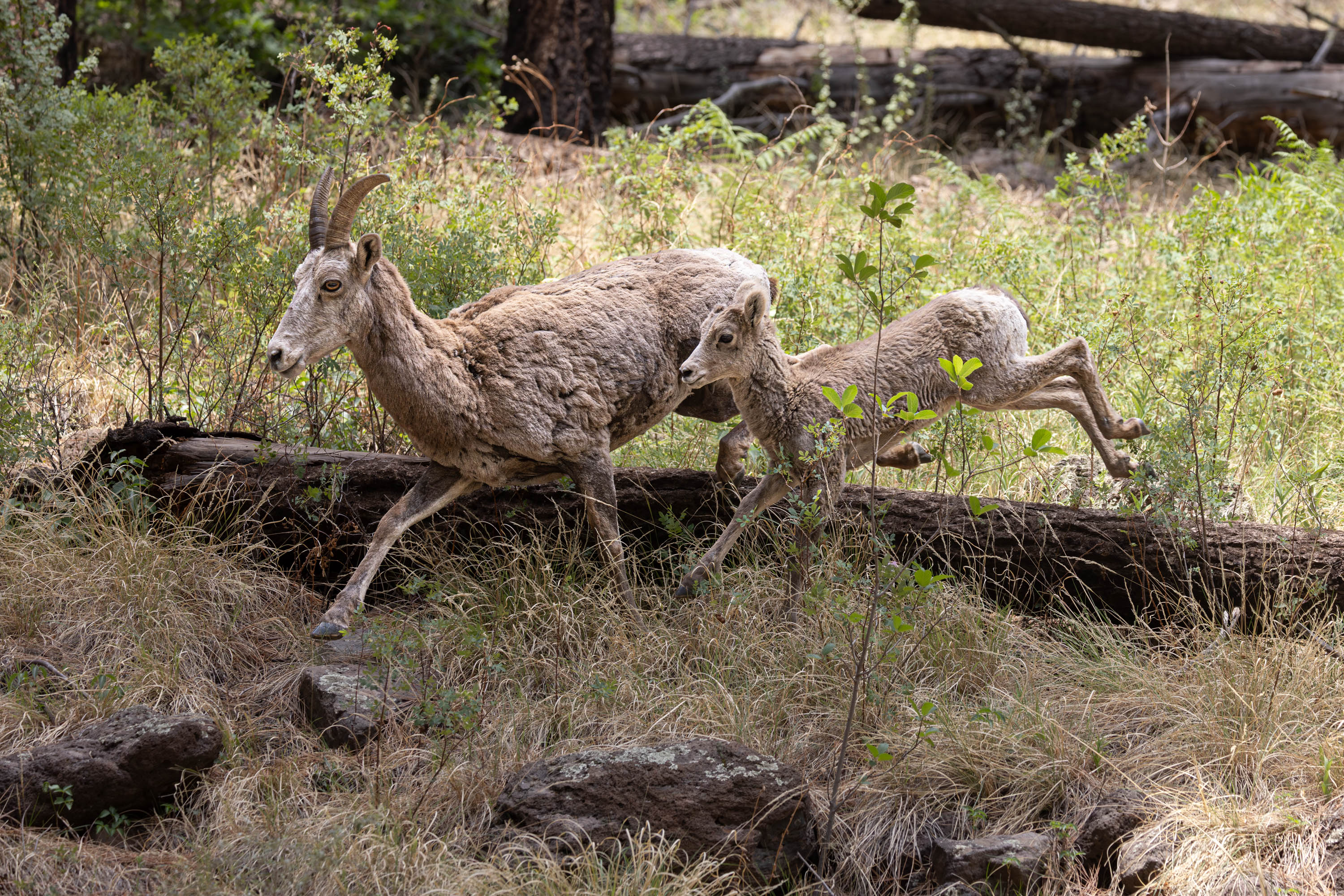
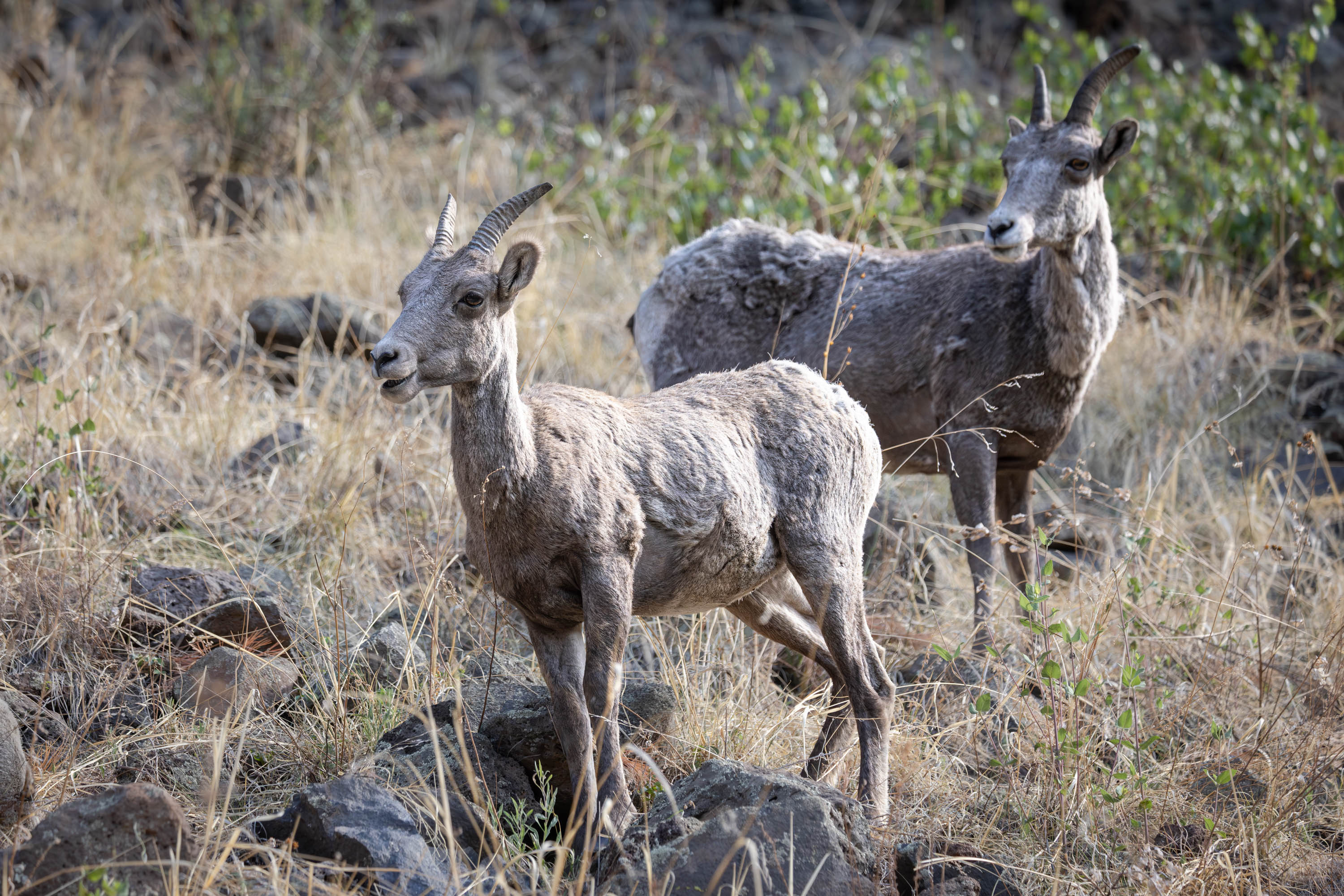
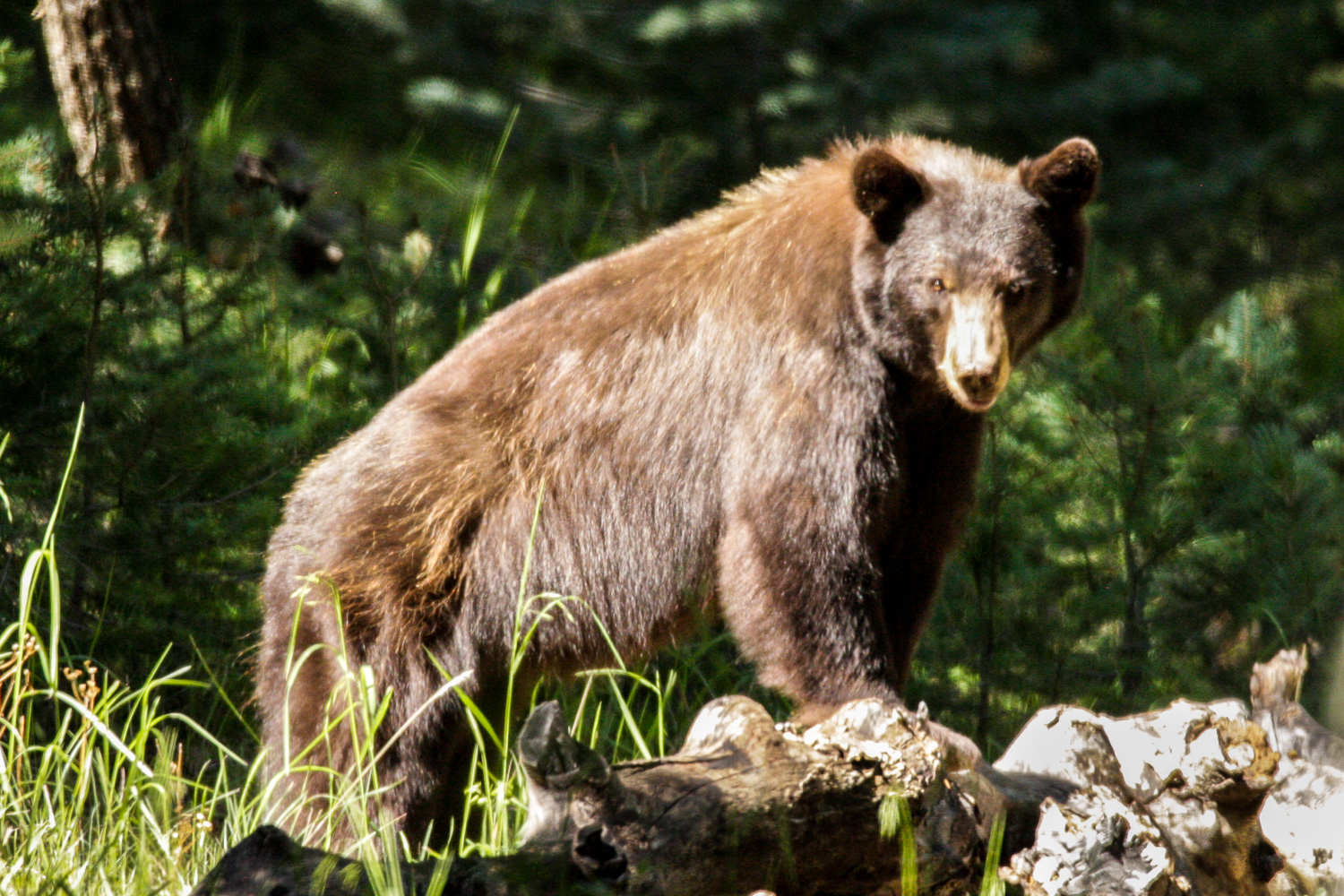
We saw black bear, skunk, deer, elk, beaver, long tail weasel, and big horn sheep.

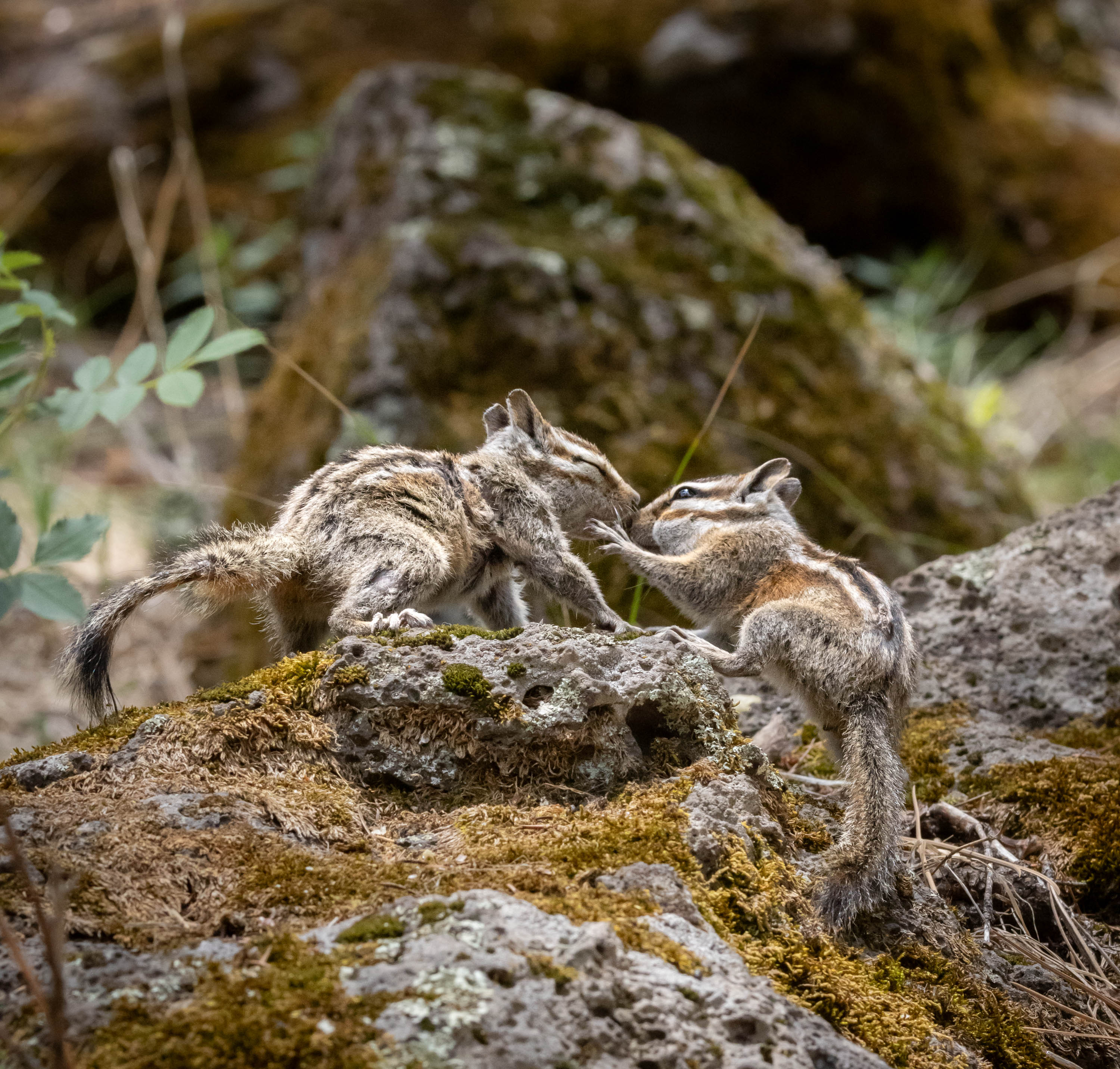
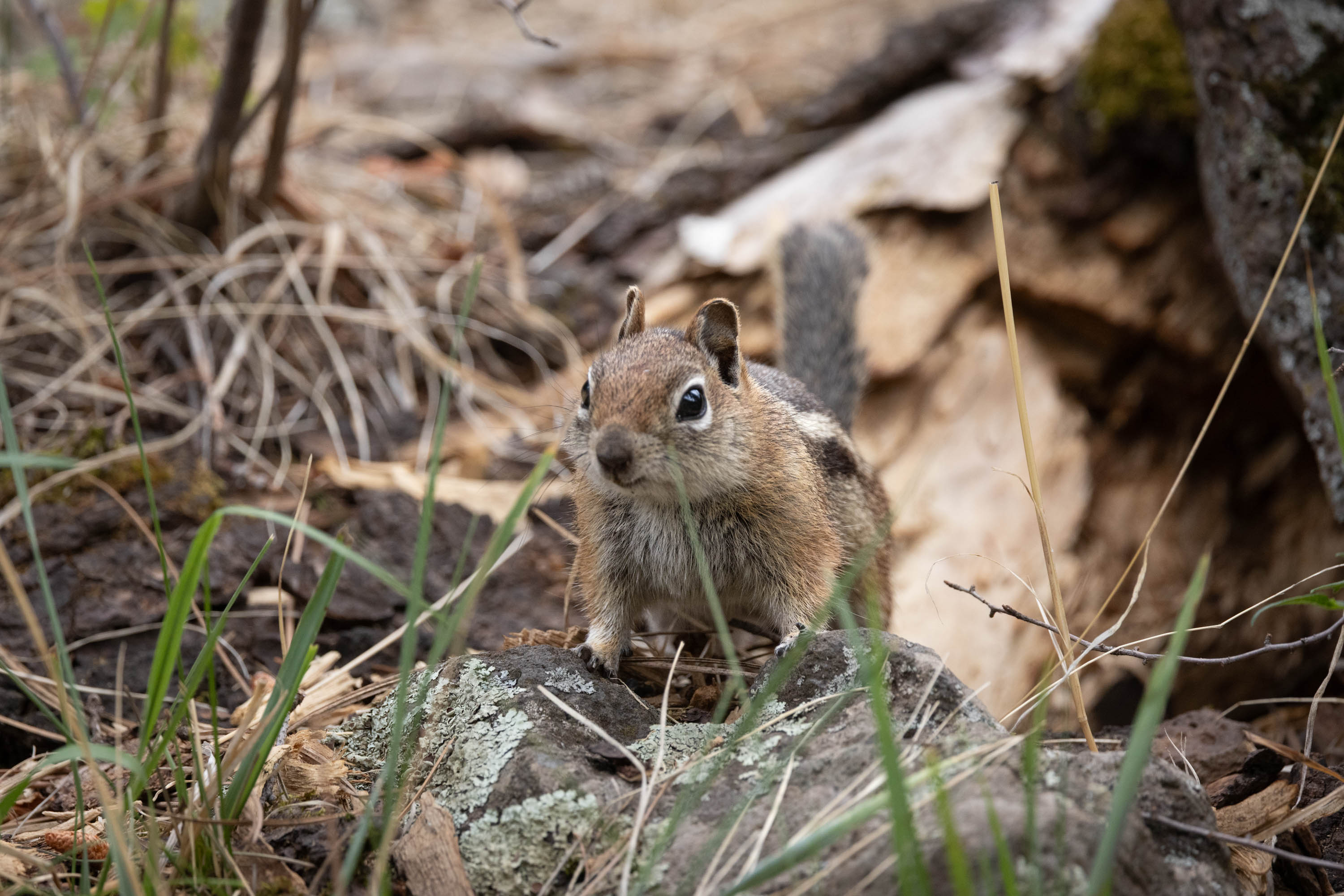
We saw varieties of chipmunk, squirrel, blue heron, bald eagle, osprey, and turkey.

The animals are out, looking for food and water, where they are hard to find without our normal precipitation.

For more bear pix, check out my post here… https://kritterspix.com/2025/07/18/arizona-black-bear/

I always say, better lucky than good… but maybe a measure of both leads to success.

Capturing Mood

The more photos I take, the more I learn the nuisances that make a difference in a successful image.

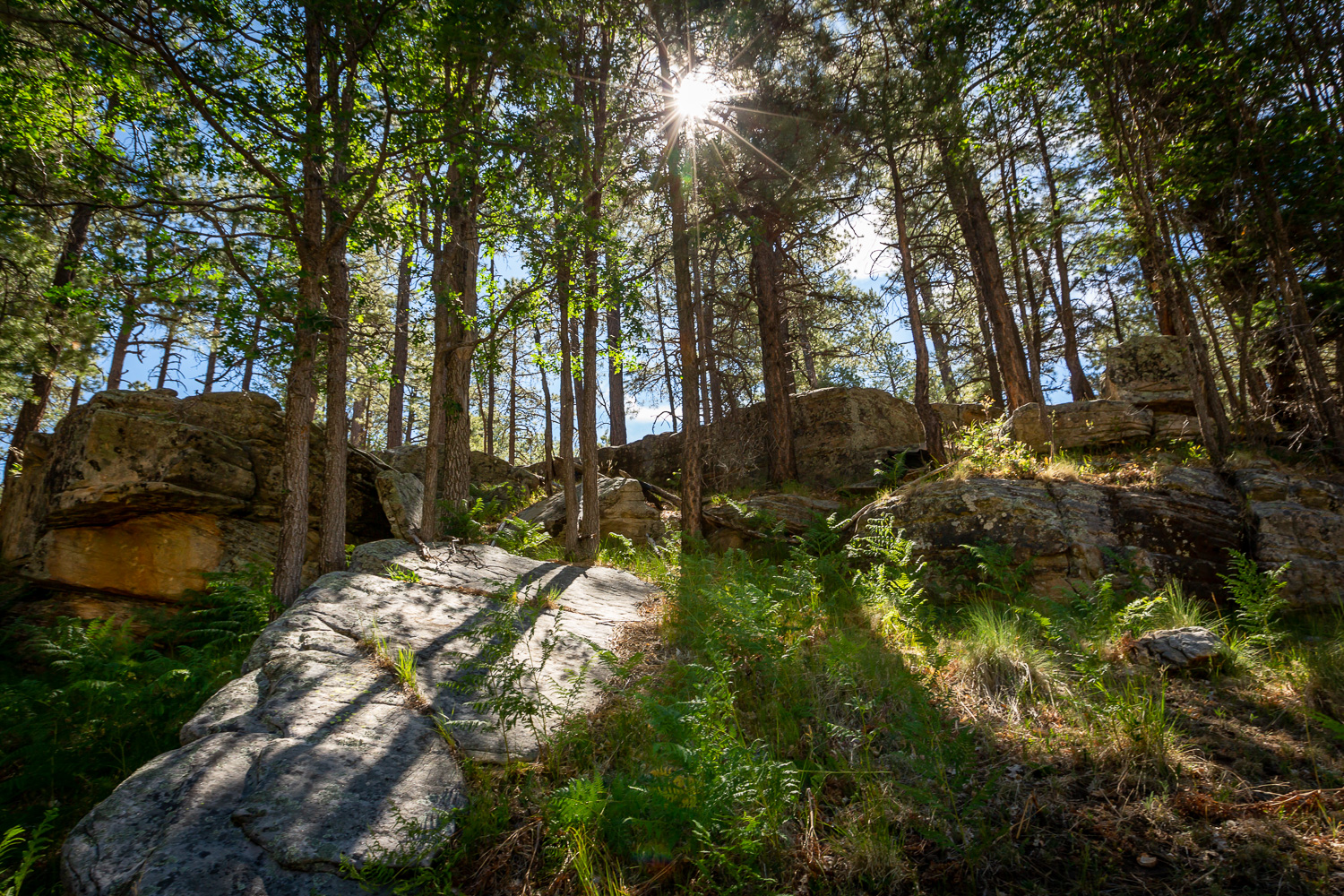
Capturing the environment can be key to conveying the sense of place.

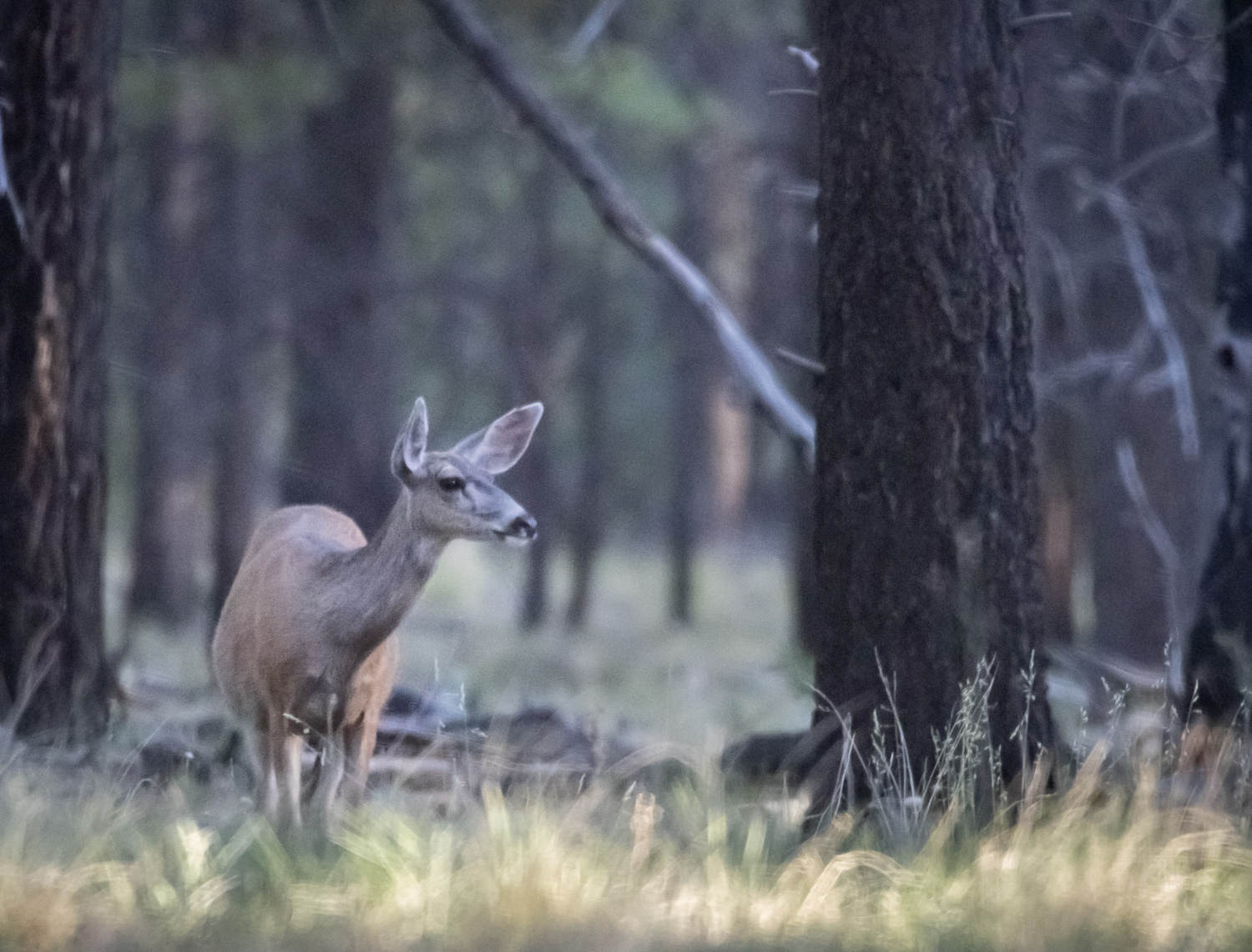
Capturing gesture conveys the character and mood of the subject.

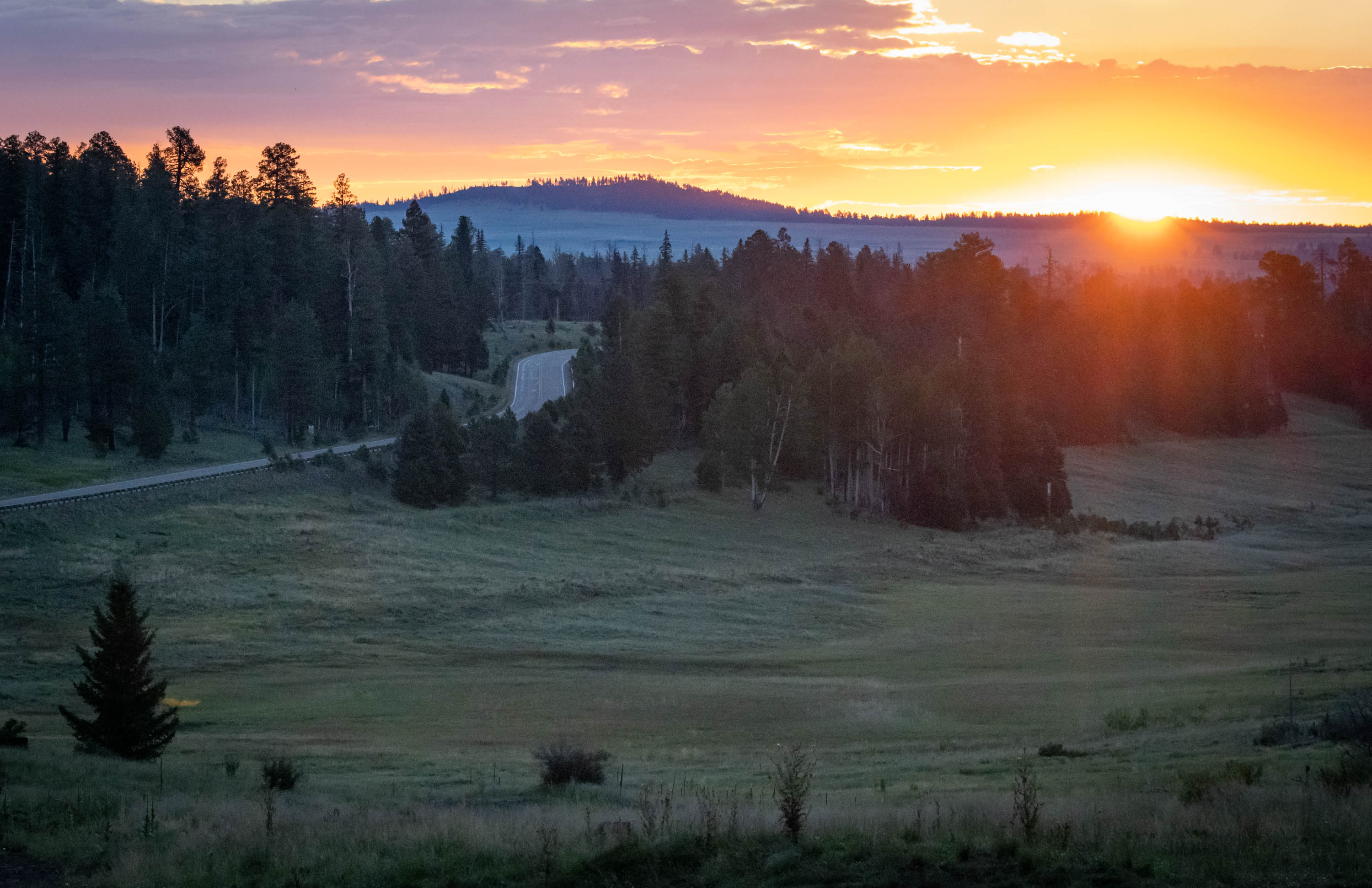
Conveying mood isn’t just for animals. Clouds, light, and smoke are all great vehicles to highlight the scene where otherwise it could just be boring and unidimensional.

Whether it’s wildlife or landscapes, stop to see the light, the nuisances, and continue to learn.

Coues White-Tail Deer

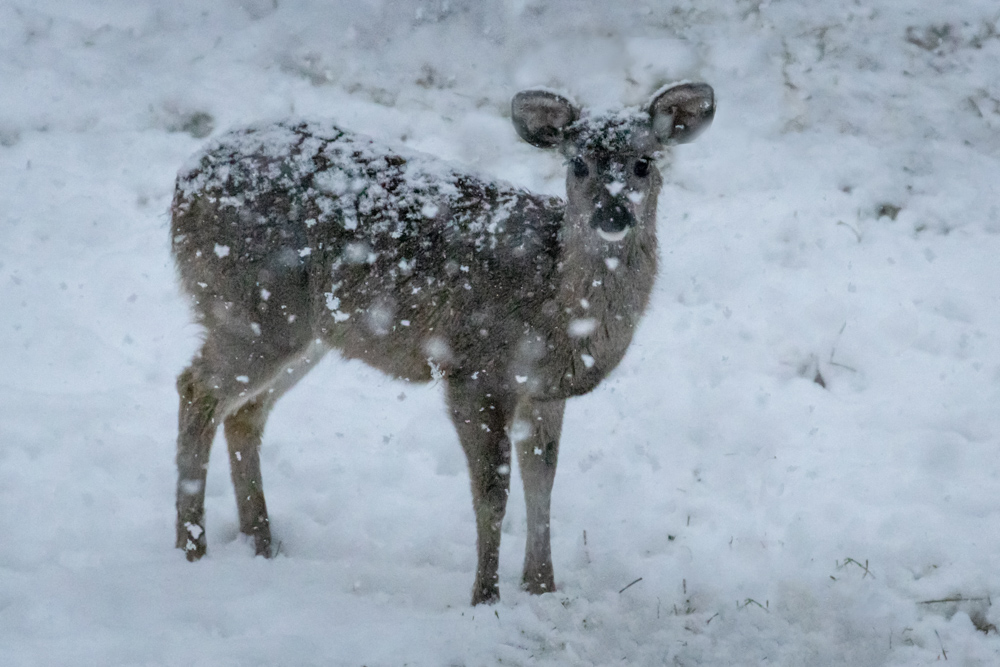
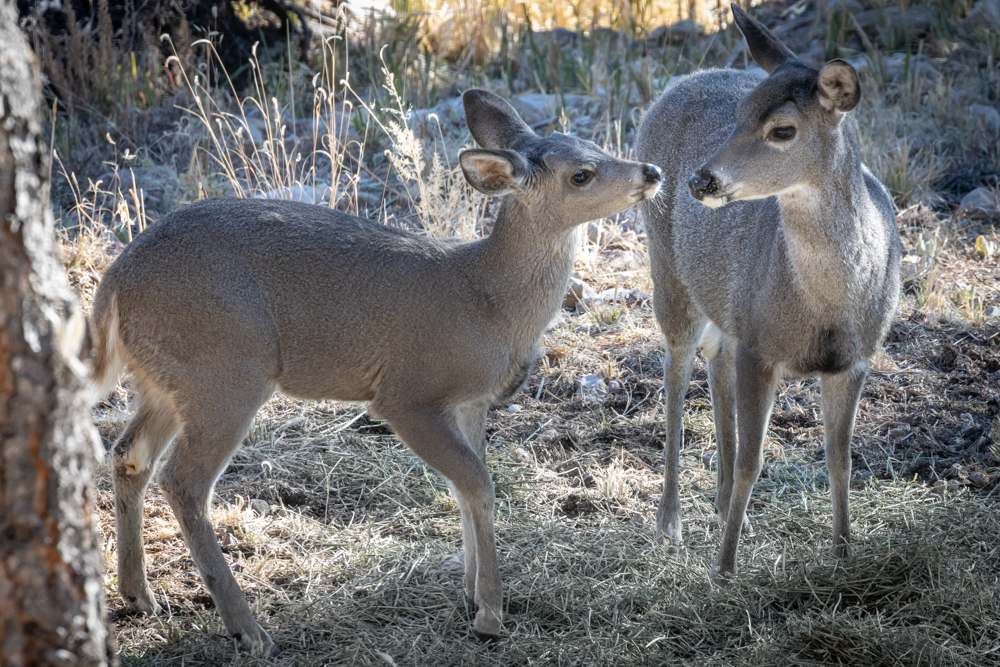
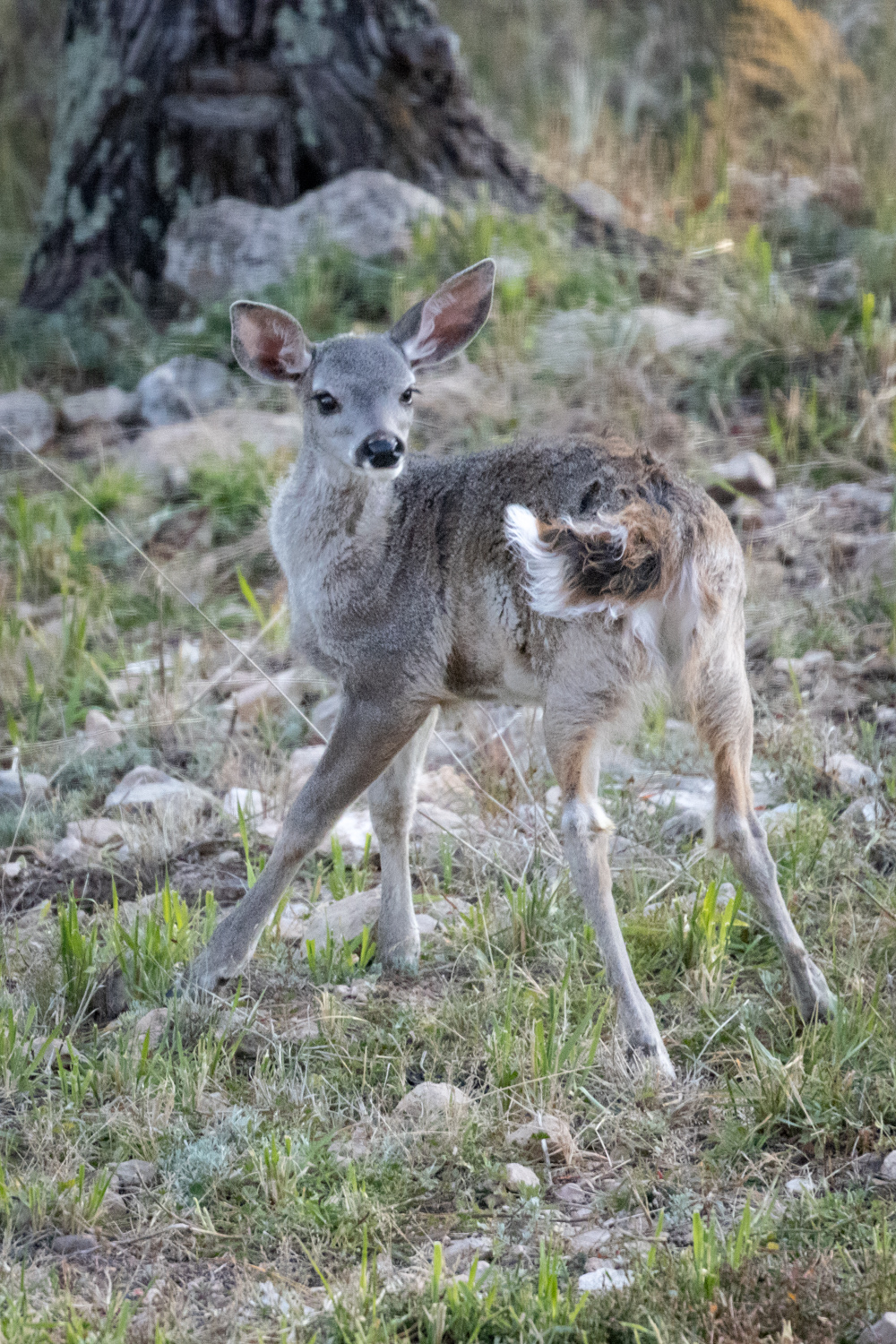
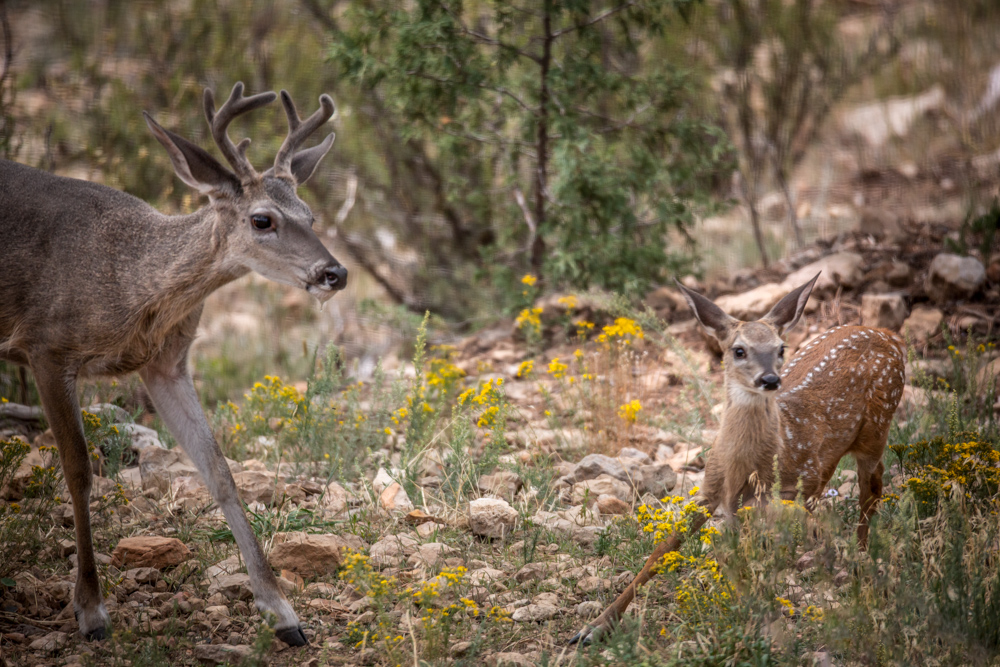
The Coues (pronounced ‘cooz’) white-tail deer roam Arizona and New Mexico and are less common than the common mule deer, which can be found throughout western North America. They can be distinguished by their tight compact antlers, smaller ears, and ‘colored’ tail (as opposed to mule deers white rump with black tip tail).

When they are alarmed they run, revealing the underside of their snowy white tail, hence, white-tail.

The males are typically around 125 lbs, while the females are about 80 lbs. They graze southeast Arizona in elevations of 4,000 ‘ – 10,000 ‘.

They are a frequent visitor and often encountered in the forests around Mogollon Rim and the White Mountains.

They were first described by Army physician and naturalist Dr. Elliot Coues stationed at Ft. Whipple in 1865.

Snow Windfall

We were projected to get 1/2″ of snow, so weren’t we surprised when we got over 8″ of snow?

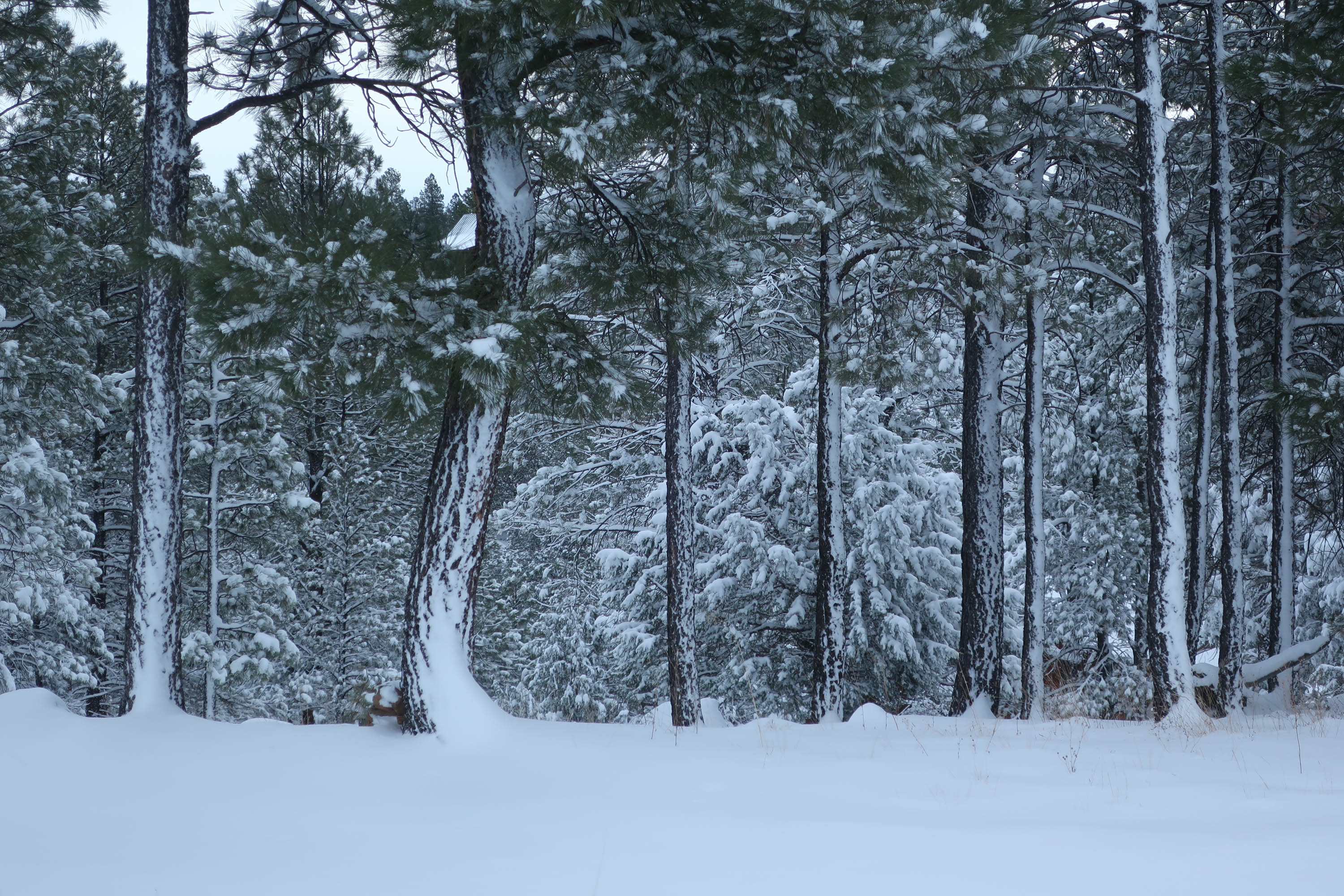
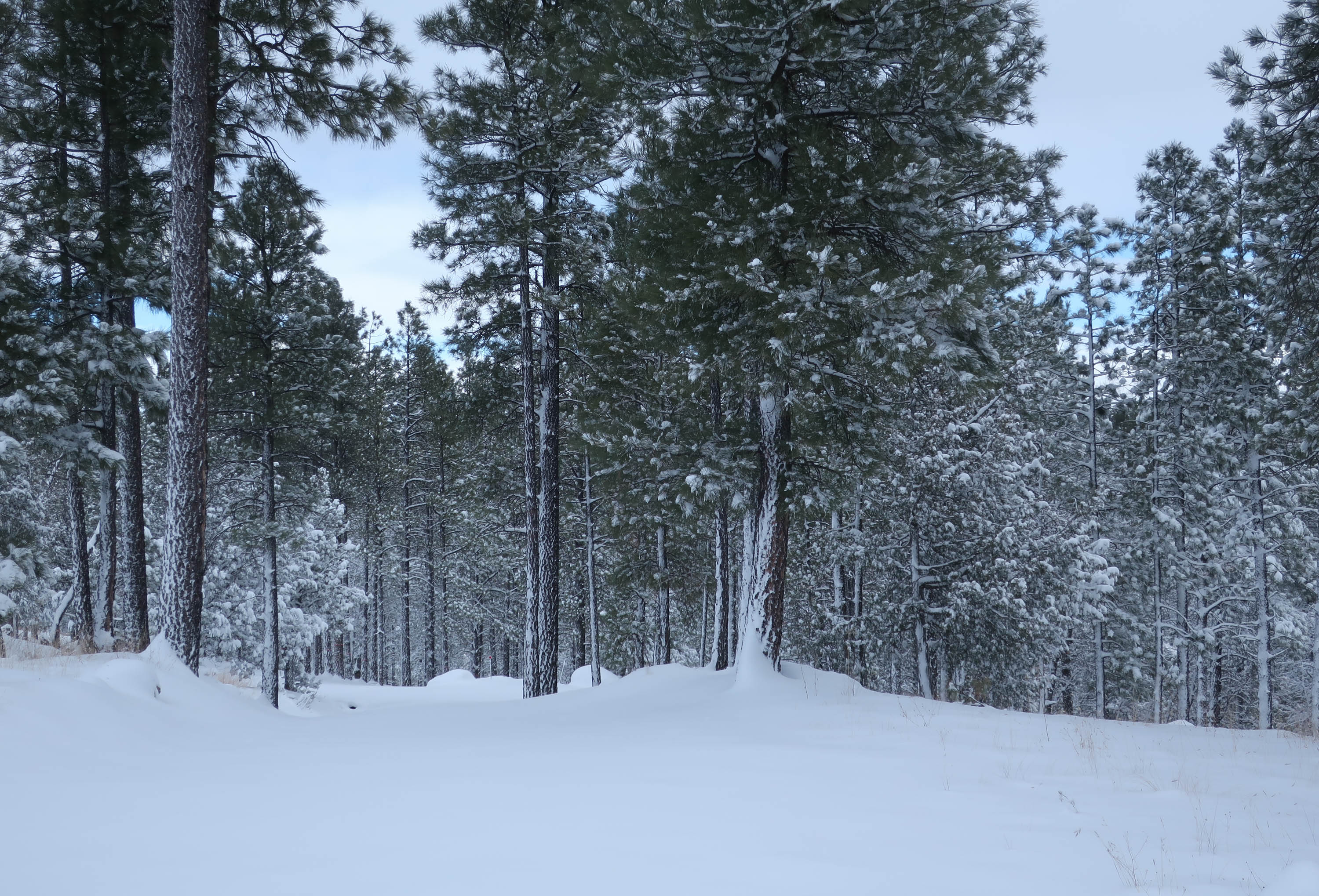
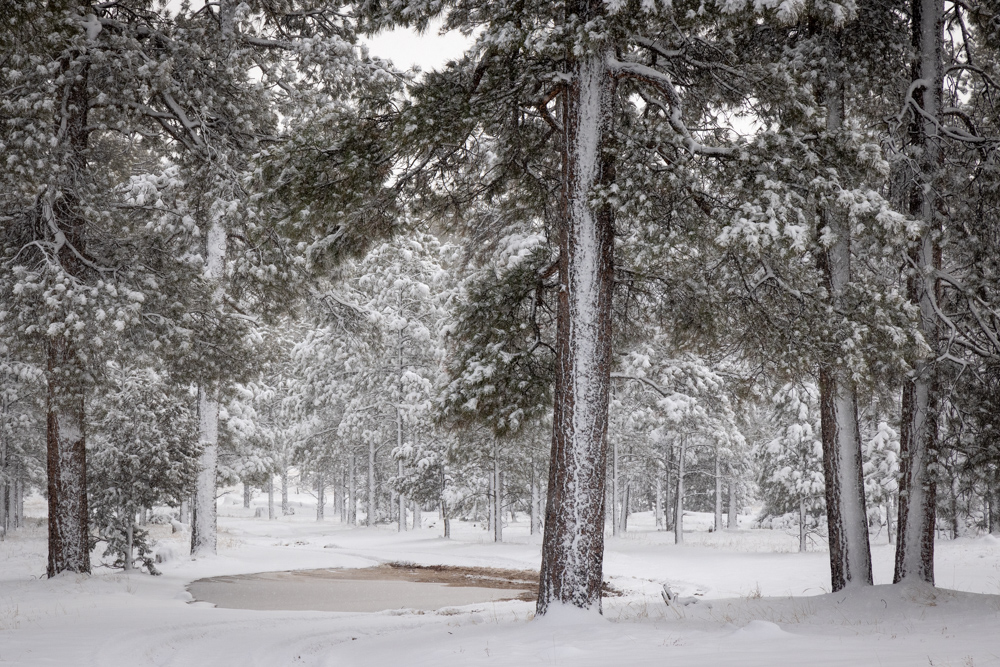
It came down in large soft flakes, covering the trees and the landscape. It was absolutely beautiful.

We were fortunate enough to get animals during… and after the snowfall.

Which we tried to take great advantage of.

It was amazing how quickly the snow came in… and how fast it was gone. Spring is coming and our snow season may be on the way out.

I’d be happy for a few more snow storms before Spring enters the foray. There is something surprisingly peaceful and beautiful about the fresh fallen snow. If we are to endure the cold… give me snow!

Weather Promises

We had been promised snow on multiple occasions. They said we’d get 1 – 3 inches during the day, and 4 – 6″ that evening. Not to be that day, or the next, or the one after that.

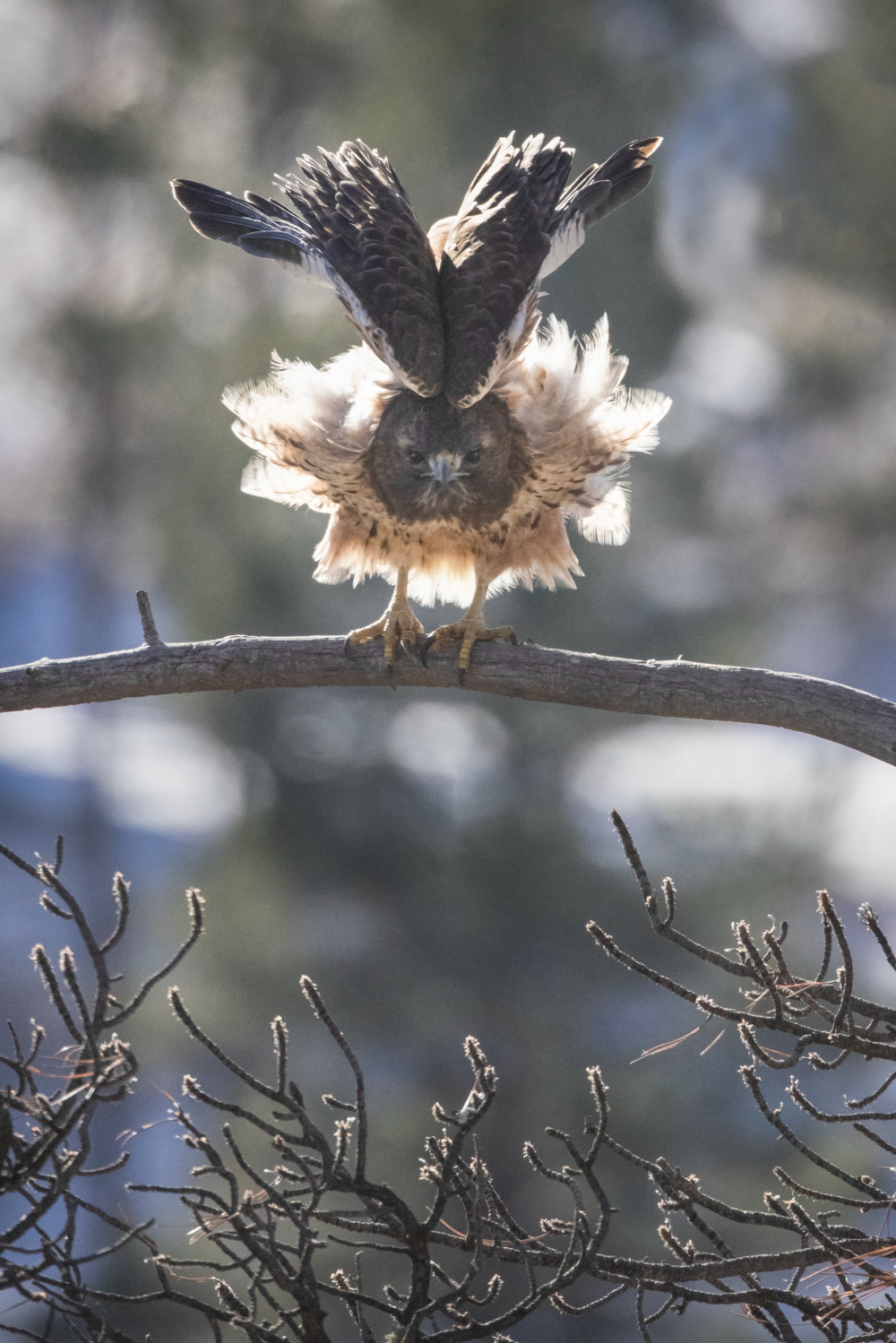
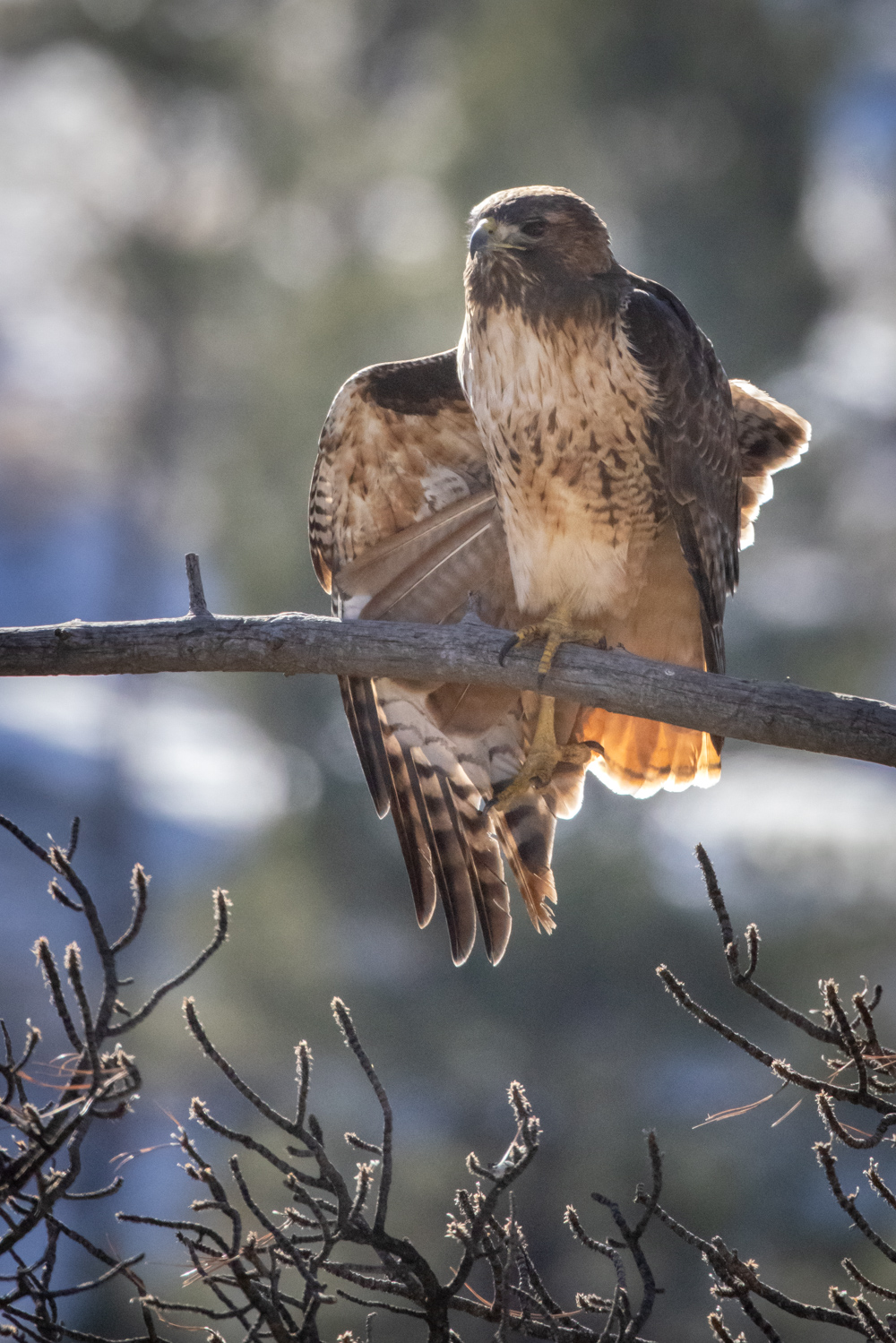
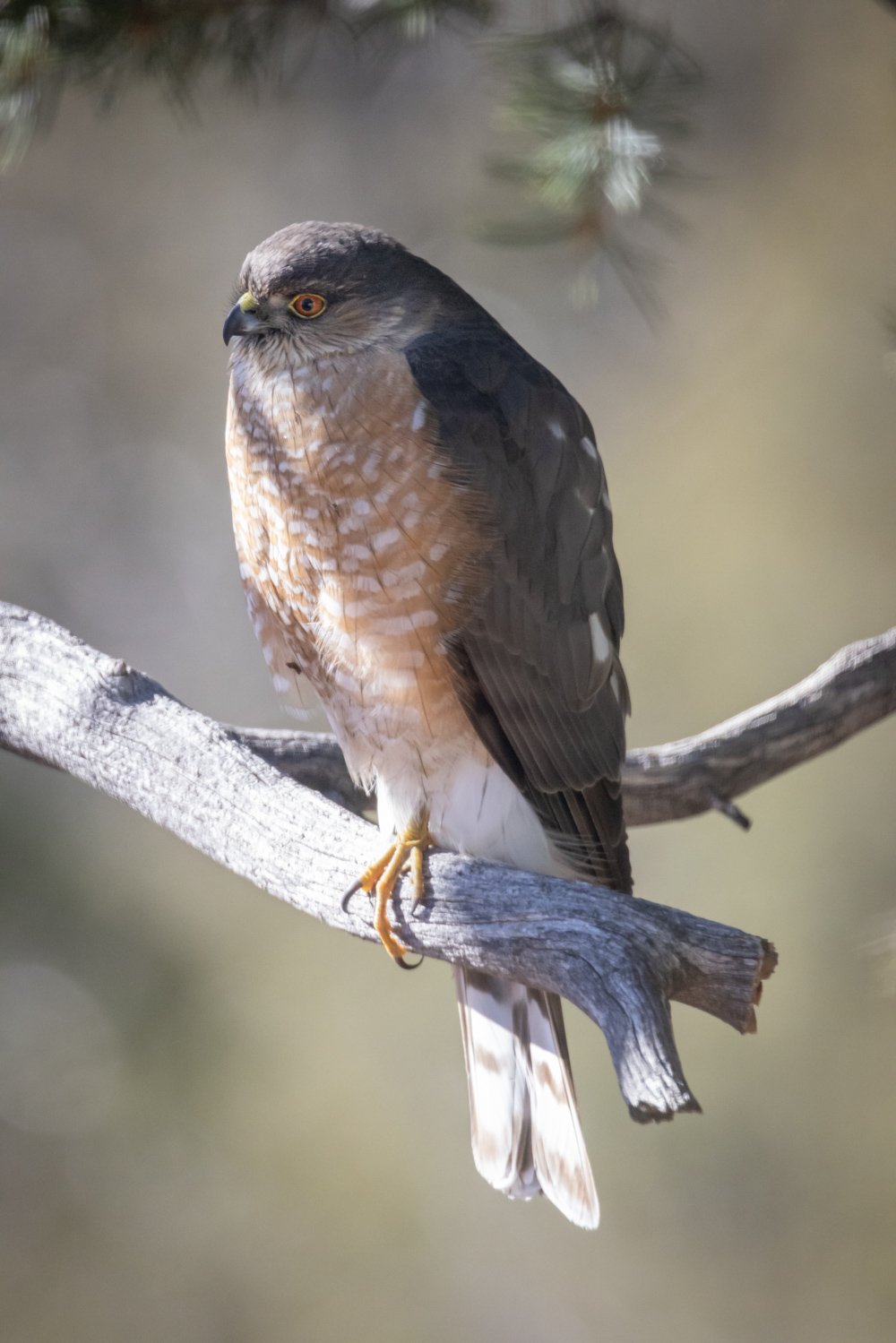
I never thought I’d say it, but I’ve come to like the snow. It blows in all sorts of things, like this beautiful cooper’s hawk.

Or this little falcon….

As we feel the storm coming, the clouds and winds roll in, but the promise doesn’t come… our friends in South Carolina are soaking up the sun in shorts & tee-shirts on the beach. (This just after coming back from freezing on the West Coast, enduring incessant rains and cold temperatures on the California beach.)

We finally got our snow, about 6″. It was here and then gone. But with it, we got our animals.

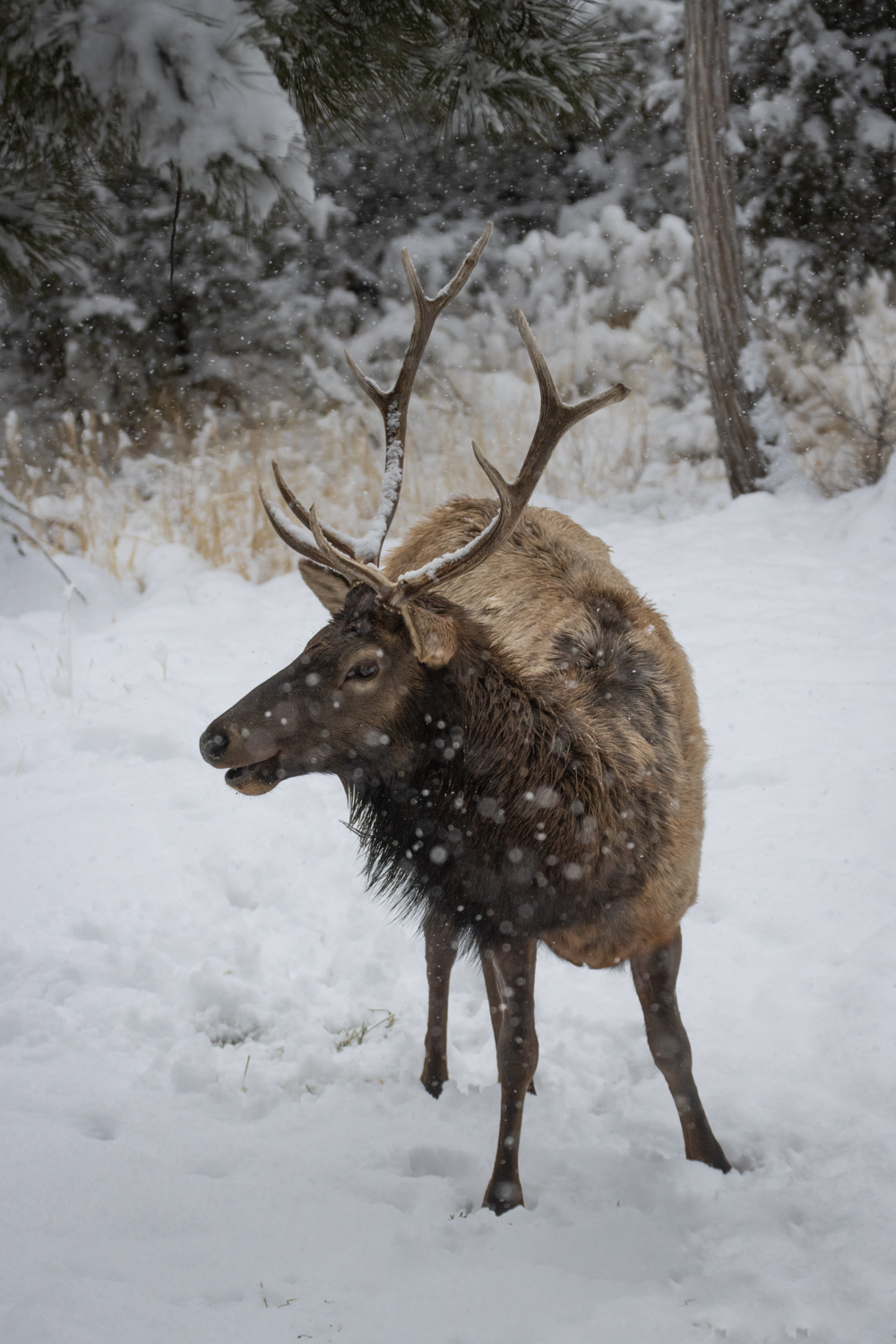
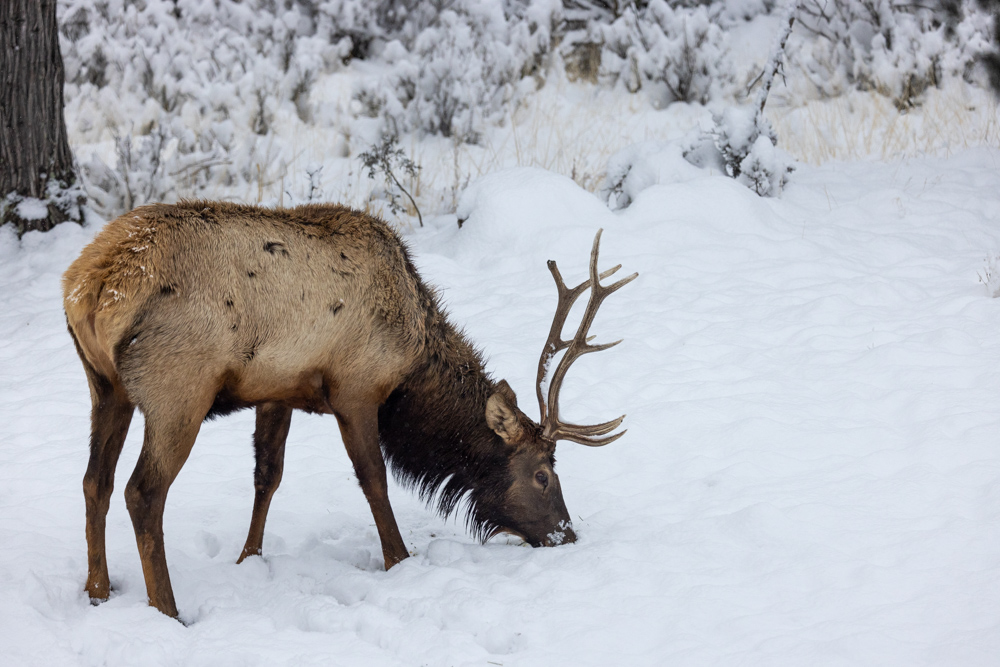
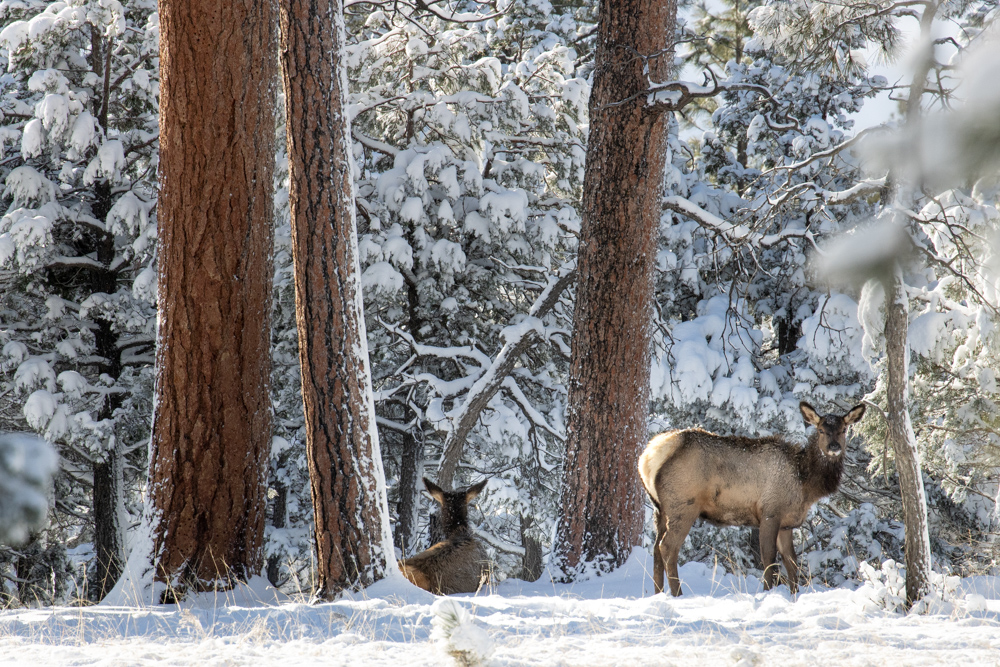
We took the opportunity to go out and find them, and were rewarded with some nice shots of elk in the snow.

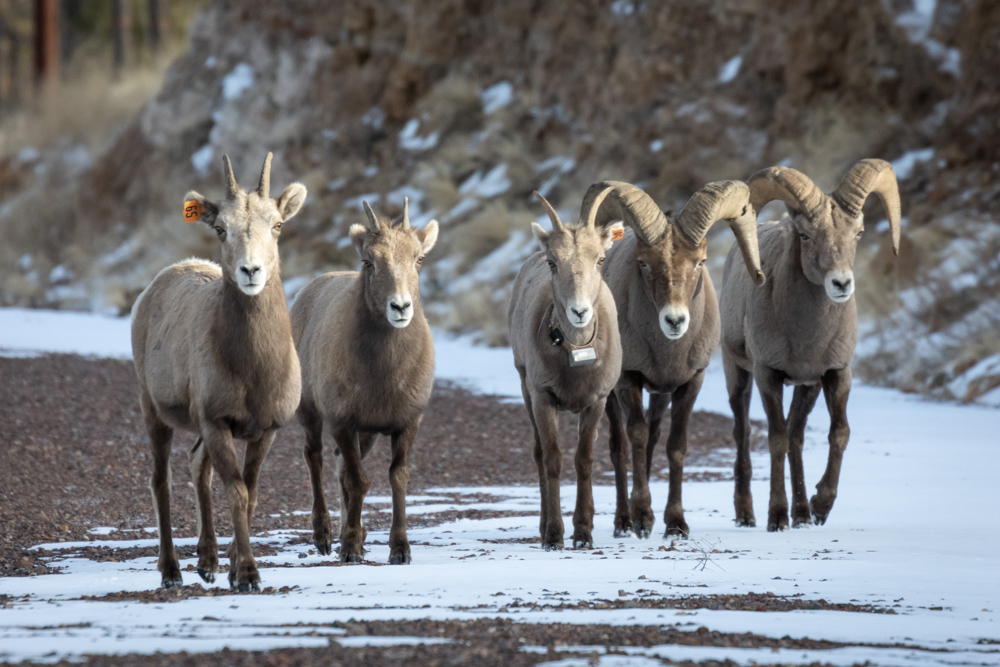
And big horn sheep

In the course of a week since we got back from CA, we saw deer, elk, ram, and even a coyote.

Gotta love where we live!

See more snow / animal pix here …

https://kritterspix.com/2022/01/01/first-snow-3/

Dear Deer

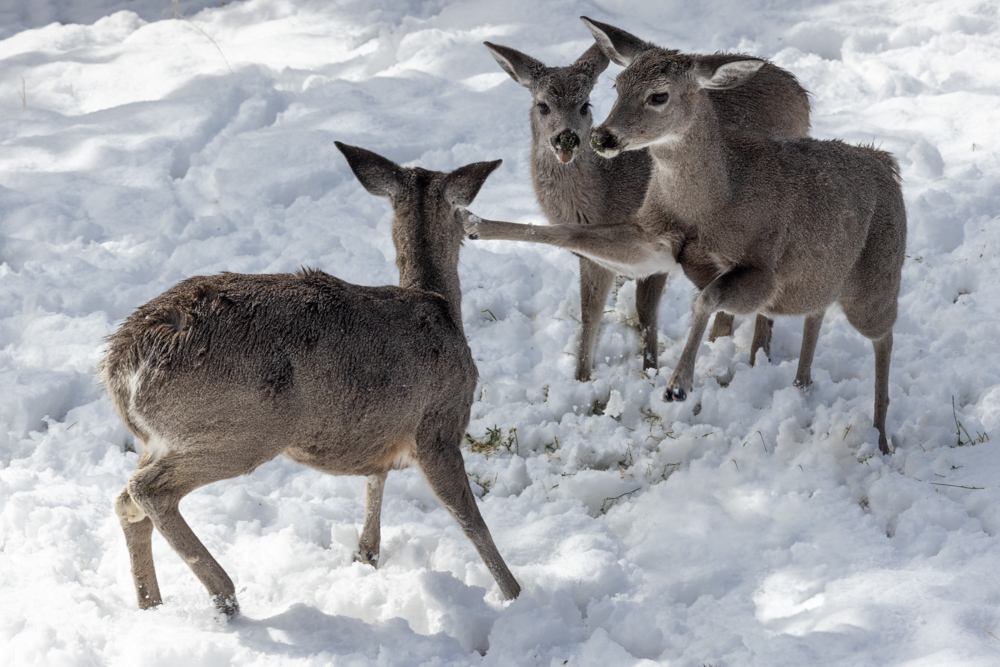
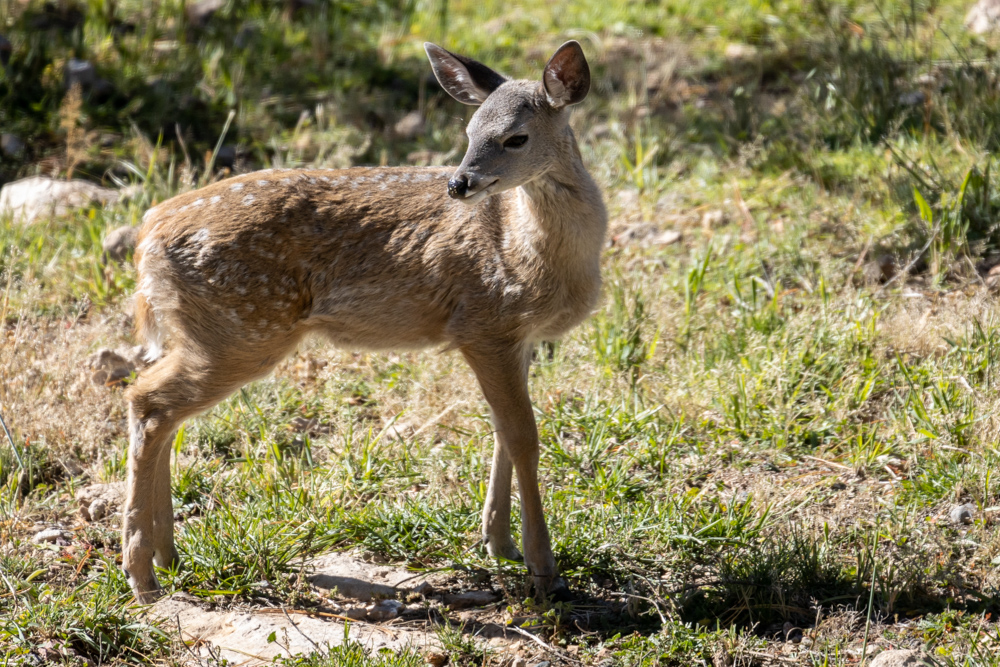
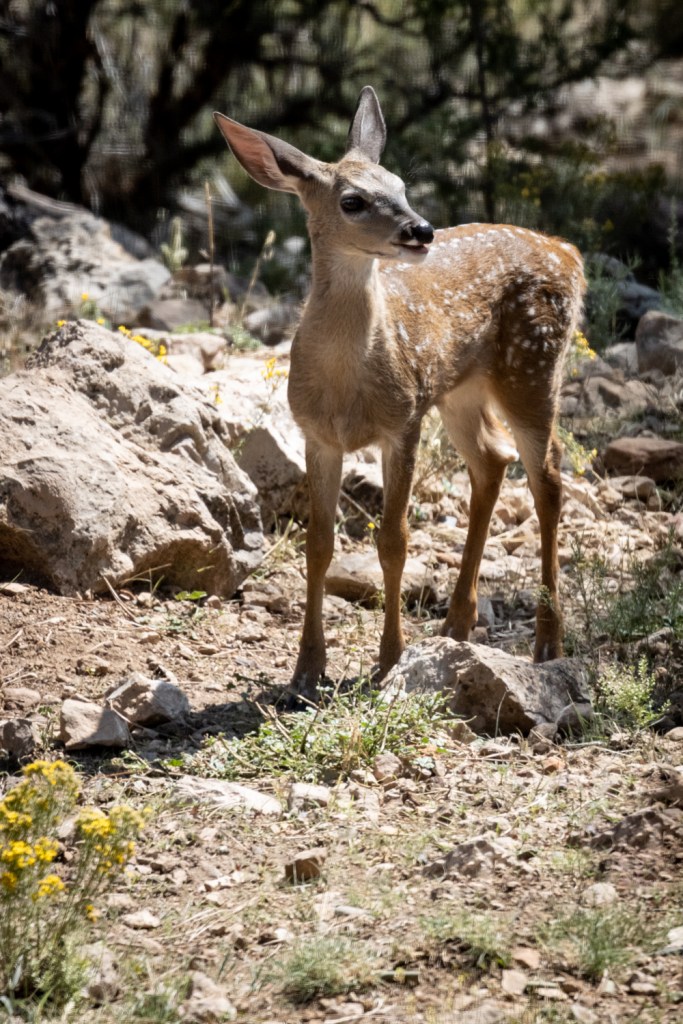
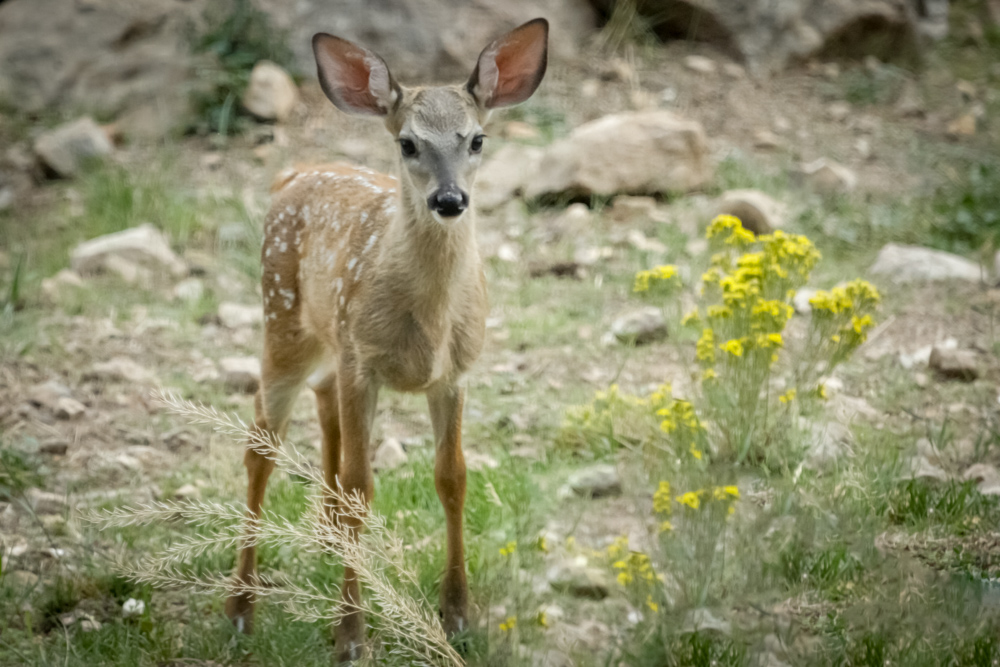
We love our deer, particularly when they bring their babies by!

Ever wonder the difference between white tail and mule deer. I know, probably not. Living in the mountains, we have had to learn the difference. Living in the valley, we never knew there was a difference. Oh, how our lives have changed – in so many ways.

The white tail deer are smaller than mule deer (affectionately called ‘mulie’s’. Generally speaking, white tails are smaller (between 130 -200 lbs full grown) vs mule deer (up to 250 lbs, and bucks can be as large as 450 lbs).

The easiest distinguishing factor is their tail. The mule deer have a black tip on the end of their tail, vs. the white tail have all tan / fur colored tails, with the inside all white.

They are a beautiful sight to see, particularly when young, innocent and full of life.

Fawning About

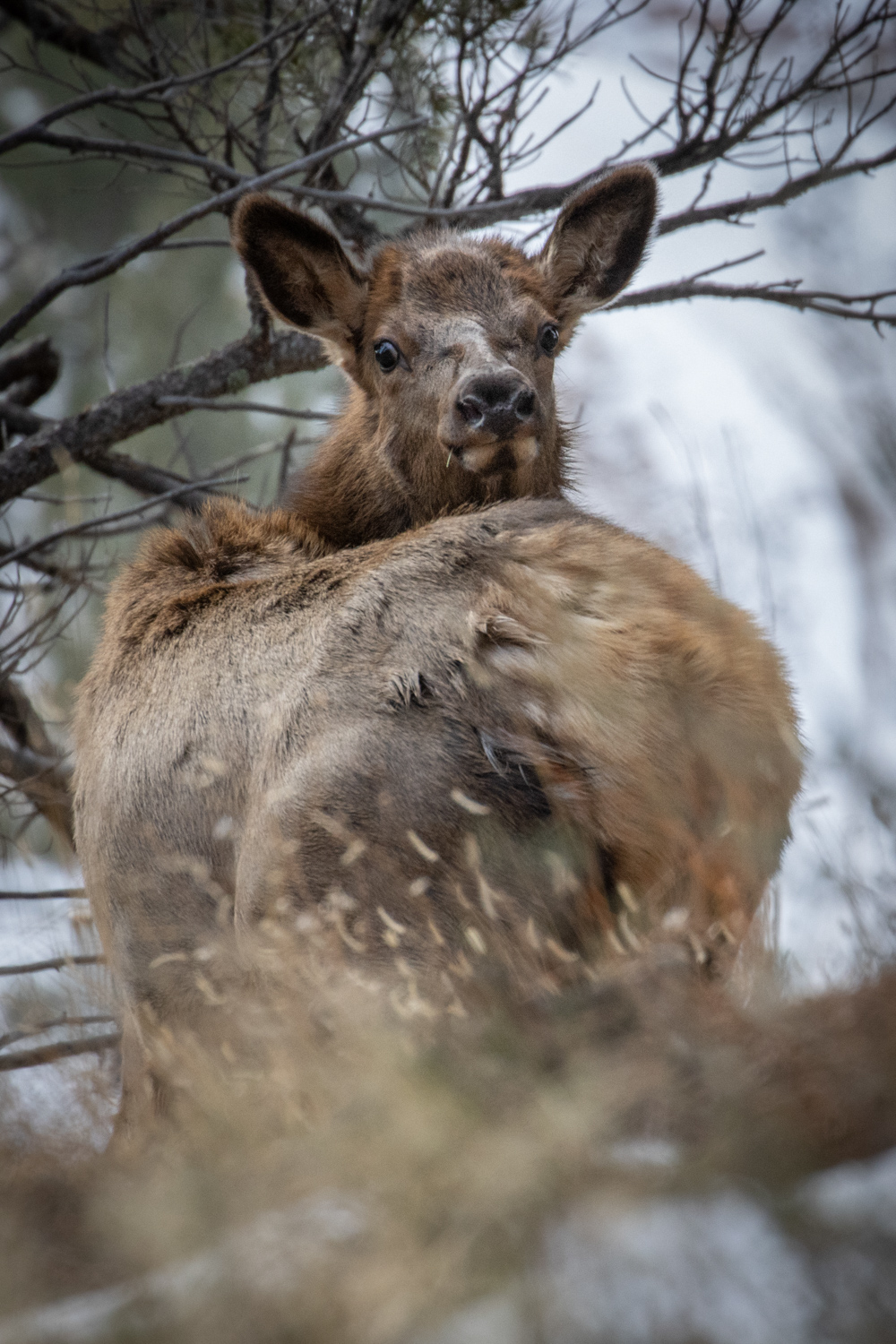
I adore watching the animals, and when I get to see baby animals it’s all the better.

They have this curious sense of newness and wonder that they wear on their faces.

Mom dotes on them and protects them from harm… and the baby listens and hastens at her insistence.

All the while the baby is tugged by this new world it finds itself in, with all the wonders to discover, and adventures to be had.

At this stage of their lives, with all their innocence, they have no fear of danger. If only mom could always protect them. They must be quickly schooled on the harsh reality of their existence.

Buck Springs

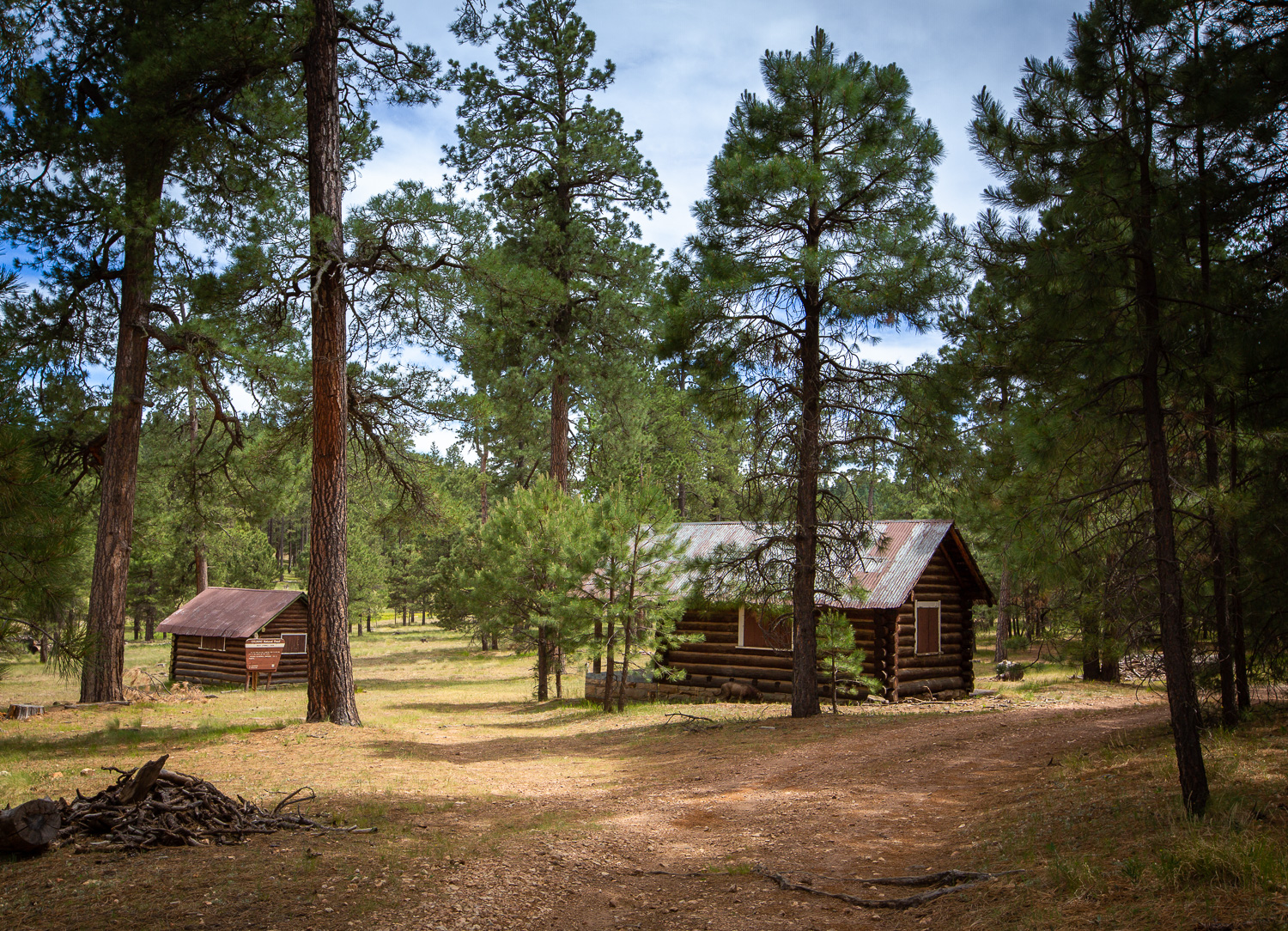
Buck Springs Cabins_IR.jpg

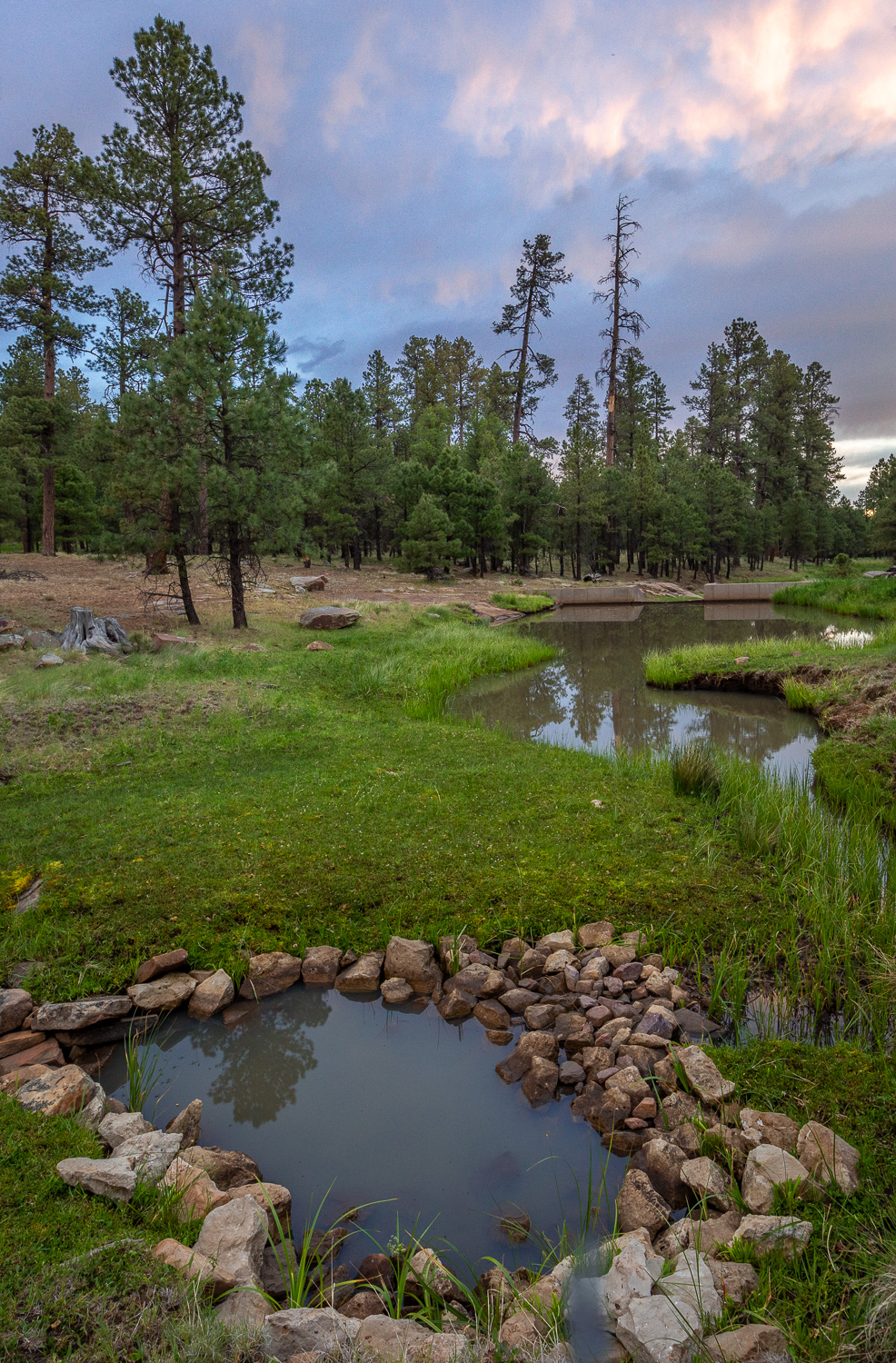
Buck Springs is one of a number of old cabins littered around Mogollon Rim’s back dirt roads.  Tree Shadows

Cattail vu_IR.jpg

There are two standing cabins on this site.  The smaller of the two was built in 1923, while the larger was built in 1946.

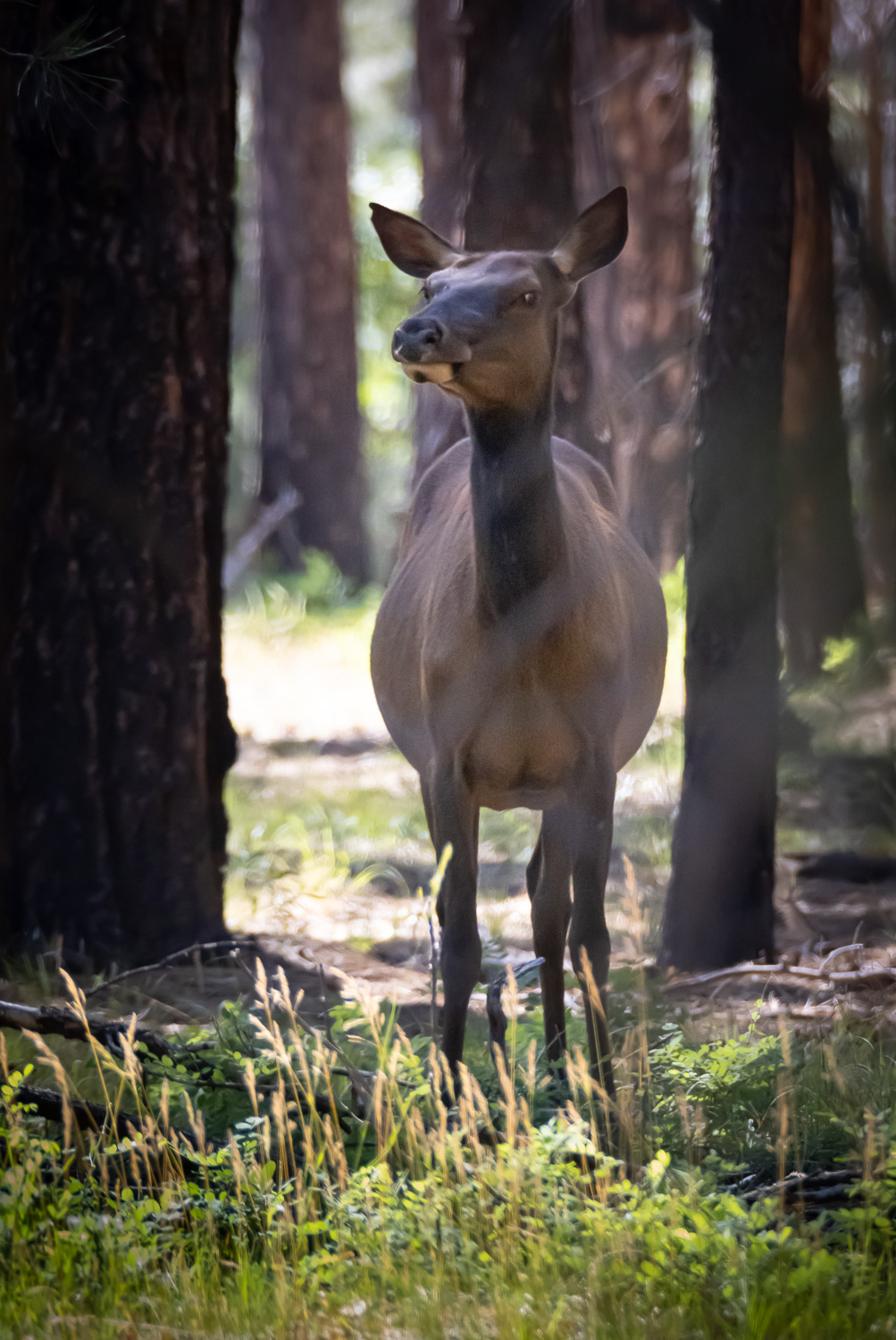
DeerWoods_IR.jpg

ElkGlare_IR.jpg

The cabins found in this area were built by early Forest Service, ranchers and settlers while they worked the land.  The area is also home to animals looking for food, water, and shelter.

bs pond_IR.jpg

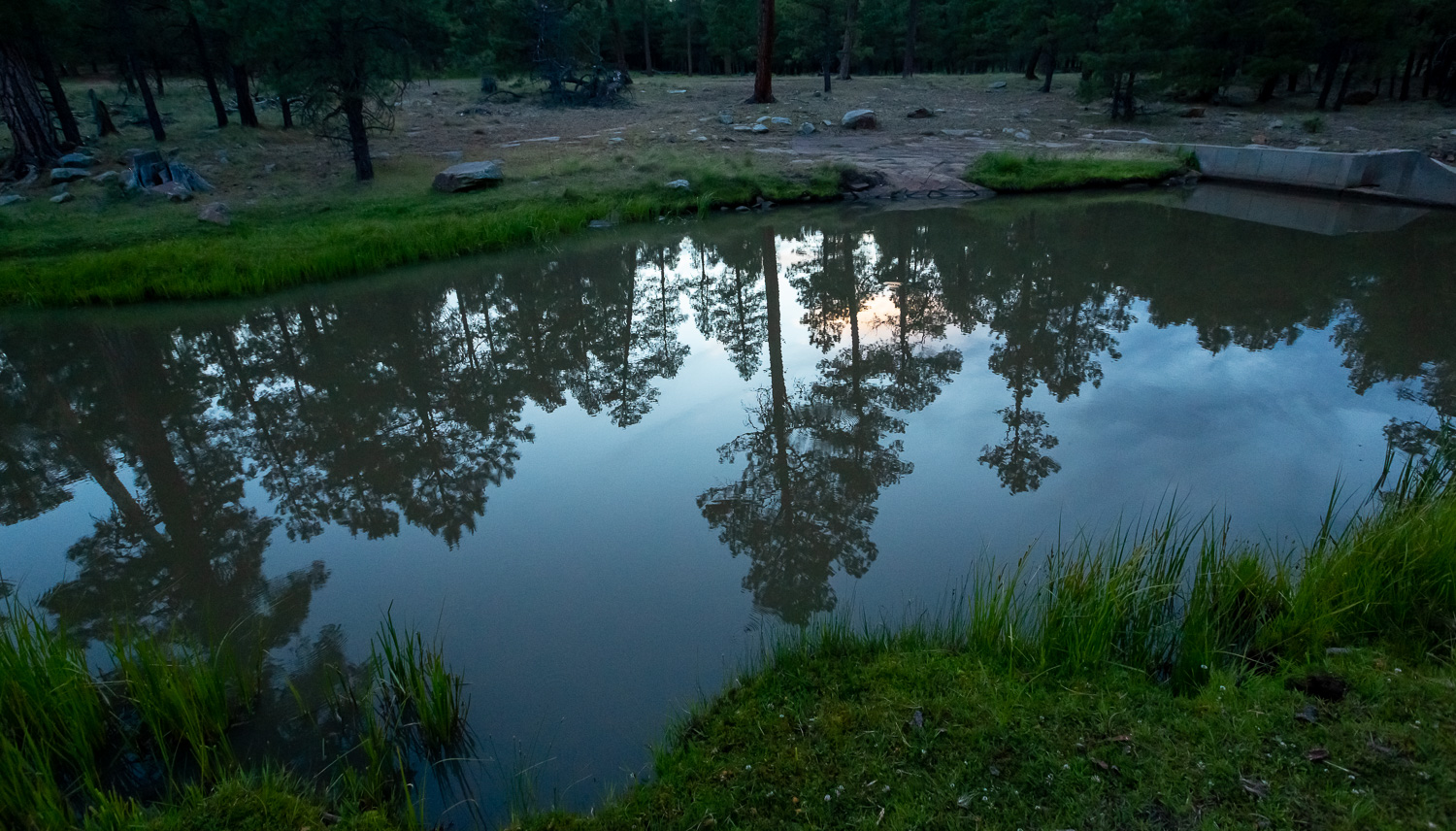
Reflection Pond

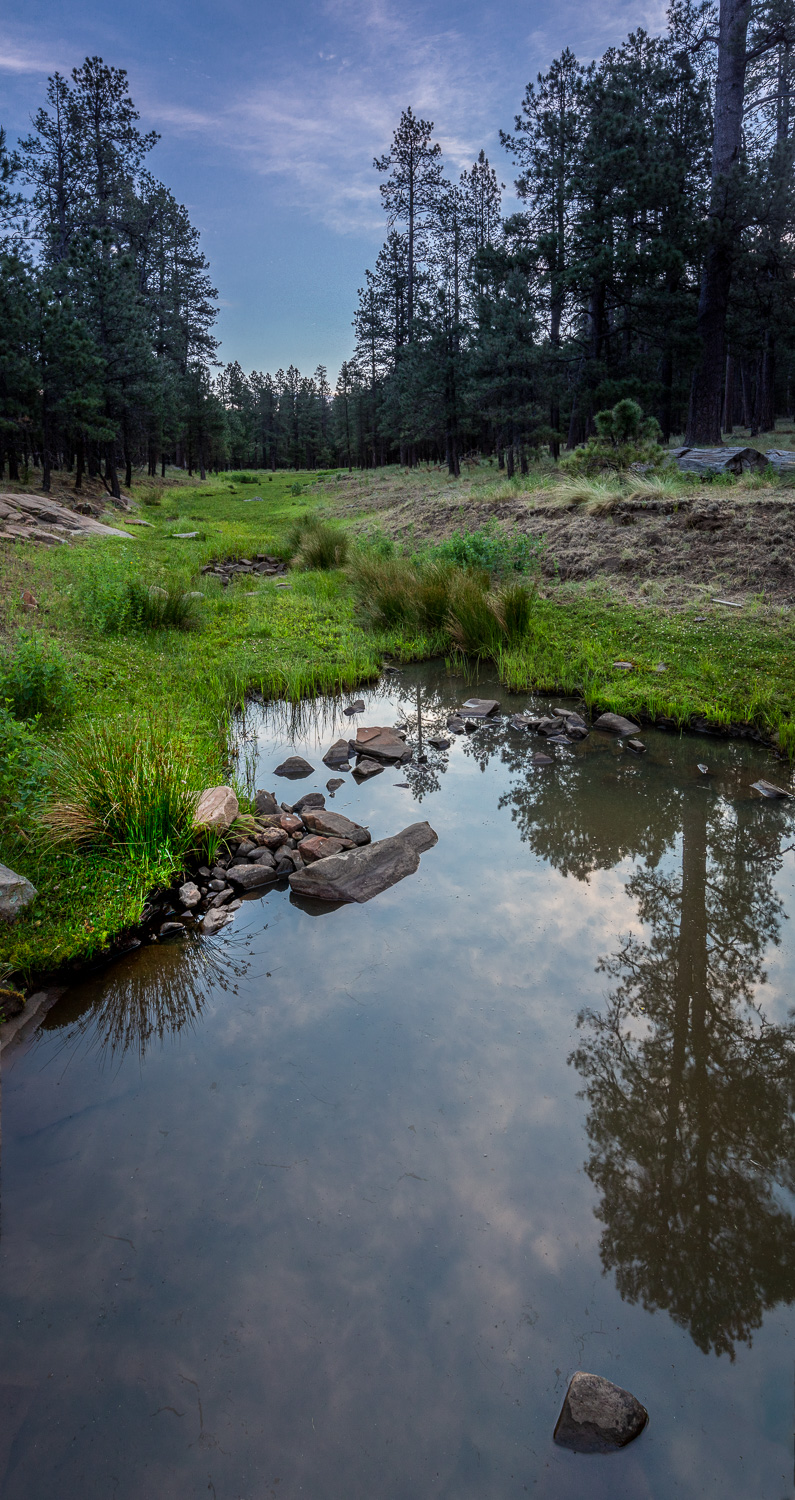
The natural springs throughout the area provide vital water and pools for the wildlife that inhabit the area.

Morning Reflection

If you visit, remember leave it cleaner than you found it.  These are precious places that hold their own history and beauty.  Leave a lasting positive impression for future visitors…. not one of trash that one brings in and leaves as a poor testament to today’s mankind.

Wildlife Sightings

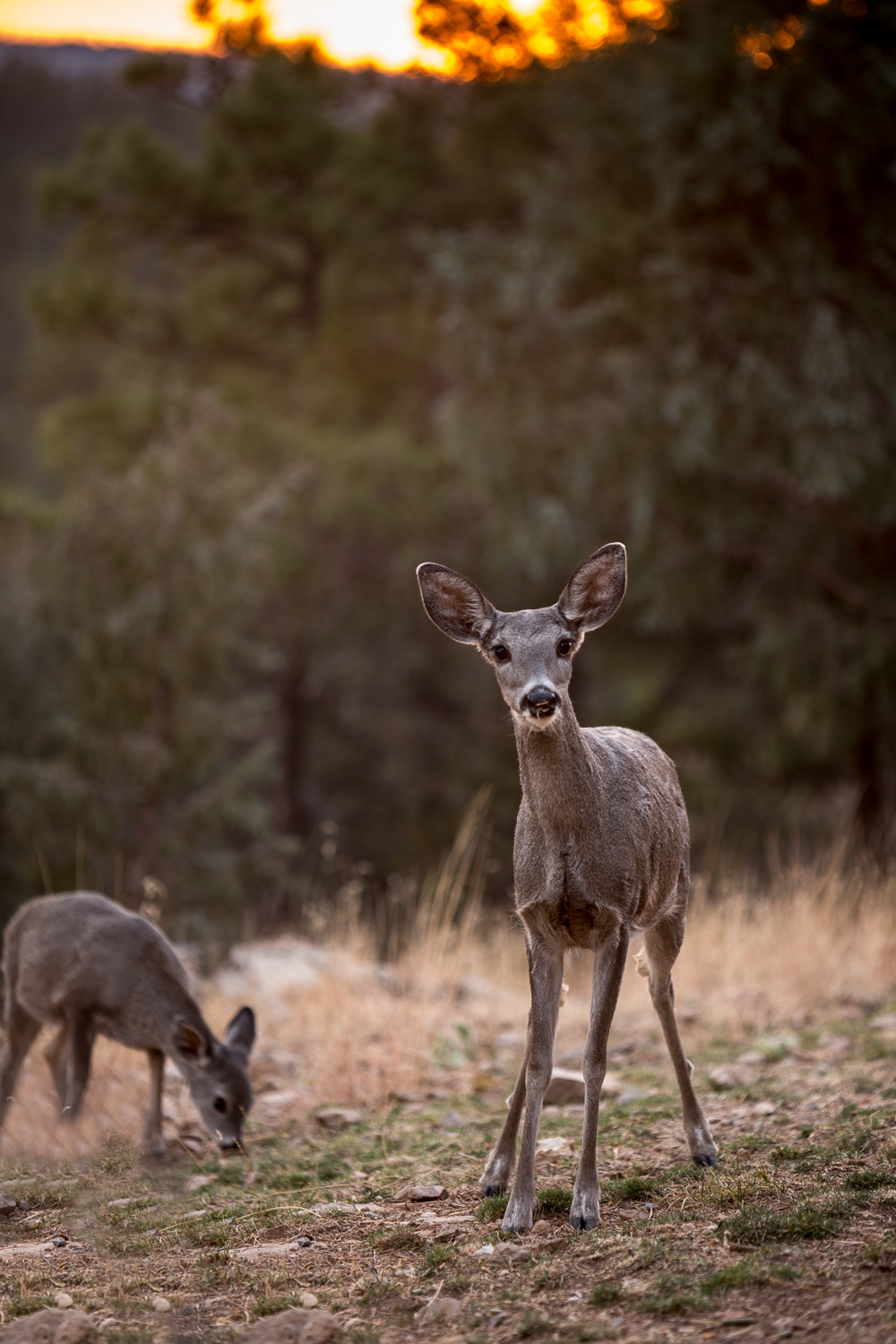
People ask me, ‘where do you go to get your animal pictures?’
momby firevert-Edit_IR.jpg

It’s actually not an easy question to answer, as there is no straight forward answer.

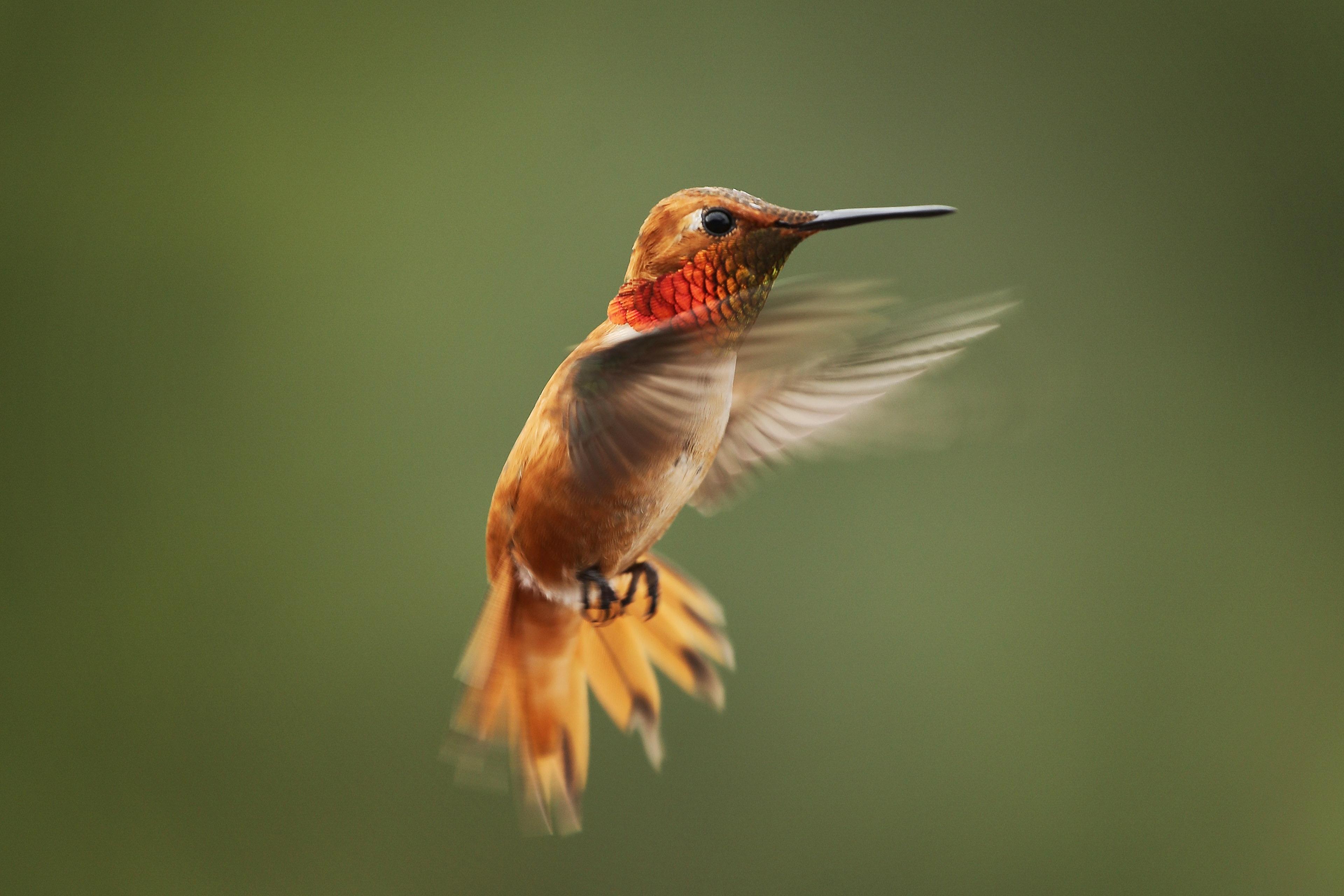
I can tell you that ZERO of my wildlife photos are taken in a wildlife park or zoo.  They are 100% taken in the wild.  As all things wild, they are unpredictable.
Rufus.jpg

Many wildlife photographers get a lot of their photos through their livelihood, as biologists or working in nature conservatory for AZ Game & Fish or Forest Service preserving an animal’s habitat.  These sorts of jobs help the photographer, often early in their career, to learn the habitat and tendencies of their subject.
red tree turn_IR.jpg

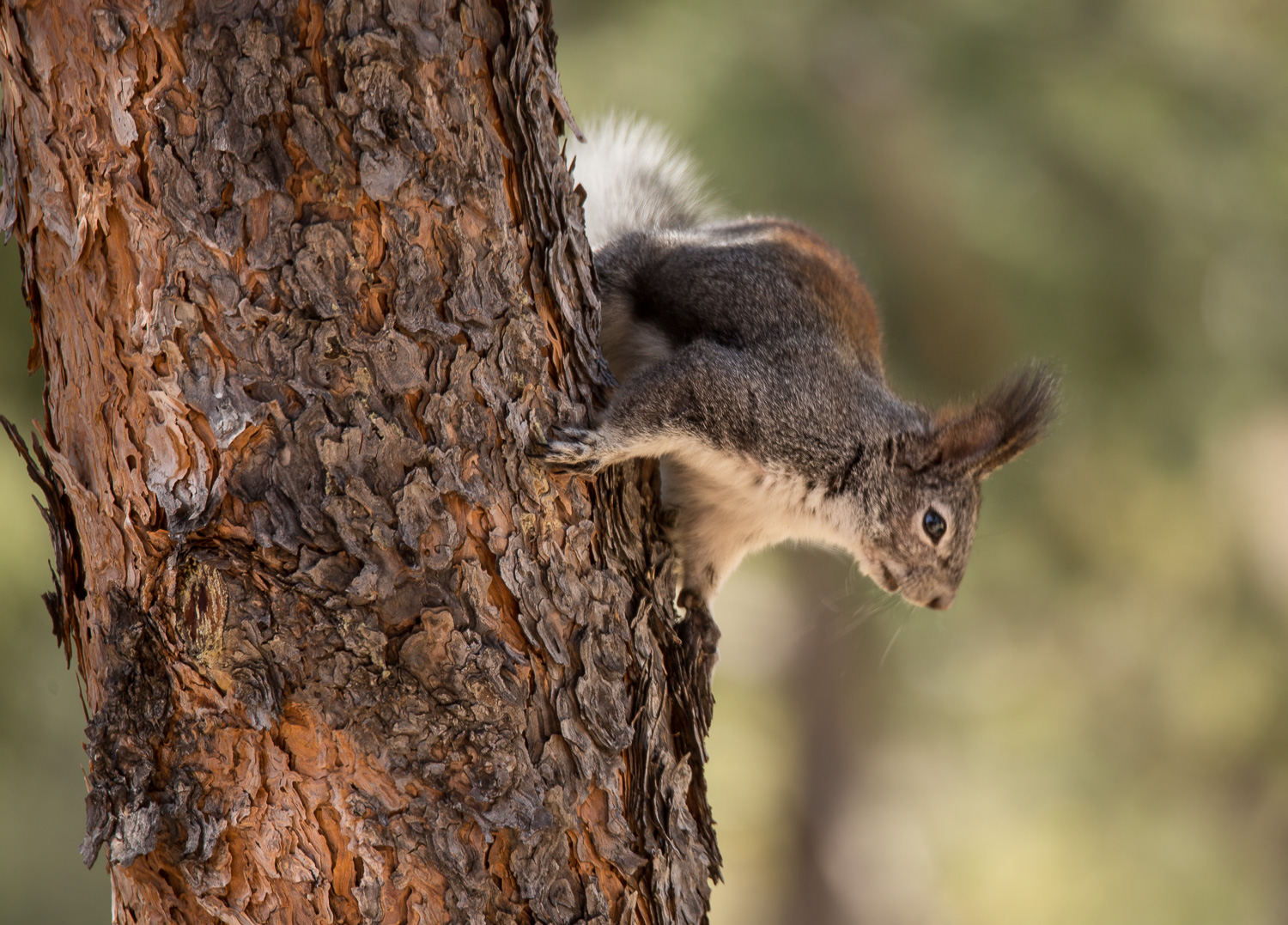
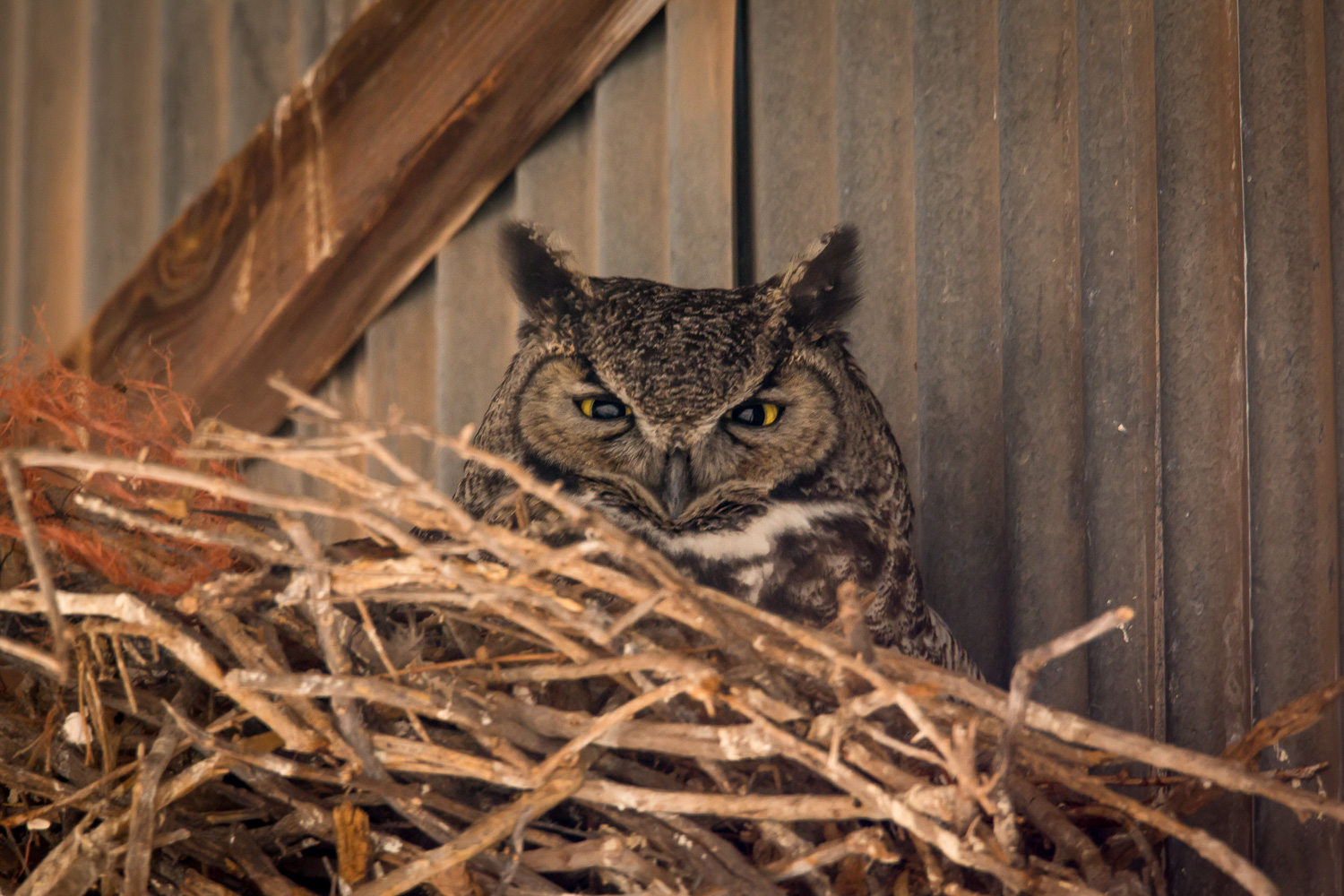
I have not had that advantage.  I have had to learn the hard way on my own.  While, I have stumbled across various animal habitats, like the pair of great horned owls at Whitewater Draw, that’s the exception more than the rule.
Great Horned Owl Hort_IR.jpg

Sometimes it’s easy to go to where you know there will be animals, like Bosque del Apache National Wildlife Refuge, where the sandhill cranes flock to every November / December.

craneyellowmtnPSPSi.JPG

birdsssPSPSi.JPG

But for me, that’s more the exception than the rule.  Sometimes, I get animal shots in my own yard.

elk feedi.JPG

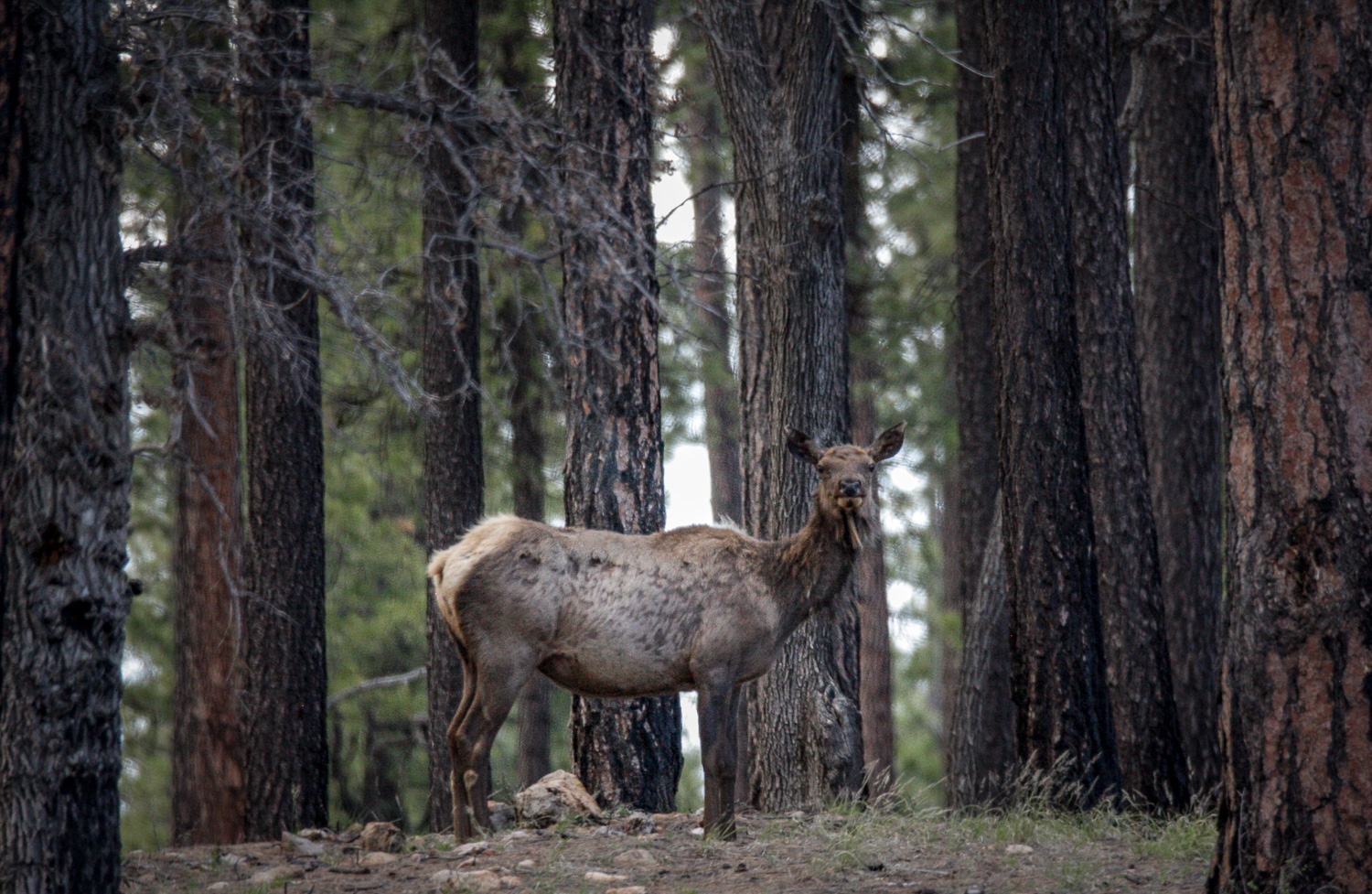
Often, though, it’s a matter of getting out there.  You have to look, to see.  We make frequent trips to the rim, leaving early morning when it’s still dark out, to get to the rim at first light when the animals are still moving around.
_MG_9973_IR.jpg

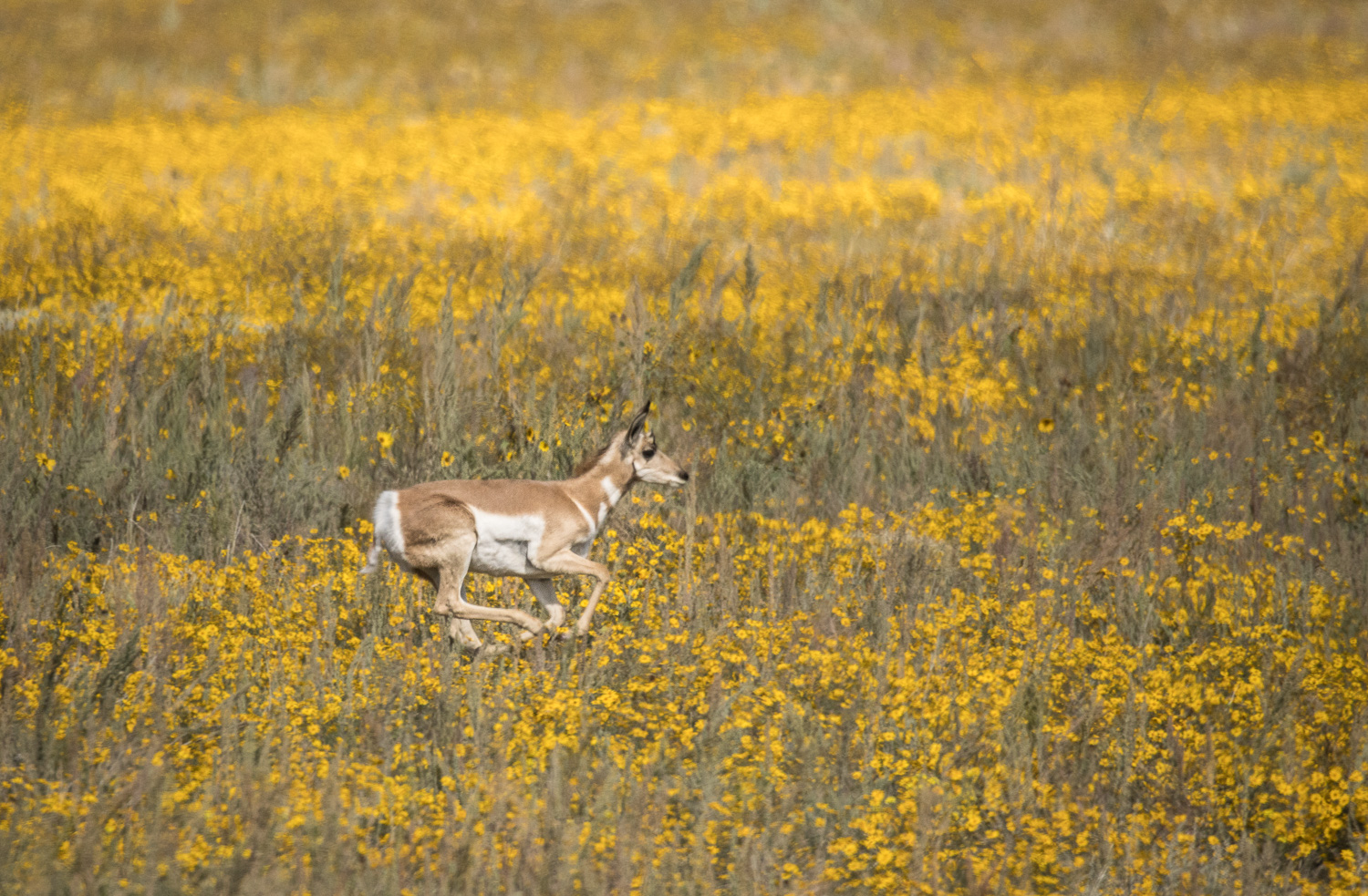
Besides the rim, we go out on photography trips just in search of that great landscape or animal shot.  Knowing that antelope can be found in the plains, or that there is a herd of big horn sheep that frequents the Greer area, can be helpful.

antelopefam_IR.jpg

IMG_0440_IR.jpg

ramtree_IR.jpg

Other than that, one just has to get out there.  You don’t find animals sitting on the couch eating bon bon’s, unless you’re watching the National Geographic channel. Ha! : )
bearpose_IR.jpg

In any case, luck favors the prepared.

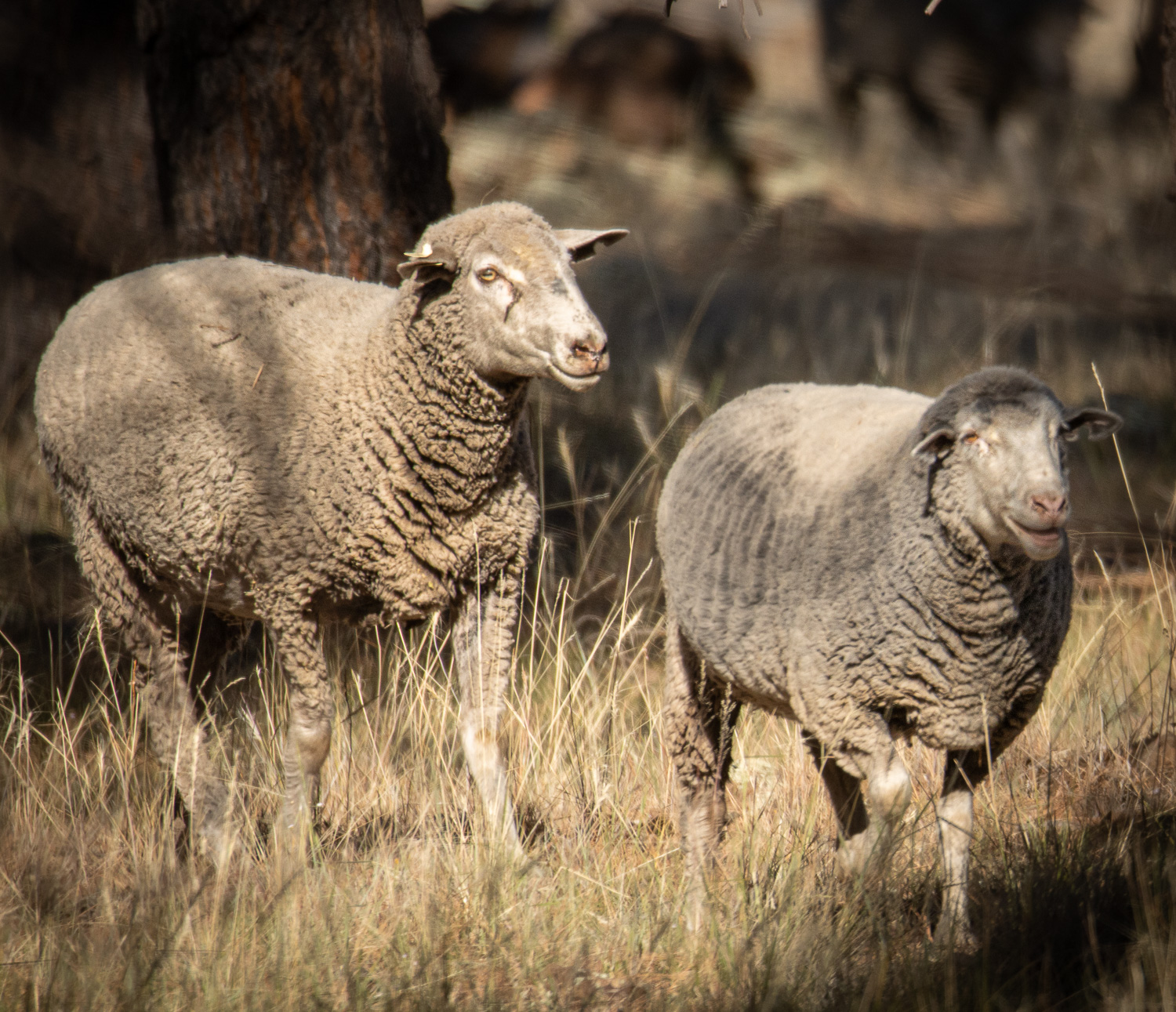
Just this week, we were wandering around the woods (as we often find ourselves), actually looking for water where there was none.  We found lots of dry holes instead of Lakes, but we did encounter well over 1000 sheep crossing the road.  That’s not something you see every day – or ever before!
IMG_1298_IR.jpg

IMG_1383_IR.jpg

Sometimes, you just have to be in the right place at the right time.