
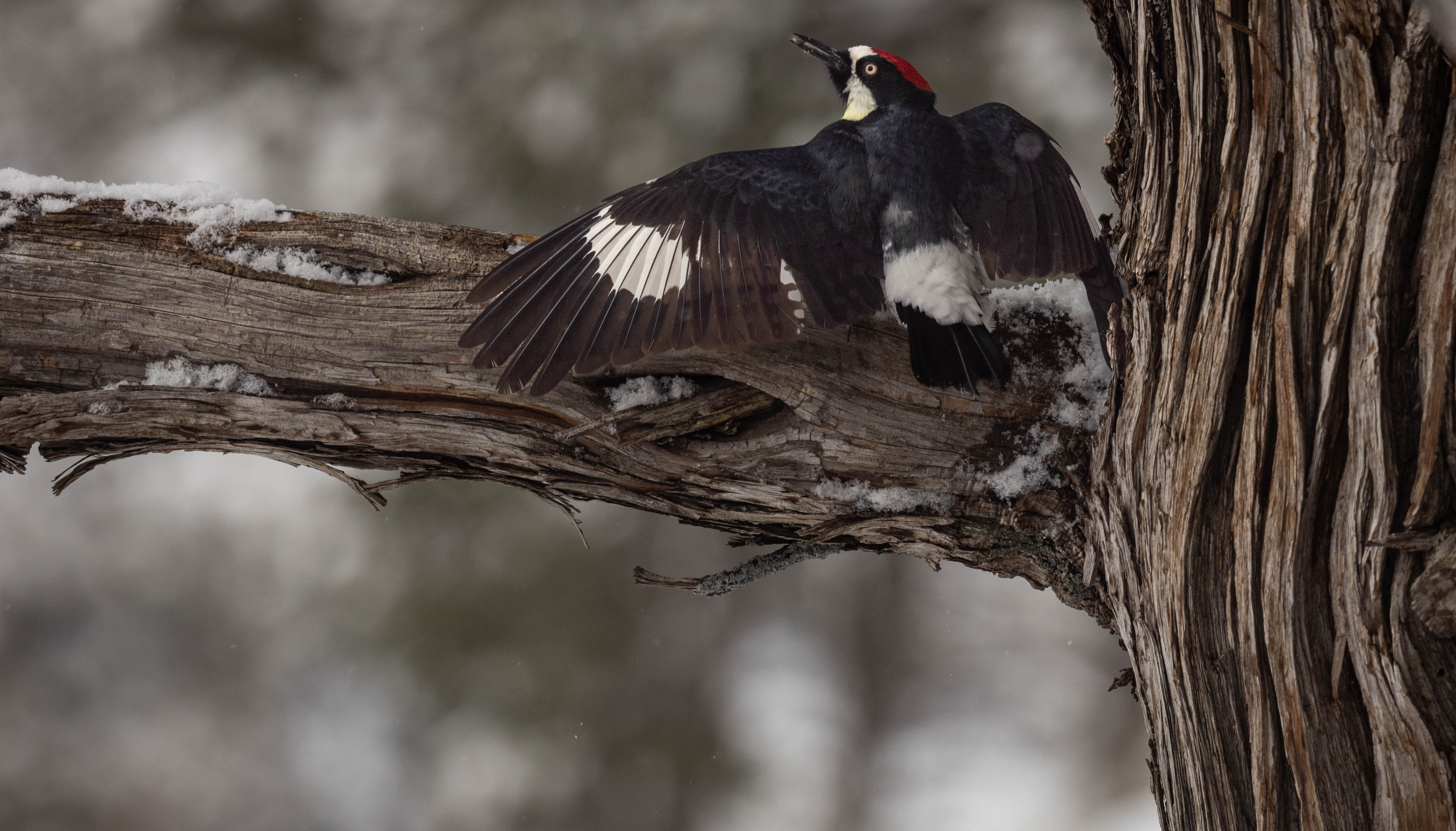
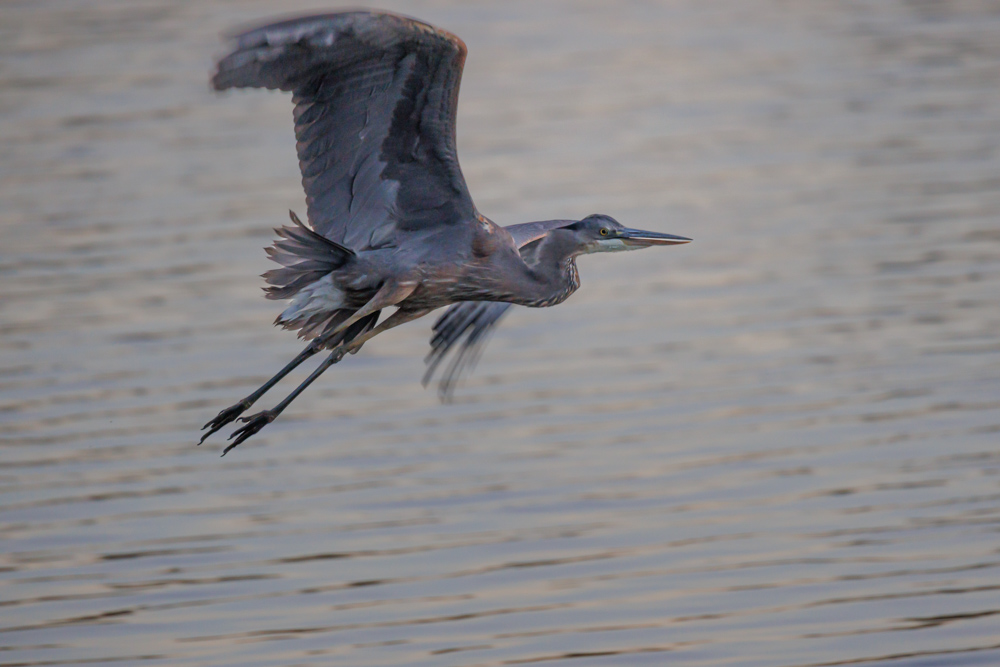
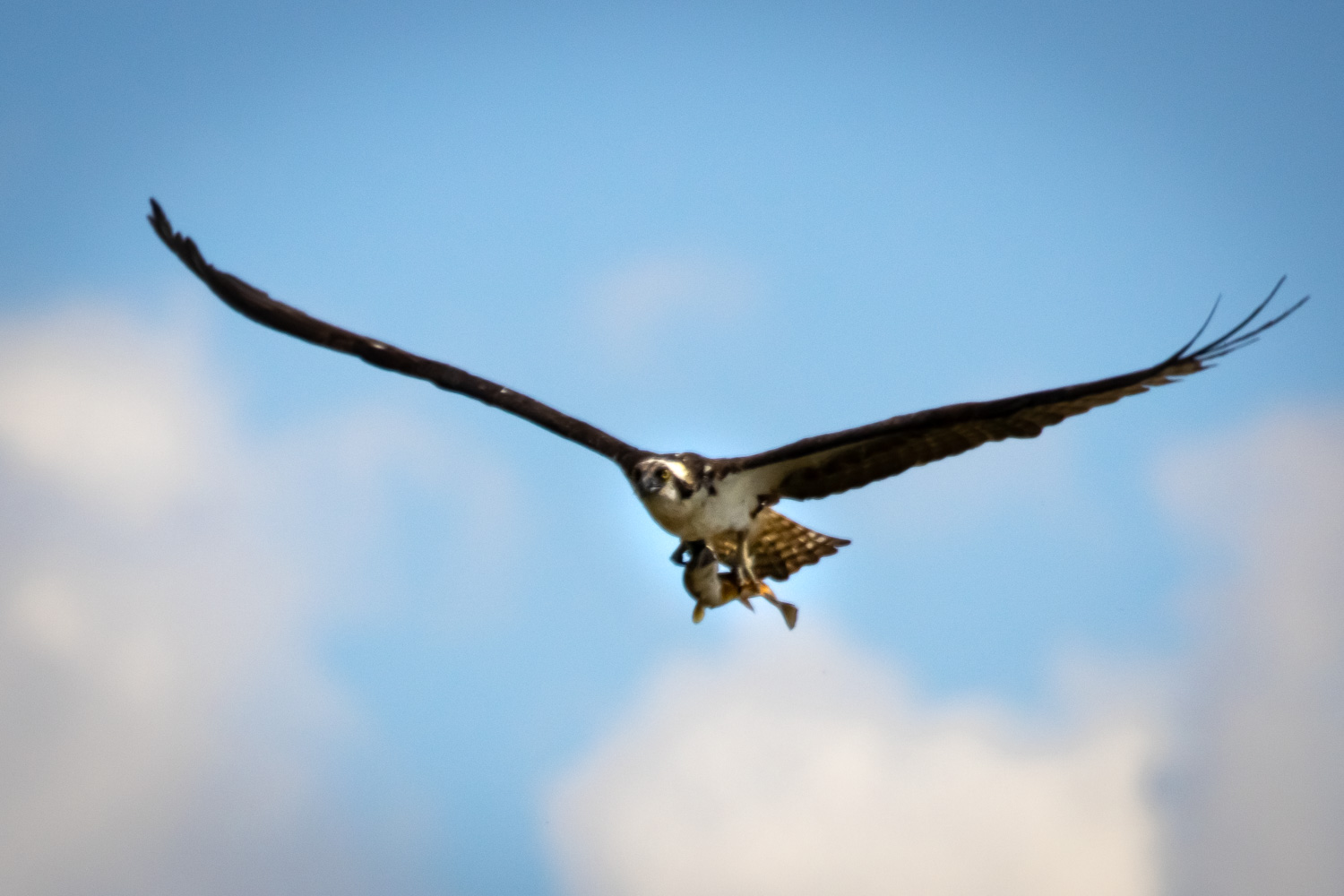
Believe it or not, BIF, is actually a category in Photography.

It is reputed to be a challenging and difficult field. Following our trip to Whitewater Draw for the sand hill crane migration, I decide to make it an objective to enhance my skills.

The bigger the bird the easier the task, as they are easier to focus on. Having said that, focussing on any bird in that brief snippet of time that it flies from here to there requires quick action to capture the bird in your camera sights.. and focus immediately, while the bird is in view.


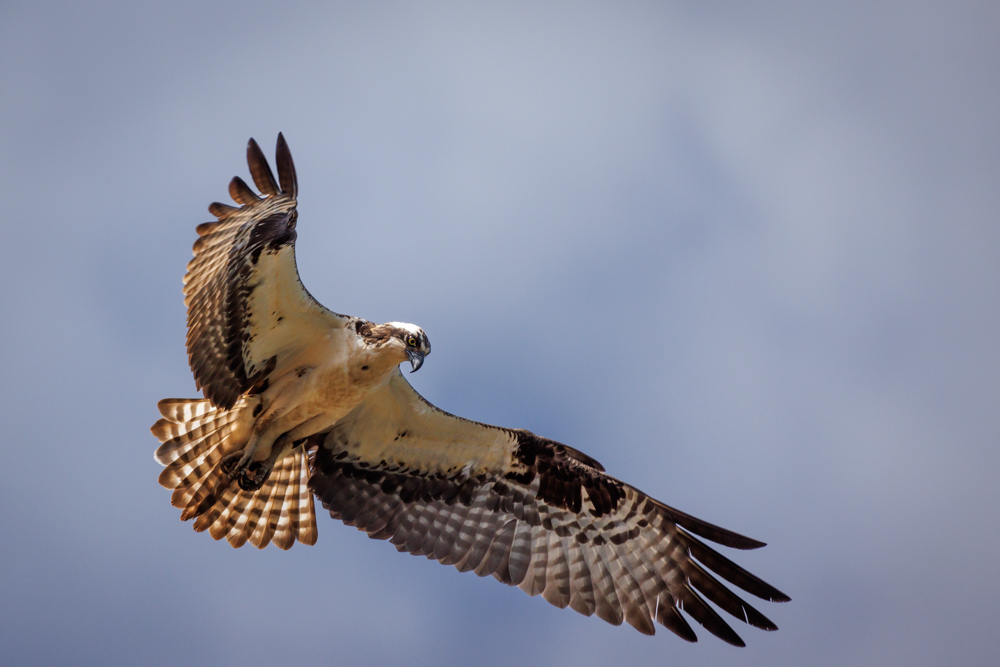
Moreover, it requires get a well composed, clean shot, devoid of distractions, and sharp in focus. Preferably the you can see the full bird, being sure not to cut off the head or wings, and ideally be able to see the bird’s eye and head.

While these are not hard and fast ‘rules’ their are guidelines I employ in my shots. Sometimes, though, you get what you get. I prefer to get the bird coming into the frame, but when panning to capture the bird, sometimes you miss. One has to decide if the photo captured is a ‘keeper’ or trash depending on it’s ability to tick all the boxes of a good BIF photograph.

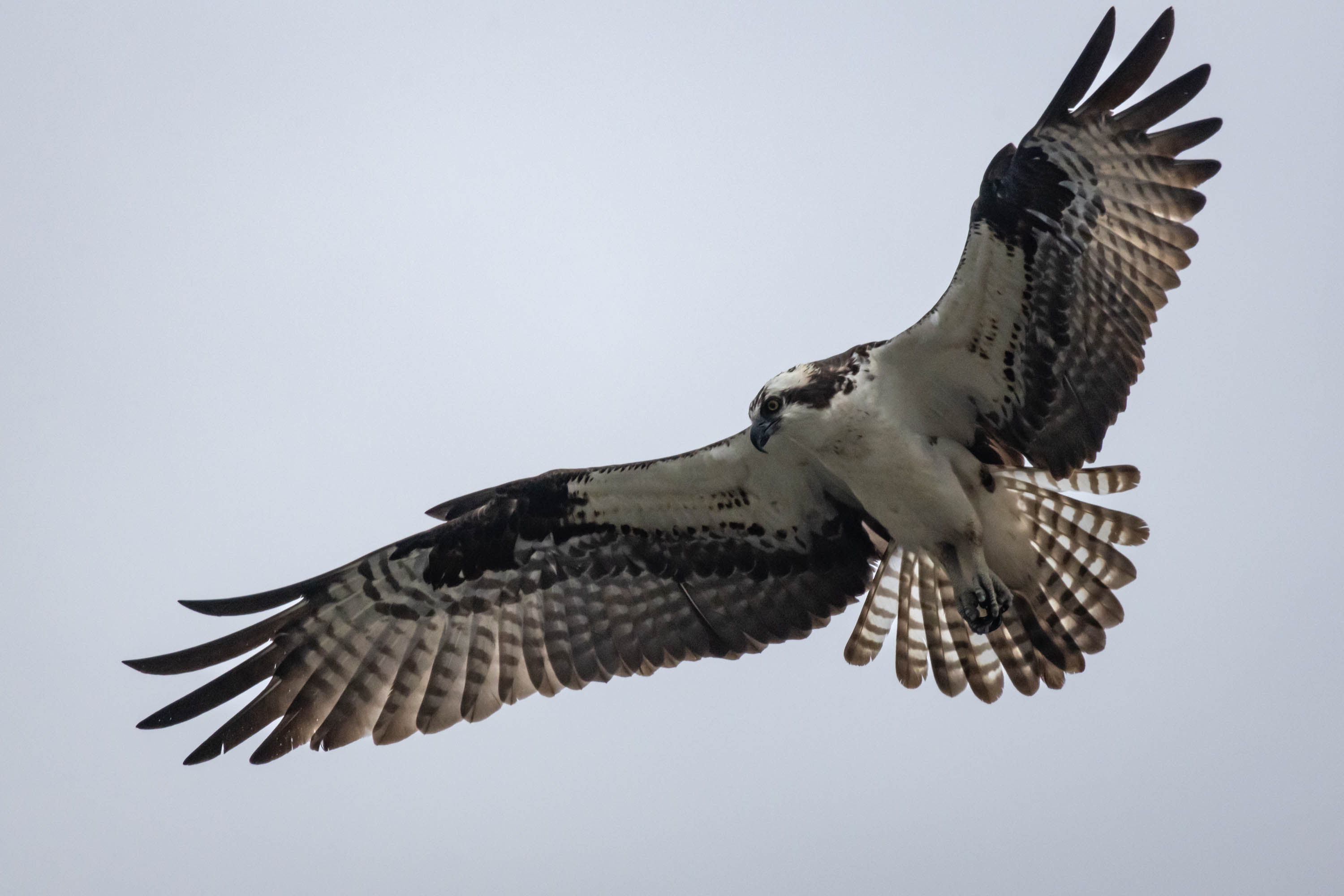
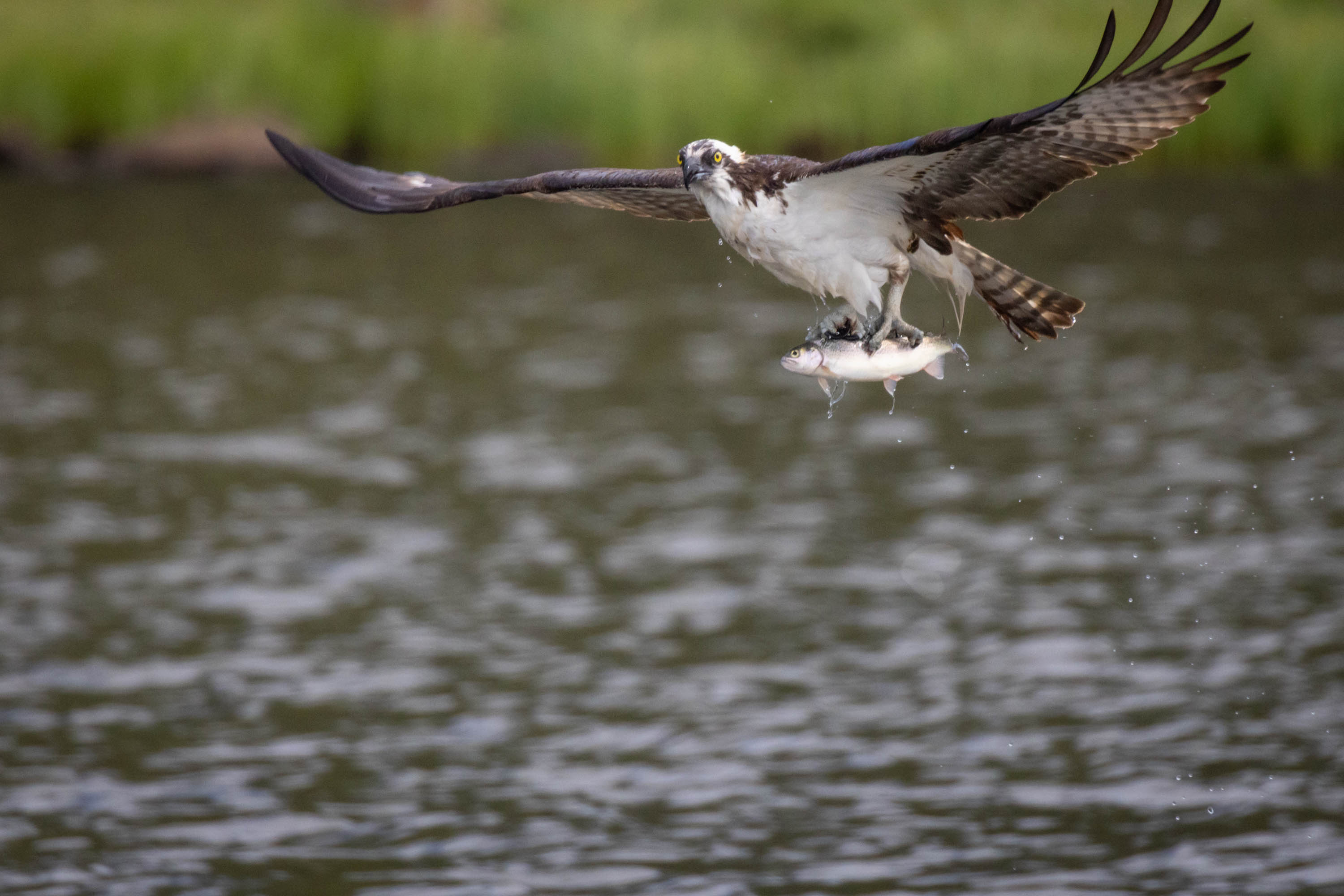
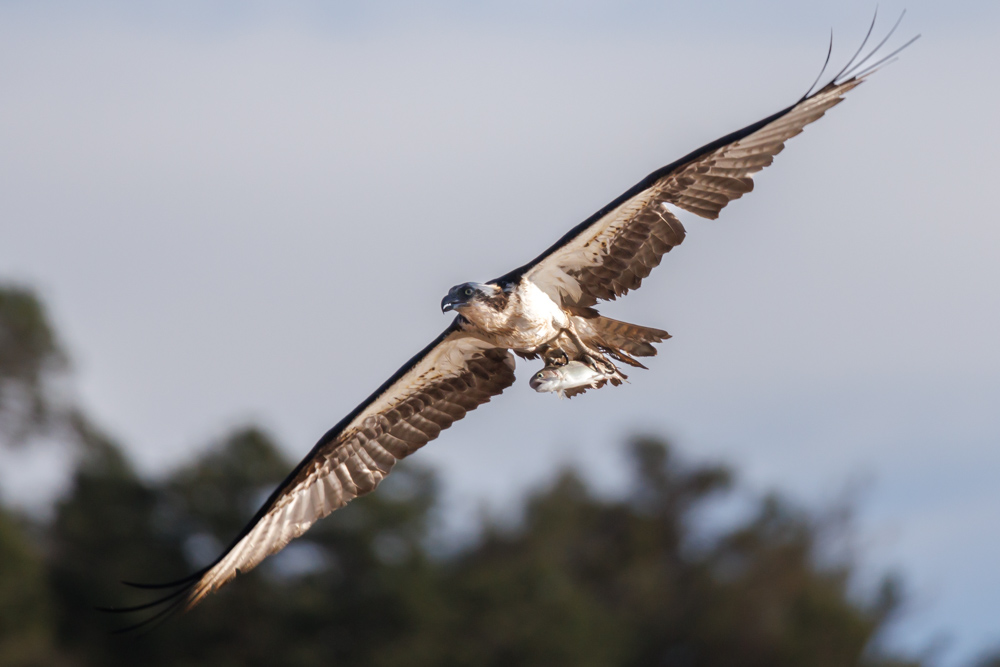
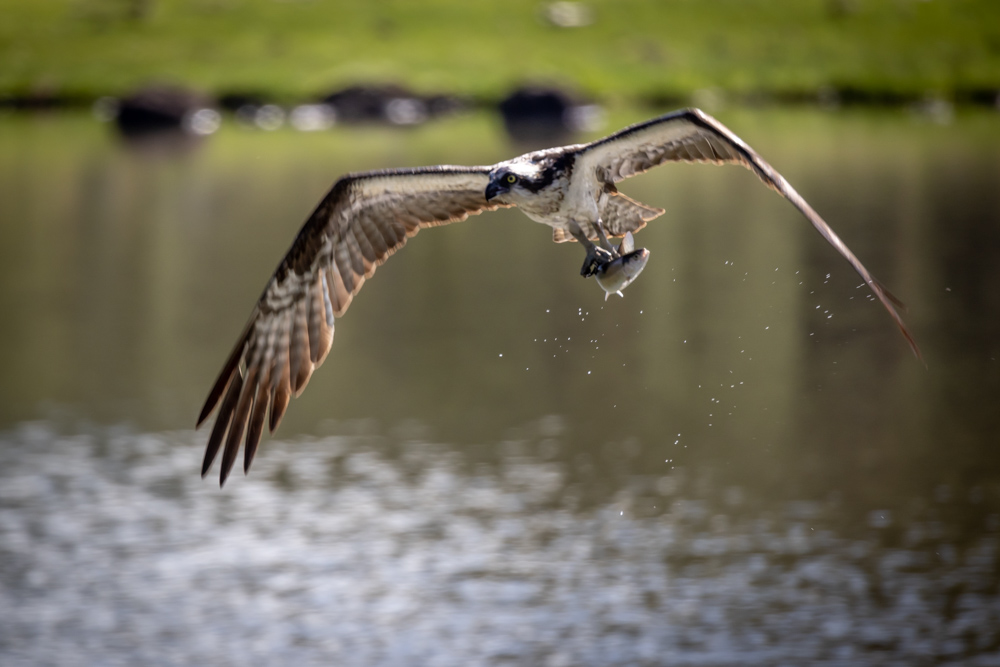
I find the most useful tip in capturing birds in flight is spending time to watch their behavior so that you can anticipate their flight. When I shoot osprey, their tell tale signs of a dive, are their hover, then dive, shake, then flight (hopefully with their coveted fish).

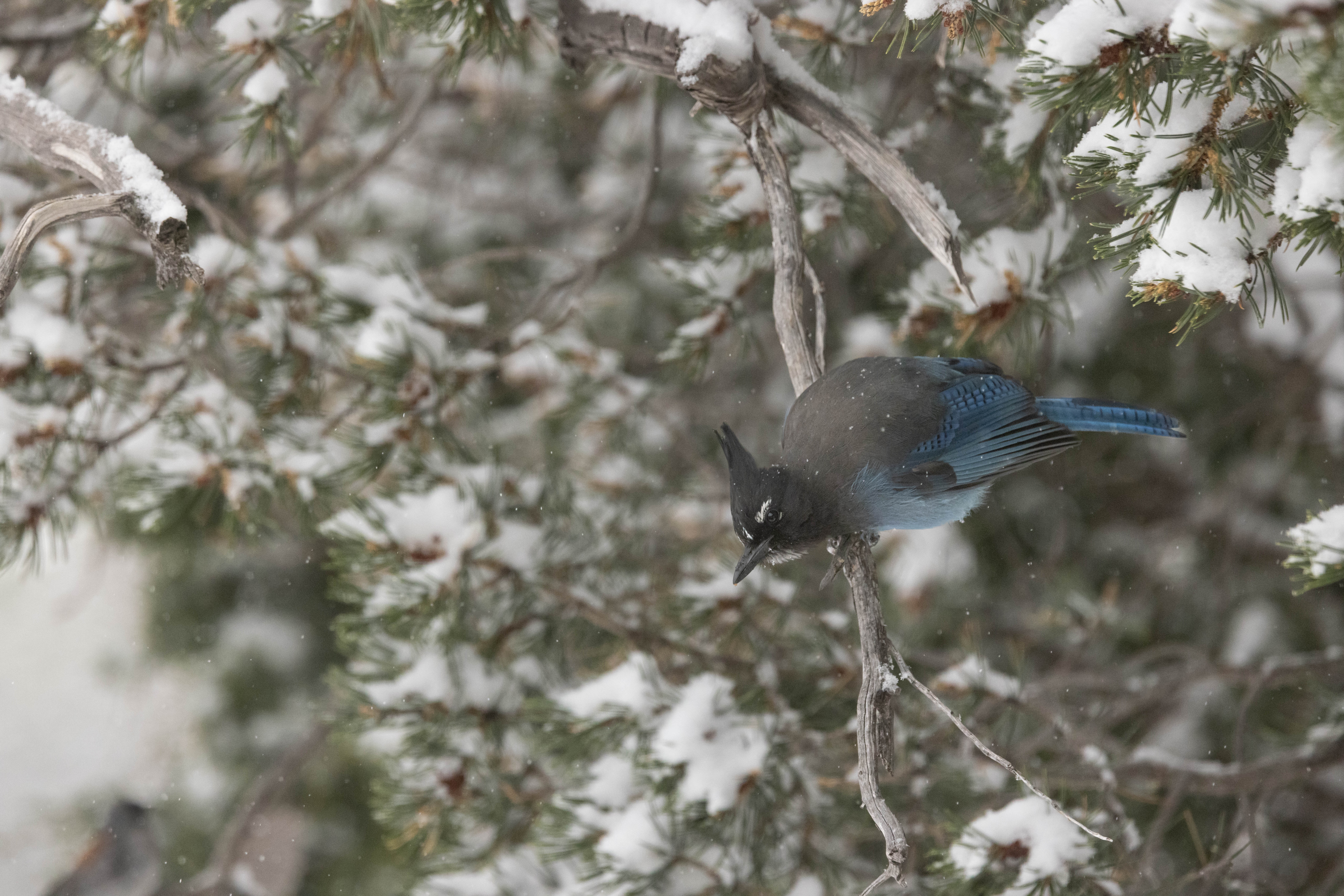
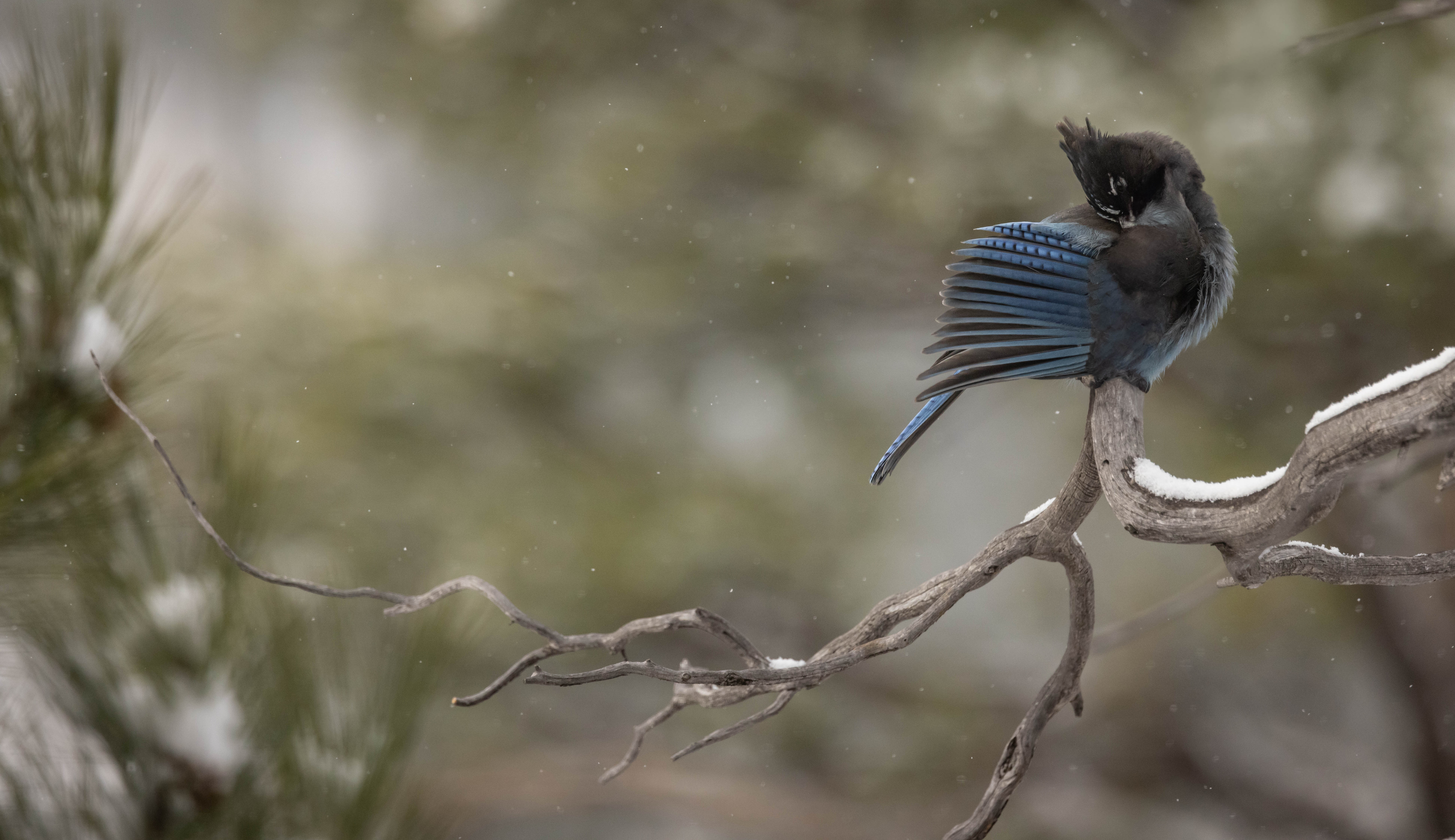
For smaller birds, your often will see a crouch-down prior to flight. They go quick, though, achieve focus prior to flight and follow them with the camera.

And finally, and probably most importantly, is – it takes lots of practice. Practice helps you to achieve capture and focus quickly. Find a good spot, sit, wait, and shoot. Repeat.

Worst case, spending time in nature is always relaxing and rewarding.
















 kritterspaw