We are out and about often, looking for great overlooks and wildlife along the way or at our destination. Sometimes, we get lucky, sometimes, luckier than other times. I suppose after so many trips, our probabilities have improved… and maybe even our spotting skills and sense of where to find animals.
On our latest outing we were delighted to come away with over a dozen animal sightings.
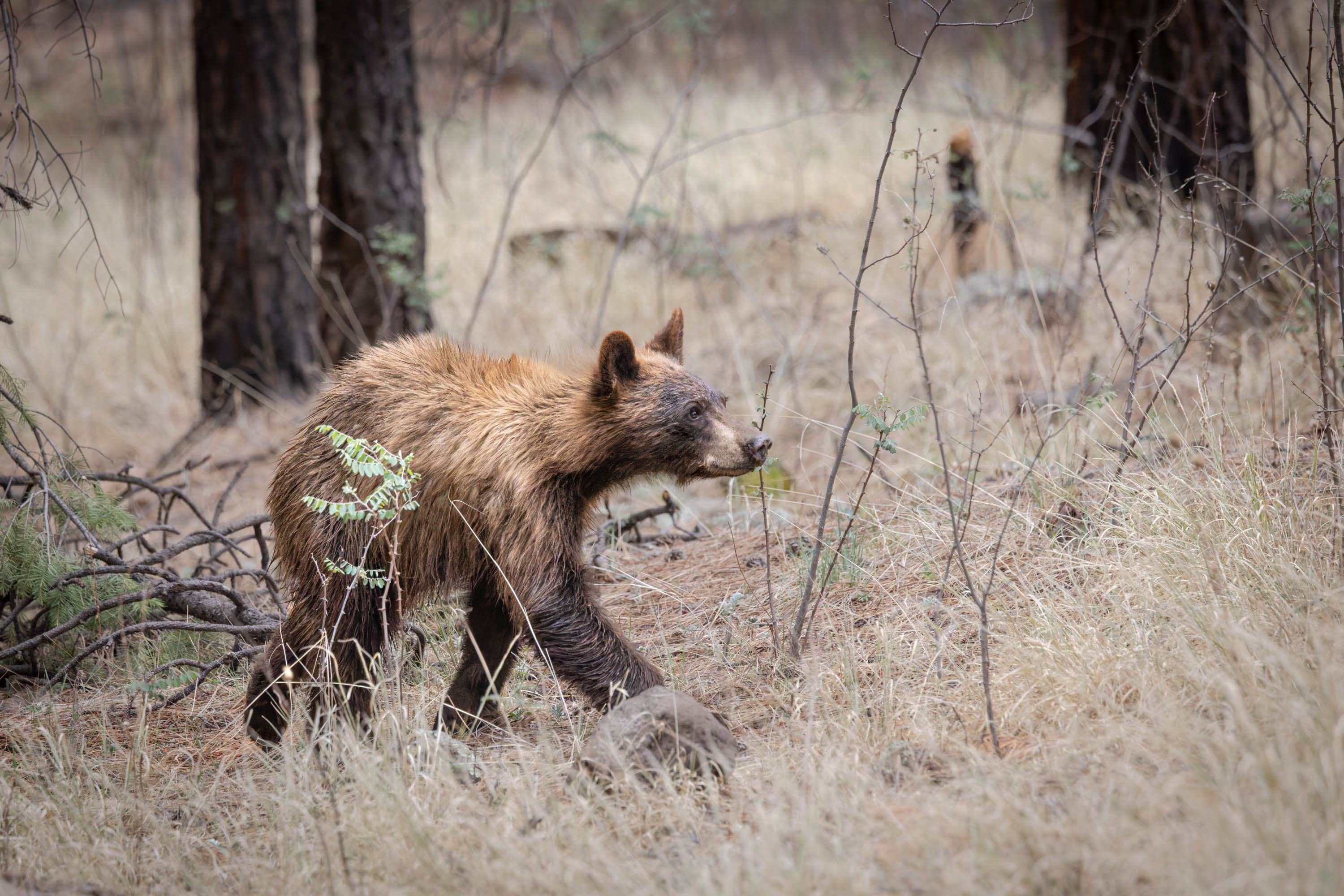
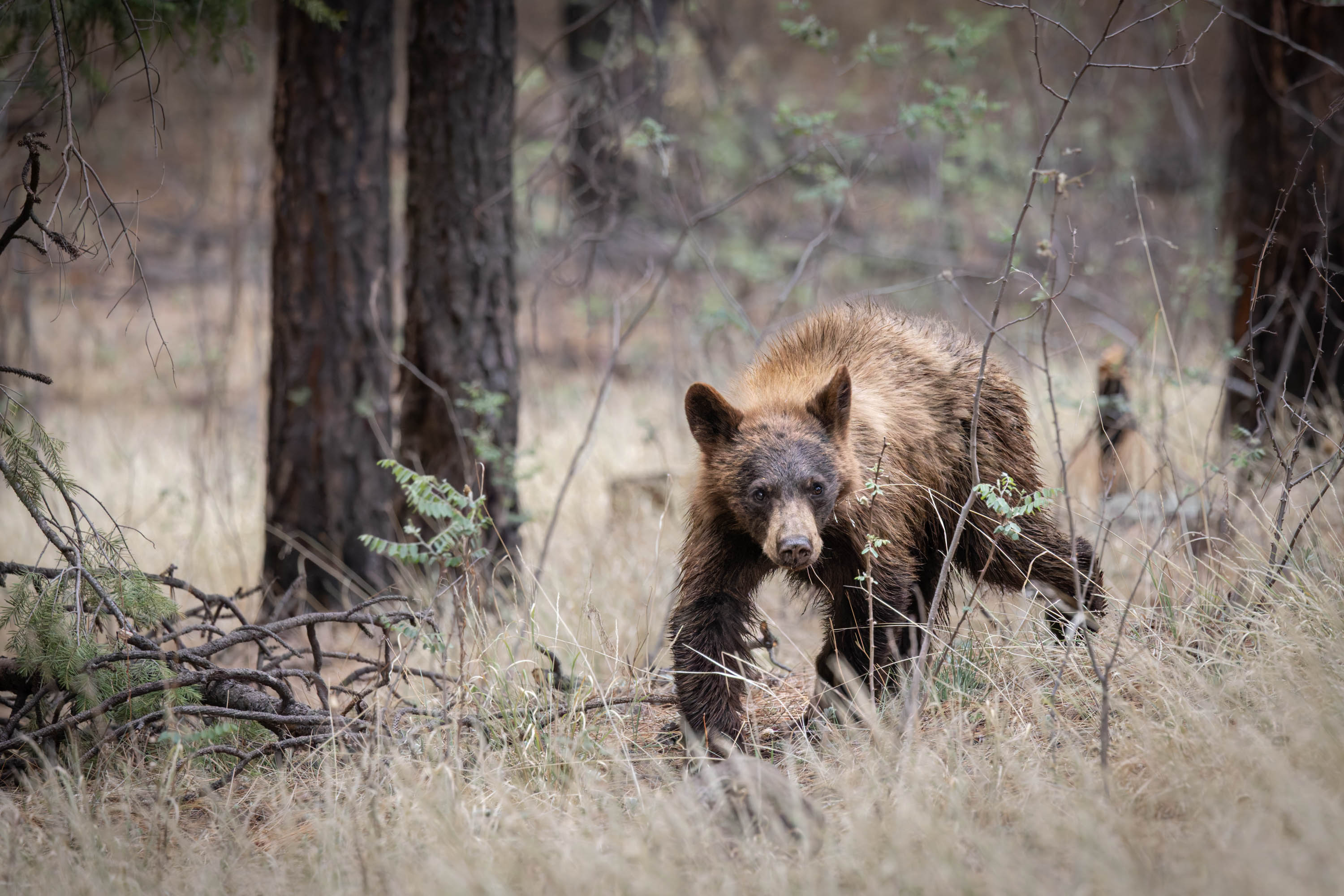
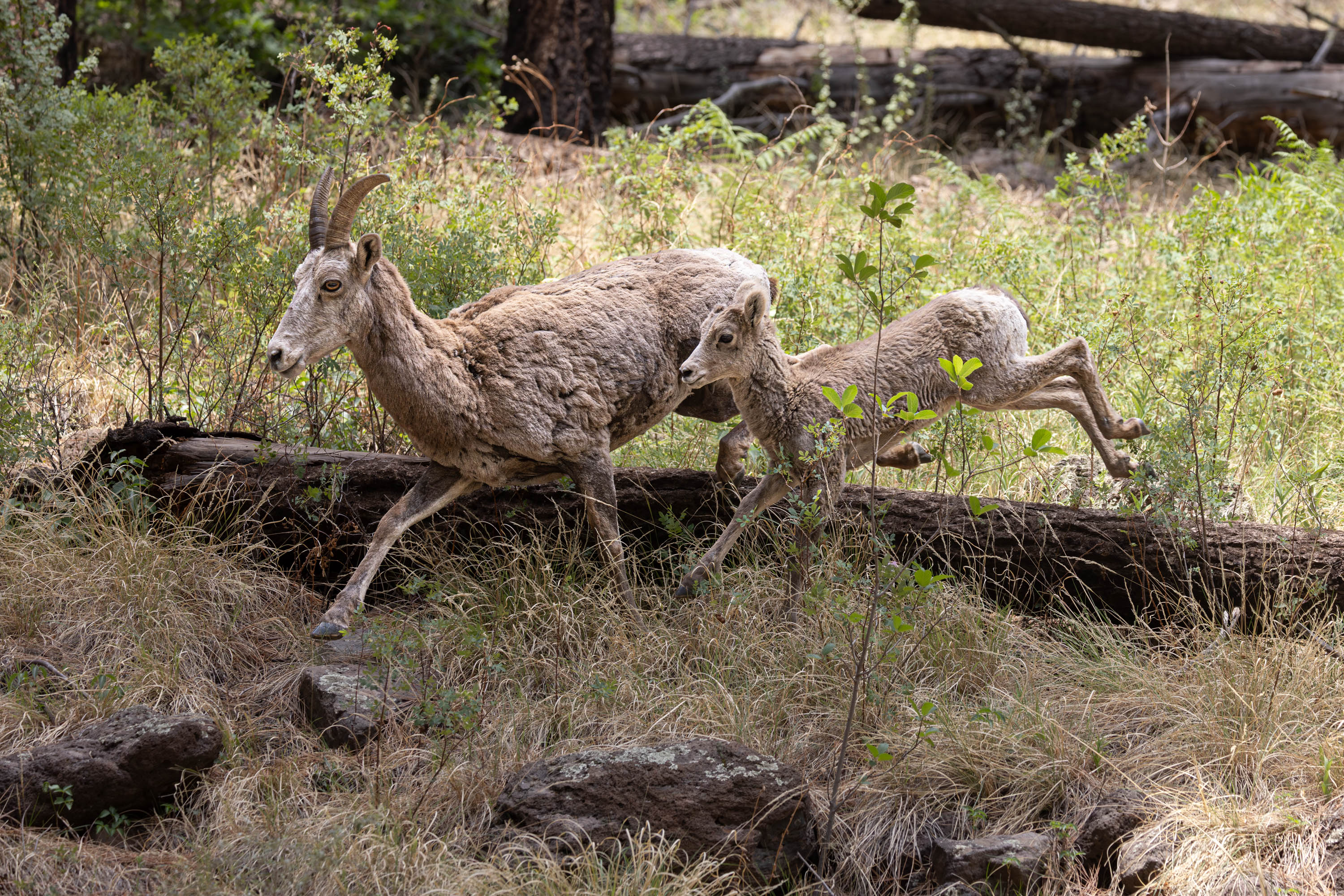
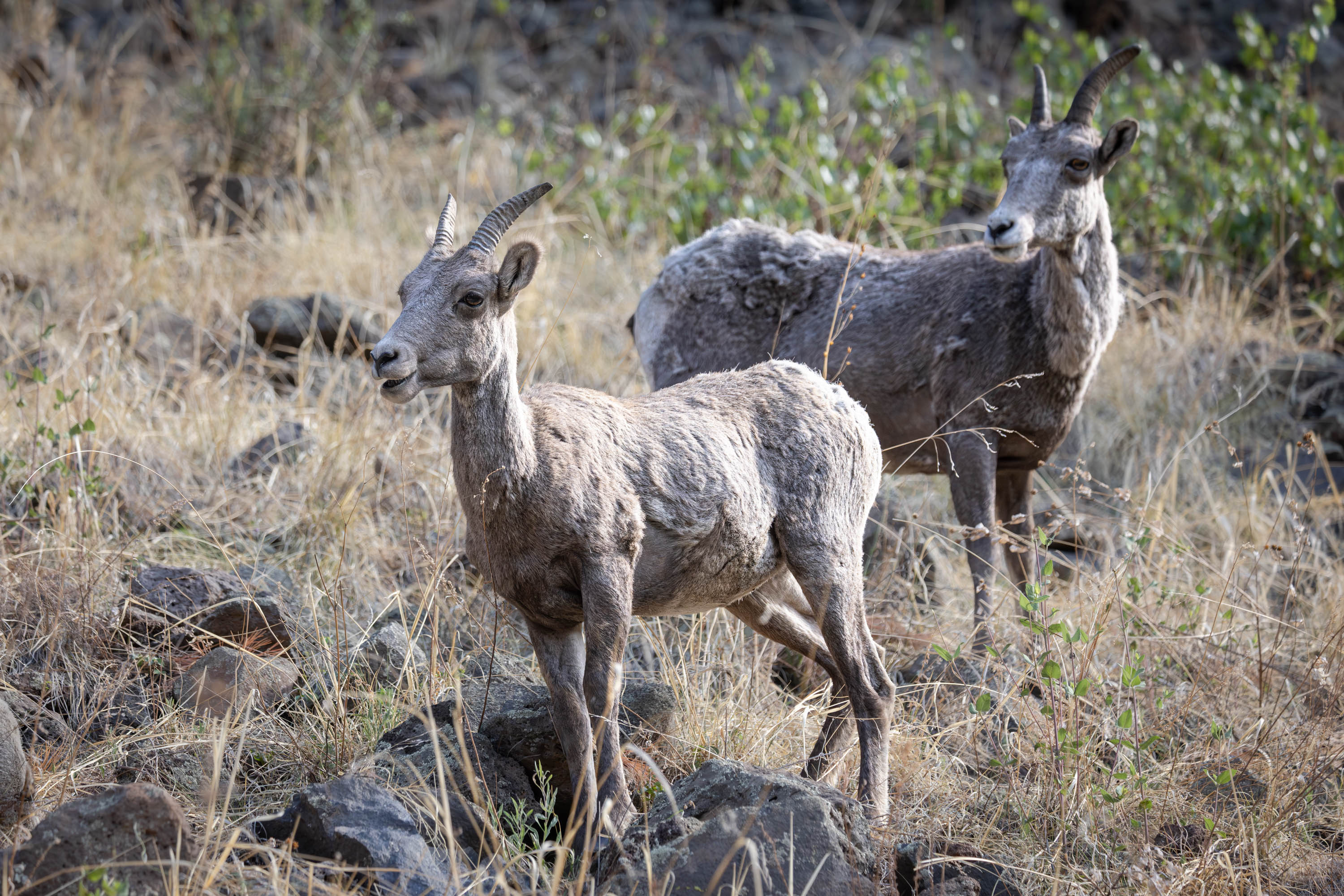
We saw black bear, skunk, deer, elk, beaver, long tail weasel, and big horn sheep.
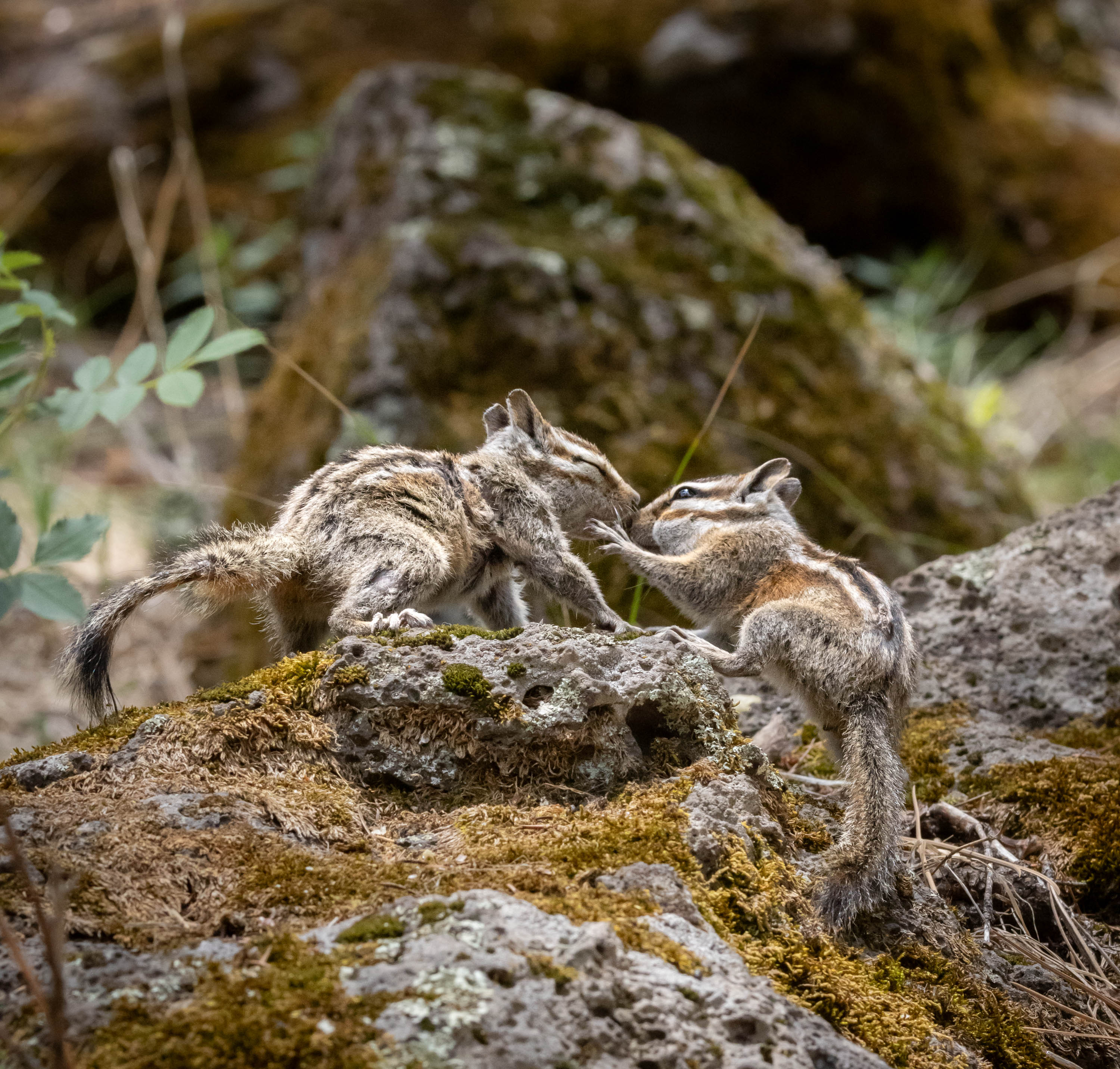
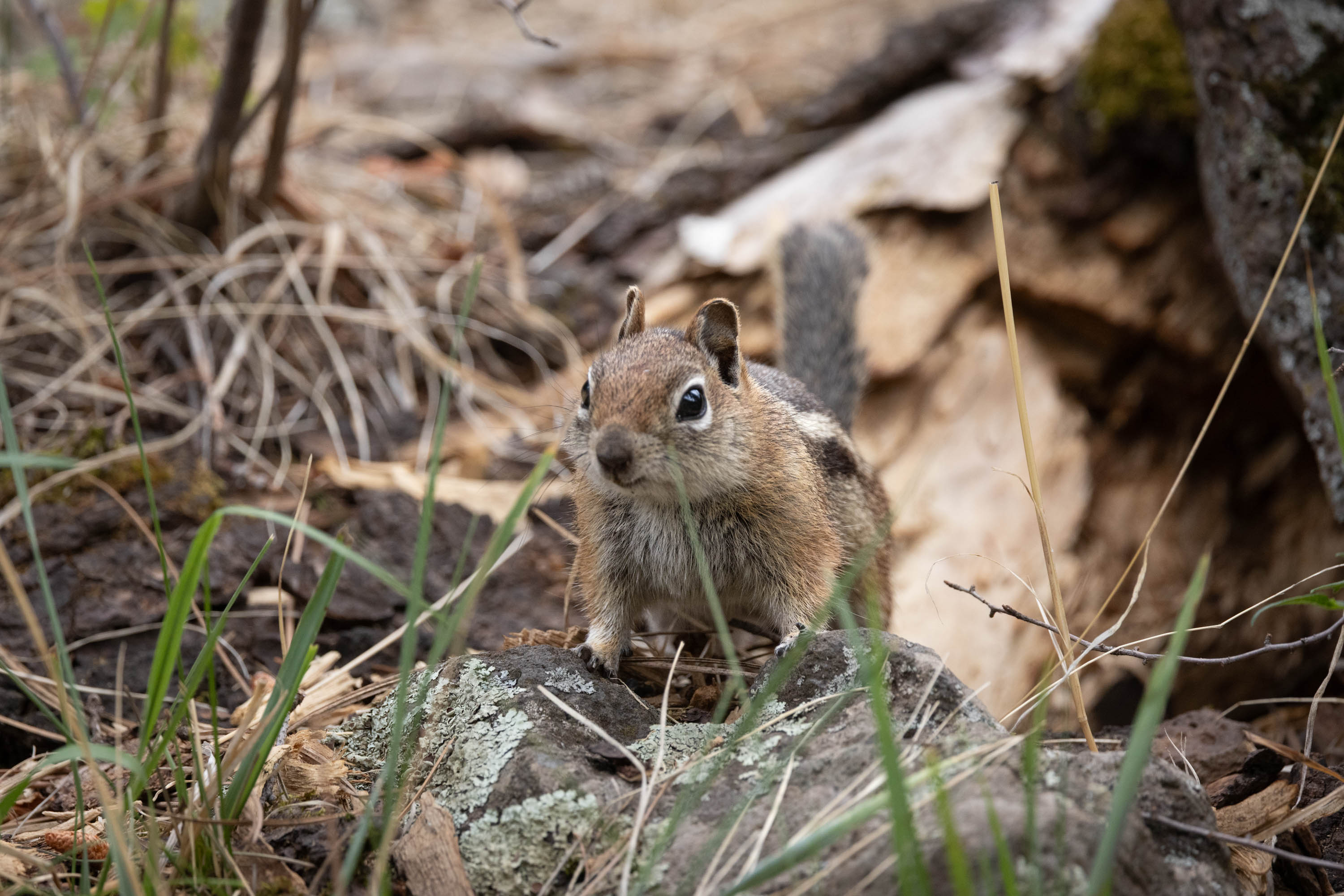
We saw varieties of chipmunk, squirrel, blue heron, bald eagle, osprey, and turkey.
The animals are out, looking for food and water, where they are hard to find without our normal precipitation.
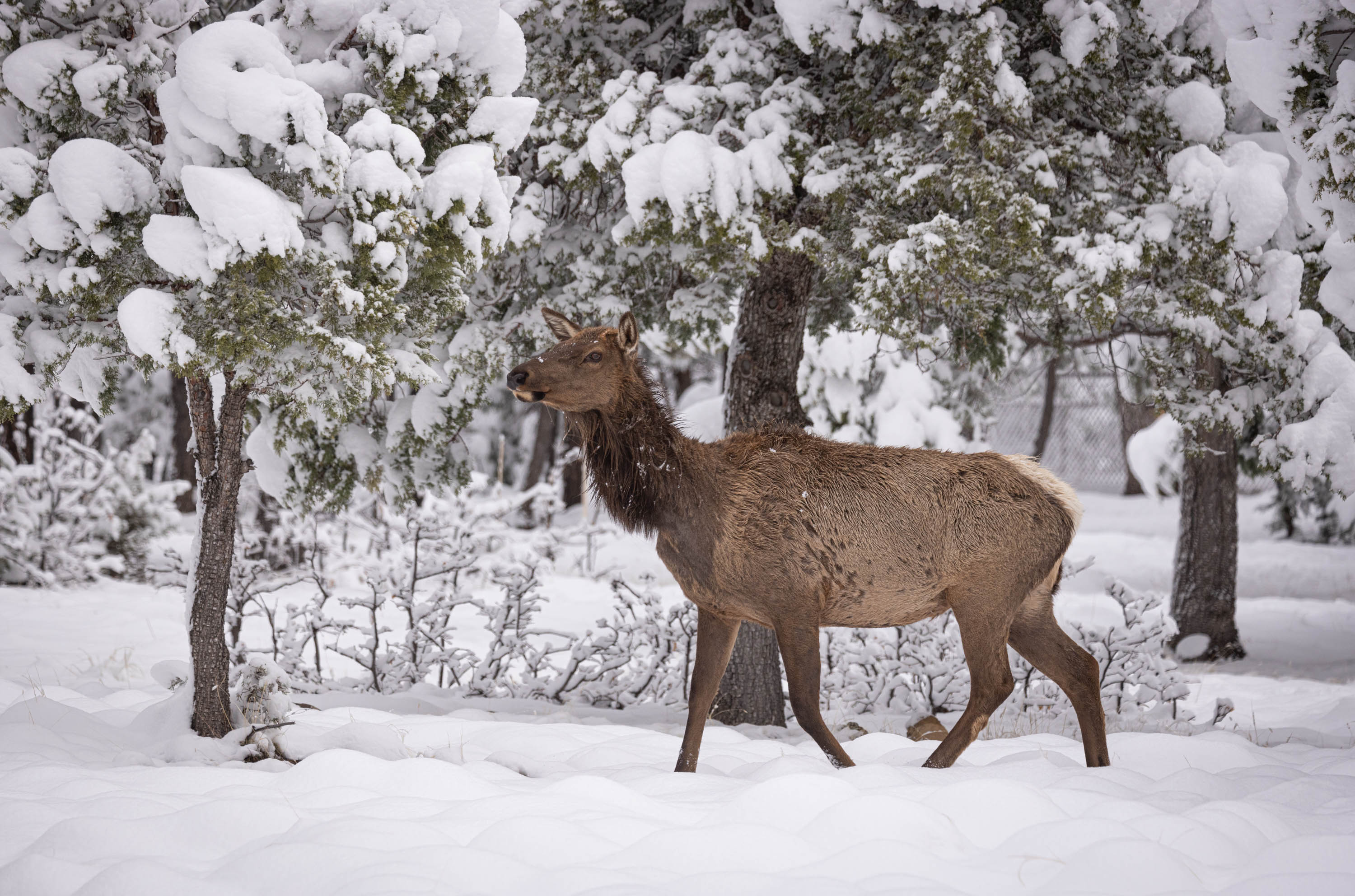
When it snows, we get going. Before it has a chance to melt we are out and about first thing looking for good light, great snow shots, and animals in the snow.
It’s pretty common for animals to hunker down during a snowfall. Once it’s over, they are out foraging for food. And we are keen to find them.
When I told a photographer friend that I actually just drove around looking for animals, he looked at me as if I was mad. I confess it takes a lot of time, and we spend a lot of time doing it. Sometimes you get lucky and it pays dividends.
After awhile though, you do find spots that tend to be more fruitful for different animals. I know where to look for antelope, eagles, osprey, and elk. It is WILD-life so nothing is predictable, but repeated outings make me more consistently ‘lucky’.
We left early, just as the sun started breaking the horizon (about 6:30am) and wandered around for hours.
Honestly, it’s rewarding just to be out in the beauty of nature. I never used to like snow, but have come to appreciate and enjoy the gorgeous fresh snow clinging to the trees and blanketing the forest. When I see the animals emerging from them, I appreciate that this is their gorgeous home that we live in together.
Living in Northern Arizona, Southeastern Arizona is a bit of a trek for us. This area is home to a lot of undiscovered (by us) territory to explore, and worth spending some time to get to know better.
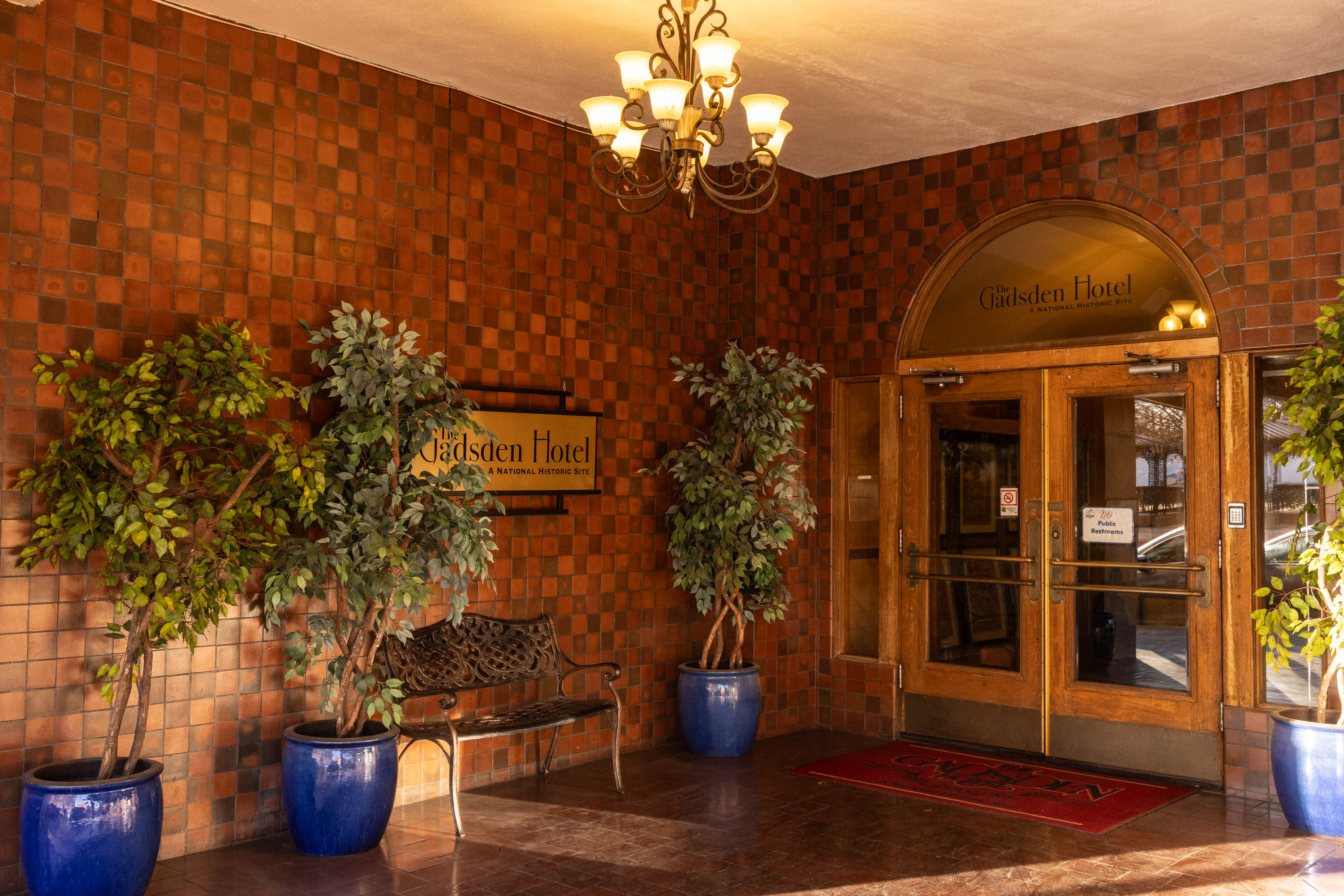
We started our trip in Douglas, just North of the Mexican border, at a place that many have suggested we go to see the fantastic stained glass, Gadsen Hotel.
The Gadsen Hotel was originally built in 1907 and named after the Gadsen purchase of the territory as a railroad opportunity. The hotel burnt down in 1928, but was rebuilt over the next two years and reopened in 1930.
We found the hotel displayed it’s opulence and elegance of a time gone by with grandeur. Wood and marble finishings throughout, marble pillars and large stained glass embellished the gorgeous hotel.
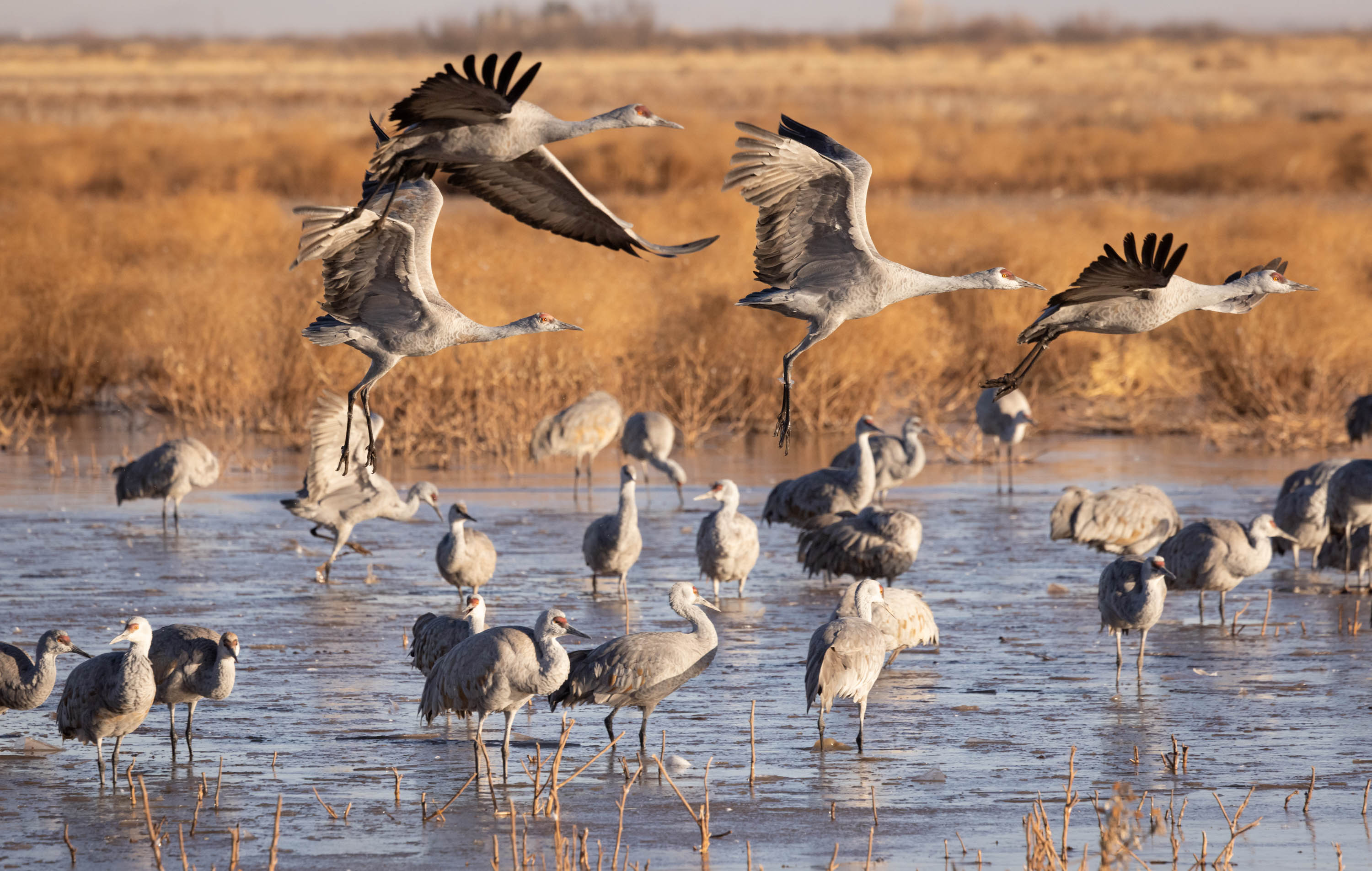
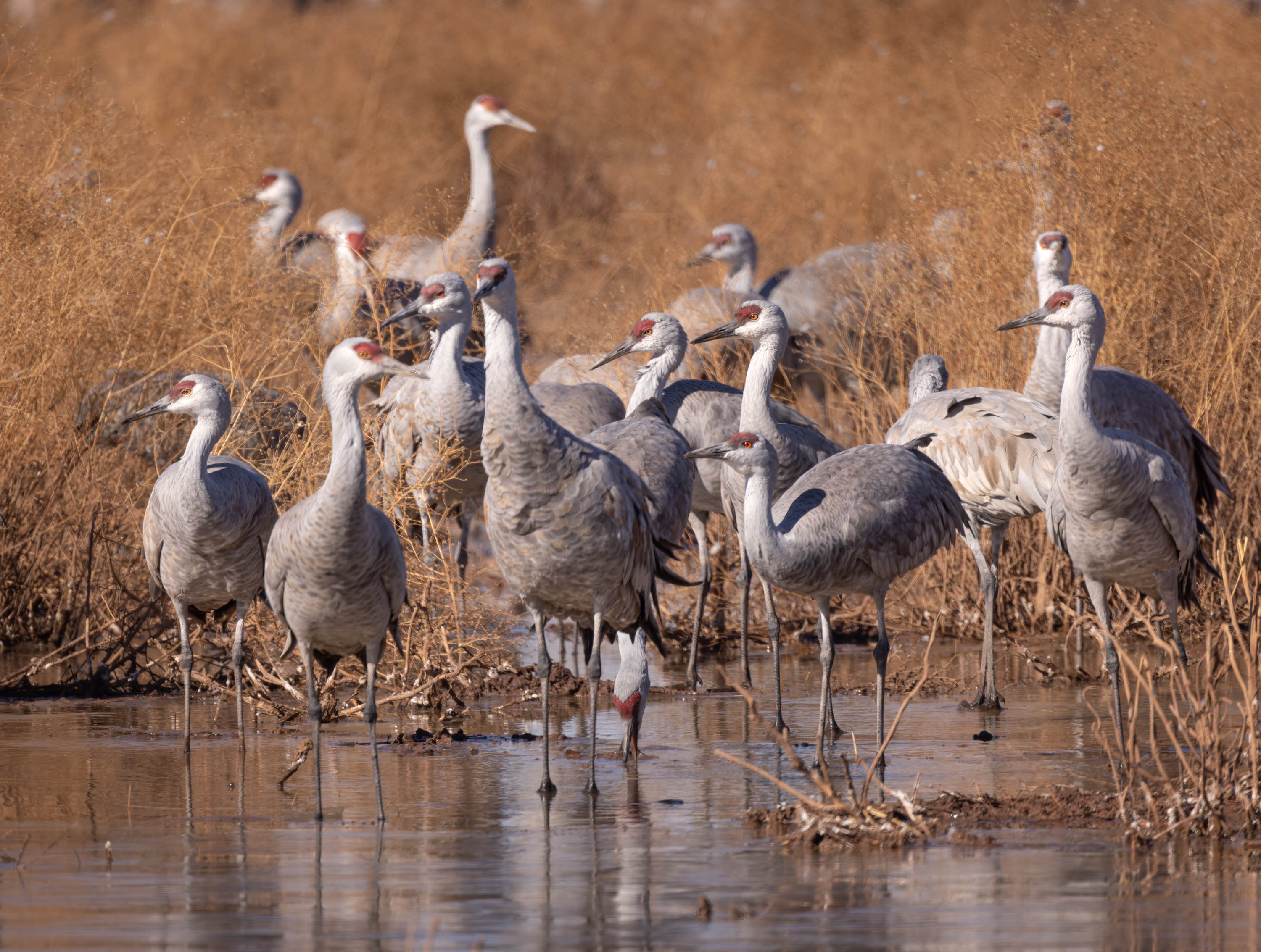
From our fun stay in this historic hotel, we headed Northwest to Whitewater Draw. A place we have now been to several times to witness the sandhill crane migration.
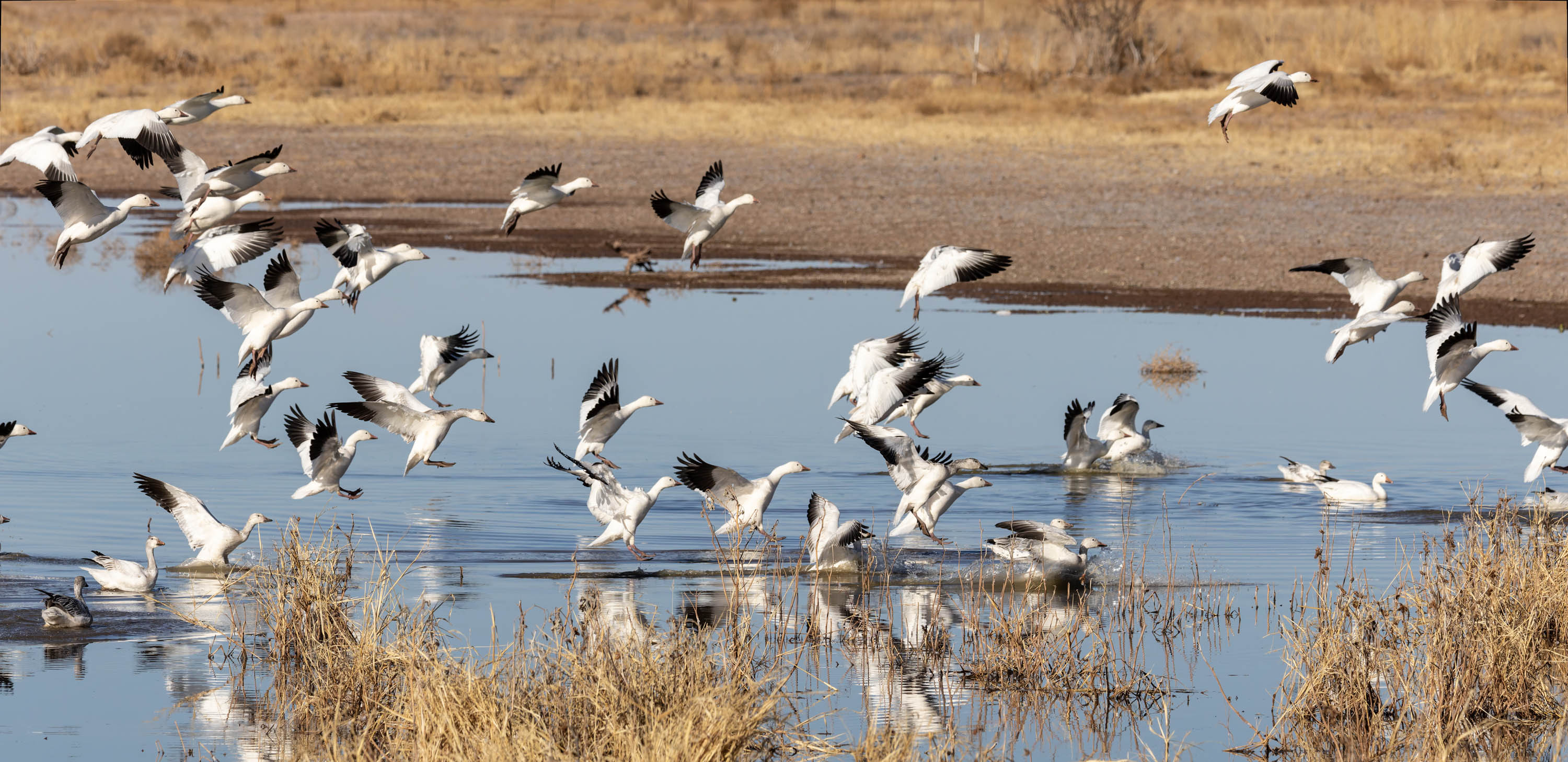
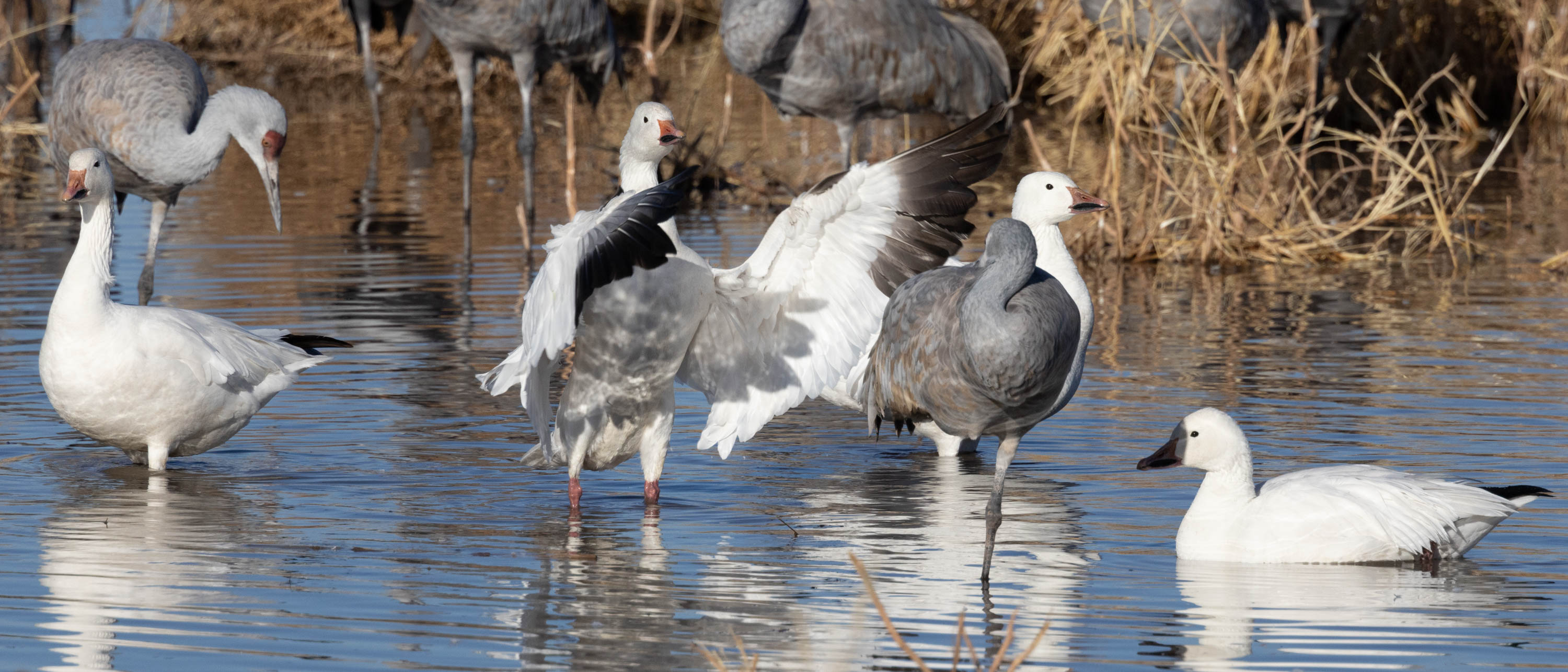
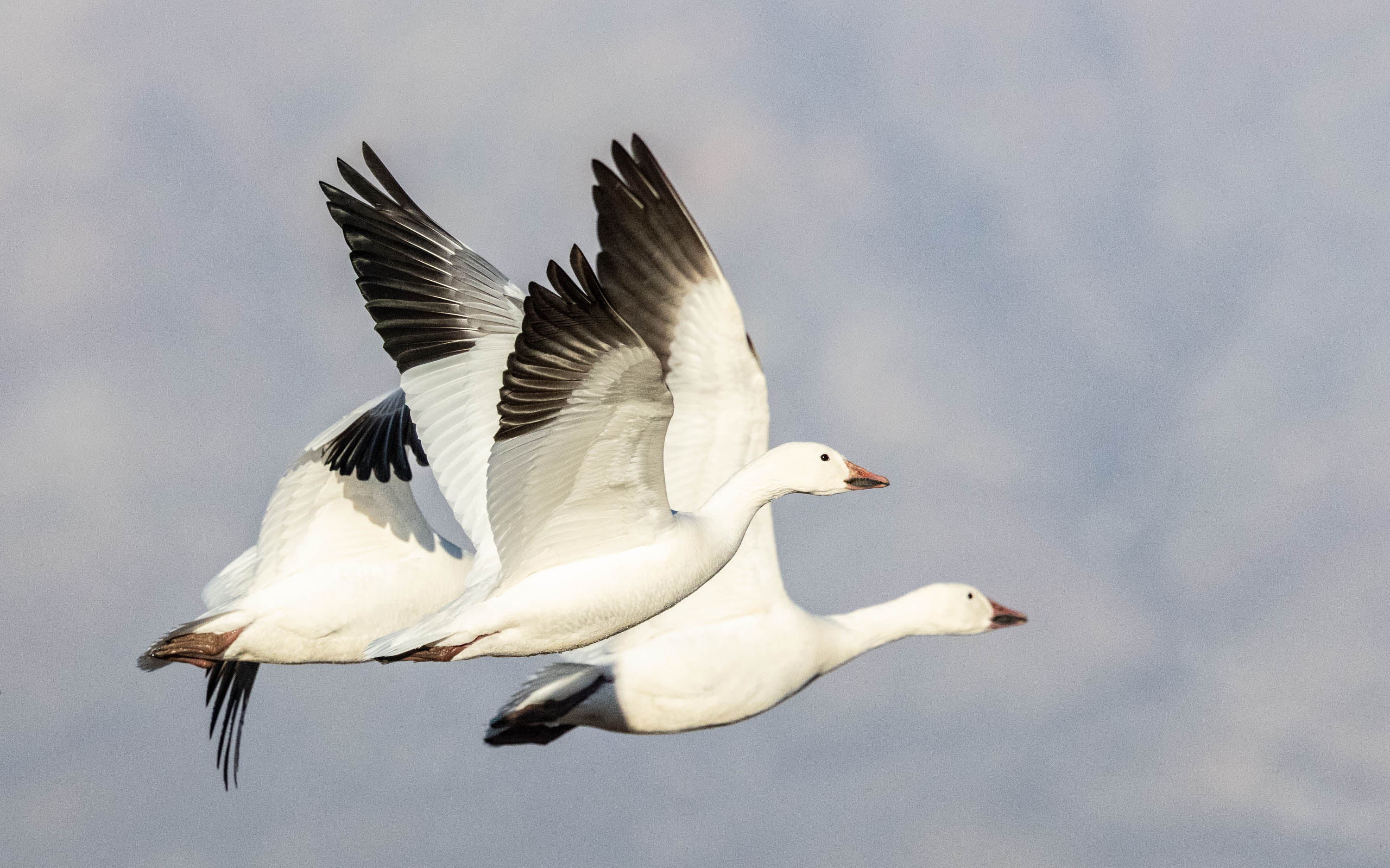
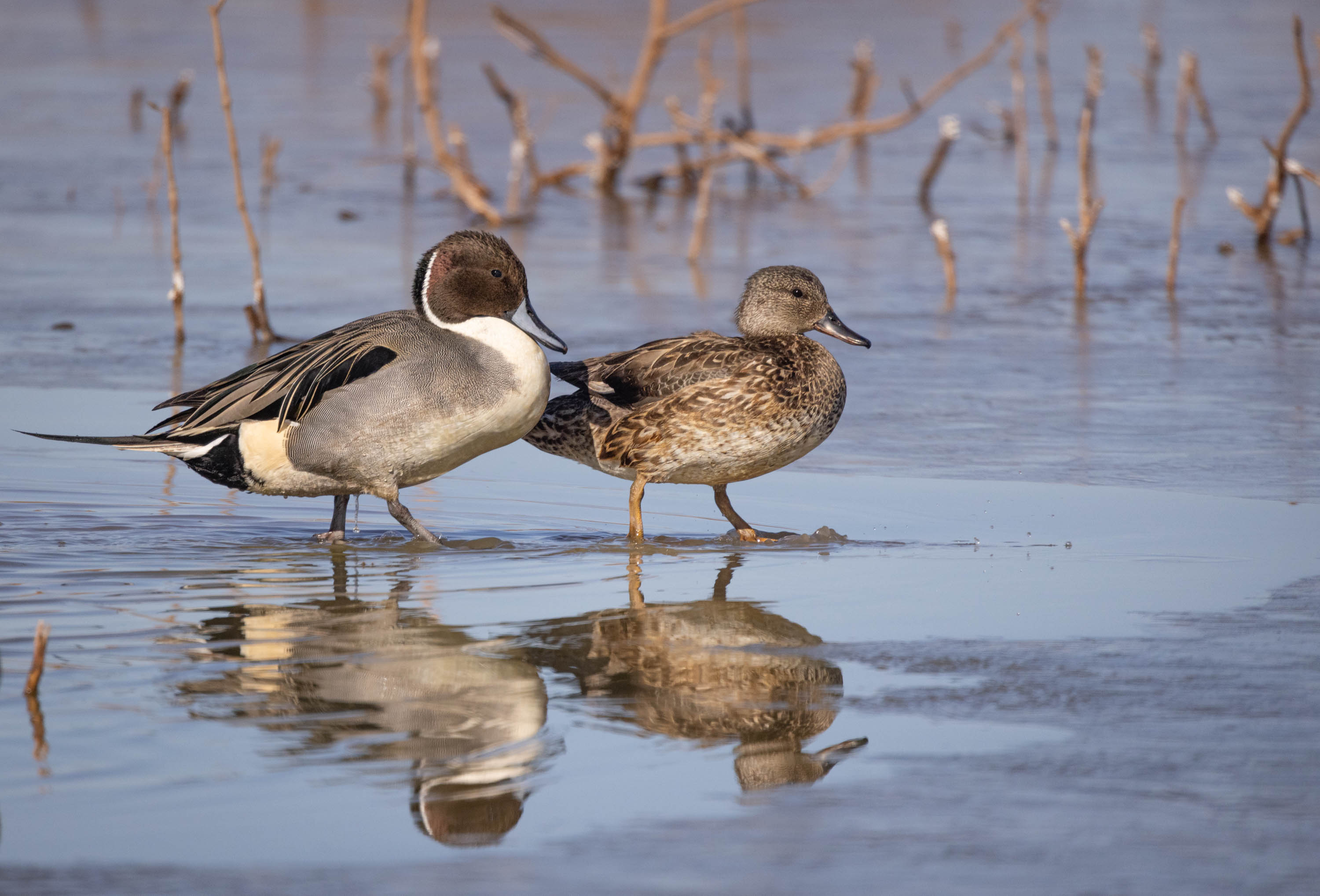
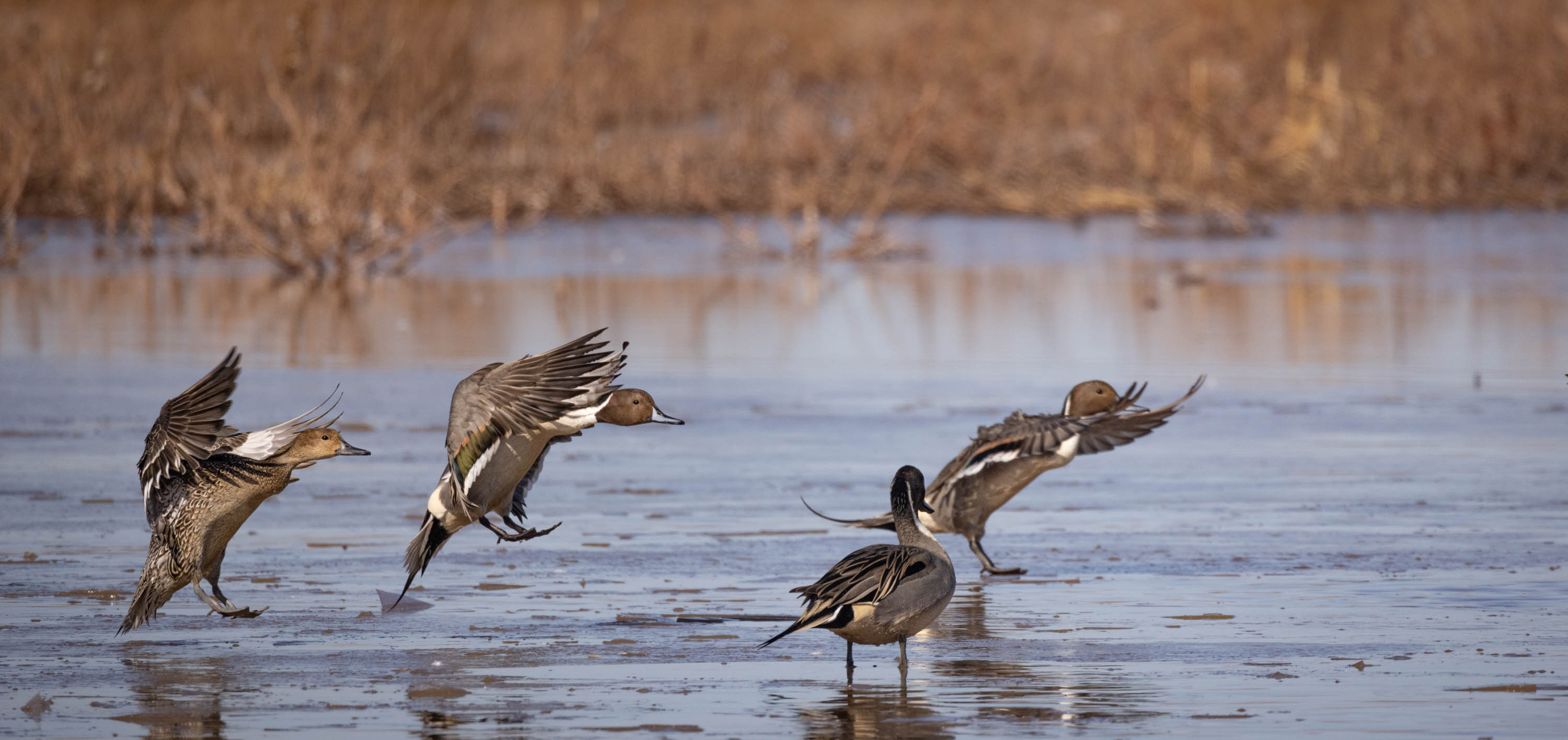
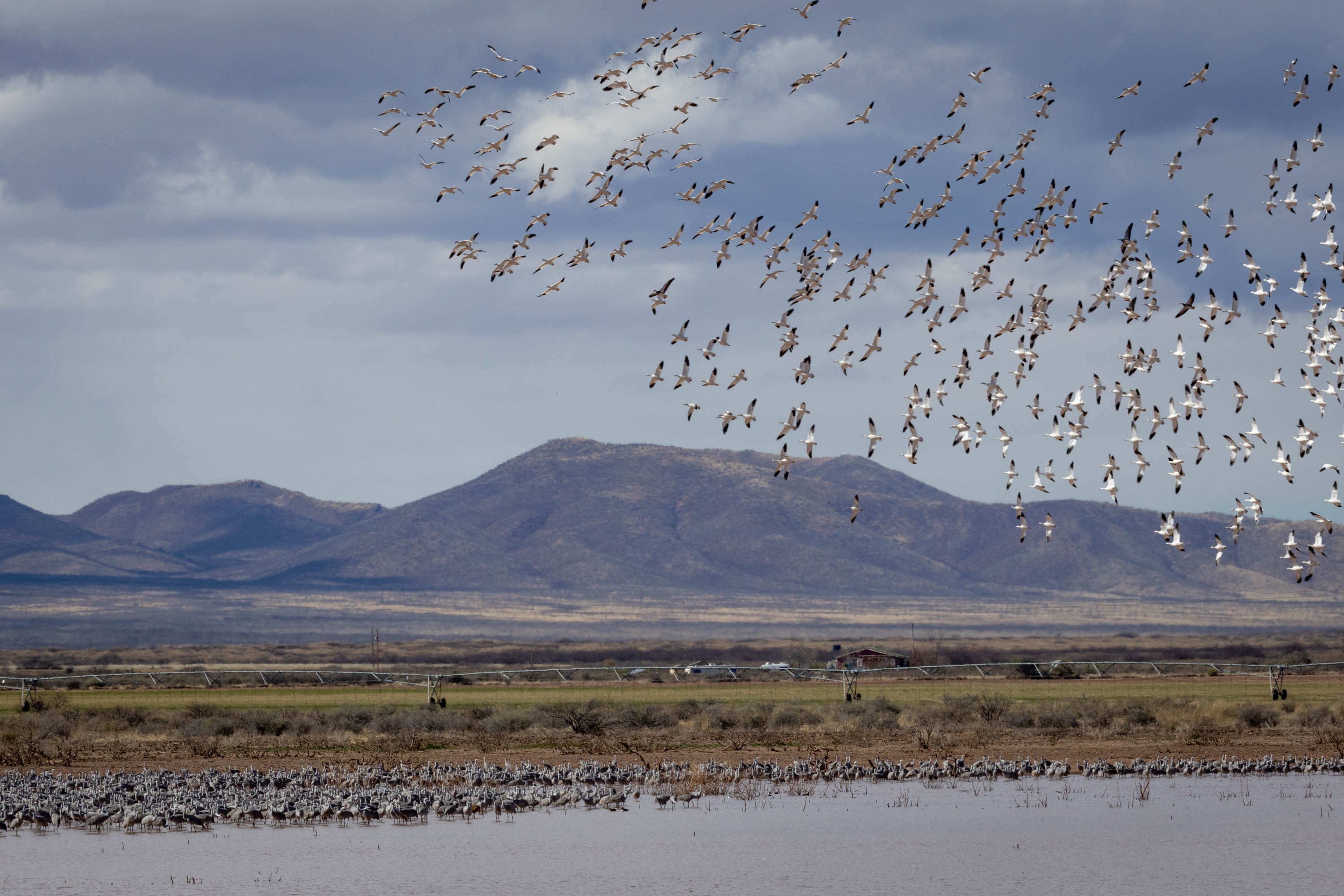
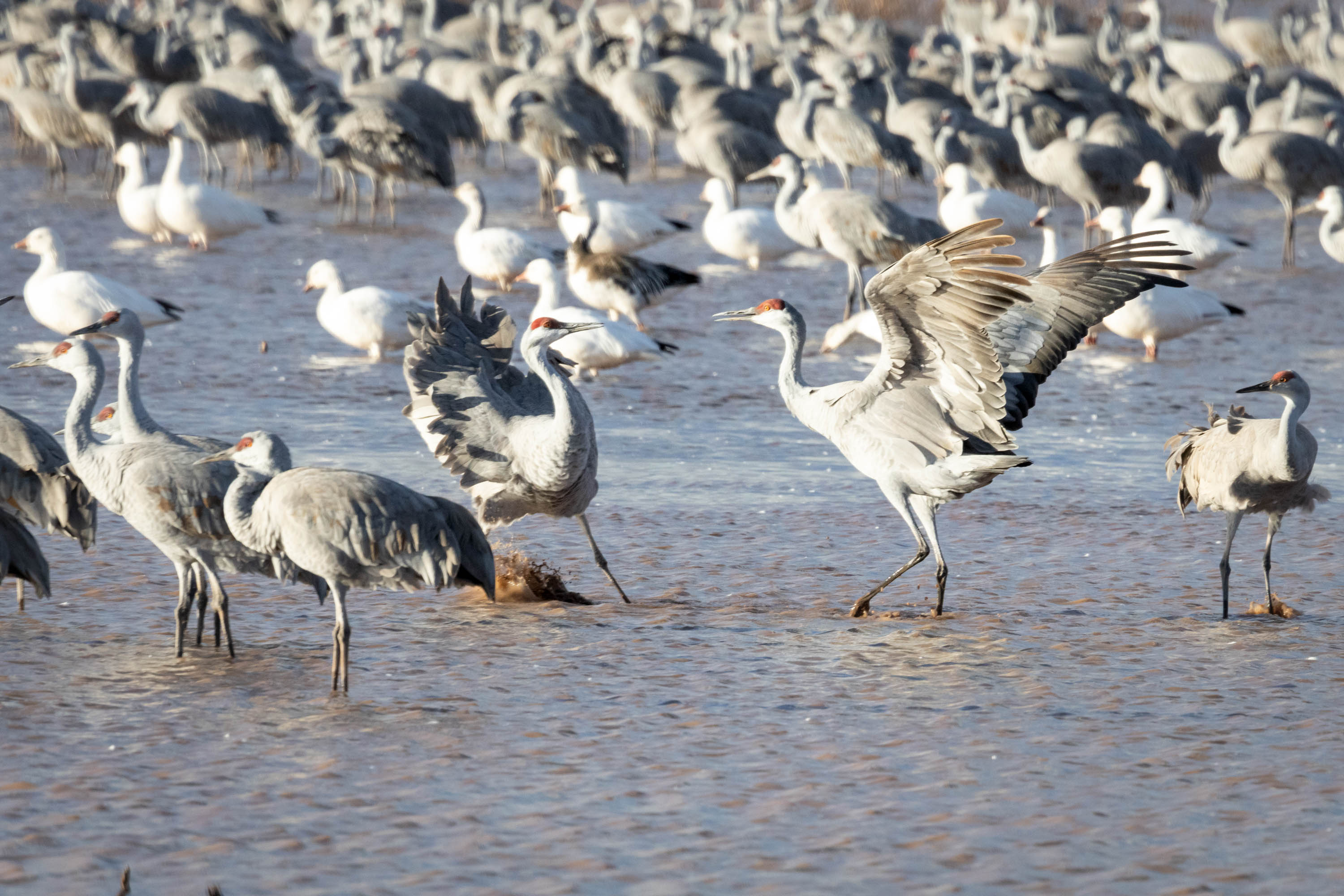
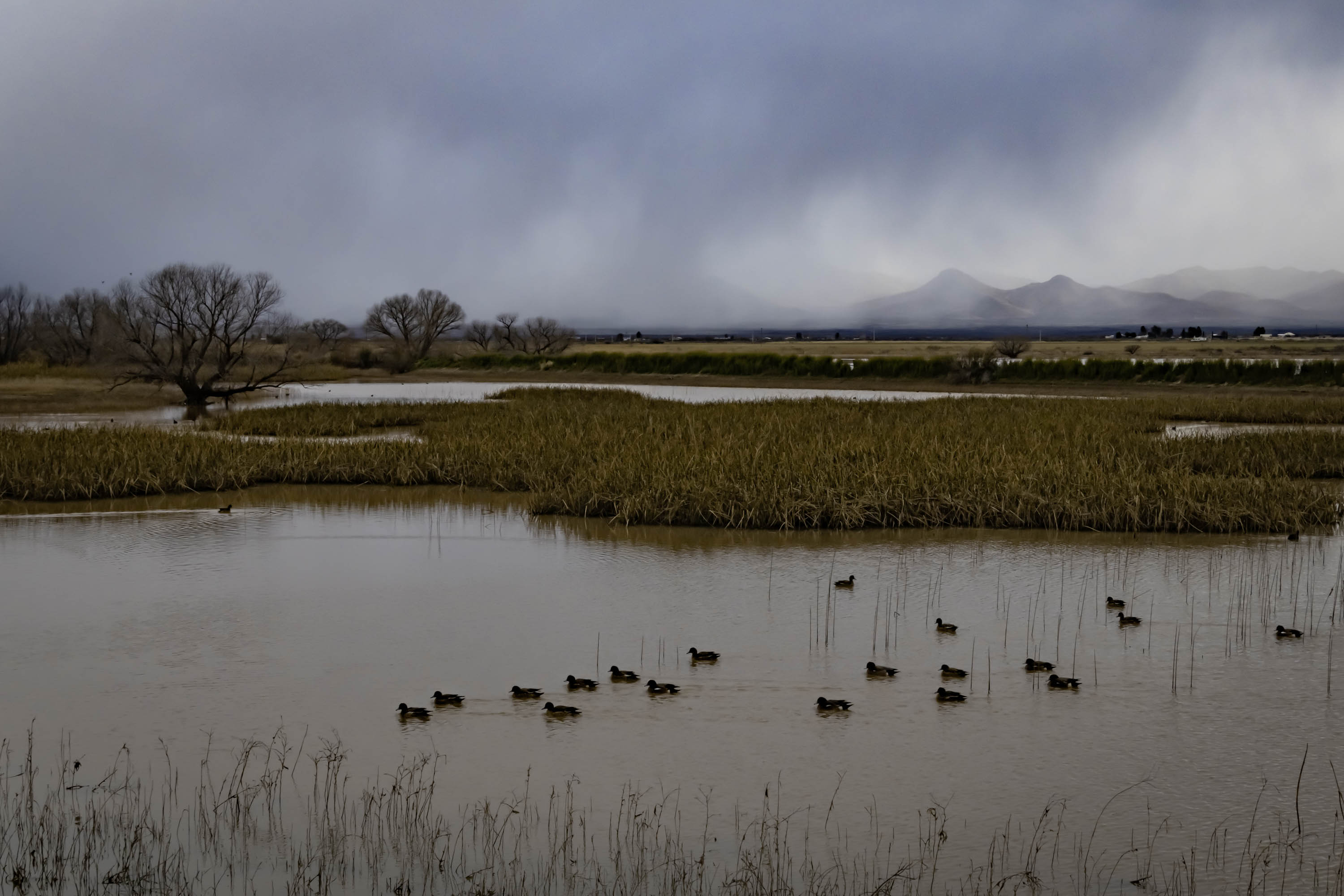
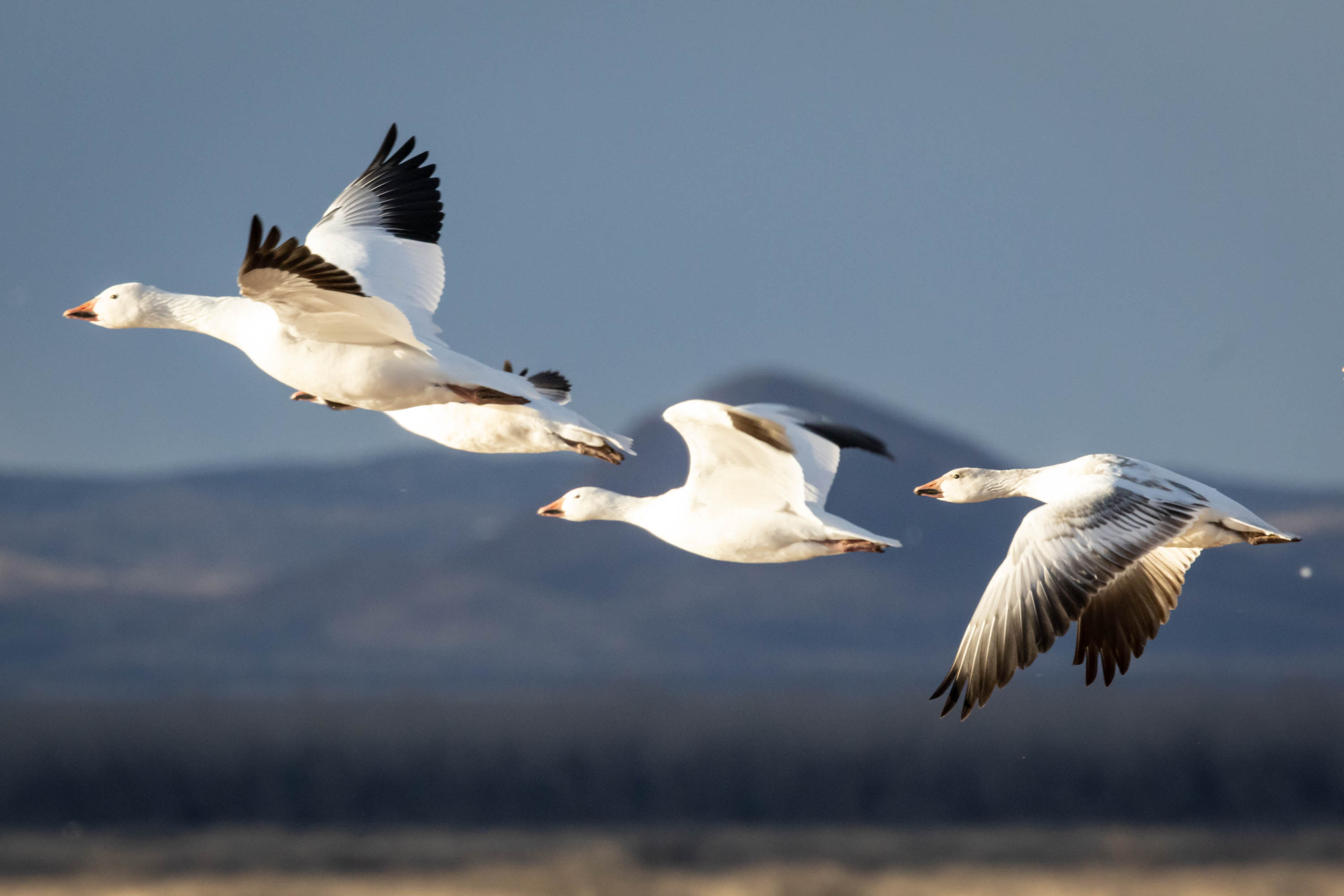
We enjoyed watching the snow geese and pintail ducks navigate the pools of water interspersed with sandhill cranes.
Whitewater Draw is not only a refuge for sandhill cranes, but for a variety of owls, hawks, ducks, numerous waterfowl and birds. For the birdwatcher and nature lover, it’s a great place to experience.
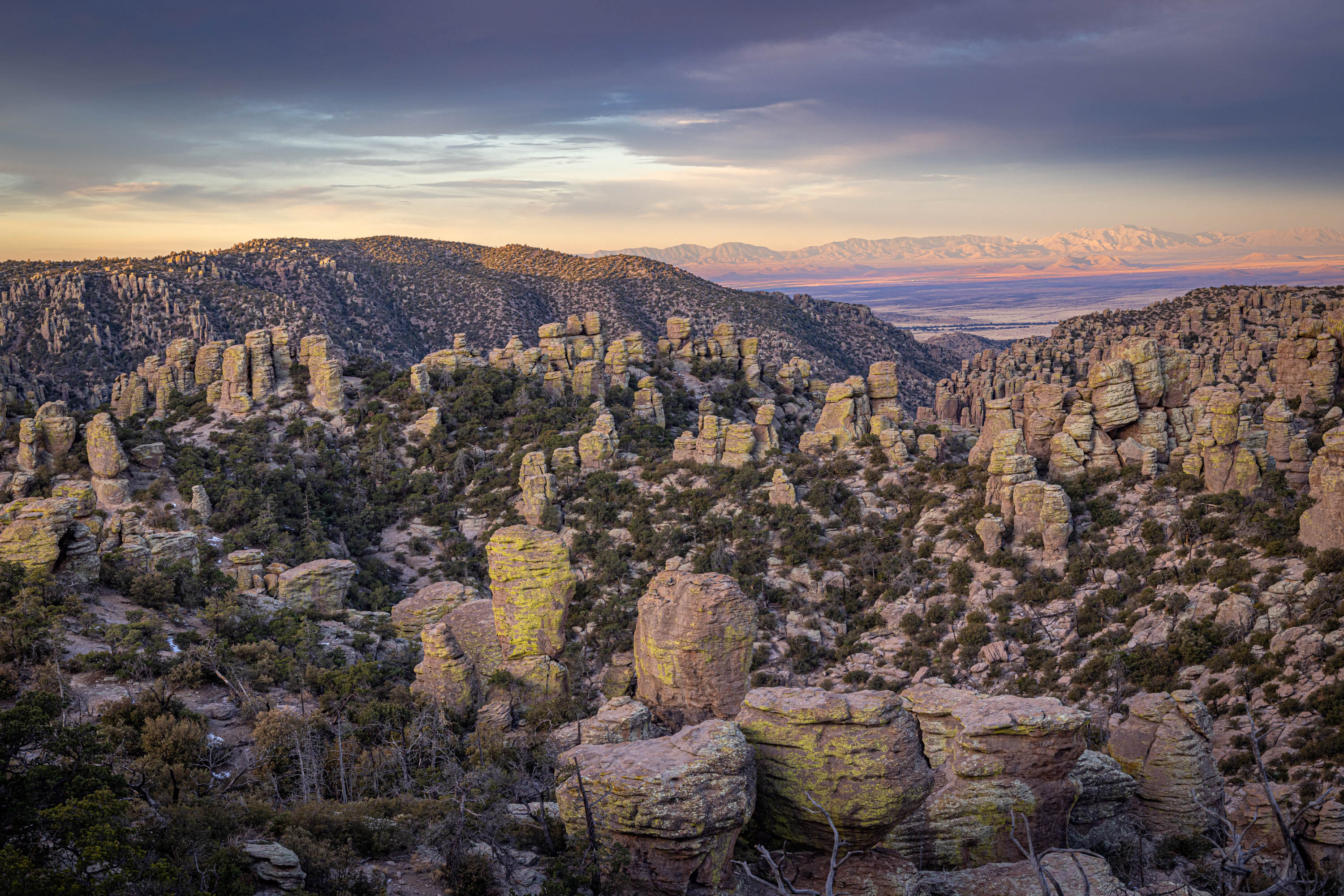
Following our immersive trip of Whitewater Draw, we headed another hour Northeast to the New Mexico border and took in the Chiricahua National Monument.
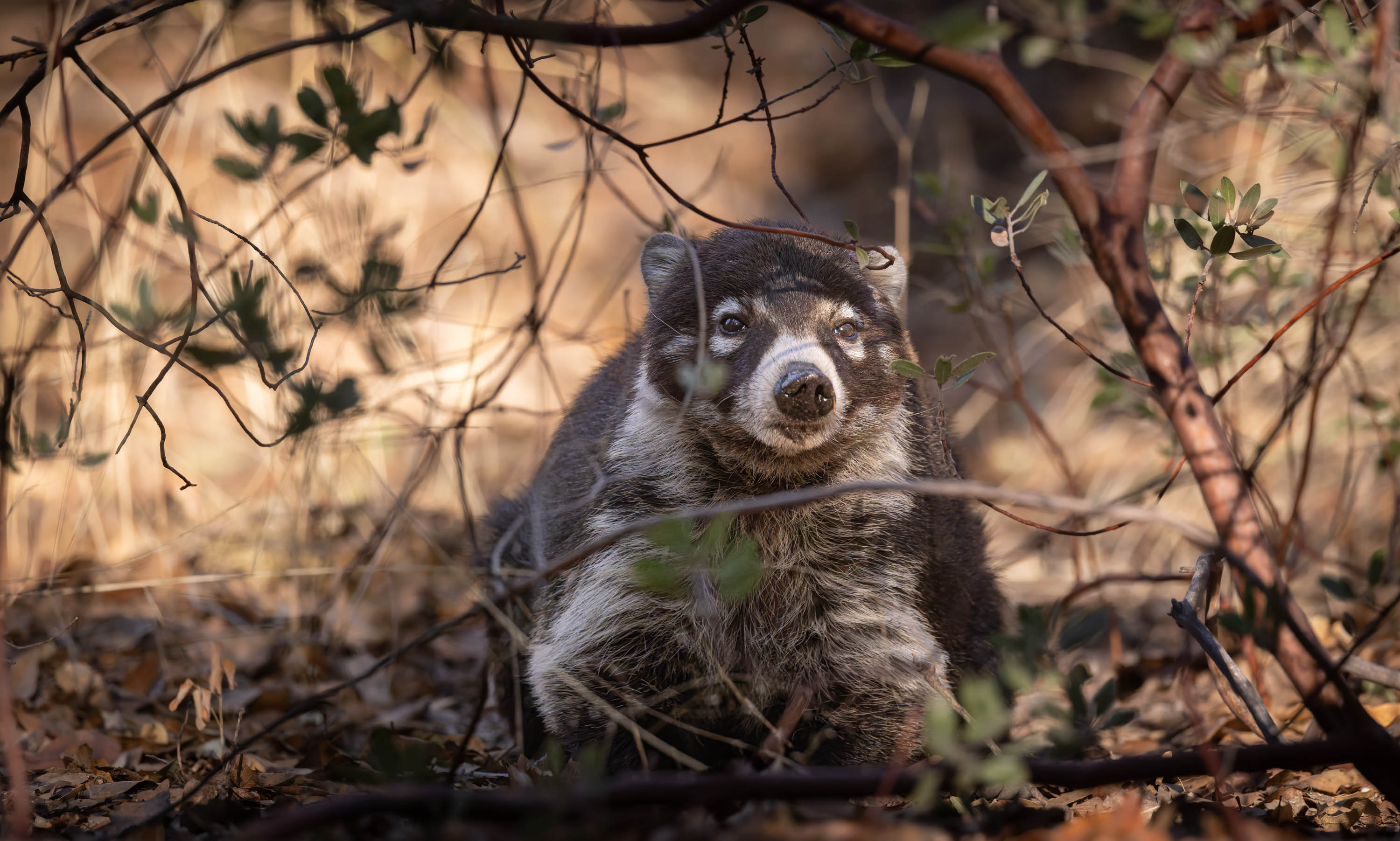
We delighted in our first coati sighting and a very pleasant stay in a nice park on the outreaches of Arizona.
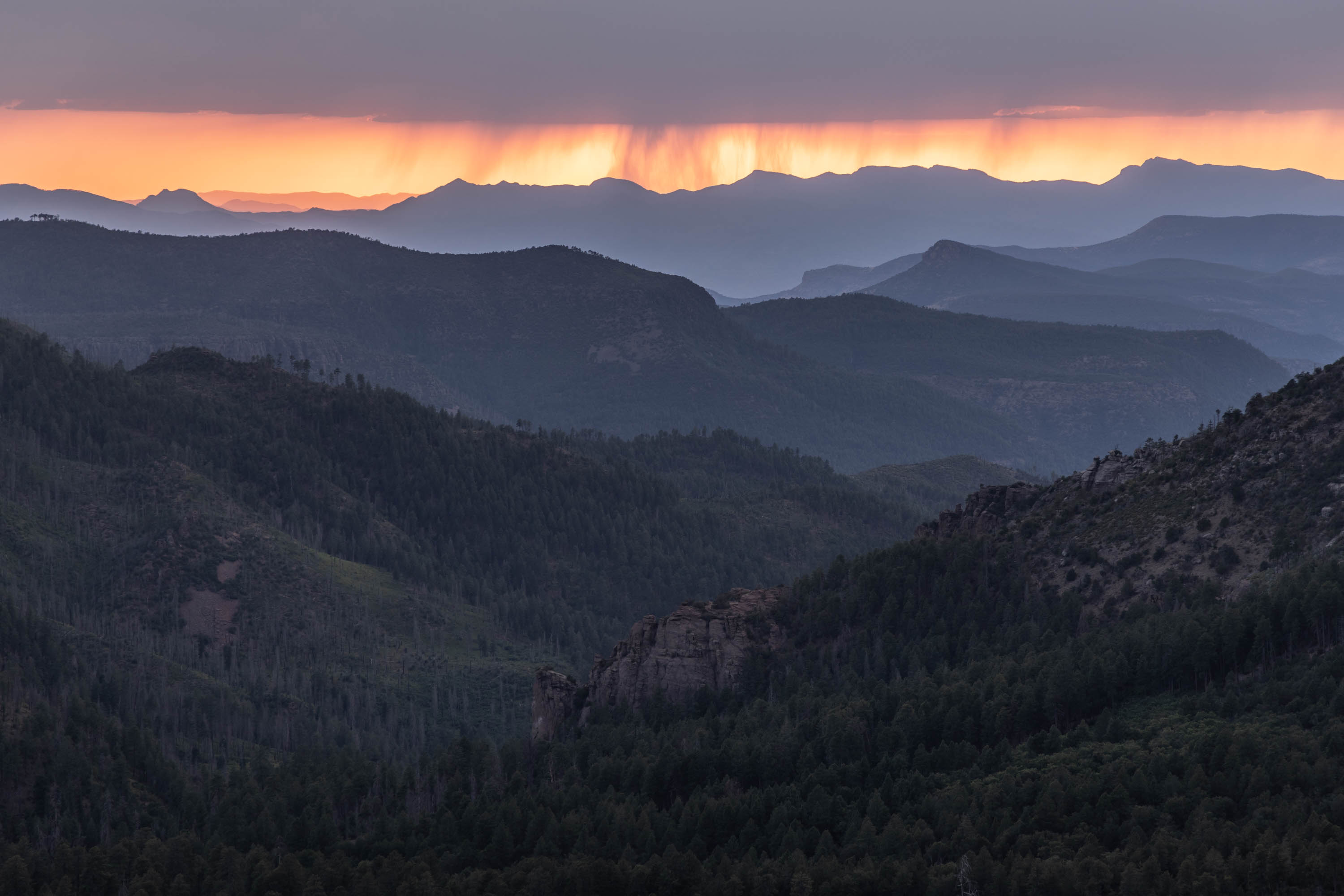
In Arizona it’s more ‘monsoon’ season than summer season.
Yes, the summer brings the ‘dry heat’ we are universally known for, but it’s the monsoons that bring the rains, wild flowers, green grass and cool things down. It’s in every conversation across the water coolers across Arizona, ‘where are our monsoons’, ‘we need some rain’.
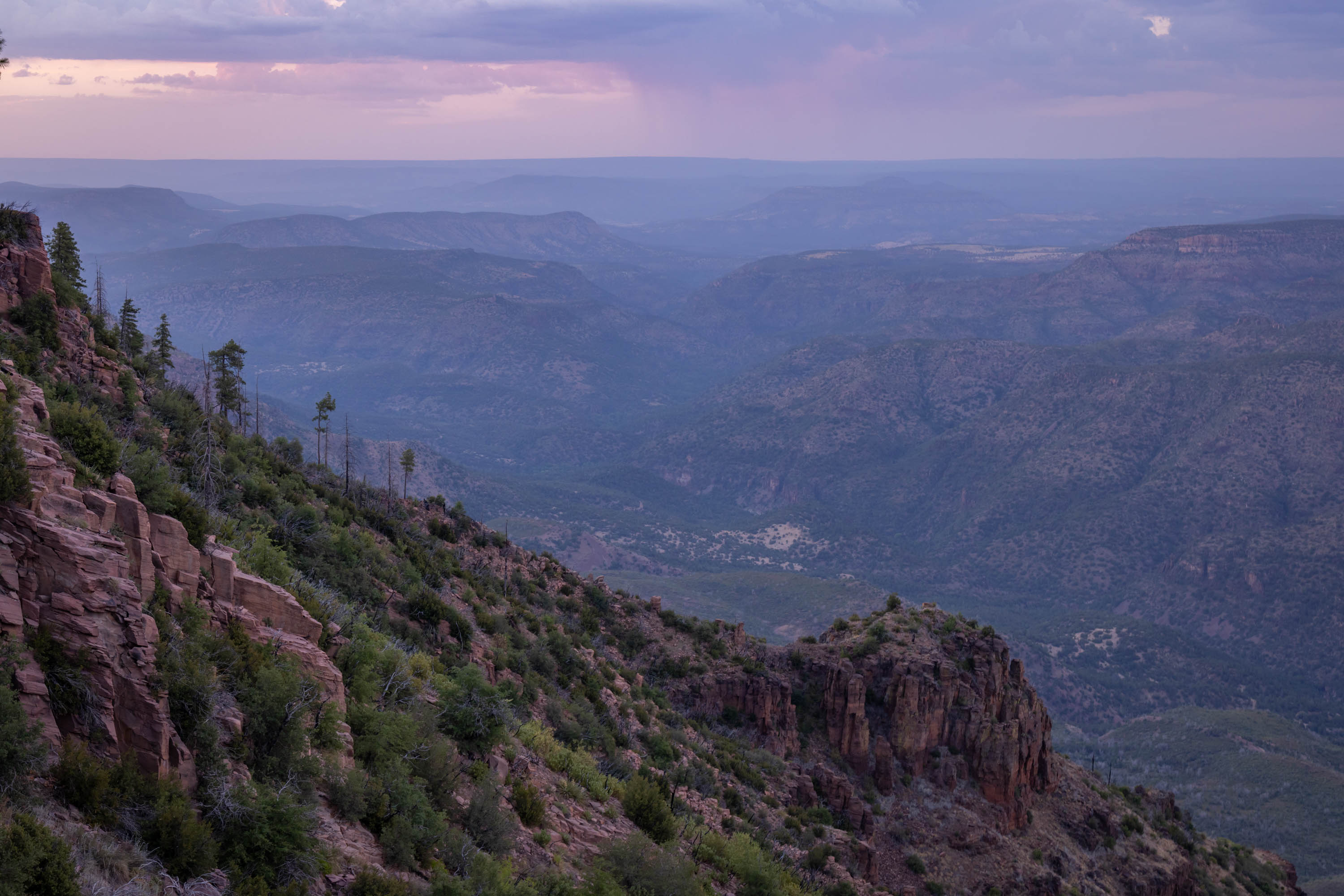
The monsoons bring much needed moisture to our forests and trees, to our gardens and landscapes. With the coveted rain also comes lightening, and fires.
As we travel across the state, we are reminded of our dry rain storms as we traverse dusty roads, thirsty oaks and brush drooping toward the ground seeking water.
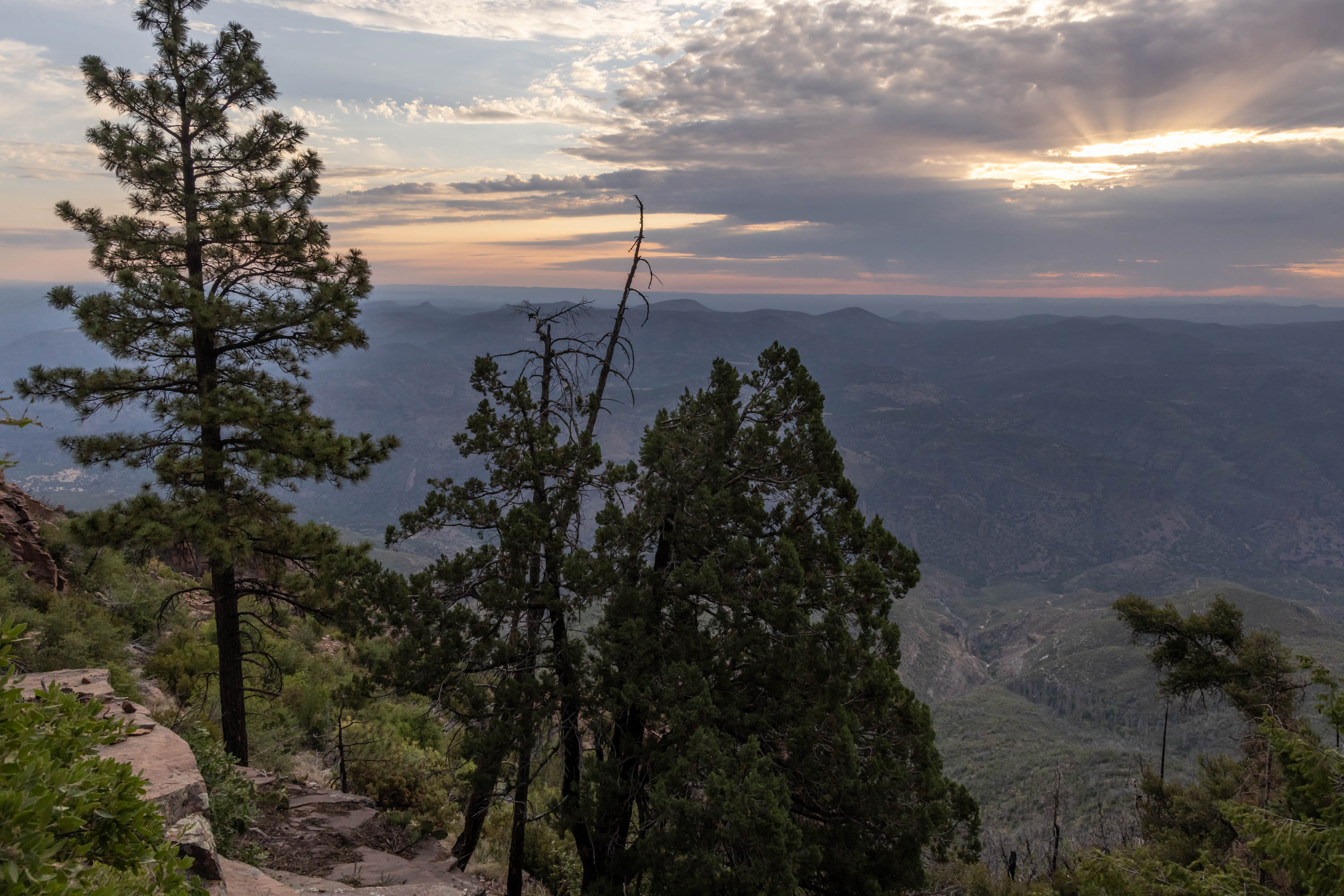
Smoke and haze rise from the horizon as lightning strikes bringing more grief than relief. Red sun-balls rise through the haze with awesome eerie sunsets and sunrises.
The new dawn rises despite the fires and the sun shines toward the horizon revealing the ghosts of fires past, surrounded by new lush green growth.
Our much needed rain and critical monsoon season is the life blood to our wilderness and her inhabitants.
Nature has amazing resilience and tenacity, despite the drought we have encountered.
While so many people are suffering through the high heat across the country, our animals are tending to their babies, looking for water and food. We love this season and watching any animals we can see to observe their behavior.
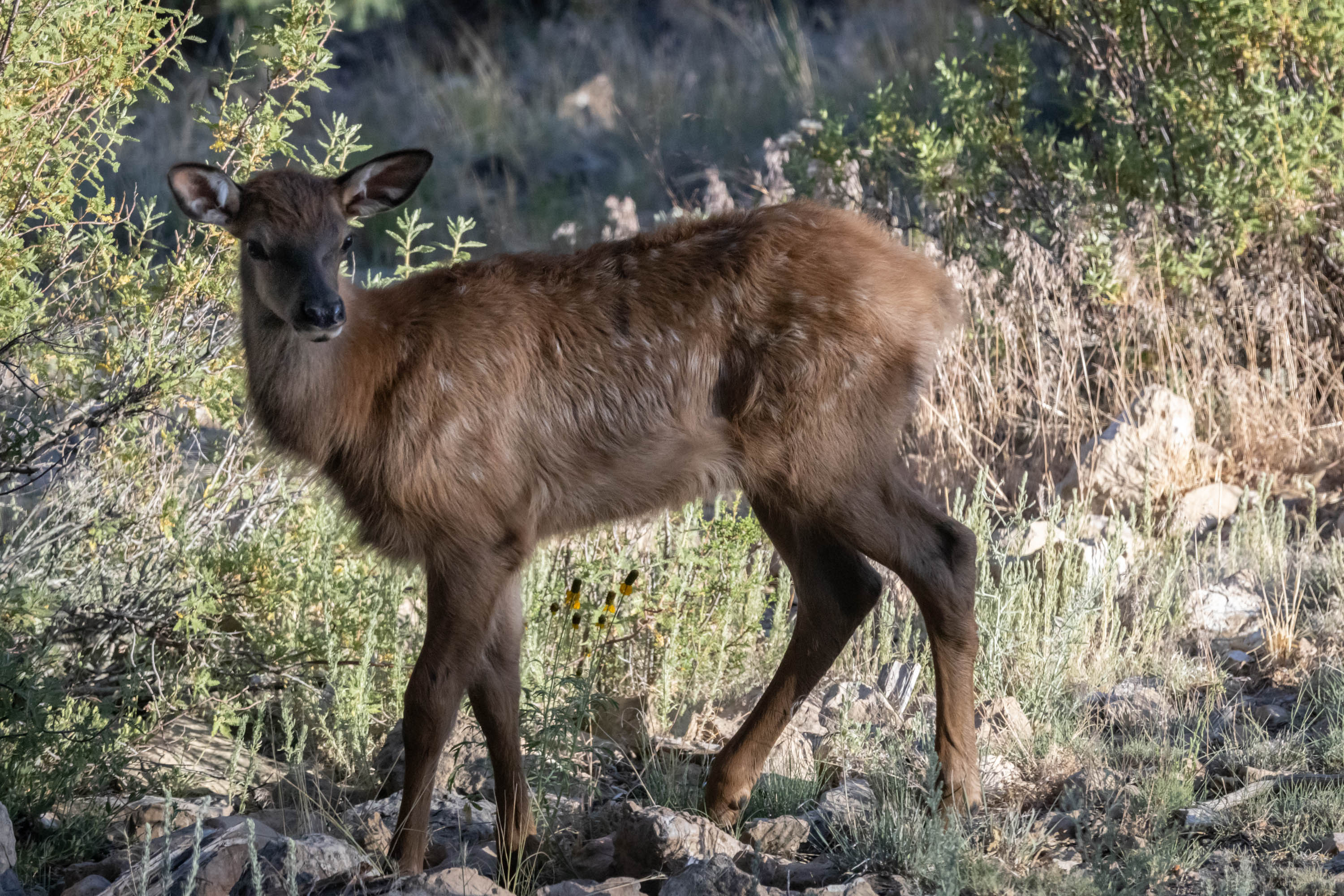
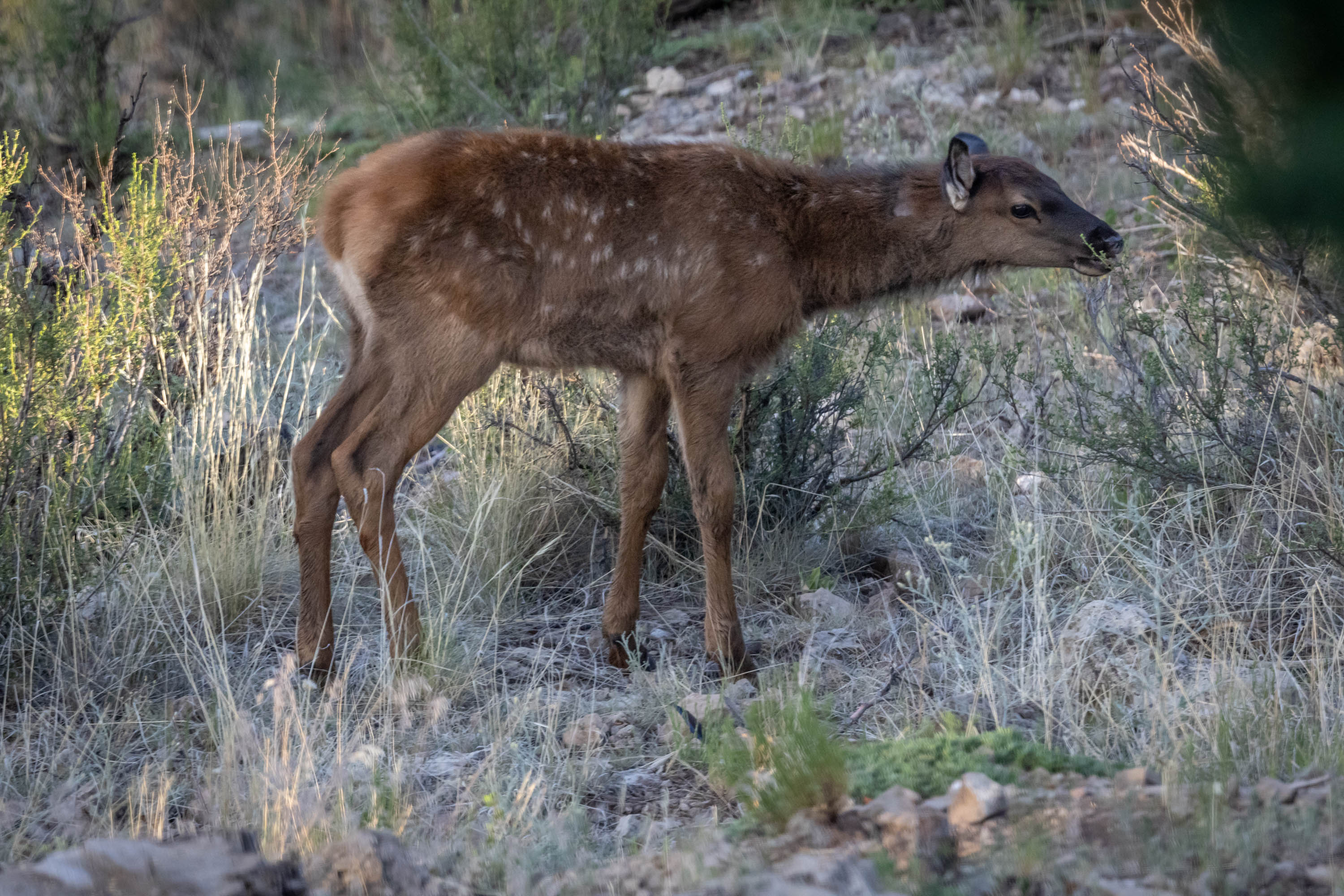
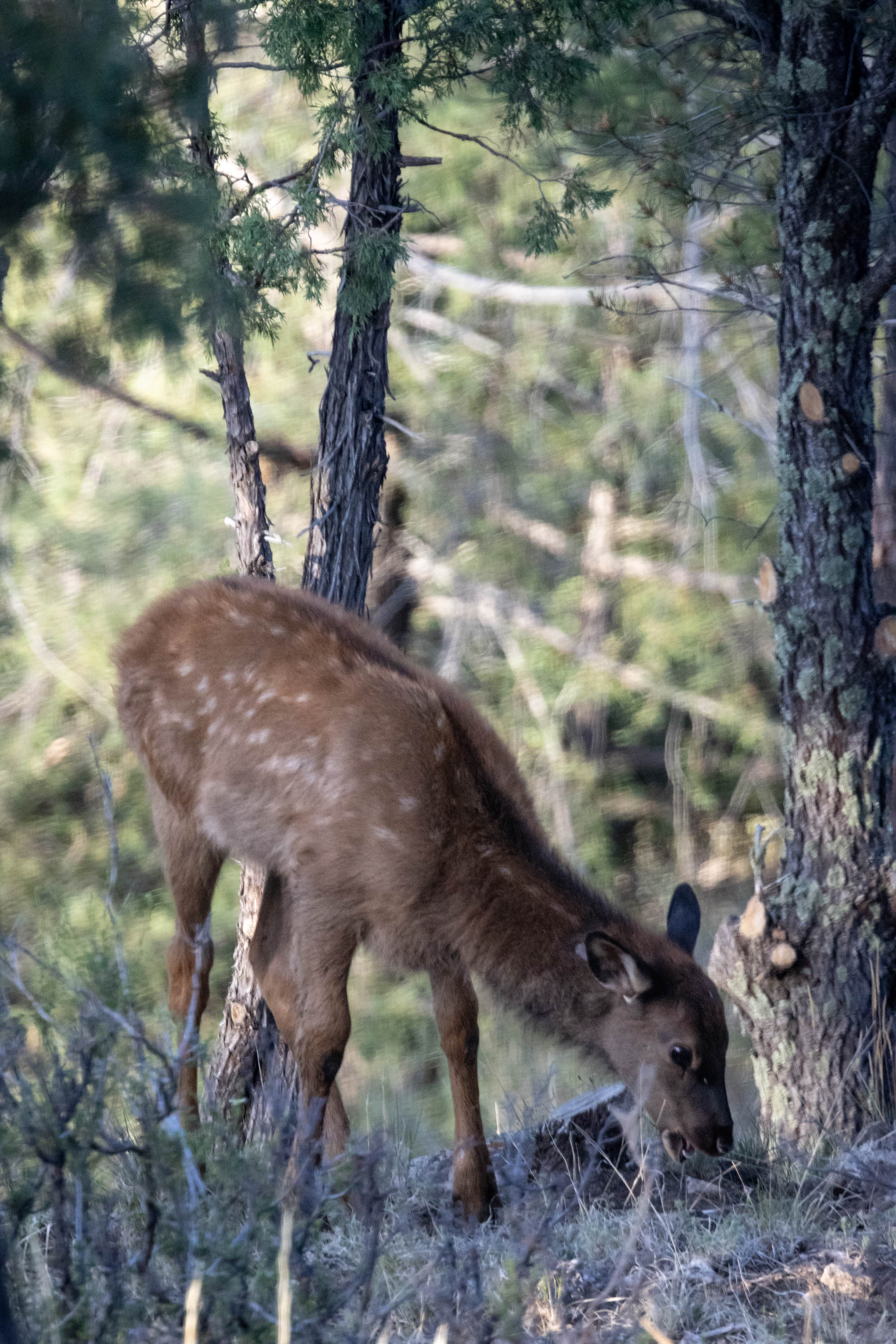
The baby elk are out, hosting their new spots and wobbly legs. The calves are generally born around early June. We might not see them until July when mom takes them out in the world to show them how to find food and water on their own.
They forage on grass, shrubs, and twigs, and chirp for their mothers. Moms dote on the little one’s, but when it’s feeding time, the mom’s give them little attention to teach the newborns to eat off the land.
For a desert state, one would never imagine how many lakes AZ has. The lakes are popular with the fisherman and those seeking recreational sports such as boats, kayak, paddle boating, canoes, and paddle boards.
Kayak rentals at Whitehorse LakePaddle boater enjoys early morning.
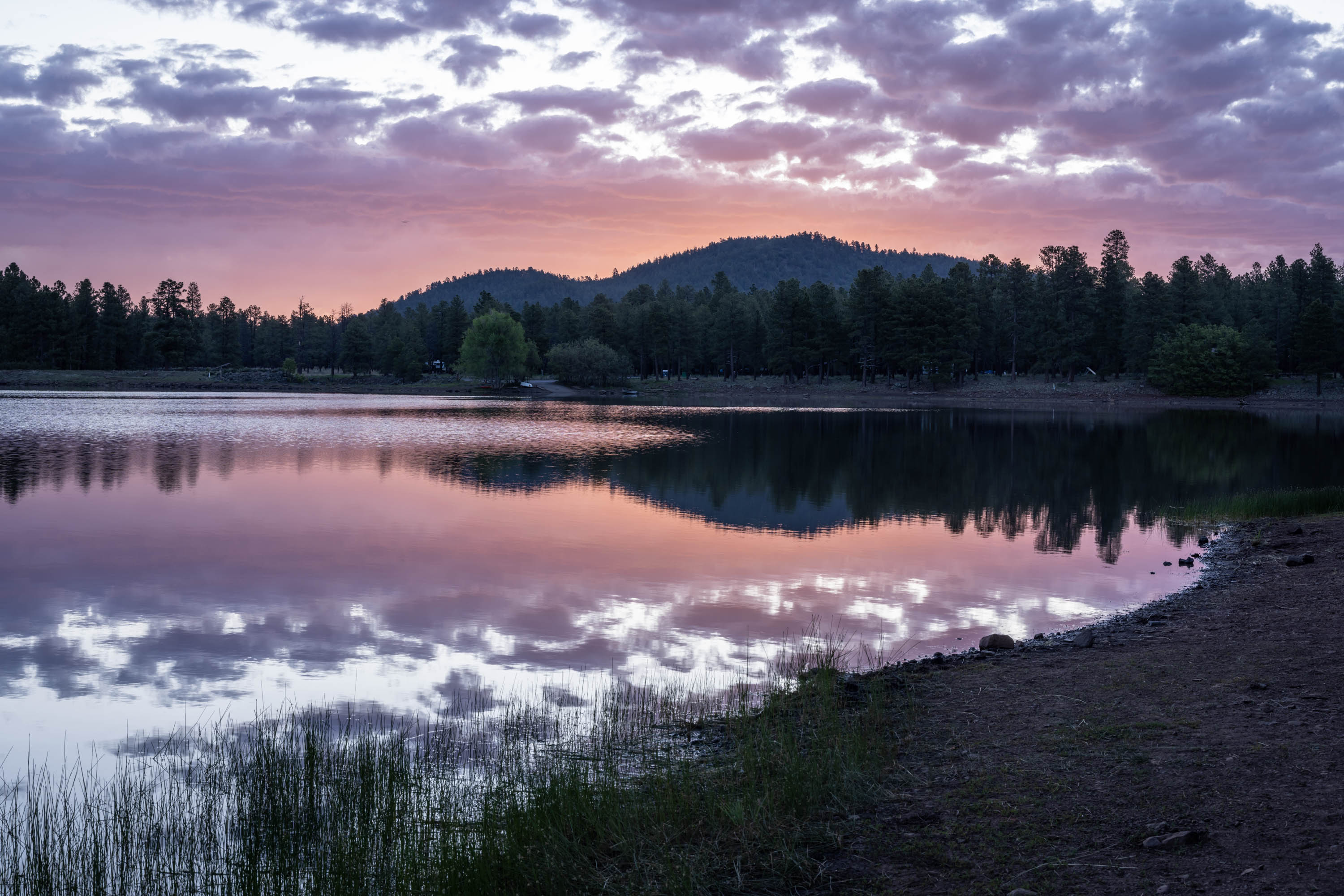
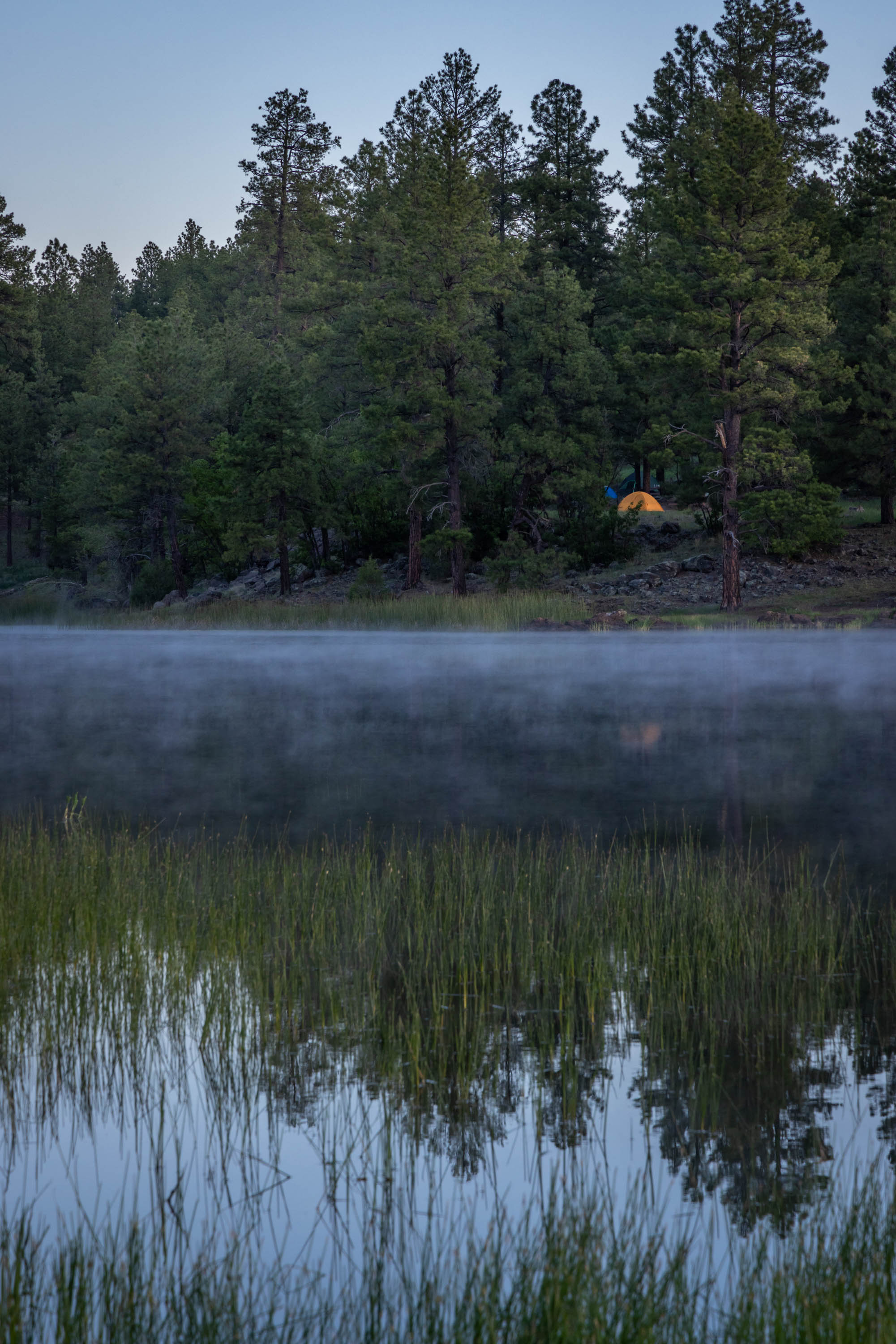
Of course we just love the sunset and sunrise views and reflections along the water.
Morning mist rises off lakeSunrise at Dogtown Lake
We aren’t the only ones that enjoy the water and the lakes of AZ. We run into all sorts of wildlife that also goes to fish, play, and wander around the water and lush environment that the lakes bring.
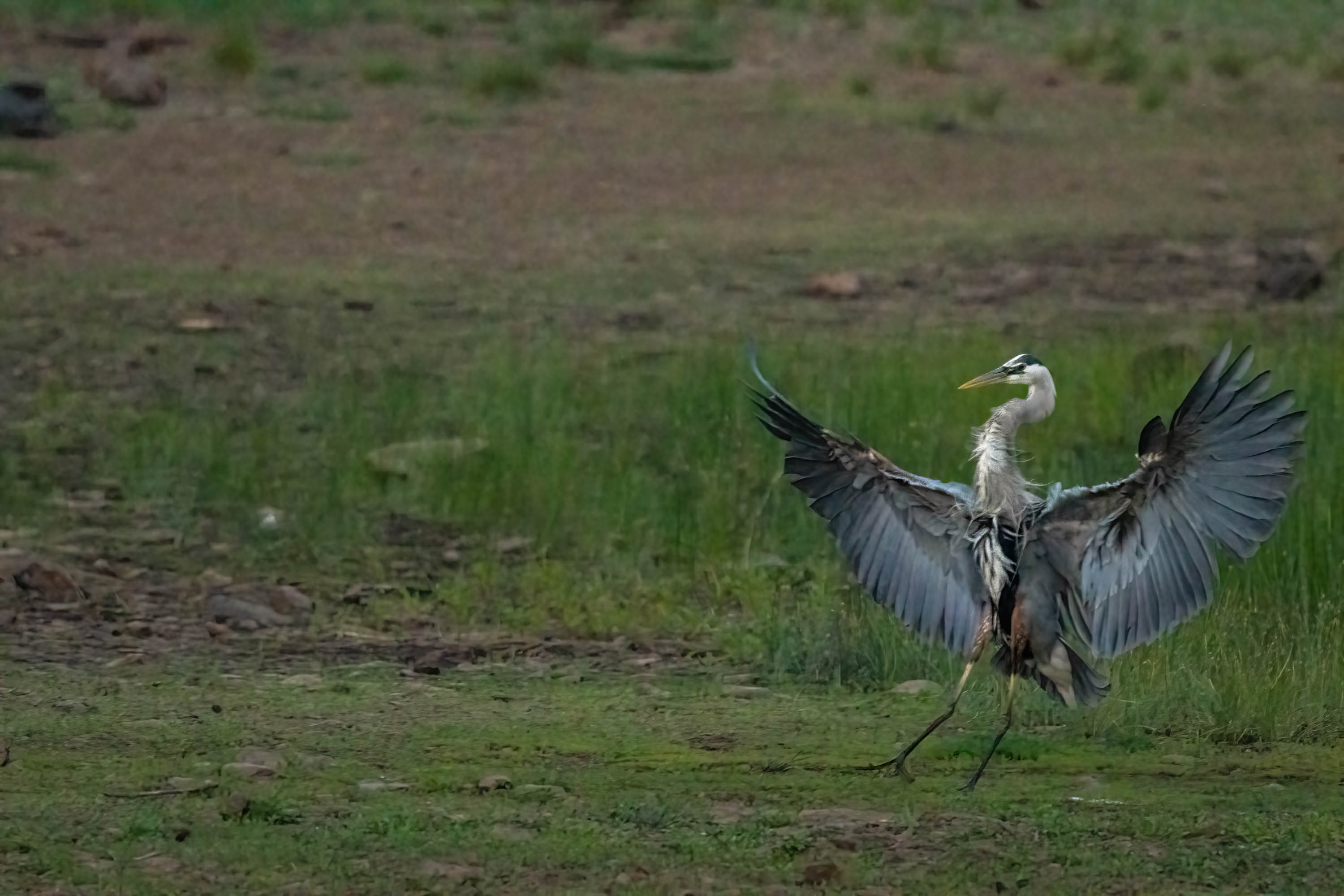
Blue heron fishes at Whitehorse Lake in early morning light.
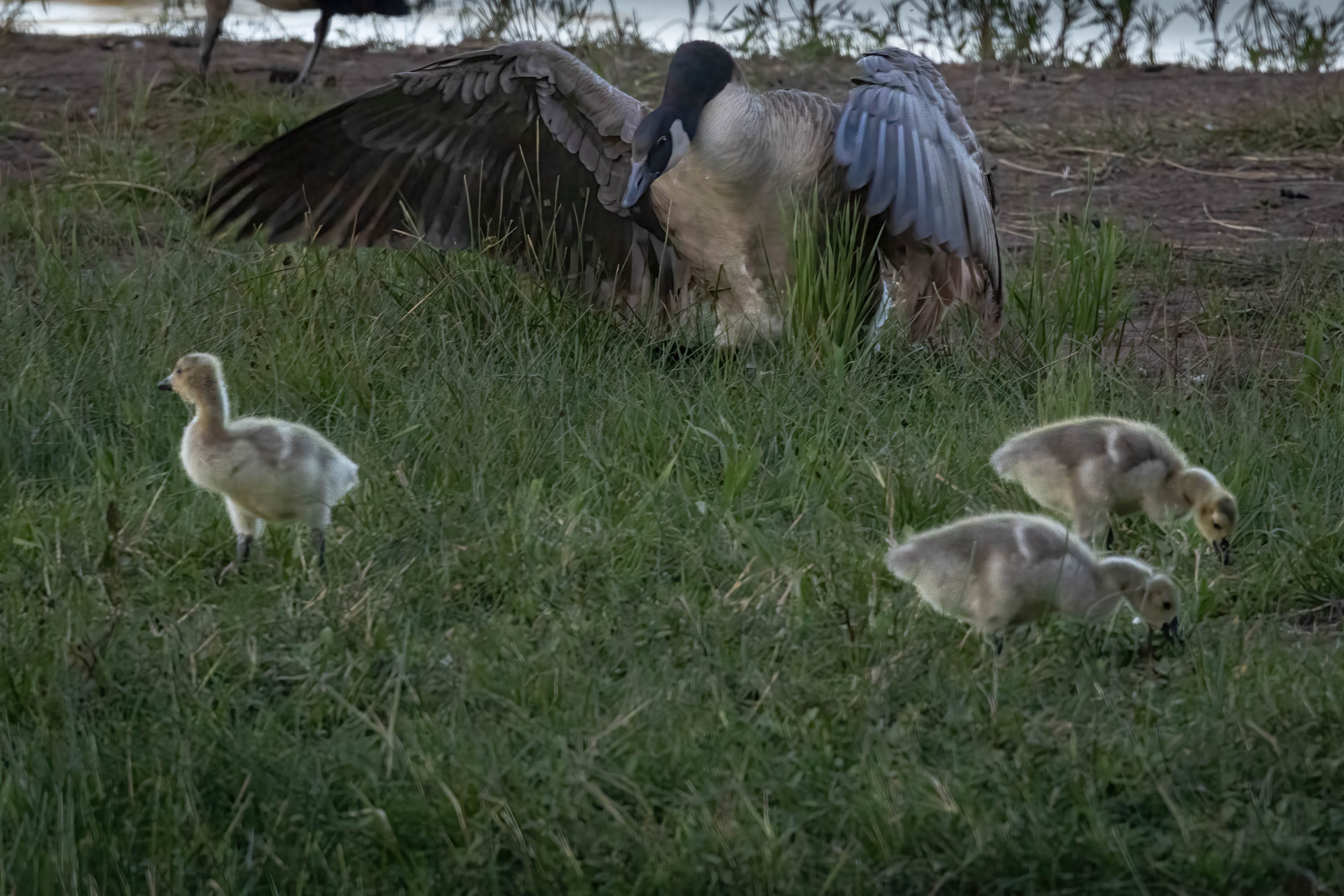
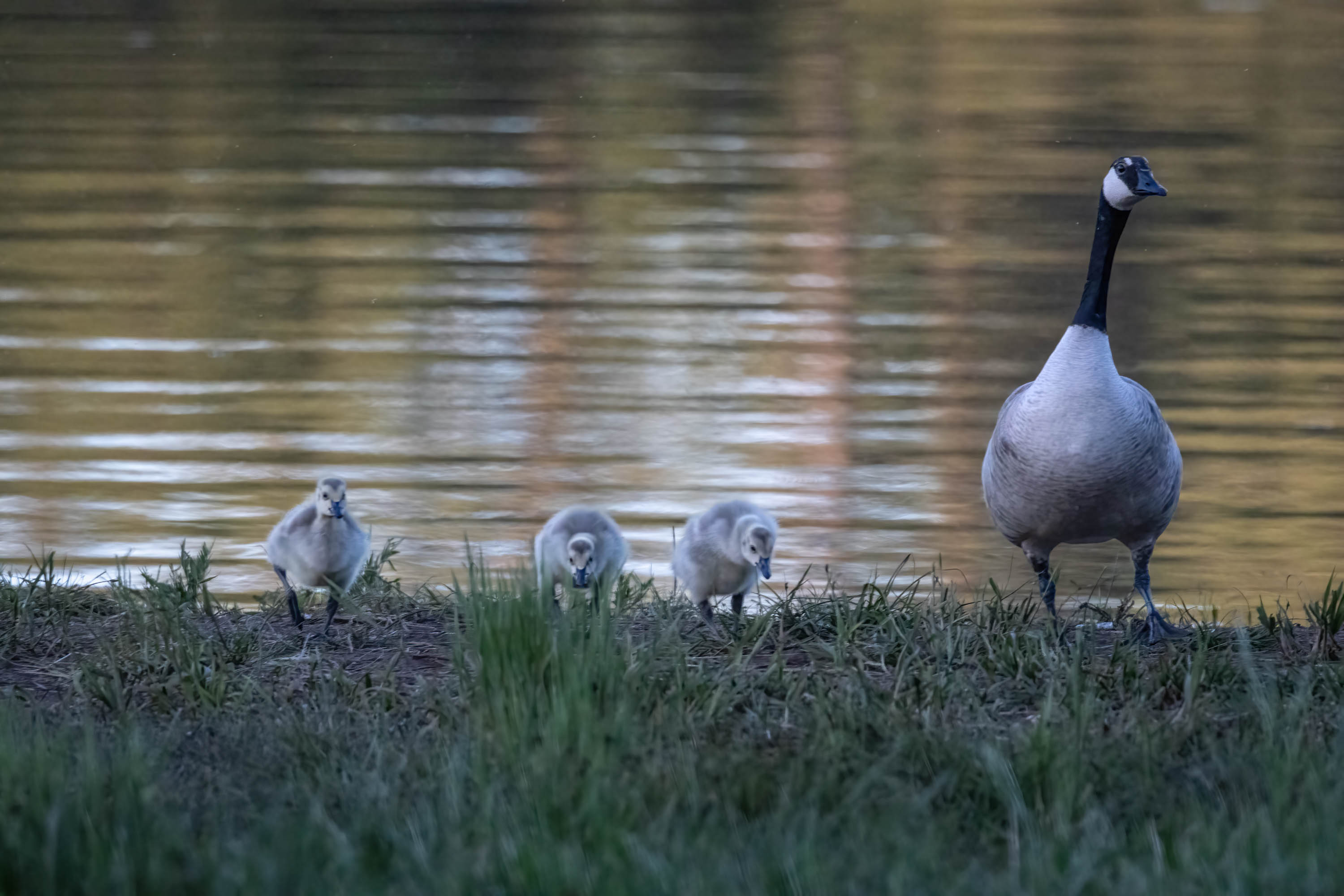
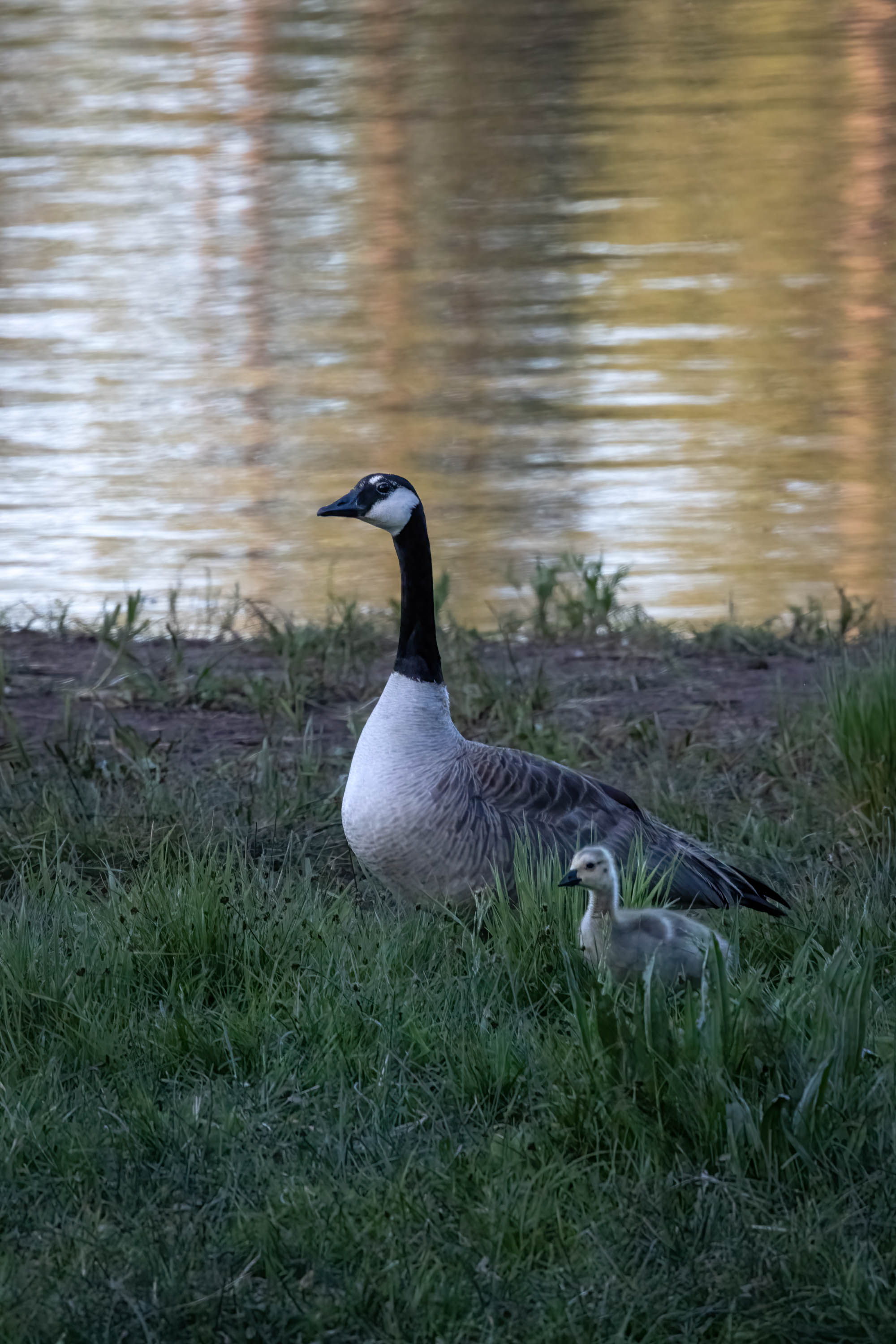
Blue heron’s fish for fish, crabs, frogs, or crawdads, while Canadian geese forage for aquatic vegetation and grasses.
Canadian Geese with baby goslings
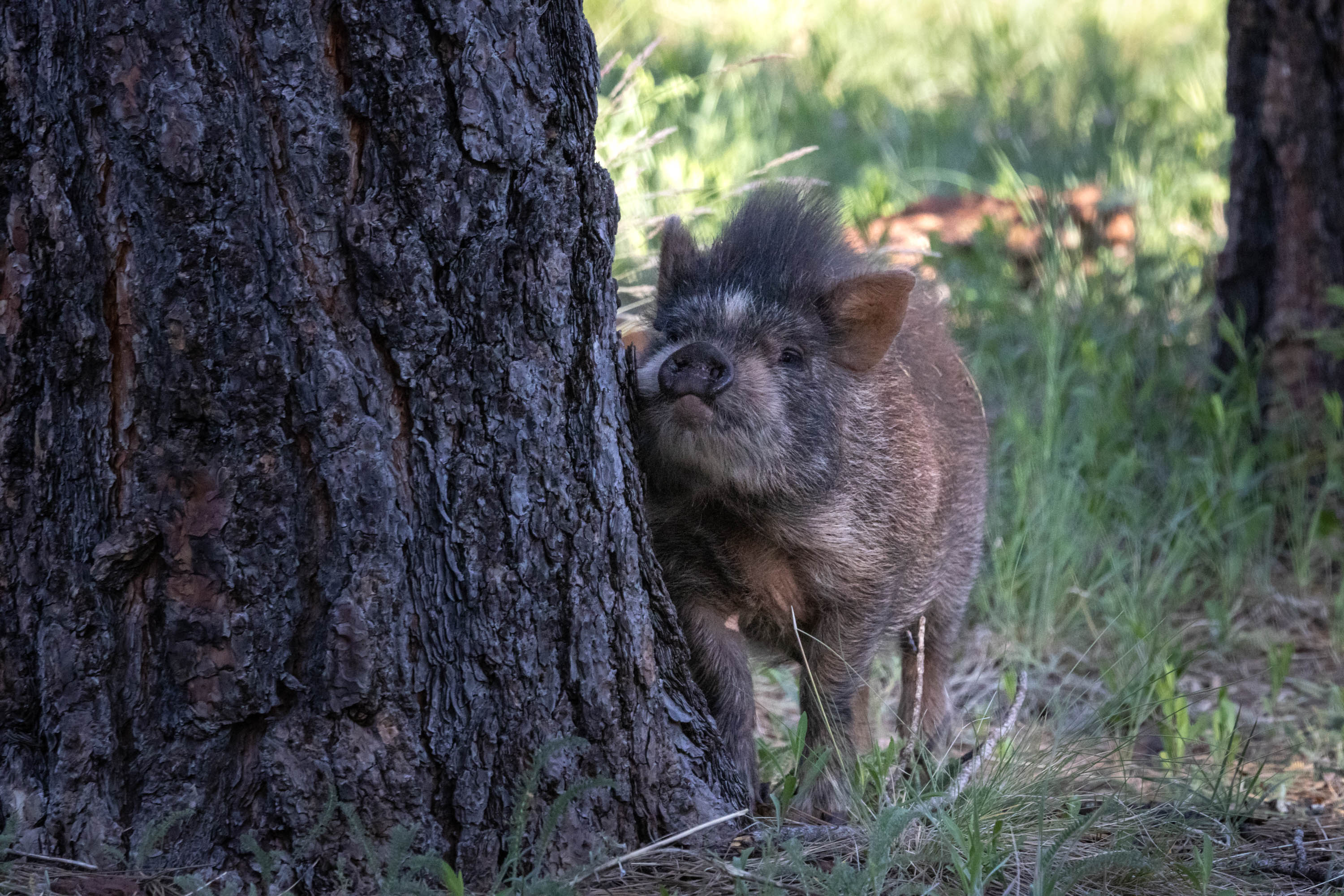
While it’s unusual to find javelina at the lakes, we found a young javelina very content and happy with the environment. Who could blame him.
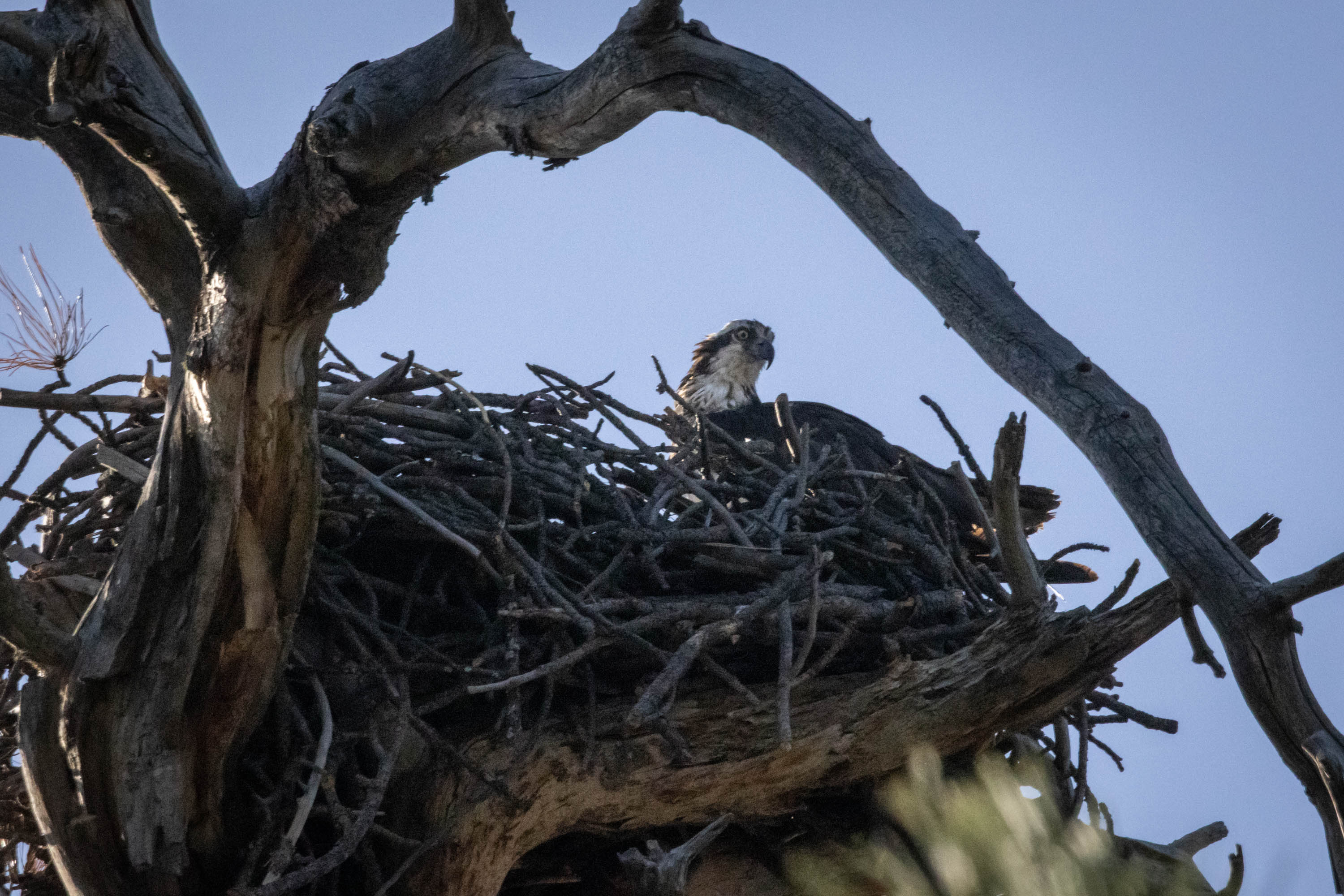
It’s that time of year for animals to be having their babies and bring them out to teach them to feed off the land. We watched osprey for hours fruitlessly fish to great frustration and tired wings. We never did see any of the young ones catch anything.
Osprey sits on nestOsprey hovers overhead looking for fishTent camping at Whitehorse Lake
Any day at the lake is a good day, made only better with great sunrise / sunsets, and animals to watch.
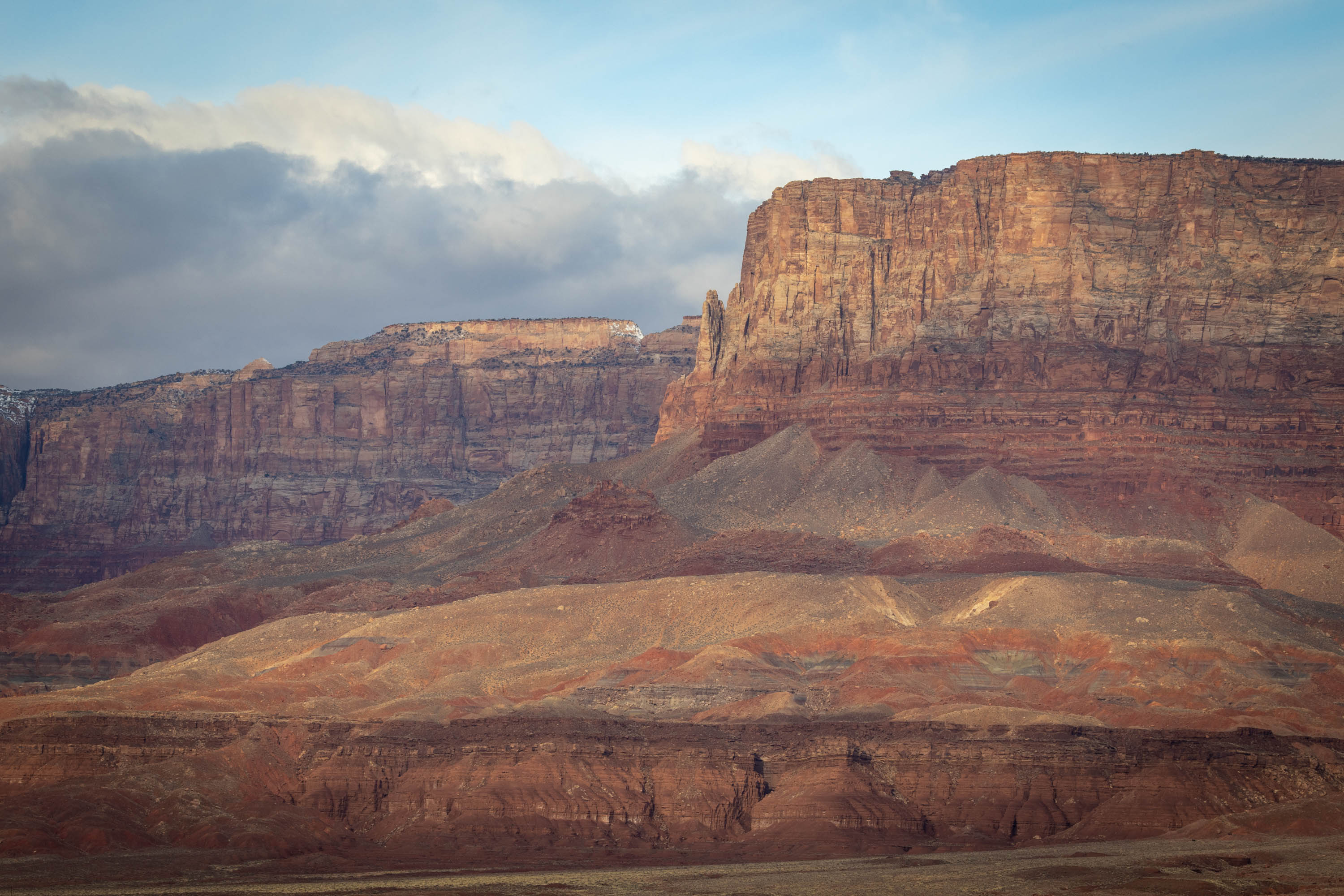
Marble Canyon is known for the Glen Canyon Dam overlooking the Colorado River and colorful Vermillion Cliffs. Lee’s Ferry, at the water’s edge is a popular launch point for river runner adventures, kayaks, and rafts.
Lee’s Ferry is named after John D. Lee, who established a ferry to transport wagons across the Colorado River for the Mormon church. Lee was later executed for his participation in the Mountain Meadows Massacre in 1857. The Ferry was shutdown in the 1920s when the ornate Navajo Bridge was built.
The area is rich with rainbow colors of geological layers, deep canyons, and balancing rocks. It is a treasure trove for hikers, explorers, campers and photographers. The light casts glows on its many faces that change throughout the day.
I think it was 8th grade (or some such) that I learned there are 7 natural wonders. If you asked me to name them I’d have to use Google to look them up. Since then I have learned from actual experiences that the world possesses many more than 7 what I call, Nature’s Wonders.
As we explore the world, and our home state of Arizona, we find it to be an amazing, stunningly beautiful wonder. Recently we have been exploring more depths as we are awed by animal migrations. Most of us have likely heard of the wildebeest migration and seen fantastic photos of this Nature’s Wonder. We have recently enjoyed small examples of the depleting butterfly migration in Northern CA. It is surprising to me to find how few people, particularly Arizonans, have never even heard of the sandhill crane migration to Whitewater Draw in southern Arizona. It is a feat and spectacle difficult to describe.
To set the stage, Whitewater Draw is outside of Willcox, AZ in the south eastern part of the state, just 12 miles from the Mexico border. People come from around the world and country to see it. We meet very few Arizonans, but on our recent trip we met people from as far as Canada, Florida, and Minnesota. Sandhill cranes often mingle about all day in marshland ponds that surround the site. Walking paths and viewing platforms allow visitors to sit at one of many benches along the way to contemplate life, see a variety of bird life, and watch the ‘show’.
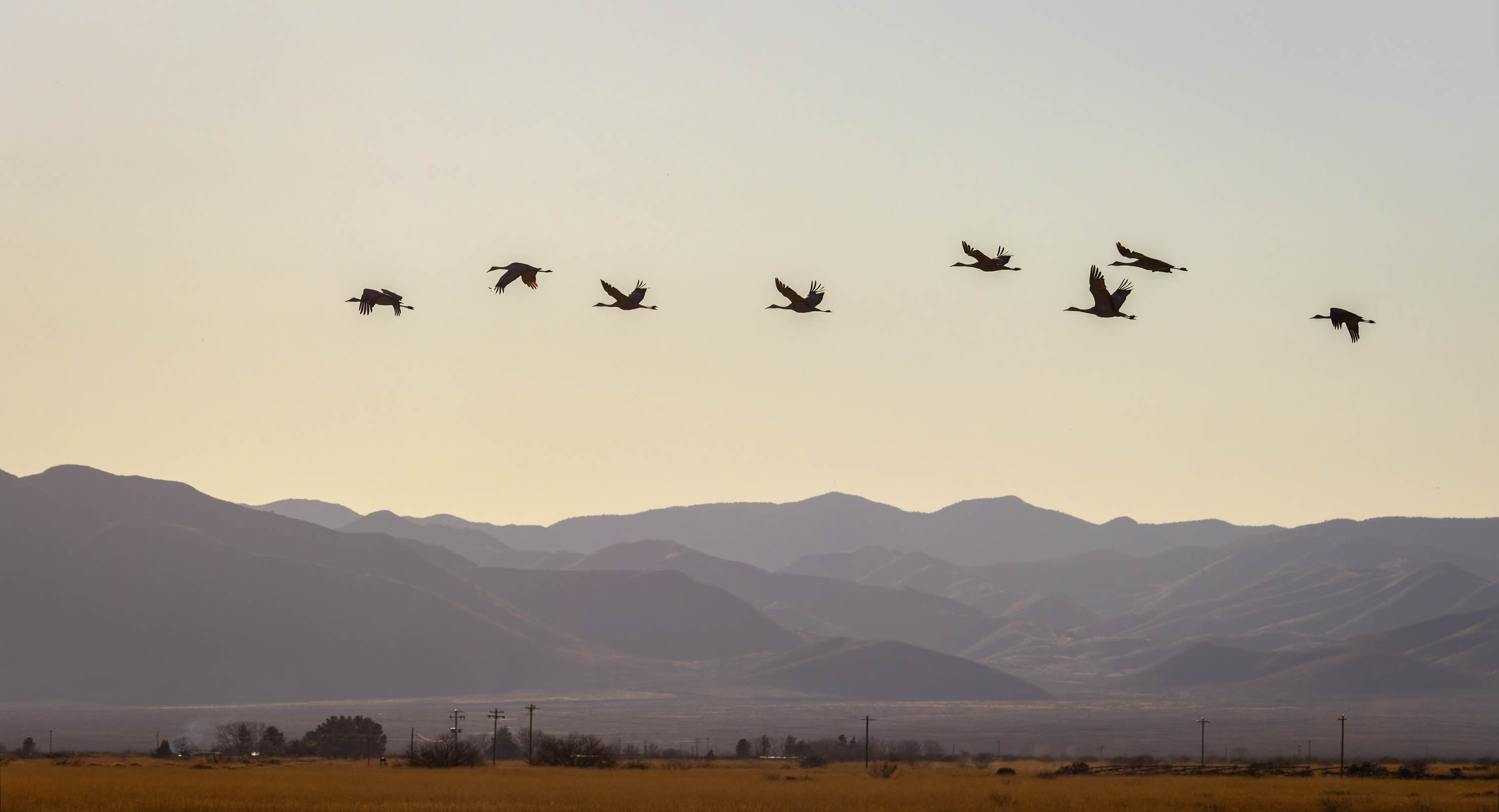
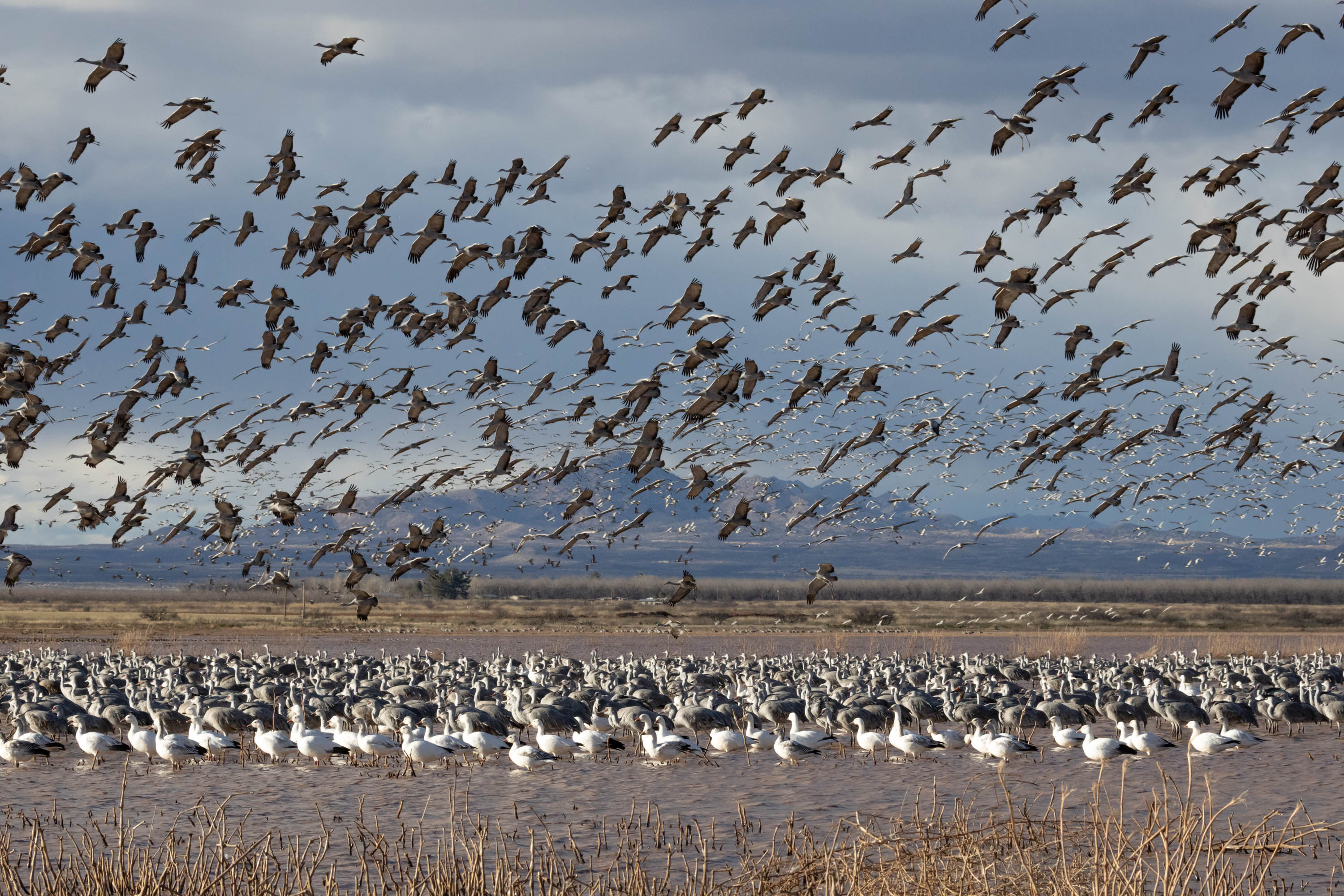
There are generally two big ‘shows’, the mass fly-out at sunrise when the cranes fly to corn fields nearby to graze; and the fly-in around sunset when they come back to sleep in the ponds to protect themselves from predators. The sheer volume of their squawking, the noise, and the abundance of nearly 40,000 birds all flying over in waves is spectacular.
To catch the show you have to be at Whitewater Draw at dawn. The nearest hotel is in Willcox an hour away. In the winter months between November and March when they are here, sunrise is around 630am and sunset 530pm. There is an overflow parking area that many camp at. It has no electricity or water, but it does have pit toilets. Some sleep in enormous rigs with generators running, others in vans or campers, and some ambition types sleep in their cars. Mind you the temps can be quite cold. On our last visit it snowed, and was 17F. It’s luck of the draw, as weather does vary.
When we stayed overnight in our camper, our evening entertainment was the ‘rest of the show’ of Nature’s Wonder. We heard owl calling to their mate and hooting and hollering up a storm. That is, until we heard the screech of a hawk jet by. That put an end to the owl’s banter. Later we heard the yowl of a mountain lion close to our camper, several times, in hunt for its prey. Then there was the sing-song of coyotes howling in the distance. The noises of natures continued as we fully immersed ourselves in Nature’s Wonder until the spectacular spectacle of thousands of sandhill cranes ranting and chattering getting ready to take flight. In a thunderous roar massive waves of cranes took off and filled the air. It truly is a sight to see, and incredible to witness one of Nature’s Wonders.
Snow geese have joined the raft of cranes and breed as far away as north of the timberline in Greenland, Canada, Alaska, and the northeastern tip of Siberia. They migrate in the winter to warmer climates, making Whitewater Draw an increasing popular destination for them. Albeit, this year they were probably wondering if they made a wrong turn when they wound up in a snowstorm in Southern AZ.
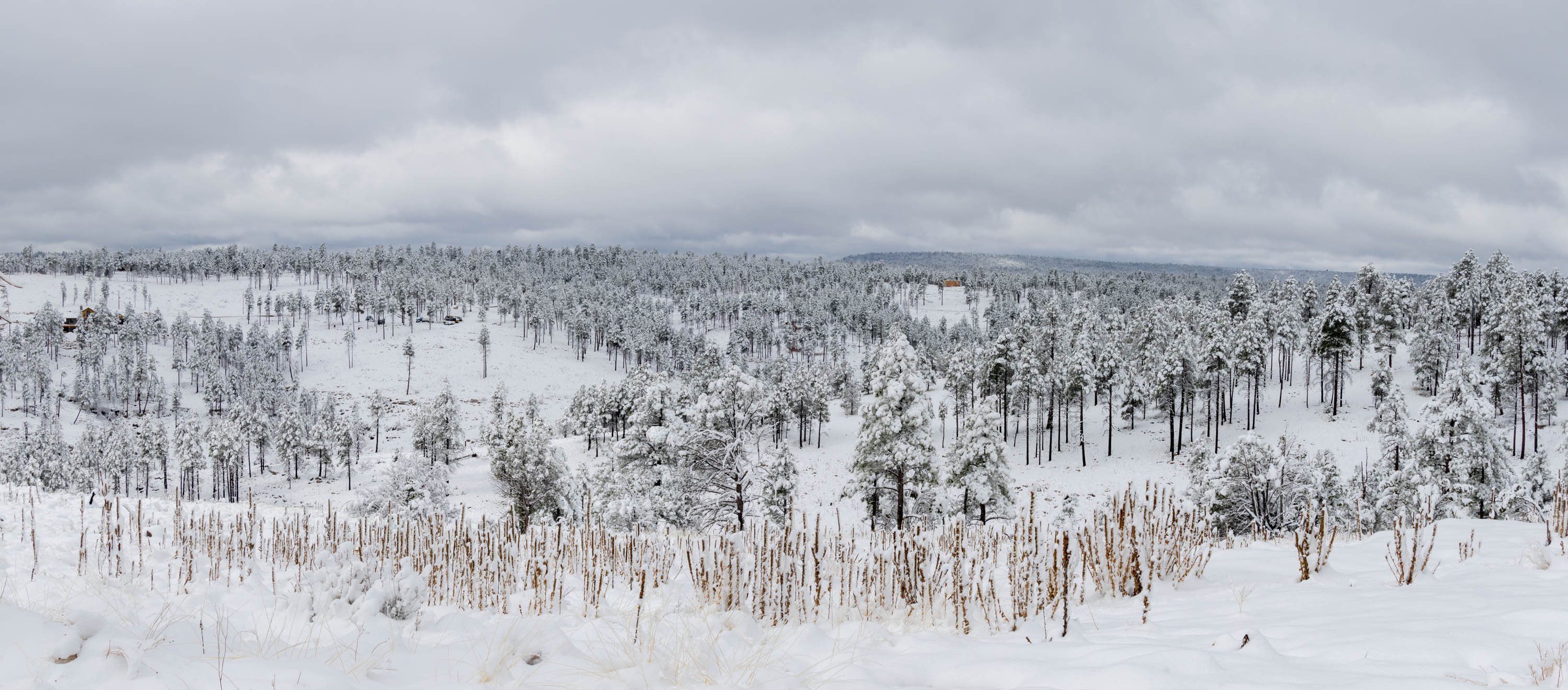
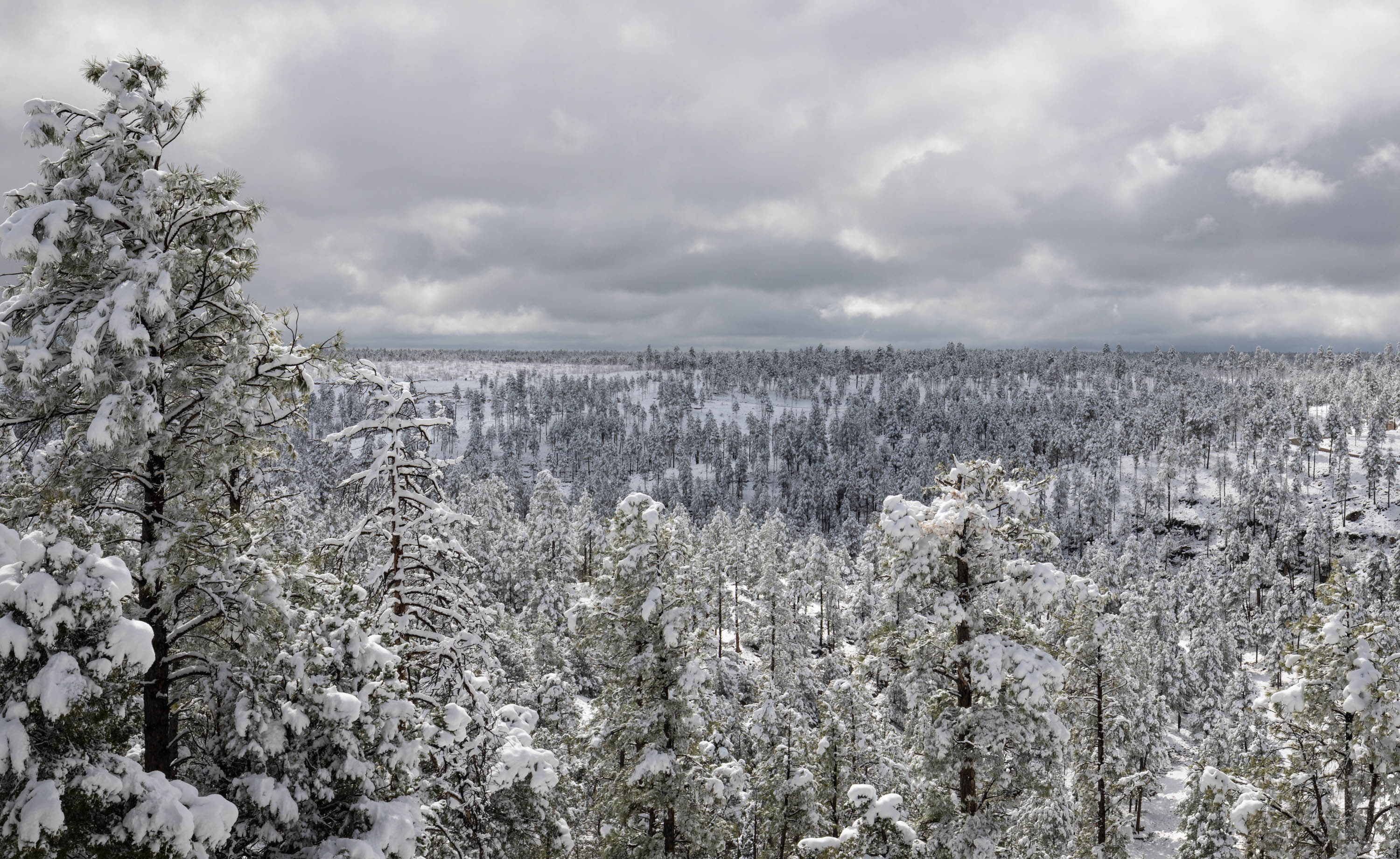
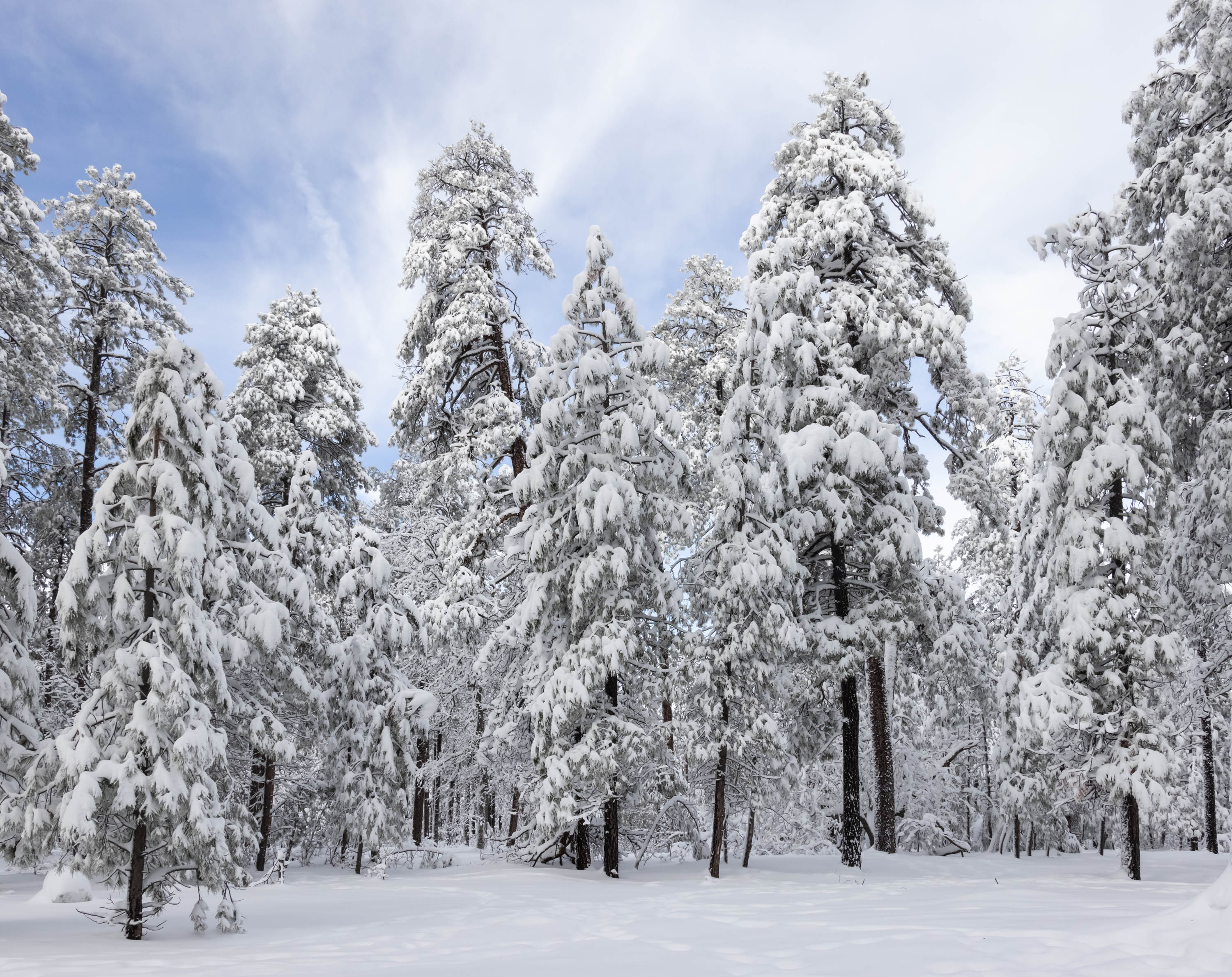
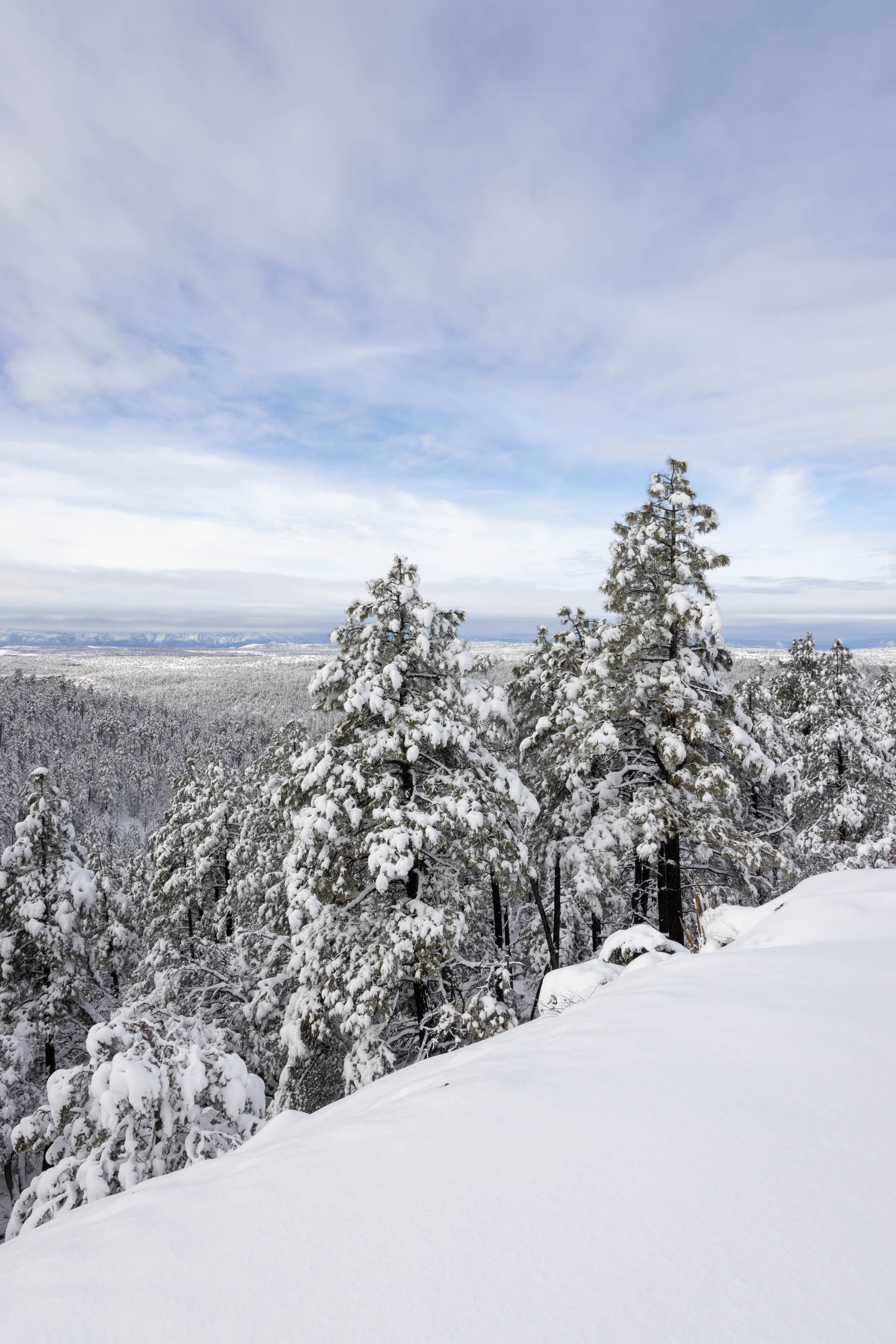
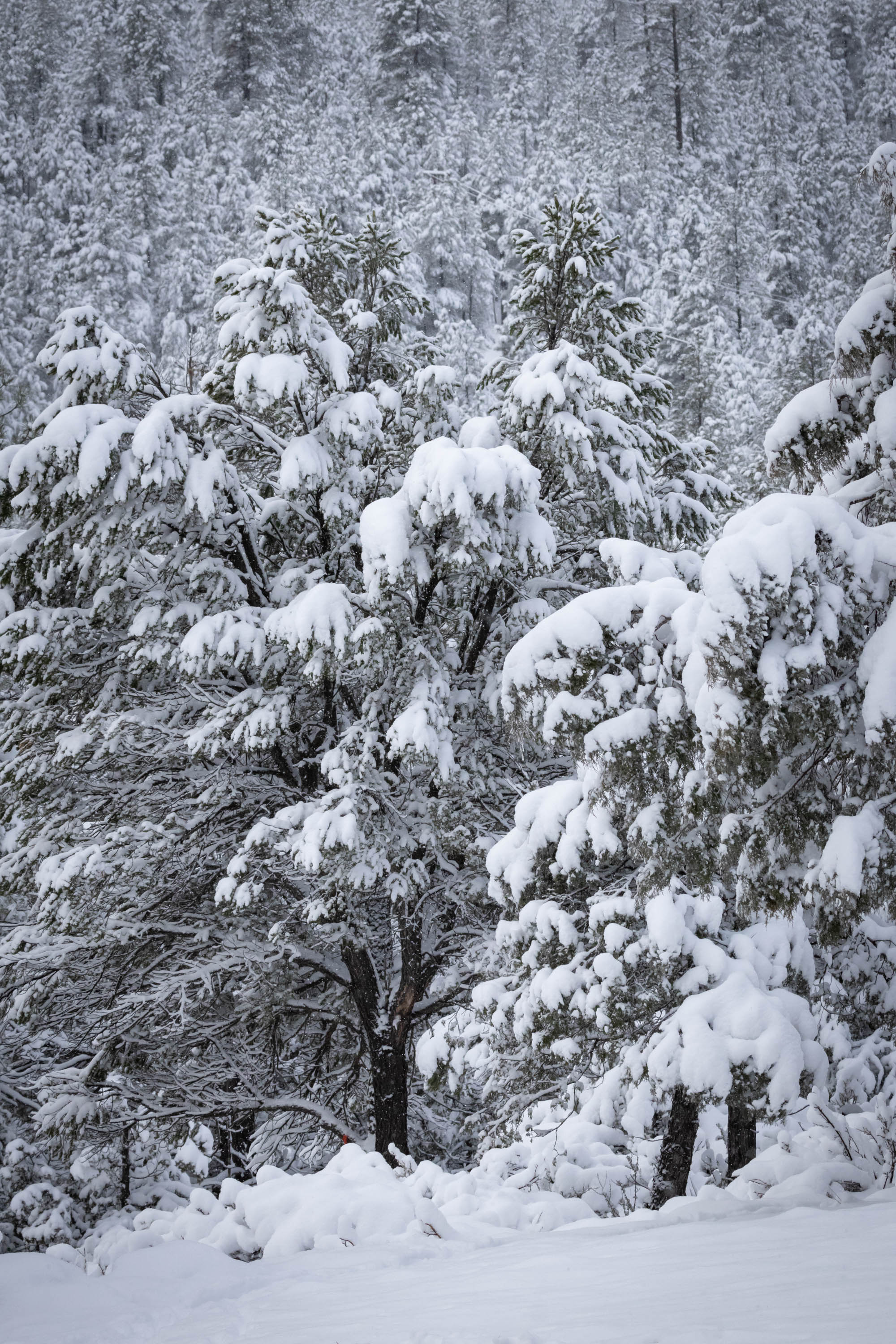
When we went out to take photos after a recent snowstorm, I couldn’t help but think of our forests weighed down by wet heavy snow, as ‘Grinch trees’. You know, the Dr. Seuss animated classic with white cascading trees.
As we pulled off the road, fearful of getting stuck in deep snow drifts, we reveled in the blue sky the morning after our heavy snowfall. By afternoon, as the sun came out, the snow was gone, much to the relief of the burdened trees.
Kids love snow. There is something just fun and adventurous about sliding down slopes, making snowmen, and snowball fights.
I know our pup, Trek, enjoyed her first snow.
So animals aren’t any different. Particularly the baby animals. They are just as nuts for it.
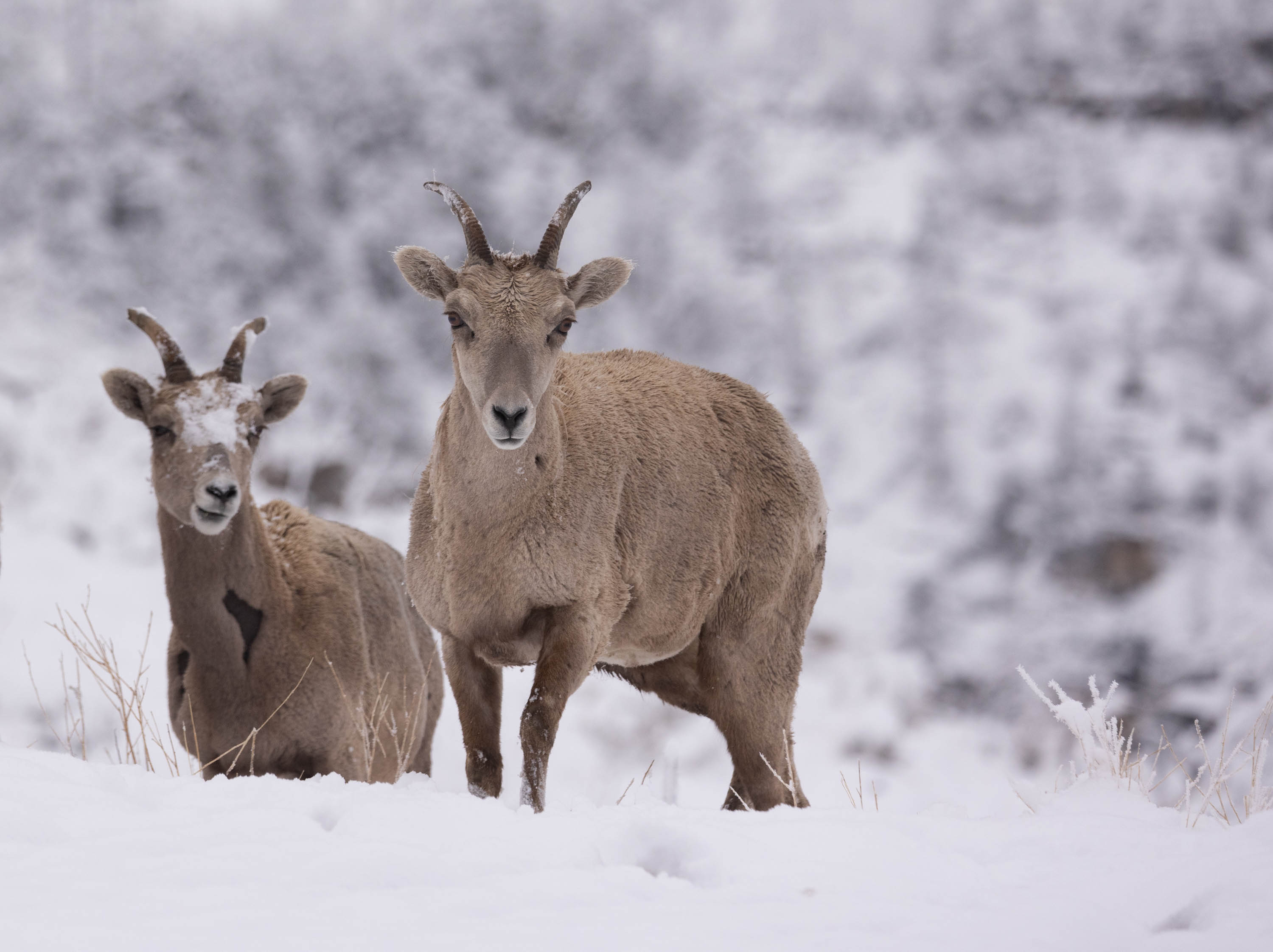
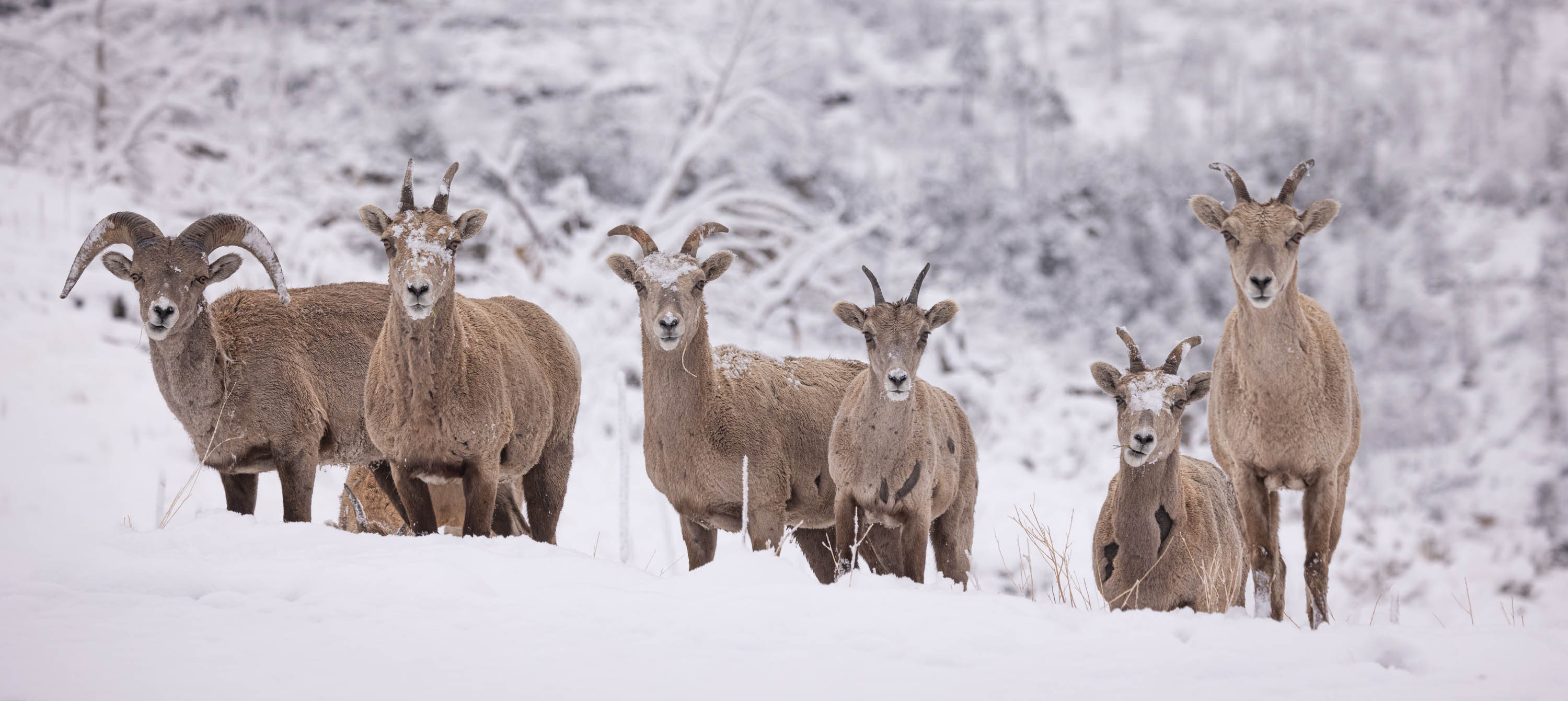
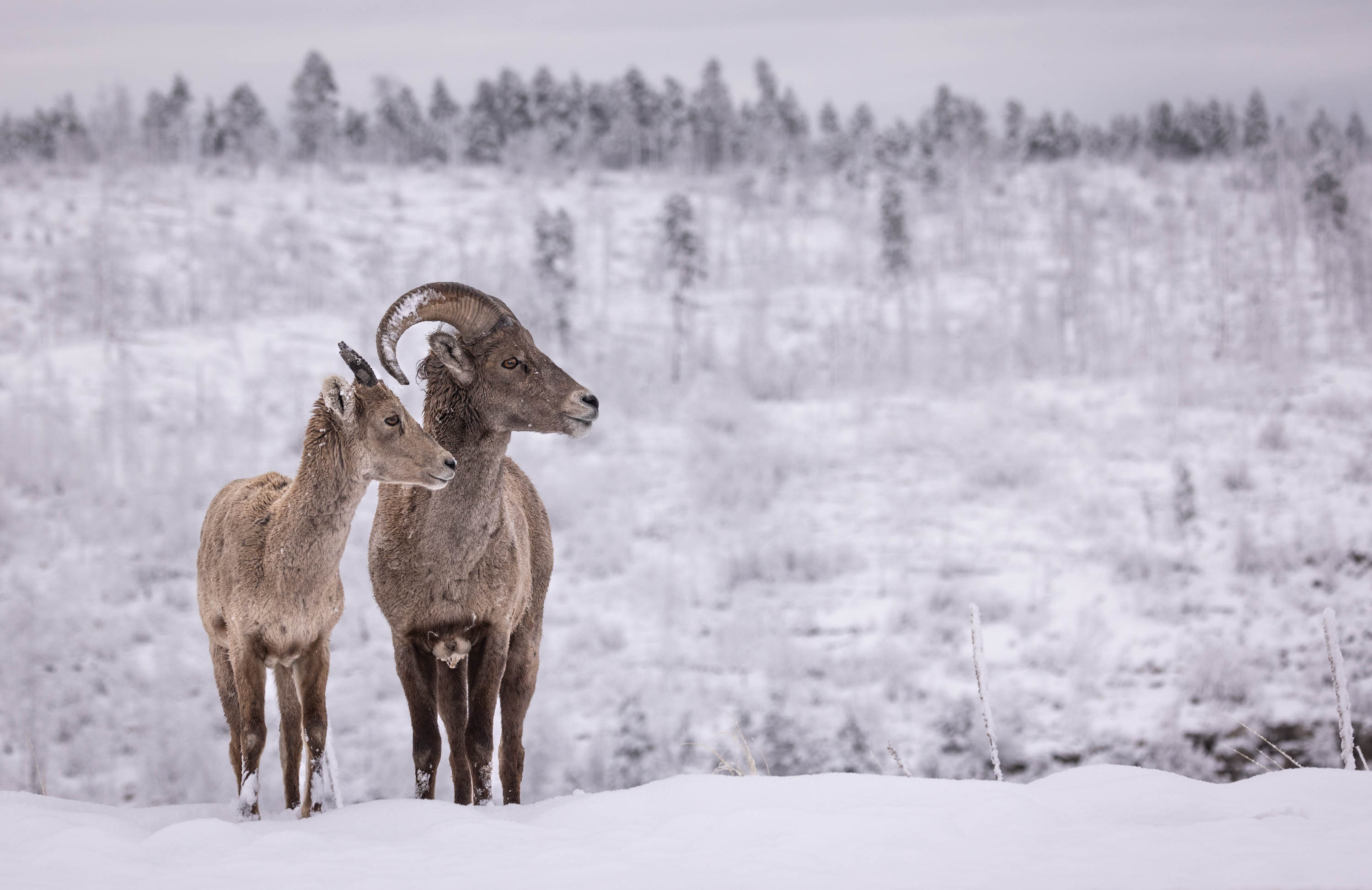
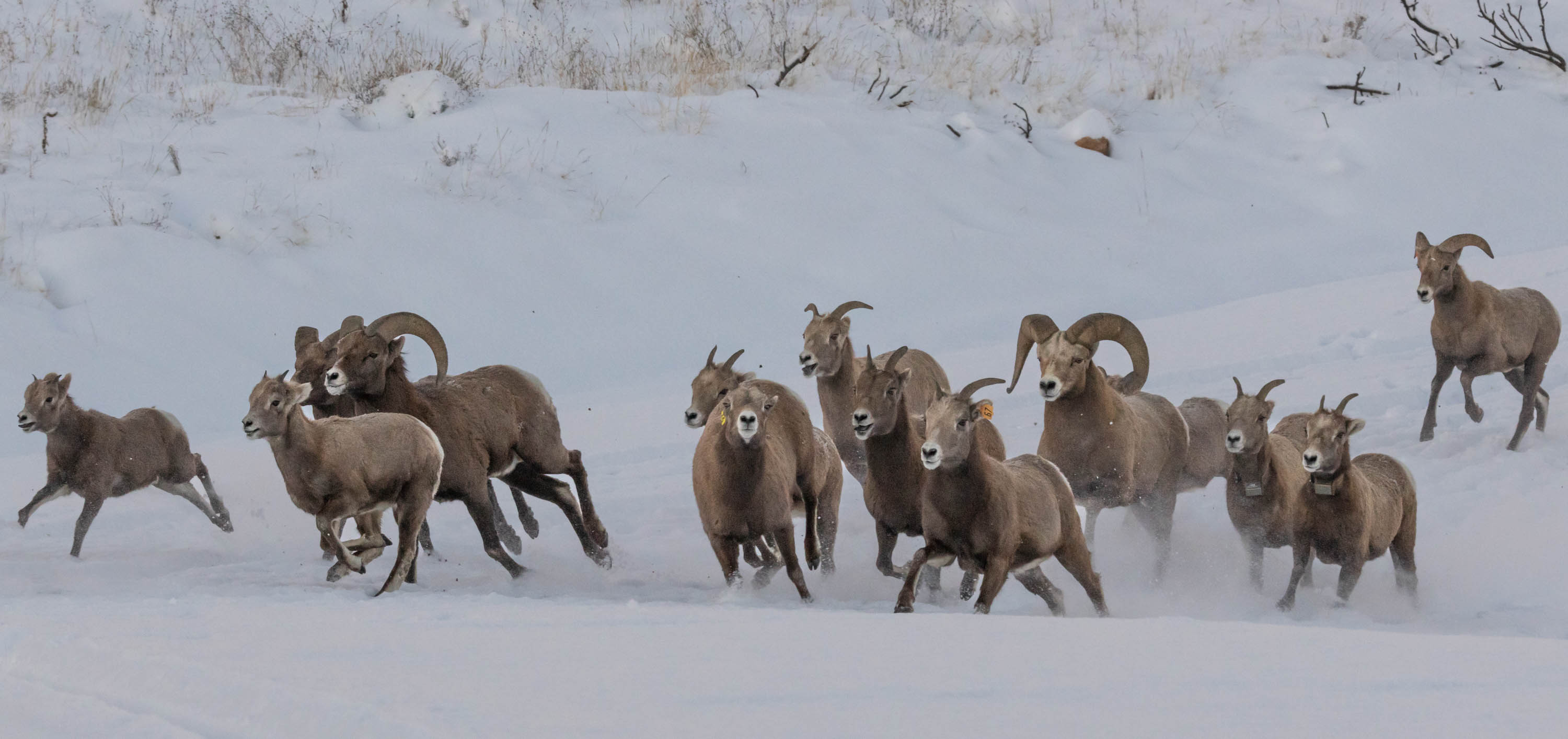
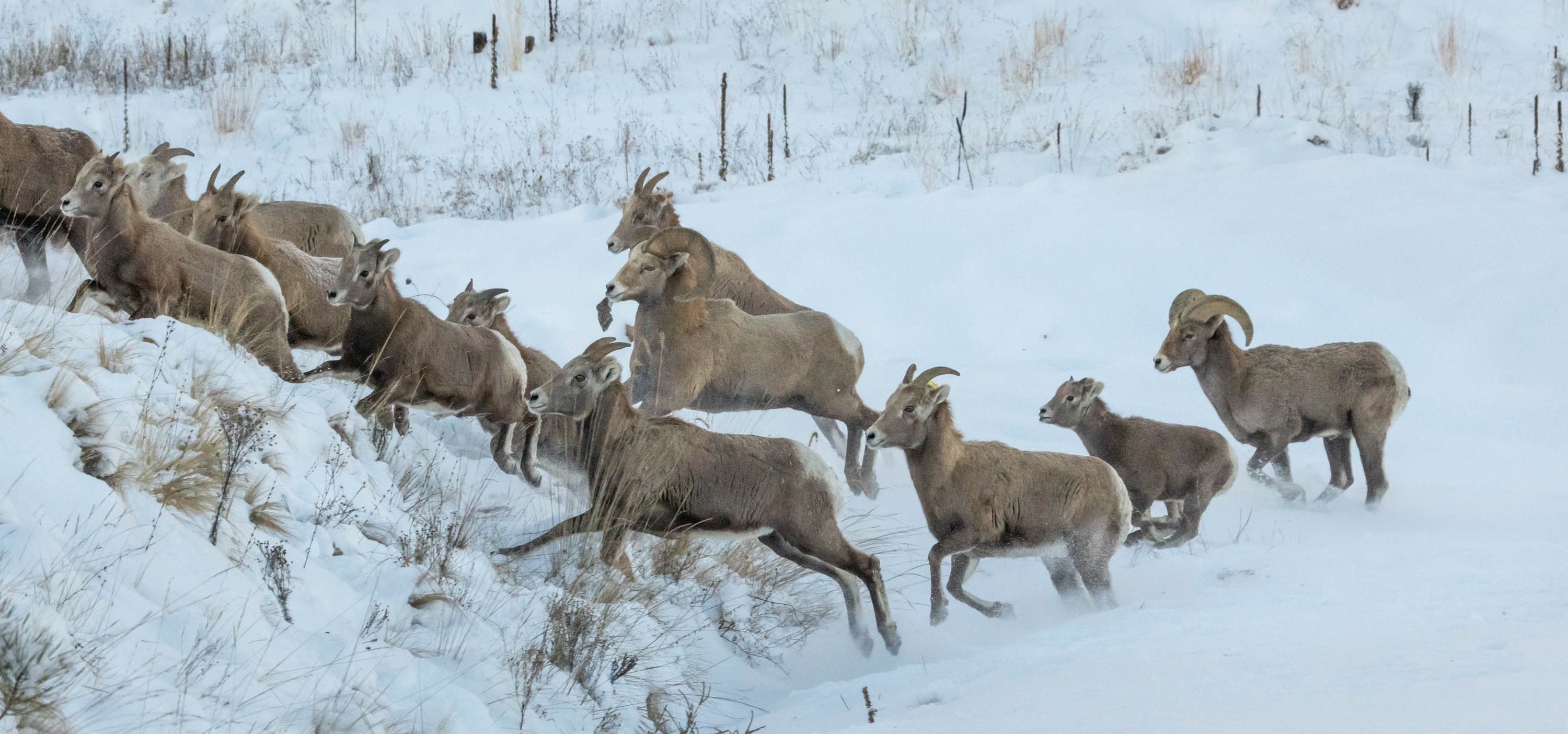
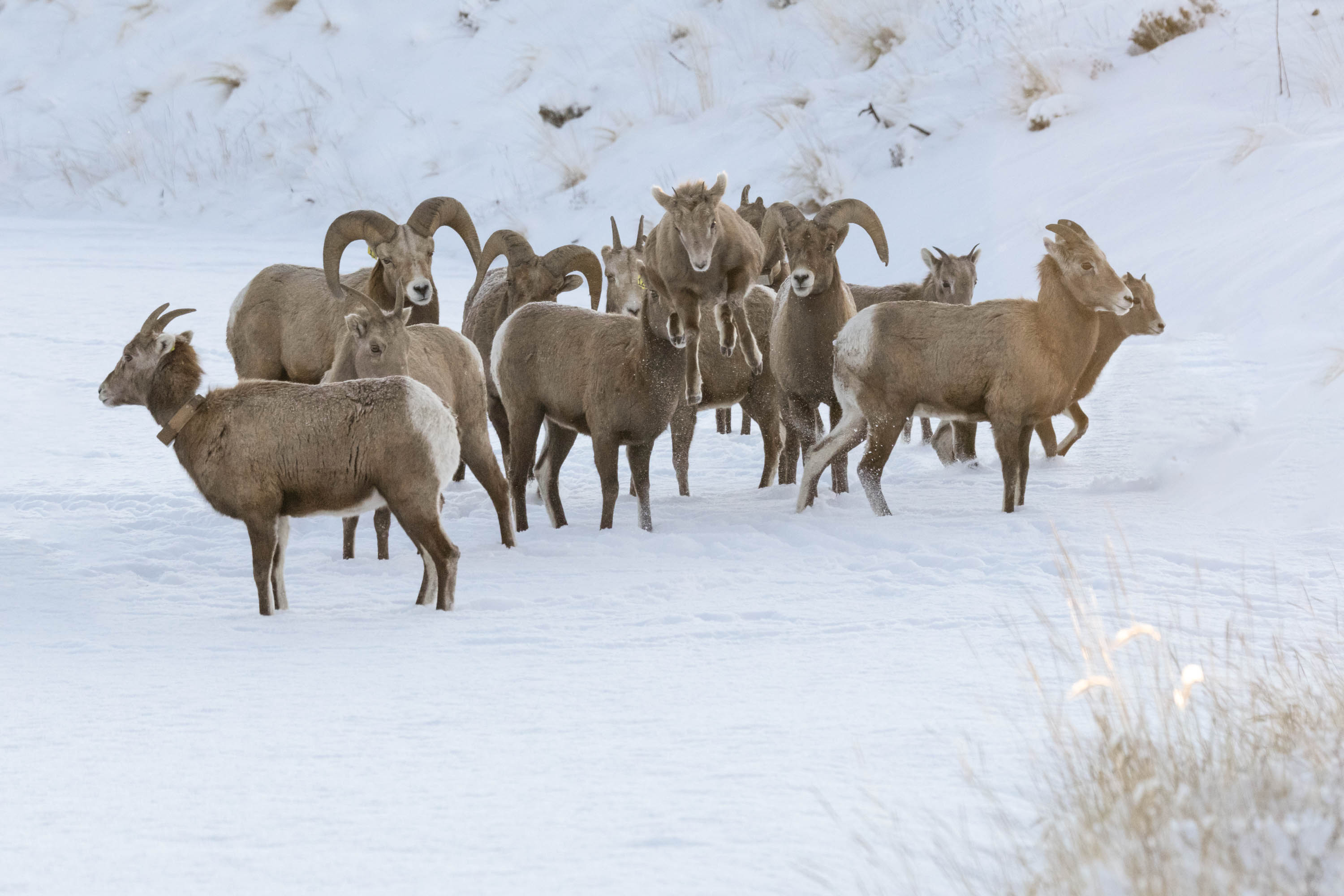
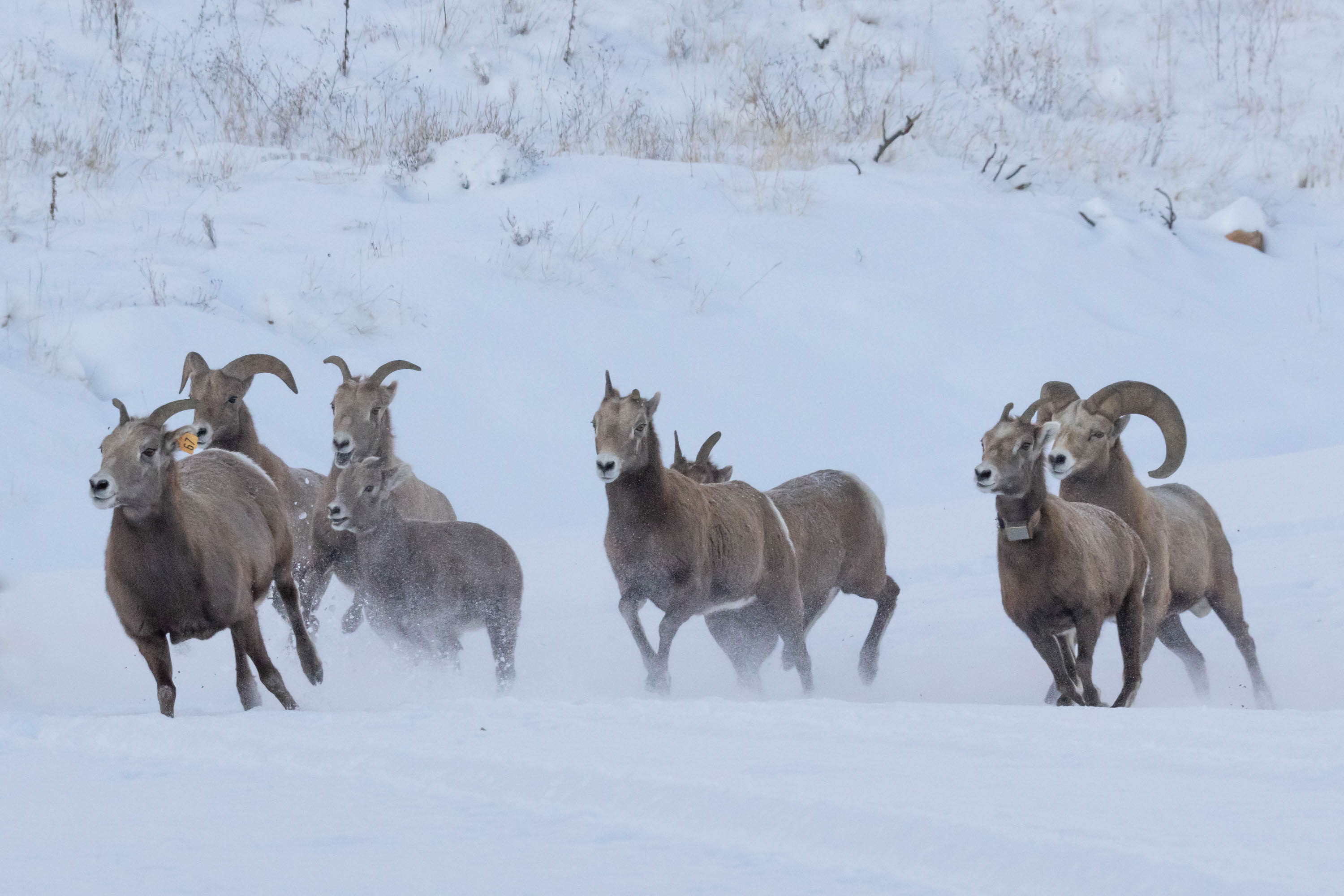
We’ve seen baby deer, elk, and now big horn sheep go crazy for the snow. We were fortunate enough to be able to watch this amazing herd playing in the snow.
We felt very privileged to witness their fun. You can literally see the joy on their faces.












































 kritterspaw